
Understanding Modern Aesthetic Options for Your Skin
The landscape of aesthetic dermatology has shifted toward procedures that balance efficacy with patient accessibility. Modern skin health strategies now prioritize treatments that address specific structural and surface concerns, allowing individuals to improve their complexion with predictable, science-backed interventions. At otsdermatology.com, our approach centers on the reality that no single treatment is a universal solution, which is why a personalized consultation is the most important step in your skincare journey.
Two of the most requested modalities today are HydraFacial and microneedling. While both target aging and texture, they function through fundamentally different mechanisms. A HydraFacial delivers immediate, surface-level results through non-invasive exfoliation and deep hydration, making it an excellent option for maintenance or pre-event preparations. In contrast, microneedling uses precision needles to stimulate the body to produce collagen and elastin for long-term structural remodeling.
Selecting the right path requires evaluating your unique skin type and individual goals. Whether you want to improve overall tone or address deeper textural concerns, professional guidance at otsdermatology.com ensures your treatment plan matches your specific aesthetic requirements.
HydraFacial Benefits and Professional Recommendations
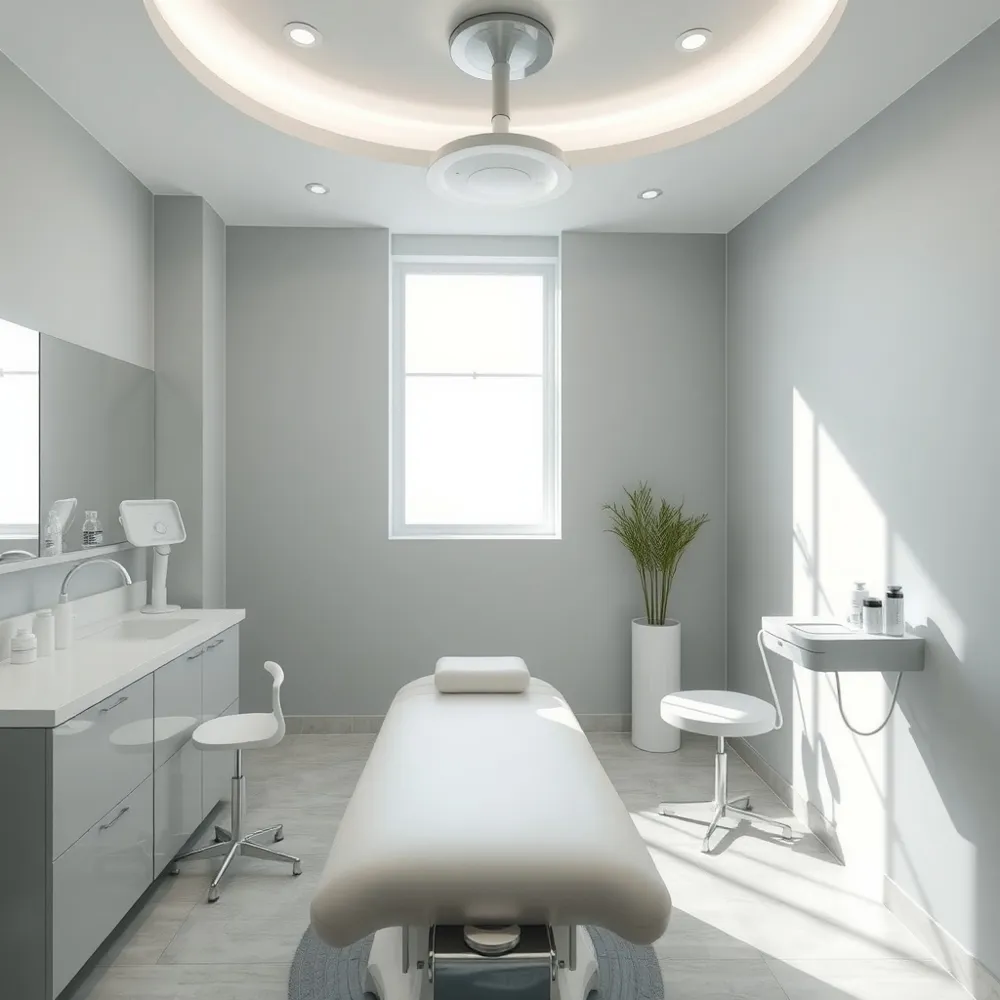 Dermatologists frequently recommend the HydraFacial as a highly effective, versatile treatment suitable for all skin types and tones. By performing a three-step process of cleansing, extracting, and hydrating, the procedure clears congestion while simultaneously infusing the skin with nourishing antioxidants, peptides, and hyaluronic acid. It is specifically favored for its ability to address diverse concerns such as fine lines, hyperpigmentation, uneven skin tone, and acne without the need for invasive techniques or harsh chemicals.
At otsdermatology.com, we utilize advanced Vortex-Fusion technology to ensure these serums penetrate deeply, providing a superior level of care compared to standard manual facials. Because the treatment is non-irritating and requires no downtime, patients can immediately return to their daily routines with a refreshed, dewy glow. Furthermore, the ability to personalize each session with specialized booster serums ensures that every patient receives a tailored approach to their unique skin health goals.
What are the potential risks or contraindications of a HydraFacial?
The HydraFacial is generally regarded as a safe, non-invasive procedure, but it is not suitable for everyone. Individuals with active rashes, open wounds, severe acne, or skin infections should avoid this treatment to prevent further irritation or spread of bacteria. Those with specific allergies to treatment ingredients, such as salicylic or glycolic acid, must disclose these sensitivities during their consultation to ensure a safe experience.
While temporary redness or minor bruising can occasionally occur, these side effects typically resolve within a few hours. To ensure the best outcome and prioritize your skin health, a personalized assessment with our skilled healthcare providers at otsdermatology.com is essential to confirm that this protocol is the right choice for your specific skin needs.
Clinical Applications and Mechanisms of Microneedling
 Microneedling is a minimally invasive procedure that uses thin, sterile needles to create controlled micro-injuries, which effectively stimulate the body’s natural production of collagen and elastin to firm and rejuvenate the skin. At otsdermatology.com, we often prioritize this form of collagen induction therapy for patients seeking significant structural repair.
What are the common benefits and clinical applications of microneedling?
Clinically, this approach is widely used to improve the appearance of acne scars, fine lines, wrinkles, enlarged pores, and uneven skin tone or texture. Beyond common cosmetic facial rejuvenation, the treatment can be applied to other areas of the body to address stretch marks, loose skin, and burn scars. It also offers specialized medical applications, including support for hair loss treatments like alopecia areata and the management of hyperhidrosis. Because results are cumulative, healthcare providers often recommend a series of sessions tailored to your specific skin type and concerns.
Unlike certain heat, light, or laser-based rejuvenation procedures that may carry risks of post-inflammatory hyperpigmentation, microneedling is generally safer for a wider range of skin tones and complexities. The mechanical nature of microneedling maintains a strong safety profile. At otsdermatology.com, we evaluate each patient's individual skin type and clinical history to ensure that the chosen modality effectively bridges the gap between surface-level maintenance and long-term structural renewal.
Safety and Precautions for Professional Skin Procedures
What medical conditions might prevent me from getting professional skin treatments like microneedling?
While microneedling is an effective treatment for many, it is not suitable for everyone, and a thorough consultation with a qualified provider is essential to ensure your safety. Individuals with active skin infections, such as acne lesions or cold sores in the treatment area, must wait until these conditions are fully resolved to avoid spreading bacteria or delaying healing. Certain medical conditions, including autoimmune disorders, uncontrolled diabetes, or clotting disorders, may also act as contraindications due to their impact on the body’s natural inflammatory and healing responses. Patients at otsdermatology.com undergo a comprehensive medical history review to identify these risks. Those currently taking medications, such as blood thinners or certain systemic retinoids, should disclose this information, as these can increase risks of bruising or poor wound recovery. Your provider will evaluate your health during your appointment to determine if these treatments are the right, personalized choice for your skin.
Are at-home microneedling devices as effective as professional treatments, and what are the risks?
At-home microneedling devices cannot match the effectiveness of professional sessions because they lack clinical-grade precision and the ability to reach the necessary depths for significant collagen remodeling. While professional procedures at locations like otsdermatology.com utilize sanitized, medical-grade equipment in a controlled environment, at-home tools pose a substantially higher risk of infection, skin tearing, and improper handling. Using needles at home without proper training often leads to scarring, hyperpigmentation, and persistent irritation. Because the process involves penetrating the skin barrier, professional oversight and specialized training are vital for candidate selection and technique. For your safety and to achieve optimal, long-term results, we strongly advise against relying on DIY alternatives that lack the stringent quality standards found in a clinical setting.
Navigating Treatment Stacking and Recovery
Achieving comprehensive skincare results often involves alternating between different procedural modalities, yet understanding the recovery timelines of each is vital. A HydraFacial is widely recognized for its convenience, offering a zero-downtime refresh that is perfect for those needing an immediate glow before a special event. In contrast, microneedling functions as a more intensive, collagen-induction treatment. Because the latter creates microscopic channels in the skin to stimulate structural repair, it requires a short healing period. Patients typically experience mild redness, sensitivity, or light peeling for two to five days following a session, during which time the skin must be treated with gentle, non-irritating products and strictly protected from sun exposure.
Is it safe to perform a HydraFacial and microneedling on the same day?
While treatment stacking is a popular approach in medical aesthetics, combining a HydraFacial and microneedling on the same day is generally not recommended. Microneedling is an intensive treatment that creates controlled micro-injuries to stimulate collagen production, while a HydraFacial involves significant exfoliation and mechanical extraction. Performing these together on the same day can be overly aggressive and may compromise the skin barrier. To ensure optimal healing and patient safety, it is best to allow the skin proper recovery time between these two procedures. Patients are encouraged to schedule a consultation to build a phased, personalized treatment plan that aligns with their specific skin health goals.
Choosing the Right Strategy for Your Skin
Selecting the most effective aesthetic treatment begins with a clear understanding of your primary skin goals and your comfort with different intervention levels. While HydraFacial provides an immediate, dewy glow through surface-level exfoliation and hydration, procedures like Microneedling serve as a deeper structural intervention for long-term tissue repair.
How should I choose between a HydraFacial and microneedling for my specific skin concerns?
Choosing the right modality depends on whether you seek immediate surface rejuvenation or corrective skin remodeling. If your primary concerns are dullness, dehydration, or clogged pores with zero downtime, the HydraFacial approach provided at otsdermatology.com is a suitable option. Conversely, if you wish to improve acne scarring or significant texture irregularities, microneedling may be more effective as it stimulates collagen through controlled dermal micro-injuries. While microneedling typically involves a short recovery period, otsdermatology.com provides guidance to navigate these recovery expectations safely.
Professional dermatological assessment is essential to determine which path suits your unique skin type. To prepare for an initial consultation, bring a list of your current skincare products and be ready to discuss your history of breakouts or scarring. By evaluating your underlying skin health, our providers at otsdermatology.com can develop a treatment plan that aligns with your specific aesthetic objectives.
Commitment to Long-term Skin Health
Your path to radiant skin involves matching the right treatment to your specific goals, whether you prioritize the immediate, restorative glow of a HydraFacial or the deeper structural remodeling provided by microneedling. These modalities offer unique benefits that, when used together or in sequence, create a comprehensive approach to skin health.
Achieving consistent, high-quality results requires a personalized preventive dermatology plan managed by skilled professionals. Unlike generalized kits or unverified aesthetic providers, the team at otsdermatology.com performs rigorous skin assessments to determine the most effective sequence of treatments for your unique needs.
Maintaining deep skin health is an ongoing process. We invite you to book a consultation at otsdermatology.com to discuss how a tailored schedule of these advanced procedures can support your long-term aesthetic goals.