The Skin Showdown: Instant Glow vs. Long-Term Repair
Weighing Your Options for Renewed Skin
Choosing between a HydraFacial and microneedling often comes down to a single question: do you want a quick, visible radiance now, or deeper, longer-lasting structural changes over time? The HydraFacial offers immediate, no-downtime glow by deeply cleansing, exfoliating, and infusing the skin with hydrating serums. In contrast, microneedling creates controlled micro-injuries to stimulate collagen and elastin production, leading to firmer, smoother skin that improves over weeks.
A Guide to Your Best Choice
This article will help you understand each treatment’s strengths and how they might even work together in a personalized plan. For example, a HydraFacial can prepare the skin before microneedling, or soothe it afterward. Both advanced treatments are offered by skilled providers at On The Spot Dermatology in Glenview, Illinois. The right path depends on your skin concerns, timeline, and goals, but the commitment to personalized care ensures your unique needs are always the priority.
What Are They? A Quick Primer on Both Treatments
Question 1: What are HydraFacial and microneedling, and what are the benefits of combining them? (First part: define each separately).
What Are the Steps of a HydraFacial?
A HydraFacial is a non-invasive, multi-step treatment that uses advanced vortex-fusion technology. This patented process simultaneously cleanses, exfoliates, extracts impurities, and infuses the skin with nourishing serums.
The treatment typically follows five key steps:
- Cleanse & Exfoliate: Dead skin cells are gently lifted away, revealing a smoother surface.
- Mild Acid Peel: A gentle glycolic and salicylic acid solution loosens debris and unclogs pores.
- Vortex Extraction: A painless suction device removes dirt and oil from pores without harsh squeezing.
- Serum Infusion: The skin is saturated with hydrating serums, such as hyaluronic acid and antioxidants.
- Protection: A final layer of peptides and antioxidants seals in moisture and protects the skin.
This process addresses superficial concerns like dryness, dullness, and enlarged pores, providing an immediate glow with no downtime.
What Is Microneedling?
microneedling, or collagen induction therapy, is a minimally invasive procedure. It uses a device equipped with fine, sterile needles to create controlled micro‑injuries in the skin's dermis.
This deliberate damage triggers the body's natural wound-healing response, stimulating a significant increase in collagen and elastin production. These proteins are the building blocks of firm, youthful skin.
Unlike the surface-level focus of a HydraFacial, microneedling targets deeper structural issues. It is particularly effective for improving the appearance of acne scars, reducing fine lines and wrinkles, and refining overall skin texture. Results develop gradually over several weeks as the skin remodels itself. While it involves a short recovery period of 1‑3 days of redness, it offers more profound and longer-lasting benefits. These treatments are safe for all skin types and can be effectively combined in a personalized plan. A HydraFacial can be performed after microneedling once the skin has fully healed to rehydrate and soothe the skin, maximizing both immediate and long-term results.
| Treatment | Approach | Primary Targets | Results Timeline | Downtime |
|---|---|---|---|---|
| HydraFacial | Non-invasive, vortex-fusion technology | Surface concerns: dryness, dullness, clogged pores, fine lines | Immediate glow; temporary results last 1‑2 weeks | None |
| Microneedling | Minimally invasive, controlled micro‑injuries | Deeper issues: acne scars, wrinkles, texture, firmness | Gradual improvement over weeks; long-lasting results | 1‑3 days of redness |
Side-by-Side: Key Differences in Mechanism, Downtime, and Cost
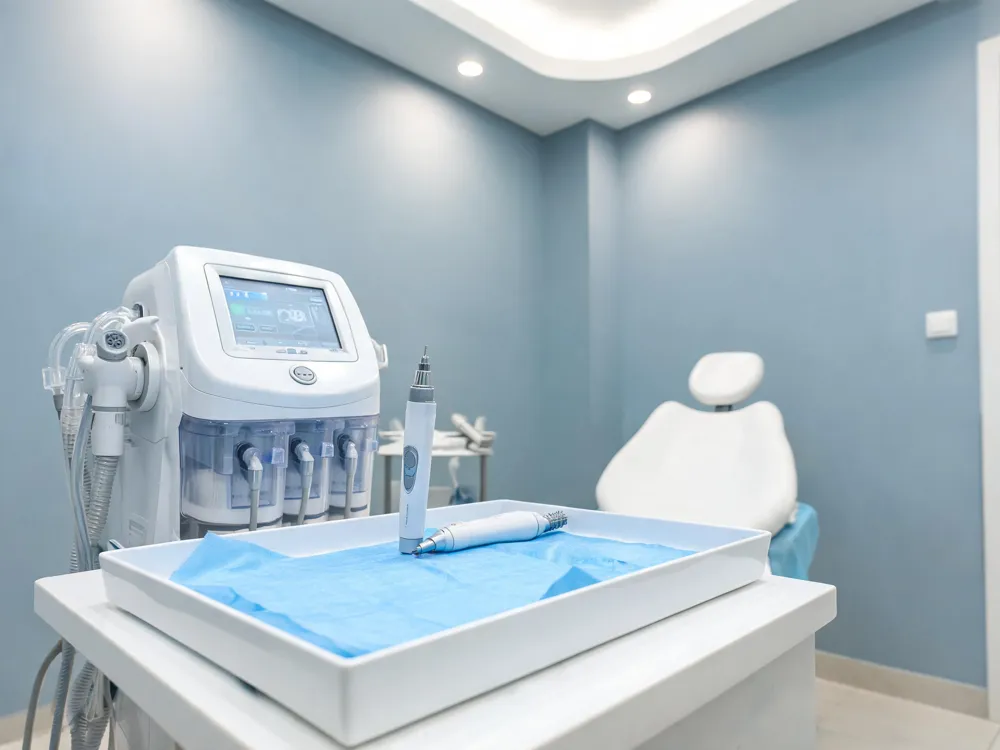 HydraFacial and microneedling differ fundamentally in how they treat the skin. A HydraFacial uses patented hydradermabrasion, a vortex‑fusion wand that simultaneously exfoliates, extracts impurities, and infuses antioxidant‑rich serums; the procedure is needle‑free, painless, and leaves no downtime. Microneedling, by contrast, employs a motorized pen (e.g., SkinPen®) to create thousands of micro‑channels in the dermis, triggering a controlled wound‑healing response that boosts collagen and elastin production; patients typically experience 1–3 days of redness, mild peeling, and a brief recovery period.
Cost-wise, a HydraFacial averages $175–$300 per session, while microneedling ranges from $300–$600, especially when advanced devices or PRP are added. Clinical evidence supports these distinctions: a split‑face study showed a 52 % reduction in Goodman & Baron acne‑scar scores after three monthly microneedling sessions versus a 24 % improvement after three HydraFacials. A NIH‑backed review reported 45–80 % scar reduction over 3–6 microneedling sessions compared with 20–35 % superficial improvement from a single HydraFacial. Patient‑reported pain scores further illustrate the contrast—0.5/10 for HydraFacial versus 2.3/10 for microneedling—highlighting the comfort of the former and the deeper, more invasive nature of the latter.
Recovery and Results: What to Expect After Each Treatment
Question 5: What are the benefits and side effects of microneedling?
Microneedling offers significant benefits by stimulating collagen and elastin production. This leads to improved skin texture, a reduction in the appearance of acne scars, fine lines, and wrinkles, and firmer, more even‑toned skin. As a minimally invasive procedure, it preserves surrounding healthy tissue, promoting quicker recovery compared to more aggressive treatments.
Common side effects are mild and temporary. Patients typically experience redness, swelling, and minor skin flaking that resolve within a few days. Less common effects can include pinpoint bleeding, bruising, itching, or a feeling of tightness. There is a rare risk of infection or hyperpigmentation, which is minimized by proper aftercare.
Question 9: How long does it take to recover from microneedling?
Recovery from microneedling is generally short. The skin often appears red and feels sensitive for 1–2 days, similar to a mild sunburn. This is followed by a few days of minor flaking or a "bronzed" appearance as the outermost layer heals. Most patients can resume normal activities within 24–48 hours.
Full clinical improvement, driven by ongoing collagen remodeling, develops gradually over several weeks. To achieve optimal, long‑lasting results, a series of 3 to 6 sessions spaced 4 to 6 weeks apart is typically recommended.
Comparing Recovery and Side Effects
| Treatment | Side Effects | Recovery Time | Results Timeline |
|---|---|---|---|
| Microneedling | Redness, swelling, minor flaking; rare infection/hyperpigmentation. | 1–3 days of visible recovery; full healing in about a week. | Gradual improvement over weeks; optimal results after a series of sessions. |
| HydraFacial | Mild temporary redness or tightness; serious side effects very rare. | No downtime; can apply makeup and return to activities immediately. | Immediate visible results; lasts 5–7 days; requires monthly sessions for maintenance. |
Which One Should You Choose? A Guide by Skin Concern
Which treatment is better for my skin: HydraFacial or microneedling?
Choosing between HydraFacial and microneedling depends on your primary skin concerns, desired results, and tolerance for recovery time. Both treatments are safe and effective, but they work through different mechanisms and offer distinct benefits.
HydraFacial is best for immediate, surface-level improvement. It combines exfoliation, extraction, and hydration with no downtime, making it an excellent choice for:
- Instant glow and hydration: Ideal before a special event or for a quick skin refresh.
- Blackheads and congested pores: The gentle suction deeply cleanses pores without irritation.
- Sensitive or reactive skin: The treatment is soothing and well-tolerated, even for conditions like mild rosacea.
- Dryness and dullness: It delivers a powerful dose of hydration and antioxidants.
Microneedling is better for deeper, structural skin concerns. By stimulating collagen and elastin production, it provides longer-lasting results, making it ideal for:
- Acne scars and uneven texture: It effectively reduces the appearance of depressed scars over a series of sessions.
- Fine lines and wrinkles: It helps plump the skin from within, smoothing out deeper lines.
- Enlarged pores: Collagen production can help tighten pores over time.
- Loss of firmness and elasticity: This is particularly beneficial for mature skin, as it boosts collagen to counteract natural age-related decline.
Suitability for Mature Skin
For patients over 40, microneedling is an excellent choice to address loss of elasticity, wrinkles, and overall skin laxity. By stimulating new collagen, it helps restore a firmer, more youthful appearance. HydraFacial can complement this by providing immediate hydration and a radiant glow, but it does not stimulate deep collagen remodeling.
Key Contraindications
- HydraFacial is gentle enough for sensitive and rosacea-prone skin, making it a safe option for those who react to more aggressive treatments.
- Microneedling is not recommended for active acne, eczema flare-ups, or open wounds, as it can aggravate inflammation. A consultation with a dermatologist is essential to determine if your skin is a suitable candidate.
To help clarify the decision, the table below summarises the best uses for each treatment based on common skin concerns.
| Skin Concern | HydraFacial | Microneedling |
|---|---|---|
| Instant glow & hydration | Excellent | Not primary use |
| Blackheads & congestion | Excellent | Surface improvement over time |
| Sensitive skin & rosacea | Gentle & soothing | Not recommended for active flare-ups |
| Fine lines & wrinkles | Temporary softening | Long-lasting reduction |
| Acne scars | Surface-level only | Effective for deep scars |
| Loss of firmness (mature skin) | Hydration boost | Strong collagen stimulation |
The Power of Pairing: Can You Combine Them? And How?
Yes, these treatments can be strategically combined to address skin concerns from multiple angles. The synergy between them can enhance overall results by tackling both surface-level and deep structural issues.
What are the benefits of combining HydraFacial and microneedling?
Combining a HydraFacial with microneedling offers comprehensive rejuvenation. The HydraFacial works on the skin's surface for immediate hydration, glow, and pore cleansing, while microneedling stimulates collagen deep within the dermis for long-term firmness and texture improvement. Together, they can more effectively reduce fine lines, minimize pore size, improve skin tone, and enhance elasticity and radiance, providing results from both inside and outside the skin.
Can I do a HydraFacial before or after microneedling?
Yes, timing is key. A HydraFacial can be performed a few days before microneedling to deeply cleanse, exfoliate, and hydrate the skin. This prepares the skin, removing barriers and enhancing the absorption of serums used during the subsequent microneedling session.
After microneedling, it's crucial to let the skin's micro-channels heal. You should wait at least 1–2 weeks for full recovery before having another HydraFacial. At that point, a HydraFacial can help soothe the skin and boost hydration, sealing in the benefits of the collagen‑induction therapy.
Special Considerations: Hair Loss, Lymphatic Drainage, and RF Microneedling

Q12: Does Microneedling Help with Lymphatic Drainage?
Microneedling creates micro-injuries that stimulate the skin's lymphatic system, which can help reduce puffiness and promote detoxification. This indirect effect supports a more sculpted and less congested complexion.
Q13: Can Microneedling Help with Hair Loss?
Yes, microneedling is a promising treatment for androgenetic alopecia. The controlled micro-injuries increase blood flow and stimulate growth factors in the scalp. For best results, it is often combined with minoxidil. Professional, in-office treatments are recommended over at-home devices.
Q14: Why Do Some Surgeons Have Concerns About RF Microneedling?
Radiofrequency (RF) microneedling combines traditional microneedling with heat delivered to deeper skin layers. While effective for tightening, plastic surgeons caution that if not performed carefully, the heat can injure deeper tissues like fat or nerves.
Brief Mention: HydraFacial Add-Ons
HydraFacial treatments can be enhanced with LED light therapy (Red for anti-aging, Blue for acne) and lymphatic drainage add-ons. These options boost detoxification and complement the treatment's immediate brightening effects. | Concern | HydraFacial | Microneedling | |---|---|---| | Lymphatic Drainage | Yes, via add-on | Indirectly, through micro-injury | | Hair Loss Treatment | No | Yes, stimulates blood flow & growth factors | | RF Microneedling Risk | N/A | Potential fat/nerve injury if not careful |
Making Your Decision: The Bottom Line from On The Spot Dermatology
Question 8: How do HydraFacial and microdermabrasion compare?
HydraFacial and microdermabrasion are both exfoliating treatments, but they differ significantly in approach and gentleness.
HydraFacial uses a patented vortex-fusion system. This technology simultaneously exfoliates, extracts impurities, and infuses the skin with hydrating serums. The process is gentle and non-irritating, making it an excellent choice for sensitive or dehydrated skin.
Traditional microdermabrasion, on the other hand, typically uses a spray of fine crystals or a diamond-tipped wand to physically abrade the skin's surface. This method provides deeper exfoliation but can sometimes cause redness, irritation, or a stinging sensation. For patients seeking intense exfoliation, microdermabrasion may be an option, but HydraFacial is often preferred for those with delicate skin or a primary need for hydration and a radiant glow.
Let Your Primary Skin Goal Guide You
Ultimately, the best choice between HydraFacial and microneedling depends on your main objective.
| Treatment | Primary Goal | Best For | Downtime | Results Timeline |
|---|---|---|---|---|
| HydraFacial | Instant Radiance & Hydration | Quick glow, pre-event prep, sensitive skin, surface concerns (dullness, congestion) | None | Immediate, lasts 1-2 weeks |
| Microneedling | Deep, Lasting Correction | Acne scars, deep wrinkles, significant texture improvement | 1-3 days (redness) | Gradual, develops over months |
Book Your Personalized Consultation
The expert team at On The Spot Dermatology will perform a thorough skin assessment to understand your unique concerns and goals. They can then recommend the ideal treatment—or a properly sequenced combination of both—to help you achieve your best skin yet.
Contact us today to schedule your consultation and begin your personalized path to healthier, more radiant skin.
Your Personalized Path to Better Skin
Choosing Between HydraFacial and Microneedling
The right treatment for you depends entirely on your individual goals, timeline, and skin condition. If you need instant hydration and a radiant glow with zero downtime, a HydraFacial is an excellent choice. If your primary concern is deeper texture improvements, such as reducing acne scars or softening fine lines, microneedling offers more transformative, long-lasting results.
Expert Guidance at On The Spot Dermatology
At On The Spot Dermatology in Glenview, IL, our team provides expert consultations to design a fully personalized skin plan. Many patients find that a combination of both treatments, properly sequenced, delivers the most comprehensive benefits—surface-level radiance alongside deeper structural remodeling.
Your Next Step
Schedule a consultation today to determine your ideal starting point. Whether you begin with a HydraFacial for an instant refresh or microneedling for long-term rejuvenation, we will help you achieve your best skin.