Sleep and Skin Health
Could restless nights affect acne or skin inflammation? Research suggests sleep and acne may influence each other: skin concerns and related distress can disrupt sleep, while poor-quality sleep may be associated with worse acne.
A review of 18 studies found evidence of this relationship, but differences among the studies limit firm conclusions. Researchers have proposed that sleep loss may affect stress hormones and inflammatory signals, yet the findings show possible pathways, not proof that poor sleep alone causes breakouts. The review of sleep disturbances and acne also notes that acne-related distress can make restful sleep harder.
Sleep is one part of overall skin health, not a replacement for acne treatment. At On The Spot Dermatology in Glenview, care is personalized to each patient’s skin concerns. A provider can assess persistent or worsening acne and consider appropriate treatment alongside supportive habits, including a consistent sleep routine.
How Acne Develops and Stress Fits In
Acne begins when hair follicles become clogged with sebum, the skin’s natural oil, and dead skin cells. The blockage can form whiteheads or blackheads; when inflammation develops, it may lead to red pimples and other inflamed lesions. Acne is not a sign of unclean skin, and scrubbing harder can irritate affected areas rather than clear them.
Hormonal changes, family history, and some medicines can also contribute to acne. Stress is another commonly reported aggravator, but it is one factor among several, not a complete explanation for a breakout. A review describes possible links between stress-related cortisol and other signaling changes, inflammation, and oil production, while cautioning that the evidence does not prove stress directly causes acne (research review).
Picking, squeezing, or harsh scrubbing can worsen irritation and raise the risk of infection or scarring, so gentle care is preferable (Mayo Clinic acne guidance). For an overview of how stress may interact with skin health, see how acne develops and stress fits in. If breakouts persist or worsen, On The Spot Dermatology in Glenview offers personalized dermatology care to assess possible contributors and discuss an appropriate treatment plan.
What Research Says About Sleep and Acne
 Research points to a possible two-way relationship: acne can coincide with disrupted sleep, and poor-quality sleep may be linked with worse acne. A systematic review covering 18 studies and more than 4,498 people with acne reported this pattern, while cautioning that the findings do not show that sleep problems directly cause breakouts. The review of sleep disturbances and acne also describes how acne-related stress, anxiety, and low mood may make restful sleep harder.
One small study of 40 adults found that lower self-reported sleep ratings were associated with greater acne severity measured by clinicians. However, the researchers did not find a statistically significant association between scores on the Pittsburgh Sleep Quality Index and objective acne severity. The results suggest a relationship worth studying, not proof that changing sleep will treat acne. The adult study was limited by its small sample and reliance on reported sleep.
The evidence is difficult to compare because studies used different designs, populations, and ways to measure sleep and acne. For patients, sleep quality can be useful context when discussing breakouts, stress, and overall health, but it should not replace an assessment of acne type and severity. At On The Spot Dermatology, care is personalized to each patient’s skin health and concerns, allowing sleep-related observations to be considered alongside other factors without treating them as a diagnosis.
Possible Effects on Inflammation and Skin
Sleep disruption may affect skin through changes in stress and neuroendocrine signaling. A review of research on sleep and acne describes possible increases in cortisol, inflammatory cytokines, and substance P, a neuropeptide involved in pain signaling and skin inflammation. These pathways offer plausible explanations for how poor sleep could interact with acne, but they do not establish that sleep loss causes breakouts. The review of sleep disturbances and acne emphasizes that the evidence remains suggestive.
Such changes may influence inflammation and sebum regulation, but oil is not simply harmful: sebum also helps protect the skin. Sleep disturbance has also been associated with greater transepidermal water loss, a measure of water passing through the skin, and impaired skin-barrier recovery. These findings point to possible effects on skin resilience, not proof that disrupted sleep causes acne.
Sleep supports immune and endocrine functions, yet general findings about those processes cannot be treated as evidence of a direct acne outcome. A review of sleep and skin disease describes possible effects on skin integrity while noting that acne-specific research is limited. The review in Clinical and Experimental Dermatology discusses the broader relationship, while On The Spot Dermatology’s personalized medical and cosmetic care in Glenview can address skin concerns in the context of an individual patient’s needs.
Sleep Schedules and Individual Breakouts
Sleep timing is shaped by the body’s circadian clock, which responds to light, and by sleep pressure, which builds the longer a person stays awake. Light exposure at night can suppress melatonin and increase wakefulness, making a regular schedule harder to maintain. Circadian rhythms and sleep pressure help explain why schedule changes may affect sleep, but they do not establish a particular bedtime for acne care.
Irregular sleep or circadian disruption could influence hormone rhythms and skin processes, including inflammation and barrier function. However, research has not established that changing sleep timing improves acne, or that sleep loss alone causes breakouts. Acne and related distress can also interfere with sleep. For practical ways to support a steady routine, see these sleep schedule habits.
The available evidence also does not show that poor sleep specifically causes cystic acne or breakouts in particular areas of the face. Sleep may be one factor associated with acne, but it cannot identify the cause or determine the right treatment for an individual.
Deep, painful, persistent, or scarring lesions deserve professional assessment rather than reliance on sleep changes alone. At On The Spot Dermatology in Glenview, Illinois, skilled providers offer personalized care for medical skin concerns. Consistent rest can support general health, while dermatologic evaluation helps guide care suited to the acne and the person.
Sleep Habits as Supportive Care
Steady sleep habits can support general health and well-being, but they should complement rather than replace acne care. Research has not established that changing sleep habits alone clears acne.
Most adults need seven to nine hours of sleep, though needs vary with age and individual circumstances. Quality matters as well as duration: refreshing sleep is generally uninterrupted, and waking tired despite enough time in bed can be a sign of poor sleep quality. The CDC’s sleep recommendations describe practical ways to support better rest.
Try keeping a regular bedtime and wake time, making the bedroom calm and quiet, and limiting screens and bright light before bed. Daytime physical activity and avoiding caffeine in the afternoon or evening may also help. These steps can support sleep, while gentle skin care and appropriate acne treatment address skin concerns directly.
At On The Spot Dermatology in Glenview, Illinois, care is personalized by skilled healthcare providers, so patients can discuss persistent or worsening breakouts in the context of their skin and concerns. Contact a healthcare provider as well if sleep problems continue, since ongoing difficulty falling or staying asleep may need evaluation.
A Gentle Routine for Acne-Prone Skin
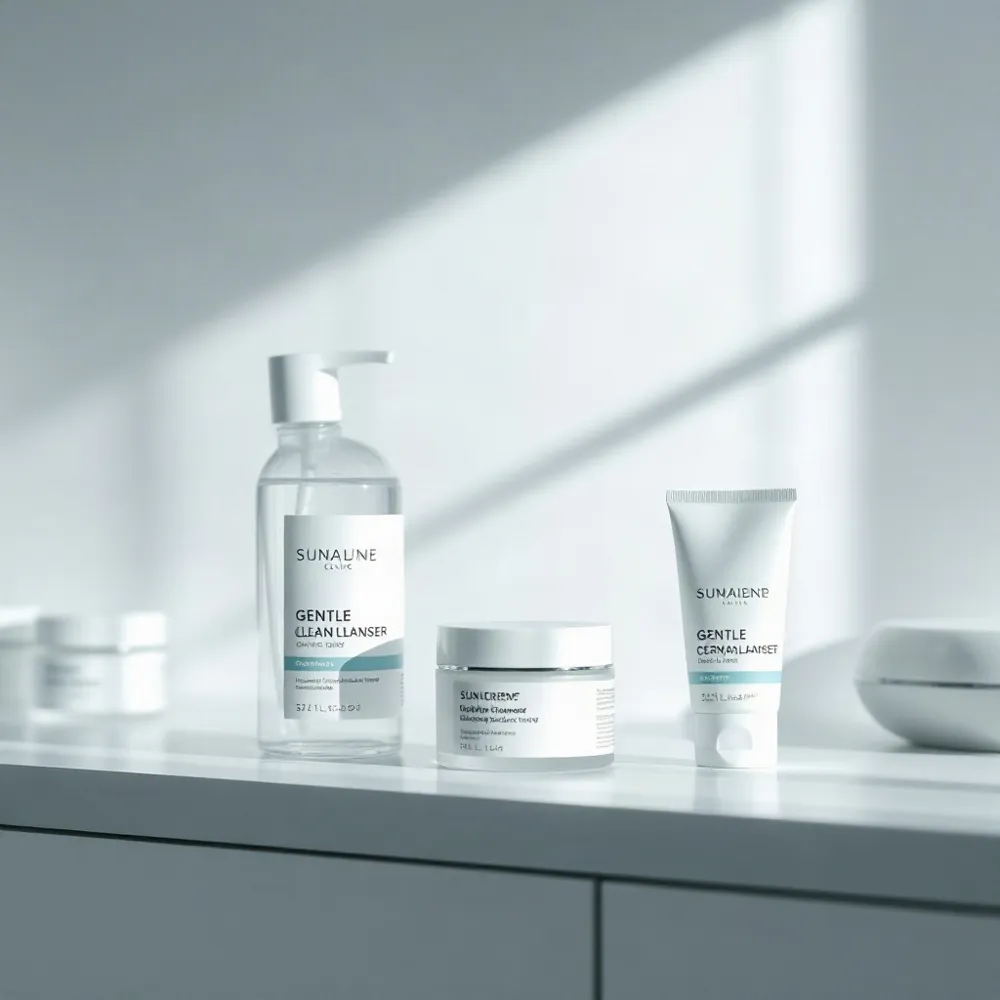 A consistent routine can support acne care while reducing avoidable irritation. Start with a mild cleanser, use an acne treatment suited to your skin, and apply a moisturizer. On days when you are outdoors, include sun protection as part of general skin care.
Washing more often or scrubbing harder is not a shortcut to clearer skin. Mayo Clinic recommends washing affected areas gently and avoiding excessive washing, scrubs, astringents, and masks, which can irritate acne-prone skin. For a simple routine and guidance on tailoring care, see gentle skin care for acne.
The right products depend on acne type and severity, skin sensitivity, prior reactions, and other individual circumstances. At On The Spot Dermatology in Glenview, providers offer personalized medical and cosmetic skin care, allowing recommendations to be considered in the context of a patient’s skin and concerns rather than relying on one routine for everyone.
Give treatment time to work and follow the plan consistently. Prescription acne treatments commonly take four to eight weeks to show results, and improvement may take longer; follow-up helps a clinician assess progress and adjust care when needed (Mayo Clinic acne treatment guidance. A routine can help manage acne, but it cannot guarantee clear skin. Persistent, painful, or scarring breakouts warrant professional assessment.
Personalized Treatment and When to Seek Care
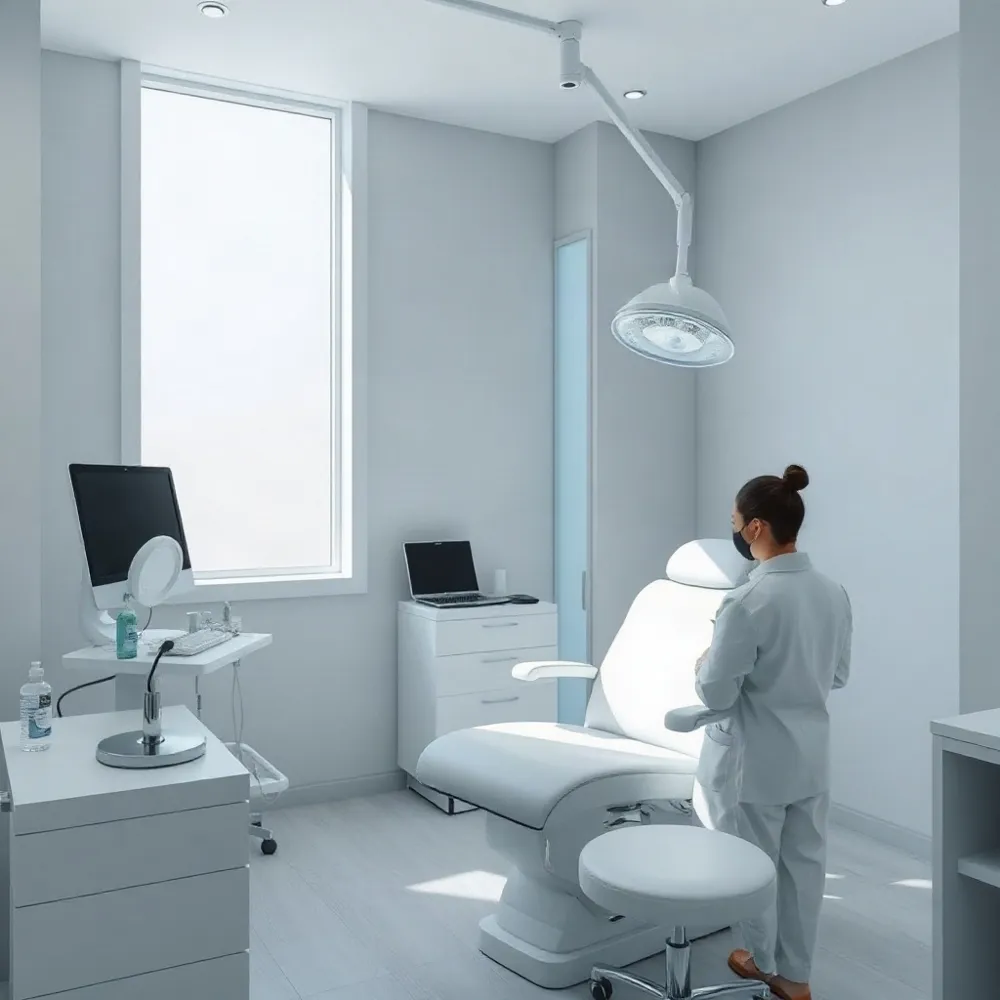 Acne can have several contributing factors, so treatment is selected according to the type and severity of breakouts, a person’s skin, and their medical history. Hormonal changes can affect oil production and contribute to acne in adulthood, but the location of lesions alone cannot confirm a hormonal cause.
A dermatologist may recommend topical retinoids, benzoyl peroxide, or other prescription medicines. Oral treatment may be appropriate in some cases. For certain patients, hormonal medicines such as some birth control pills may be considered after an individualized medical assessment. The plan should reflect likely benefits, possible risks, and personal circumstances.
Some acne medicines take several weeks to show results, so consistent use and follow-up matter. A clinician can explain how to use a treatment and what to expect, while a gentle skin-care routine can help limit avoidable irritation. On The Spot Dermatology provides personalized medical dermatology care in Glenview, Illinois, where treatment choices can be matched to a patient’s skin concerns and needs.
Seek professional care if acne persists despite self-care or over-the-counter products, or if it is painful, severe, or causing scars. Mayo Clinic’s acne treatment guidance recommends discussing treatment options with a clinician and following progress over time. Earlier assessment can help address active acne and reduce the risk of lasting marks.
Sleep research should be interpreted narrowly when considering procedures. One study linked sleep-quality scores with outcomes after fractional CO2 laser treatment for atrophic acne scars, but that finding does not show that sleep affects every acne treatment or predict an individual result. A dermatologist can discuss whether a scar procedure is suitable alongside other care.
A Whole-Person Approach
Sleep quality belongs in the broader discussion of acne because sleep, stress, and skin health may interact. Current research suggests associations, but does not show that sleep loss directly causes acne or that better sleep alone will clear it.
When breakouts persist, healthy sleep habits can support well-being, while dermatologic evaluation helps guide treatment. On The Spot Dermatology offers personalized medical and cosmetic skin care, with options based on a patient's concerns and skin needs.