Why Nighttime Care Matters
Skin shifts from daytime defense toward repair and renewal during sleep. Evening care offers a chance to wash away sunscreen, makeup, and daily buildup, then apply suitable treatments and moisturizer. A simple cleanse, treat, and hydrate approach is a practical starting point, not a requirement to use many products. Dermatologists interviewed by Vogue describe this as the basis of a nighttime routine.
Hydration matters because skin can lose more water overnight. Ingredients such as ceramides and hyaluronic acid may help support moisture and the skin barrier, though the right formula depends on your needs. At On The Spot Dermatology in Glenview, care is tailored to individual skin health and concerns, rather than a single regimen for everyone.
Nighttime products do not replace adequate sleep, daytime sun protection, or professional care. If skin is persistently irritated or you are unsure which treatments fit your needs, a dermatologist can help guide your choices.
Build a Simple Evening Routine
 A useful evening routine does not need many steps. Start with three: cleanse, treat, and moisturize. This structure gives you a practical way to remove daily buildup, address a specific concern, and support the skin barrier. For a broader guide to the core steps of a balanced skincare routine, keep the products suited to your skin and easy to use consistently.
Cleanse gently to remove sunscreen, makeup, oil, sweat, and other residue without leaving skin tight or stripped. A single gentle cleanse is enough for many people. If you have worn heavy makeup or very water-resistant sunscreen, an oil-based first cleanse followed by a gentle face wash may help remove residue. Dermatologists commonly describe the evening routine as cleanse, treat, and hydrate, while noting that extra steps are optional (Vogue’s expert routine).
After cleansing, apply one treatment that fits your concern, such as a retinoid or exfoliating acid, and follow the product directions. The right choice and frequency depend on your skin’s needs and tolerance; adding several active ingredients at once can irritate skin. Finish with moisturizer to support the barrier and limit overnight moisture loss.
Consistency matters more than adding toners, oils, masks, or devices. If you are unsure what your skin can tolerate, On The Spot Dermatology offers personalized care from healthcare providers at its Glenview practice. A dermatologist can help tailor product choices, especially if you have sensitive skin or a skin condition.
Choose Hydration and Repair Ingredients
Skin can lose more water overnight through transepidermal water loss, so hydration and barrier support are useful parts of evening care. Moisturizers and serums with ingredients such as ceramides, glycerin, and hyaluronic acid can help the skin retain moisture. Learn more about hydration and barrier-supporting ingredients.
Choose texture to match your skin and preferences. A richer cream may feel comfortable on dry skin, while a lighter lotion or serum may suit someone who prefers less weight. The Northwestern Medicine guide to dermatologist-recommended ingredients discusses options including ceramides, hyaluronic acid, and glycerin.
Adapt Products to Your Skin
 A nighttime routine should fit how your skin feels and responds, not follow a fixed product list. Start with a gentle cleanser that removes makeup, sunscreen, oil, and daily buildup without leaving skin tight. On The Spot Dermatology provides personalized medical and cosmetic dermatology care in Glenview, Illinois, where product choices can be discussed in the context of individual skin needs.
For dry or sensitive skin, look for fragrance-free, hydrating formulas and finish with a richer moisturizer to help support the skin barrier. If your skin is oily or acne-prone, a lightweight, non-comedogenic moisturizer may feel more comfortable; a dermatologist can help determine whether an acne treatment is appropriate. Moisturizer remains useful even when skin produces more oil, while the texture and ingredients can vary by person. Northwestern Medicine’s review of dermatologist-recommended skin-care ingredients discusses options such as ceramides and hyaluronic acid for dryness, and acne treatments suited to particular concerns.
Combination skin may need different textures or amounts in different areas. Apply a richer cream where skin feels dry and a lighter layer over oilier zones rather than treating the whole face identically. This kind of adjustment is consistent with the personalized approach offered at On The Spot Dermatology, rather than assuming one formula works equally well everywhere.
For concerns such as clogged pores, uneven tone, or fine lines, introduce one targeted ingredient at a time and give your skin a chance to show how it responds. Adding several new products together can make irritation harder to trace. If burning, persistent redness, or peeling develops, pause the suspected product and seek individualized dermatology guidance. A clinician at On The Spot Dermatology can help assess which products suit your skin and how to adjust their use.
Use Retinoids Gradually and Carefully
Use Retinoids Gradually and Carefully:
Retinol is an over-the-counter vitamin A derivative, while retinoids refers to the broader group of topical vitamin A treatments. By supporting skin-cell turnover and collagen production, they may help unclog pores and improve acne, uneven texture, fine lines, and the appearance of sun-related changes over time. The appropriate product and schedule depend on your skin and its tolerance. A dermatologist at On The Spot Dermatology can help tailor treatment as part of personalized medical or cosmetic skin care.
To begin, apply retinoid to clean, completely dry skin in a thin layer, using about a pea-sized amount for the face. Avoid the eyes, corners of the nose, and lips. Start two or three nights a week, or follow the product label or a clinician’s directions, and increase frequency only if your skin tolerates it. Cleveland Clinic also advises introducing retinol gradually and using moisturizer to help manage dryness (retinol use and precautions).
Dryness, redness, peeling, stinging, or a temporary acne flare can occur as skin adjusts. A gentle moisturizer may ease dryness. If irritation is severe or does not settle, reduce use or pause the product and seek professional advice rather than pushing through. People who are pregnant or trying to conceive should consult a healthcare provider before using retinoids, since these treatments may not be appropriate.
Retinoids can increase sensitivity to sunlight, so use broad-spectrum sunscreen each morning and take other sun-protective measures. On The Spot Dermatology’s patient guidance emphasizes a foundational routine of gentle cleansing, hydration, and daily broad-spectrum sunscreen with SPF 30 or higher, which can complement a carefully introduced nighttime treatment.
Avoid Overlapping Strong Actives
Pairing retinol with other potentially irritating treatments may cause dryness, redness, peeling, or stinging for some people. Use caution with exfoliating acids such as glycolic, lactic, and salicylic acid, as well as benzoyl peroxide. Strong vitamin C products and physical scrubs may also irritate skin when used alongside retinol, though these ingredients are not universally incompatible.
Rather than layering several strong products in one routine, consider using them on different days. The Cleveland Clinic’s retinol guidance notes that combining retinol with other active treatments can increase irritation, and describes alternating exfoliating acids and retinol as an option. A dermatologist can help tailor a schedule to your skin and the products you use. On The Spot Dermatology offers personalized medical and cosmetic dermatology care in Glenview, Illinois, where treatment choices can be discussed with a healthcare provider.
Avoid using multiple retinoid products at the same time, and follow the directions for any prescription treatment. A moisturizer containing ceramides or hyaluronic acid may help support hydration and comfort. Continue using daytime sunscreen while using retinol, since it can increase susceptibility to sunburn. If irritation persists or becomes pronounced, pause the products causing discomfort and seek professional advice.
Protect Skin the Morning After
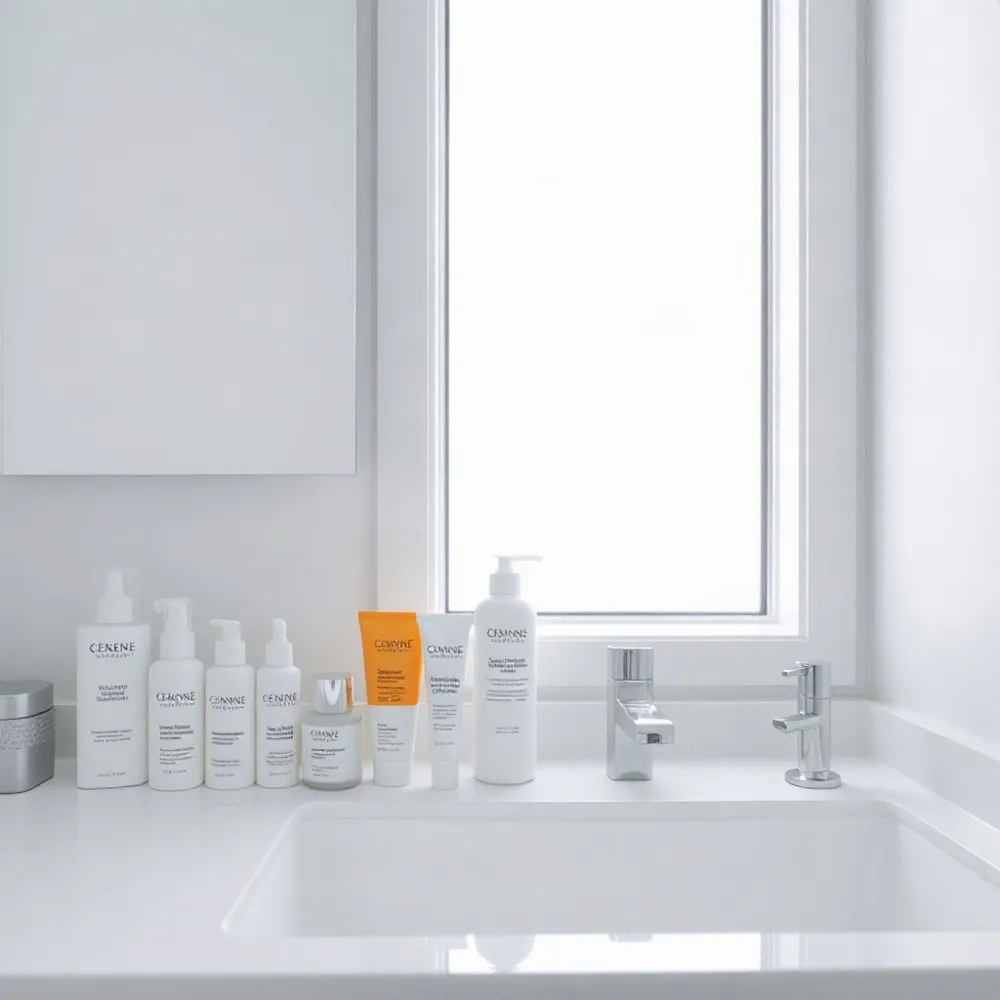 After applying retinol at night, keep the morning routine gentle: cleanse without scrubbing, apply moisturizer, then finish with broad-spectrum sunscreen. Retinol can increase susceptibility to sunburn, so Cleveland Clinic’s guidance on retinol recommends sun protection while using it.
Choose sunscreen with SPF 30 or higher and apply it to exposed skin. Retinol does not replace protection from ultraviolet exposure, and consistent sunscreen use is an important part of caring for skin during retinoid use. For more on building a daytime sequence, see this guide to morning skincare steps.
Keep other strong active ingredients out of the morning routine until you know how your skin responds. If it feels dry or sensitive, use mild products and focus on hydration rather than adding more treatments. At On The Spot Dermatology, personalized care from healthcare providers can help guide product choices around individual skin needs.
If redness, peeling, burning, or persistent irritation develops, reduce retinol use or pause it and ask a dermatology provider for advice. The right schedule depends on your skin’s tolerance, and a provider can help determine whether to adjust frequency or choose another approach.
Let Sleep Support Skin Health
Sleep gives skin time to carry out normal repair processes, including renewal and responses to daily environmental stressors. A nighttime routine can support skin during this period, but it cannot replace the body’s own processes or the benefits of adequate rest.
Research has associated poor sleep with visible changes such as fine lines, uneven pigmentation, reduced elasticity, and greater moisture loss. One reported study found that people who slept well recovered more quickly from skin-barrier disruption and sun exposure than people with poor sleep quality. These findings describe associations, not a promise that sleep prevents or reverses aging.
The practical takeaway is to treat sleep as one part of a broader skin-health approach. Consistent rest, daily sun protection, and regular moisturizing each support skin in different ways. On The Spot Dermatology offers personalized medical and cosmetic dermatology care in Glenview, where providers can help patients consider skin concerns alongside their routines and care needs.
For additional guidance on how rest fits into an evening routine, see how nighttime care can support skin health. Dermatologists also describe a straightforward evening routine as a practical way to cleanse, treat individual concerns, and hydrate without adding unnecessary steps (expert guidance on nightly skincare.
Keep Cleansing Gentle and Brief
The 4-2-4 skin care rule describes a cleansing sequence: massage an oil-based cleanser into dry skin for four minutes, follow with a water-based cleanser for two minutes, then rinse for four minutes. An oil cleanser may help dissolve makeup and sunscreen, and double cleansing can be useful when these products are difficult to remove with one gentle wash.
Those specific timings, however, are not established as necessary for healthier skin or as a way to “detoxify” pores. A prolonged cleanse or repeated rubbing may dry or irritate skin, particularly if it is sensitive, rosacea-prone, or already inflamed. Cleansing should leave skin comfortable, not tight or raw.
If you have acne-prone skin, choose products labeled noncomedogenic. Stinging, redness, or tightness are signs to stop, rinse, or shorten the routine rather than pushing through discomfort. For many people, one brief, gentle cleanse is enough when makeup or water-resistant sunscreen does not call for a first cleansing step.
Follow cleansing with a moisturizer suited to your skin, and use daytime sunscreen to protect against UV exposure. A simple routine can be a sensible starting point; persistent irritation or specific concerns may benefit from individualized guidance from a dermatologist. On The Spot Dermatology provides medical and cosmetic dermatology care in Glenview, Illinois, where skin health and treatment choices can be considered in light of a patient’s needs.
Consistency Over Complexity
A dependable evening routine can stay simple: cleanse gently, use only treatments suited to your skin, and moisturize. Dermatologists also recommend tailoring nighttime care to individual needs rather than adding steps by default (Prevention).
Adjust products or frequency if your skin becomes irritated. For persistent discomfort, a diagnosed skin condition, or questions about active ingredients, seek personalized advice from a dermatology professional. At On The Spot Dermatology in Glenview, care is guided by skilled providers and tailored to individual skin health and aesthetic needs.