
The Evolution of Skincare Through Life Stages
Your skin is a dynamic organ that shifts over time due to hormonal fluctuations, environmental exposures, and chronological aging. Relying on a static, one-size-fits-all routine often fails to address these evolving requirements, leaving many individuals frustrated when their products stop delivering visible benefits. At otsdermatology.com, we emphasize that adapting your regimen involves more than just changing brands, but instead requires a thoughtful assessment of your current skin health and climate needs.
Commonly marketed retail products are designed for general use, while professional care provides the precision necessary for long-term health. When over-the-counter options fail to produce results, otsdermatology.com bridges the gap by offering personalized evaluations that align active ingredients with your unique life stage. Whether you are addressing adolescent acne or the structural changes associated with menopause, such as reduced estrogen and skin thinning per Henry Ford Health, professional guidance ensures your routine remains safe and effective.
Frequent reassessment is essential, as skin needs fluctuate with age and lifestyle shifts. Periodic consultations with a board-certified professional allow you to adjust your approach, preventing damage from improper product layerings or ineffective concentrations. Through the tailored programs at otsdermatology.com, patients receive clinical oversight that protects their skin barrier while optimizing rejuvenation efforts.
Structuring an Effective Daily Skincare Routine
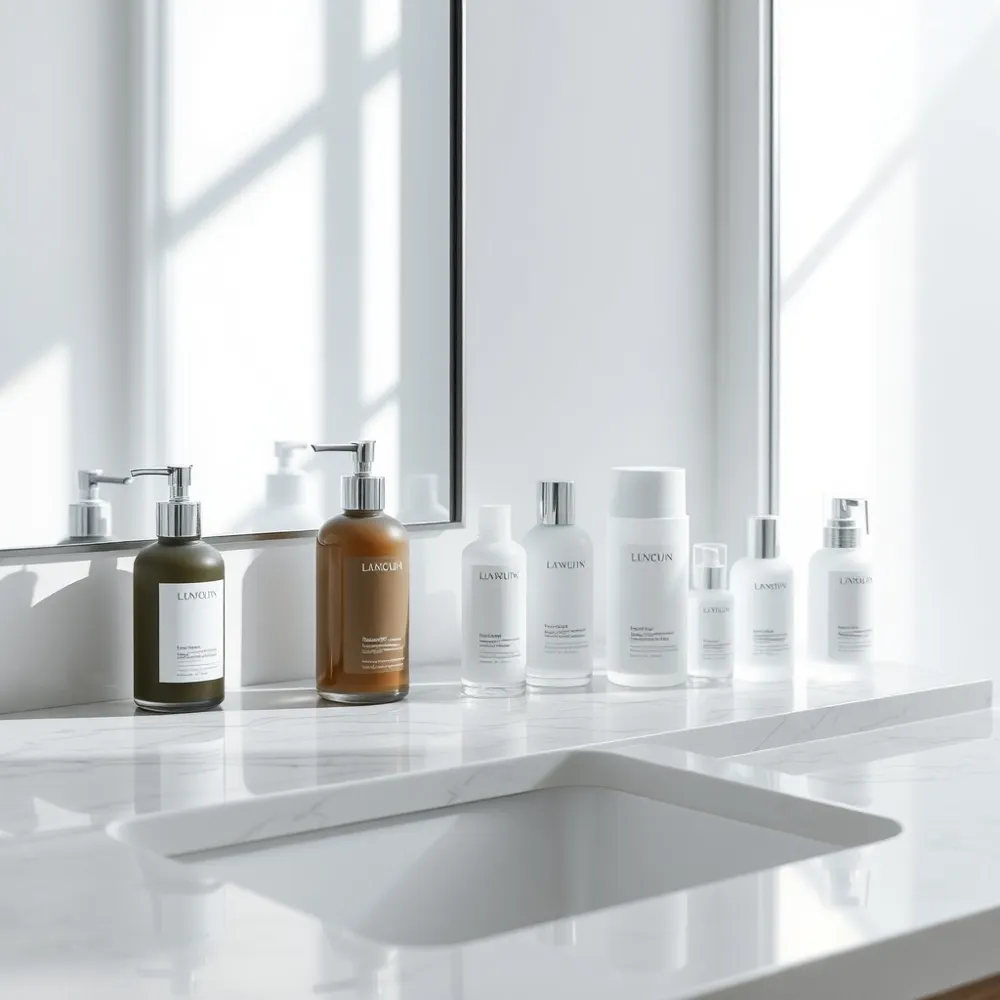 Consistency forms the foundation of dermatological wellness. At otsdermatology.com, we emphasize that a sustainable routine relies on layering products from thinnest to thickest consistency to ensure active ingredients successfully reach deeper skin layers. This precise sequencing allows for maximum absorption without wasting expensive formulas on ineffective layering.
How should a standard, effective skincare routine be structured?
A standard, effective skincare routine should be kept simple, generally utilizing no more than five products to avoid irritation. Start both your morning and evening regimens with a gentle cleanser to remove impurities and prime your skin for topical treatments. During the day, follow cleansing with a serum if desired, a moisturizer for hydration, and a high-quality sunscreen to protect your skin from UV damage. In the evening, focus on cleansing followed by treatments or a richer moisturizer to support skin recovery while you sleep. By consistency in this basic four-step framework, you can maintain skin health without overwhelming your complexion with unnecessary products.
- Morning focus: Protection through antioxidants and SPF 30+ to shield against environmental damage.
- Evening focus: Restoration using treatments that address collagen synthesis and cellular turnover.
- Barrier maintenance: Using soap-free, non-foaming cleansers with a neutral pH to avoid stripping the natural moisture barrier.
Adapting to environmental stressors is equally vital. For instance, otsdermatology.com recommends switching to cream-based or non-foaming cleansers during colder months, as these help preserve essential lipids that foaming soaps often remove. While store-bought brands offer general maintenance, a professional evaluation ensures you are not using harsh agents that compromise your specific skin type, a common pitfall compared to the personalized assessments favored by our board-certified dermatologists.
Clinical Differences in Medical-Grade Skincare
 The primary differences between medical-grade and over-the-counter (OTC) products lie in ingredient quality, concentration, and research backing. Medical-grade formulations are developed through rigorous clinical studies to ensure potency, whereas OTC alternatives are designed for general use with lower concentrations of active components. At otsdermatology.com, we prioritize these professional formulations because they are engineered to penetrate deeper into the skin layers to address specific concerns effectively. In contrast, many mass-market retail brands mirror the high price tags of clinical lines yet lack the same level of validated, peer-reviewed evidence regarding how their formulas interact with various skin types.
Achieving visible results requires more than simply buying a high-end product. Using too many active ingredients at once can lead to irritation and a compromised moisture barrier. The American Academy of Dermatology warns that layering improper combinations, such as mixing multiple anti-aging treatments, may often make skin texture issues appear more prominent rather than resolving them. Instead of browsing retail aisles for trial-and-error solutions, patients benefit from a professional skin type assessment to build a routine that balances efficacy with safety.
When consistent use of standard skincare fails to produce desired changes within 4 to 6 weeks, it may be time to consult a board-certified dermatologist. Professional oversight ensures that your regimen evolves at the right pace, especially when incorporating powerful ingredients like retinoids. By moving away from generic retail products and into a personalized medical-grade protocol, you can focus on ingredients that are medically proven to improve skin health under expert guidance.
Managing Acne and Persistent Skin Conditions
 Acne is a complex condition influenced by diverse factors, including hormones, genetics, and stress. While minor blemishes may respond to simple, consistent home care, persistent issues often reveal deeper systemic triggers. Hormonal fluctuations during menstrual cycles, which involve elevated testosterone and progesterone, frequently produce deep, inflammatory breakouts. Similarly, as patients transition through menopause, changing estrogen levels can cause dryness and skin barrier sensitivity, requiring a move away from standard retail products toward gentler, fragrance-free alternatives.
Understanding the risks of home intervention
Home treatment often relies on popular over-the-counter actives like Benzoyl Peroxide or Adapalene to manage mild to moderate concerns Nonprescription acne treatment: Which products work best?. However, patients must avoid the urge to pop pimples or whiteheads. Attempting manual extractions frequently forces bacteria deeper into the follicle, which significantly increases the likelihood of long-term scarring and persistent infection. At otsdermatology.com, we emphasize that professional care provides a safer path to recovery by identifying whether your situation requires clinical intervention or a refined topical regimen.
When should you consult a professional for acne, and how does medical treatment differ from store-bought solutions?
You should consult a dermatologist if over-the-counter products fail to improve your skin after four to six weeks of consistent use, or if you are experiencing moderate to severe inflammatory acne featuring painful cysts or nodules When should you see a dermatologist?. While store-bought solutions are limited to general, non-prescription formulas, a professional provides personalized care tailored to your specific skin type, triggers, and medical history. Medical treatment often incorporates prescription-strength topical or oral medications capable of targeting underlying hormonal imbalances or bacterial infections that basic products cannot reach. Furthermore, dermatologists offer advanced in-office procedures, such as laser therapy, chemical peels, and microneedling, to effectively treat active breakouts and minimize the risk of permanent scarring or dark spots. Seeking professional help early not only manages your current skin health but also protects your long-term aesthetic outcomes and overall confidence.
- Monitor for progress: Allow 2 to 3 months for consistent daily use to evaluate the efficacy of nonprescription treatments.
- Watch for symptoms: Seek immediate care if you experience persistent redness, itching, or signs of an allergic hypersensitivity reaction.
- Clinical transition: Professional Managing Acne and Persistent Skin Conditions guidance ensures you move beyond counter-productive trial-and-error routines.
The Science and Safety of Anti-Aging Treatments
Evidence-based anti-aging treatments, specifically retinoids, are scientifically proven to provide clinical benefits for skin health. Retinoids, particularly FDA-approved agents like tretinoin and tazarotene, are recognized for their efficacy in treating facial wrinkles and pigmentary changes. By influencing biological processes in the skin, these compounds address both chronological aging and photoaging caused by ultraviolet radiation. While prescription-strength retinoids undergo rigorous clinical studies to verify their therapeutic impact, various cosmetic formulations like retinol are also widely used. On The Spot Dermatology emphasizes these scientifically backed options to provide personalized care and visible results compared to the trial-and-error approach common with mass-market drugstore brands.
Understanding Retinoid Efficacy
The potency of various derivatives depends on their molecular structure. Tretinoin serves as the gold standard for photoaged skin, as it directly influences collagen synthesis. In contrast, retinol requires conversion within the skin to become biologically active, rendering it approximately ten times less potent. While retinol is a popular, accessible choice for maintenance, it lacks the same depth of clinical validation found in prescription-grade medications.
Building Tolerance and Avoiding Irritation
Effective use of these powerful actives requires a strategic approach to maintain the skin barrier. A 'step-up' protocol, which involves introducing lower concentrations every third night, allows the skin to build long-term tolerance while minimizing symptoms of retinoid dermatitis. Furthermore, patients should avoid combining potent ingredients like alpha-hydroxy acids or other exfoliating agents on the same night to prevent excessive inflammation.
- Always use SPF 30+ sunscreen daily, as retinoids increase sensitivity to ultraviolet light.
- Apply moisturizers while skin is damp to counteract potential dryness.
- Use ring fingers for eye cream application to protect delicate orbital skin tissue.
- Consult a board-certified professional if irritation persists beyond the initial adjustment period.
Advanced Professional Procedures for Rejuvenation
What professional procedures are available for significant facial rejuvenation and skin concerns?
Professional dermatological procedures offer effective solutions for significant facial rejuvenation and addressing complex skin concerns. At otsdermatology.com, we prioritize treatments that go beyond topical application to stimulate structural change. Patients seeking revitalization can benefit from advanced treatments such as laser resurfacing, which promotes skin tightening and texture improvement by stimulating collagen production. Cosmetic injectables, including Botox and various dermal fillers, are common options used to soften fine lines and restore natural facial volume. For deeper skin renewal, procedures like microneedling and professional chemical peels can significantly improve skin tone and clarity. We recommend scheduling a personalized consultation with our board-certified team to evaluate your specific needs and develop a tailored treatment plan.
Should you see a dermatologist or an esthetician for advanced skin concerns like hyperpigmentation or chronic acne?
For advanced skin concerns such as chronic acne or hyperpigmentation, it is essential to prioritize a consultation with a board-certified dermatologist. Unlike temporary fixes found in retail settings, medical dermatologists possess the training required to diagnose underlying causes and offer prescription-grade interventions. While estheticians are skilled at performing surface-level aesthetic services like relaxation facials, they are not qualified to treat medical skin disease. If you are struggling with a potential skin disorder, otsdermatology.com provides a precise diagnostic environment where safety is the priority. Our clinical approach addresses the root cause of your concerns rather than just the surface appearance, ensuring a science-backed treatment plan that protects your long-term skin health.
Prioritizing Preventive Skin Exams and Safety
Prioritizing Preventive Skin Exams and Safety
When should you see a dermatologist for general skin health and preventive care? You should see a dermatologist for an initial baseline skin exam to establish your personal health history, regardless of whether you have noticeable skin concerns. Annual skin checks are highly recommended for everyone, particularly for those with a high cumulative sun exposure, a personal history of skin cancer, or a strong family history of melanoma. Additionally, you should schedule an appointment promptly if you notice any new, changing, or atypical moles, persistent rashes, or non-healing lesions, as these can be early indicators of potential skin cancer. While these visits are categorized as medical evaluations, they are essential for the early detection and treatment of conditions. Professional diagnosis is vital, as home assessments should never replace a thorough exam by a board-certified doctor.
What are the limitations and potential risks of experimental home skincare trends compared to professional dermatological guidance? Experimental home skincare trends often lack the rigorous scientific testing and clinical-grade quality control that define professional dermatological guidance. While at-home methods may appear convenient, improper use of unregulated devices like LED masks or DIY microneedling tools can lead to significant skin irritation, burns, or scarring. Unlike professional providers who perform comprehensive evaluations to create personalized treatment plans, self-administered fads frequently fail to address individual biological needs. Ultimately, the absence of expert supervision increases the risk of adverse reactions that may require medical intervention to correct.
Beyond routine skin checks, your hair and nails often provide early diagnostic clues regarding systemic health issues such as anemia, liver disease, or diabetes. Professional evaluation is documented as a necessary step for persistent nail disorders or unexplained hair loss to rule out underlying conditions. Consulting with a specialist ensures that any changes are evaluated with the appropriate medical expertise rather than trial-and-error with retail products.
Investing in Your Long-Term Skin Health
Achieving lasting skin health requires a transition from reactive, imprecise methods to proactive professional partnership. While drugstore products may serve as a starting point, relying on trial-and-error often leads to wasted resources and underwhelming results. Professional oversight ensures that your regimen is built on evidence-based strategies tailored to your unique biology rather than generic marketing claims.
At On The Spot Dermatology, our approach centers on a detailed assessment of your specific skin type and clinical concerns. Unlike the generic product rotations common in retail settings, we collaborate with you to craft a comprehensive skin care routine that integrates targeted home care with advanced in-office treatments. This hybrid strategy allows for consistent skin health management that adapts to seasonal shifts and aging.
Your skin is a dynamic organ that deserves specialized attention. If you are ready to move beyond guesswork and establish a foundation for long-term health, our team is here to guide you. We invite you to schedule a professional consultation at our Glenview office to discuss how a customized plan can help you reach your aesthetic and medical goals.