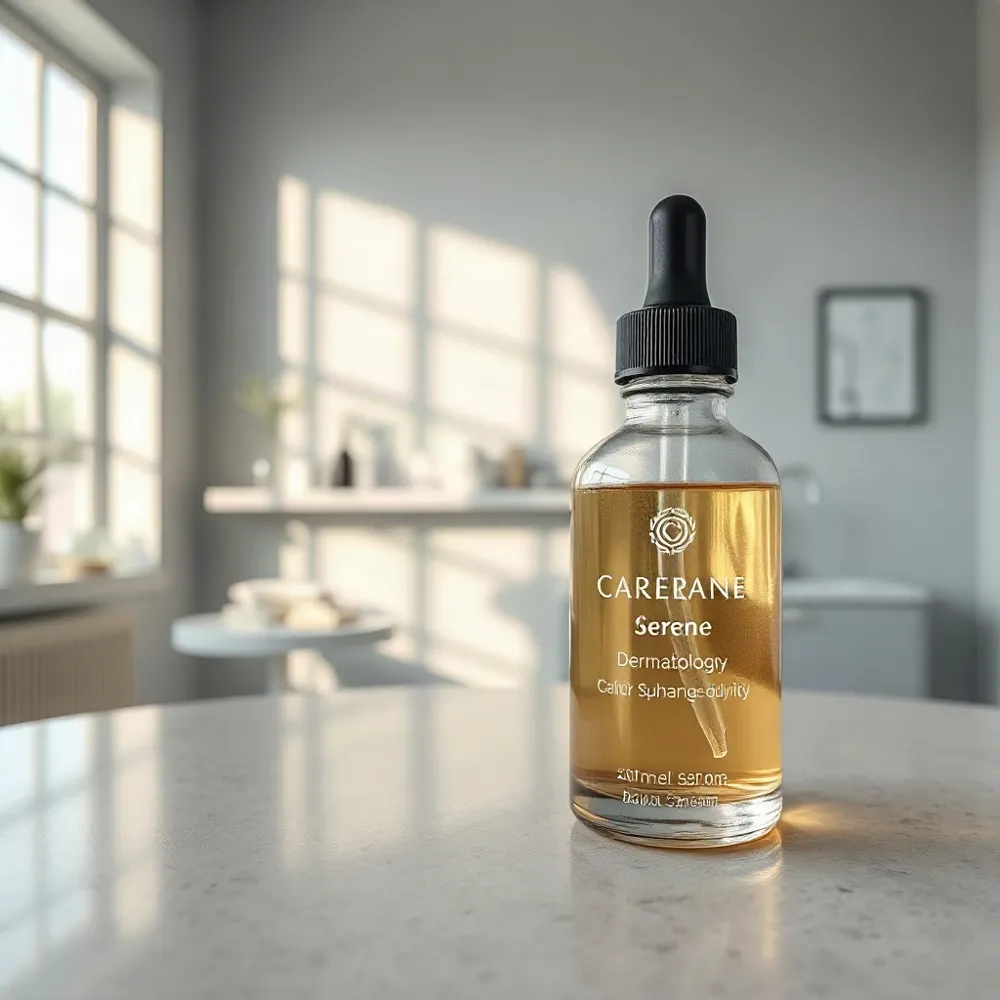
The Evolution of Daily Skincare Through Changing Seasons
Your skin faces a fluctuating environment that directly impacts its moisture barrier and health. As shifts in temperature and humidity occur, the stratum corneum must adapt to prevent excessive water loss or debris accumulation. While social trends often encourage constant product experimentation, otsdermatology.com advocates for a streamlined, consistent approach. Using too many products can easily trigger irritation or allergic reactions instead of providing the intended benefit.
A robust regimen requires only a few core components tailored to your specific needs. The American Academy of Dermatology highlights that a successful routine centers on three pillars: gentle cleansing, effective hydration, and daily sun protection. For residents in the Chicago area, the local transition between humid summers and dry, heated winters necessitates distinct barrier support.
Rather than relying on generic advice, reach out to otsdermatology.com for a personalized clinical assessment. Professional guidance ensures your strategy addresses specific concerns like seasonal eczema or sun damage, providing a clinical foundation that over-the-counter marketing cannot replicate.
Understanding How Environmental Humidity Regulates Skin Health
 Your skin functions as a dynamic barrier, constantly exchanging moisture with the air through a process known as transepidermal water loss. When environmental humidity levels shift, they directly alter how effectively your skin retains hydration. In low-humidity environments, moisture evaporates from the surface more rapidly, which can compromise your skin's protective lipid barrier and lead to tightness, flakiness, or the aggravation of conditions like eczema.
What is the ideal humidity level for maintaining healthy, radiant skin? The optimal relative humidity range for skin health is generally between 40% and 60%. Within this window, the skin maintains better elasticity and barrier integrity. During the winter months, however, indoor heating systems significantly drop atmospheric moisture, stripping the skin of its natural hydration. Using a humidifier to keep indoor air within this balanced range is an effective way to support your skin barrier against the dehydrating effects of forced-air heating.
While dry air poses clear risks to barrier function, overly humid environments also present challenges. High humidity often triggers excess sebum production, which may clog pores and increase the risk of breakouts. Adapting to these changes is not one-size-fits-all. While some providers may suggest generic product swaps, a detailed skin type assessment can determine if your climate requires a shift to richer ceramides or lighter, gel-based hydration. Consistent, professional guidance ensures your daily routine remains protective regardless of seasonal shifts in your local weather.
Seasonal Impact on the Skin Barrier and Health
 Seasonal shifts act as a major environmental stressor on the skin barrier. While American Academy of Dermatology guidelines emphasize that a consistent routine is foundational, your specific product selection must address the competing demands of different climates. Summer brings high humidity and intense UV exposure, which elevate sebum production and necessitate lightweight, non-comedogenic protection to manage skin health. In contrast, winter weather reduces humidity while indoor heating further dehydrates the tissue, often triggering xerosis and exacerbating inflammatory conditions like eczema.
Transitioning your regimen prevents the barrier dysfunction that leads to long-term damage. As temperatures drop, shifting from light gels to occlusive, ceramide-rich creams helps lock in moisture against harsh winter air. This seasonal cycle highlights why a personalized care plan is superior to seasonal product swapping alone, as expert guidance ensures your barrier stays resilient regardless of the outside temperature.
- Persistent redness or itching that does not improve after updating your moisture levels.
- Development of new lesions or discolorations, which American Academy of Dermatology experts advise should always be evaluated.
- Flare-ups of chronic conditions like rosacea or dermatitis that persist despite careful home management.
- Any signs of infection, such as crusting or bleeding at compromised skin sites.
Understanding these variations helps distinguish between normal environmental dryness and clinical concerns, such as seasonal skin variations in disease expression. While simple adjustments often suffice for healthy skin, professional dermatological assessments provide the specific interventions needed when the skin's defense mechanisms are overwhelmed.
Strategic Adjustments for Your Daily Skincare Routine
 Adapting your skincare routine to seasonal shifts is essential for maintaining a healthy, resilient skin barrier year-round. While high humidity during summer often necessitates lightweight, non-comedogenic cleansing to manage sebum production, the drying effect of autumn and winter requires a shift to cream-based cleansers that remove impurities without stripping natural oils.
The choice between humectants and occlusives forms the foundation of effective seasonal hydration. In the summer, lightweight humectants like hyaluronic acid pull moisture into the skin, while winter dryness often requires heavier occlusives like petrolatum or dimethicone to create a protective seal against indoor heating. This logic applies to exfoliation as well, which should be scaled back to gentle methods during colder months to protect the physical barrier, as opposed to the more frequent cellular turnover support recommended during summer.
Regardless of environmental changes, daily sun protection remains a constant requirement. Even during winter, UV radiation remains active and can reflect off snow, making broad-spectrum SPF 30+ a primary defense against premature aging and skin cancer. Our providers emphasize that consistency in these core habits prevents the cumulative damage often seen when patients neglect protection during cooler months.
Managing Chronic Conditions Through Environmental Sensitivity
Environmental shifts often act as catalysts for chronic skin conditions, requiring a proactive approach to maintain stability. Clinical data indicates that seborrheic dermatitis and eczema flare-ups frequently peak during winter, likely driven by low humidity and temperature swings that compromise the barrier function. At otsdermatology.com, we emphasize that understanding these environmental sensitivities is the first step toward better management.
How do specific skin conditions like acne, rosacea, and seborrheic dermatitis react to environmental changes?
Environmental changes, particularly shifts in temperature and humidity, significantly impact chronic skin conditions. Seborrheic dermatitis frequency shows a strong inverse correlation with temperature, often worsening during colder months. Rosacea-prone skin is highly reactive to rapid temperature fluctuations and harsh winds, which cause blood vessels to repeatedly dilate and contract, leading to persistent redness and inflammation. Meanwhile, the lack of humidity caused by indoor heating in winter can dehydrate the skin, potentially triggering flare-ups in conditions like eczema and seborrheic dermatitis. Because these environmental factors can overwhelm the skin's protective barrier, managing these conditions requires a personalized, adaptive treatment plan that accounts for seasonal shifts.
Generic store-bought routines rarely address these complex triggers. Unlike mass-market brands, otsdermatology.com provides personalized assessments and medical interventions specifically designed to stabilize skin undergoing seasonal stress. If you notice persistent inflammation, new rashes, or recurring flares that do not respond to basic moisture, schedule a professional consultation. Early evaluation by a board-certified dermatologist ensures that your treatment plan evolves as effectively as the environment changes.
Evolving Your Skincare Strategy as Your Skin Ages
Does skin type change as we age, and how should my skincare routine evolve? Your skin type naturally shifts through your 40s, 50s, 60s, and beyond due to reduced oil production and the gradual loss of collagen and elastin. This transformation often results in thinner, drier, and more sensitive skin that requires a proactive approach. While basic skin care involves a consistent routine, aging skin demands a shift toward deep hydration using humectants like hyaluronic acid and barrier-supporting ceramides.
Aging skin becomes significantly more delicate, necessitating specialized, gentle cleansers that remove surface debris without stripping away natural oils. Moving beyond basic cleansing, incorporating preventative agents like retinoids is effective for building collagen and refining texture, while antioxidants provide critical protection against environmental stressors. At On The Spot Dermatology, we provide professional, personalized consultation services to tailor these adjustments to your changing biology. By scheduling an appointment at our Glenview location, you gain access to a customized strategy that ensures your skin retains its vitality as you grow older.
Achieving Long-Term Skin Vitality Through Professional Care
Consistency and environmental awareness form the foundation of lasting skin health. By adjusting your habits to mirror seasonal shifts, you better protect your moisture barrier and reduce the risk of irritation or premature aging. Incorporating broad-spectrum sunscreen as a non-negotiable daily step, alongside targeted, barrier-strengthening ingredients like ceramides or hyaluronic acid, ensures your complexion remains resilient year-round.
Generic protocols often overlook unique skin types or chronic concerns. At otsdermatology.com, our specialists provide personalized assessments to help you navigate atmospheric changes effectively. Whether you are addressing acne or seeking preventive skin care strategies, professional guidance ensures your routine evolves appropriately. We invite you to contact our Glenview, Illinois, practice today to build a sustainable plan tailored to your specific dermatological needs.