
A New Kind of Skin Appointment
Walking into your first dermatology appointment can raise a few questions, especially if you have never visited a skin specialist before. Knowing what to expect before you arrive can reduce anxiety and help you get more value from your visit. Most appointments at practices like On The Spot Dermatology in Glenview, Illinois, follow a predictable structure that combines a health review, a skin examination, and a personalized treatment discussion.
A typical first visit begins with paperwork covering your medical history, current medications, and any skin concerns you want to address. From there, a dermatologist will ask targeted questions about your symptoms, lifestyle, and family history of skin conditions. Many patients find it helpful to review these details beforehand, since accurate answers allow your doctor to make a more precise diagnosis and recommend appropriate treatments, whether medical, cosmetic, or both.
What Happens During the Skin Examination
The core of the appointment is the skin examination. You may be asked to change into a paper gown or loose clothing so the dermatologist can inspect areas beyond what is normally visible. This head-to-toe check is designed to identify suspicious moles, lesions, or other changes you might have missed. The process is quick, and dermatologists are respectful of your comfort, letting you know before each step. For a clearer picture of what this involves, you can review a guide on what to expect during your first dermatology visit.
Discussing Your Skin Concerns and Goals
Communication is the foundation of a productive visit. Be honest about your primary concerns, whether they involve acne, signs of aging, or a suspicious spot. If you are interested in cosmetic procedures, mention that early on, so the doctor can tailor the discussion to both your medical needs and aesthetic preferences. Dermatologists often combine medical and cosmetic expertise, so you can leave with a plan that addresses skin health and appearance together. For reference, online guides explain what a cosmetic consultation typically covers, from skin analysis to treatment options.
Practical Tips for a Smooth Visit
Preparation can make a noticeable difference in the quality of your appointment. Here are a few simple steps to consider before you arrive:
- Remove makeup, nail polish, and heavy skincare products on the day of your visit so your skin's natural state is visible.
- Wear loose, comfortable clothing that is easy to remove, in case a full-body examination is needed.
- Write down a list of your questions and symptoms ahead of time, so you do not forget anything during the conversation.
- Bring a list of your current medications, including over-the-counter creams and supplements, to share with your dermatologist.
What to Avoid Before Your Appointment
Certain products and habits can temporarily alter your skin and make an accurate assessment harder. For example, strong chemical peels, retinoids, or extensive sun exposure in the days leading up to your visit might mask or inflame underlying conditions. If you are unsure whether to pause any product, contact the office ahead of time. Some practices, including On The Spot Dermatology, offer guidance on how to prepare for a successful appointment, but your dermatologist can give you the most specific advice based on your skin type.
What Happens After the Examination
Once the examination is complete, your dermatologist will discuss findings and recommend next steps. This could range from prescribing a topical treatment for acne to suggesting a cosmetic procedure like laser therapy or injectables. You should also receive a follow-up plan, whether that means watching a mole and returning in six months or scheduling a procedure for a future date. The goal is to leave with clarity about your skin and a path forward that matches your comfort level and desired outcomes.
Making the Most of Your First Visit
Your first dermatology appointment sets the tone for a long-term relationship with your skin. By arriving prepared, asking questions, and being transparent about your concerns, you help your dermatologist deliver the most accurate care. Whether you are visiting for a medical issue or a cosmetic improvement, the experience should feel informative and reassuring. If you are nervous, remember that practicing like On The Spot Dermatology sees first-time patients regularly and designs each visit around your individual needs.
What to Expect at a Cosmetic Dermatology Appointment
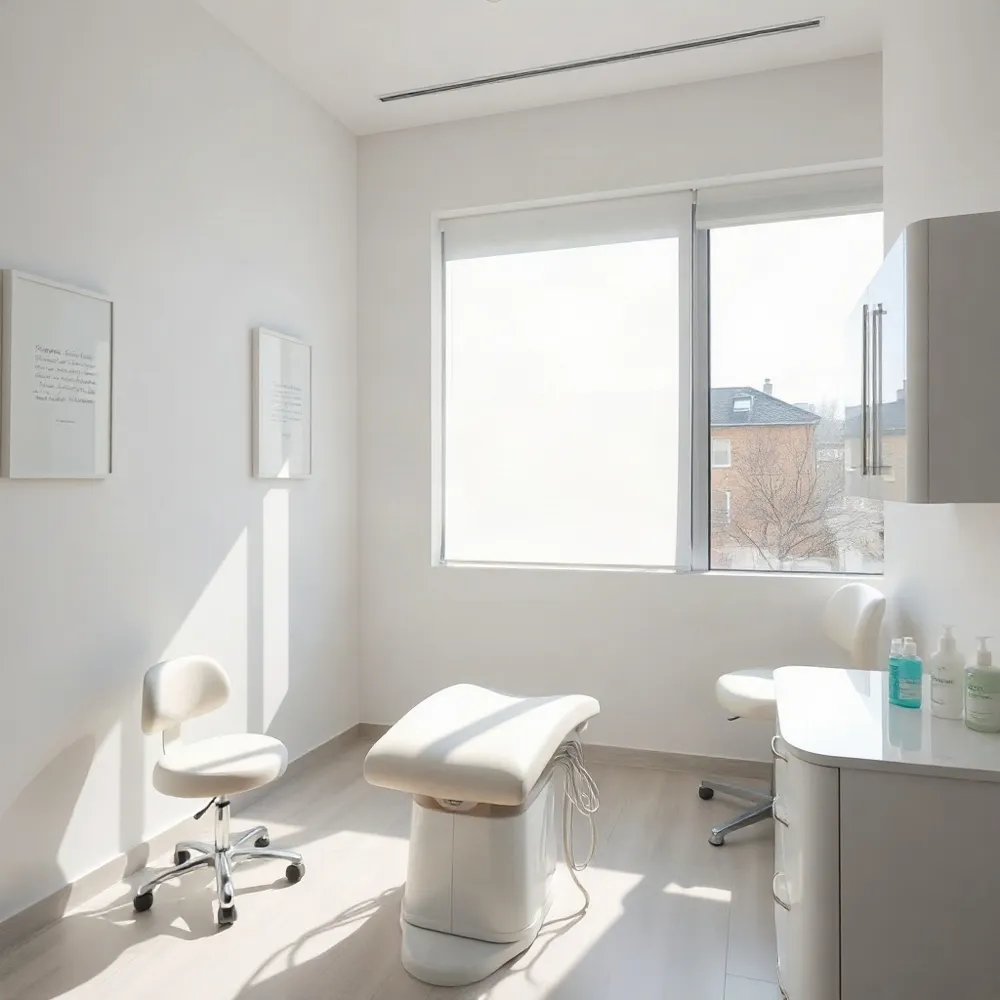 A cosmetic dermatology consultation is the foundation of every treatment plan at On The Spot Dermatology. Unlike a medical visit focused on diagnosing a rash or lesion, this appointment centers on your aesthetic goals: softening fine lines, improving skin texture, addressing hyperpigmentation, or reshaping facial contours. Understanding what happens during this visit helps you walk in prepared, ask the right questions, and leave with a personalized roadmap.
Whether you're scheduling your very first cosmetic consultation or have had prior procedures, the structure follows a logical flow. Your provider begins with a detailed conversation about your medical history, skincare habits, and desired outcomes. This is the time to be transparent about any allergies, medications, or past treatments, since those details directly influence which procedures are safe and effective for you.
What Actually Happens During the Visit
After the discussion, your provider performs a visual and tactile assessment of your skin, often using magnification or special lighting to evaluate deeper layers. They may ask you to remove makeup or tie back your hair for a clear view. This step isn't rushed; it's how your clinician determines which areas to address first and which treatment modalities will deliver the most natural-looking results.
Patients frequently wonder whether the exam involves a full-body check. In a cosmetic consultation, the focus is usually on the face, neck, chest, and hands, though you can request a comprehensive skin cancer screening separately. If you're unsure what to wear, loose, comfortable clothing is ideal, and you should arrive with clean, product-free skin so your provider can see your true skin tone and condition. For a more detailed walkthrough of the experience, review our guide on what to expect at a cosmetic dermatology consultation.
Types of Cosmetic Procedures Covered
During the consultation, your provider will explain the range of available options, from minimally invasive injectables like neuromodulators and dermal fillers to energy-based treatments such as laser resurfacing, microneedling, and chemical peels. Each choice addresses different concerns, and your clinician will help you prioritize based on your budget, downtime tolerance, and desired pace of results.
Injectables. Neuromodulators relax dynamic wrinkles, while fillers restore volume in cheeks, lips, and folds. Results are temporary and typically last several months.
Lasers & Light. Target pigmentation, redness, and fine lines by stimulating collagen. Downtime varies from none to several days depending on intensity.
Resurfacing. Chemical peels, microdermabrasion, and microneedling improve texture and tone with progressive, natural-looking improvements.
Your provider might also discuss combination approaches, such as pairing a neurotoxin with a series of microneedling sessions to address multiple concerns simultaneously. This is where a skilled clinician's judgment matters most, as they can design a sequence that respects your skin's healing capacity and avoids overtreatment.
Questions to Ask Your Dermatologist
Bring a notepad or your phone to jot down answers. Here are the most important questions to prepare:
- Are you board-certified, and do you have experience with my specific concern?
- What are the expected outcomes, and how many sessions will I realistically need?
- What are the potential side effects, and what's the recovery time?
- How much does each session cost, and are there package options?
- Can I see before-and-after photos of similar patients?
Asking these questions helps establish trust and ensures you're aligned on expectations. A thorough provider will welcome them and encourage an open dialogue. If you want more preparation tips, our preparing for your dermatology appointment page covers the essentials.
What Comes After the Consultation
Once you and your provider agree on a plan, you'll receive a customized treatment schedule, including pre-procedure instructions (like avoiding sun exposure or certain products) and a clear cost breakdown. Some patients choose to begin treatment the same day, especially for injectables with no downtime. Others prefer to schedule a separate session to think it over, which is perfectly reasonable.
Your provider will also set expectations for follow-up appointments to monitor your progress. Cosmetic dermatology is rarely a one-and-done affair; maintenance sessions help sustain results over time. The first-visit experience often includes a detailed discussion of your lifestyle, since factors like sun exposure, smoking, and sleep directly affect how your skin responds to treatment.
| Aspect | Typical Focus | Example Questions |
|---|---|---|
| History | Medical conditions, medications, allergies, prior procedures | What medications should I avoid before treatment? |
| Skin Assessment | Tone, texture, elasticity, pigmentation, sun damage | Which areas should I prioritize first? |
| Treatment Plan | Recommended procedures, timeline, costs, downtime | How many sessions will I realistically need? |
| Aftercare | Sun protection, skincare routine, follow-up schedule | What side effects are normal, and when do I call you? |
By the end of a well-conducted consultation, you should feel informed, comfortable, and confident about your next steps. The goal is not to pressure you into a decision but to equip you with the knowledge to make the right one for your skin. If you're still wondering what to expect, read our guide for additional clarity before your visit.
Ultimately, a cosmetic dermatology consultation is your opportunity to take control of your appearance with professional guidance. Whether you're starting small with a single treatment or planning a comprehensive rejuvenation journey, the right dermatologist will listen, educate, and collaborate with you every step of the way.
Personal Goals and Skincare Routines
 A cosmetic dermatology consultation is the first step toward clearer, healthier-looking skin. Unlike a standard medical visit, this appointment centers on your aesthetic goals and a personalized plan. Knowing what happens during the visit helps you feel prepared and confident walking through the door.
The Initial Conversation
Your conversation with the dermatologist typically begins with questions about your skincare routine, lifestyle, and what you hope to achieve. This is the time to mention concerns like fine lines, uneven tone, or acne scars. On The Spot Dermatology pairs this conversation with a detailed skin assessment, ensuring the plan you receive fits your unique skin type and goals.
Medical history. Your provider reviews past treatments, allergies, and conditions that could affect cosmetic procedures.
Lifestyle factors. Sun exposure, diet, sleep, and stress all influence skin health, so expect questions about these habits.
Product review. Bring your current list of products or photos of your routine — the dermatologist will identify what's working and what may need adjusting.
To help prepare, many first-time patients benefit from understanding what to expect in advance. This includes advice on what to bring and how to make the most of your visit, which you can review in our guide on preparing for your dermatology appointment.
The Skin Examination
The provider will examine your skin to assess texture, tone, and underlying conditions. For cosmetic consultations, this may also involve a more focused review of the face, neck, and other areas you want to treat. During this step, don't hesitate to ask questions about any spots or concerns you've noticed.
You may be asked to remove makeup and wear a gown for a full-body evaluation, just as you would at any first dermatology appointment. This thorough look helps the dermatologist identify underlying issues that could affect your cosmetic results.
Crafting Your Personalized Plan
After the exam, the dermatologist will discuss treatment options that align with your goals. These may include prescription topicals, professional peels, laser therapy, or injectable treatments. The conversation covers expected outcomes, recovery time, and costs so you can make an informed decision.
For reference, a first visit to a dermatologist typically takes 30 to 45 minutes, though a cosmetic consultation may run longer depending on the complexity of your needs. The provider will also review your personalized skincare routine, suggesting products that complement your treatment plan.
Asking the Right Questions
Come prepared with questions: What products should I use for my skin type? How many sessions will I need? What results can I realistically expect? Asking about both medical and cosmetic options ensures you leave with a clear roadmap.
During your consultation, your provider may offer a cosmetic consultation that includes a deeper dive into your aesthetic priorities. This visit is the ideal time to discuss combination treatments that address multiple concerns at once.
| Step | What Happens | Tip |
|---|---|---|
| Consultation | Discuss goals, history, and concerns | Bring a list of products and photos |
| Exam | Full or focused skin evaluation | Remove makeup and wear loose clothing |
| Treatment Plan | Review options, timeline, and costs | Ask about downtime and side effects |
| Routine Review | Adjust products to match goals | Mention any reactions or sensitivities |
By understanding what to expect, you'll leave your cosmetic dermatology consultation feeling empowered and ready to start your journey toward healthier, more radiant skin.
Asking the Right Questions on Your First Visit
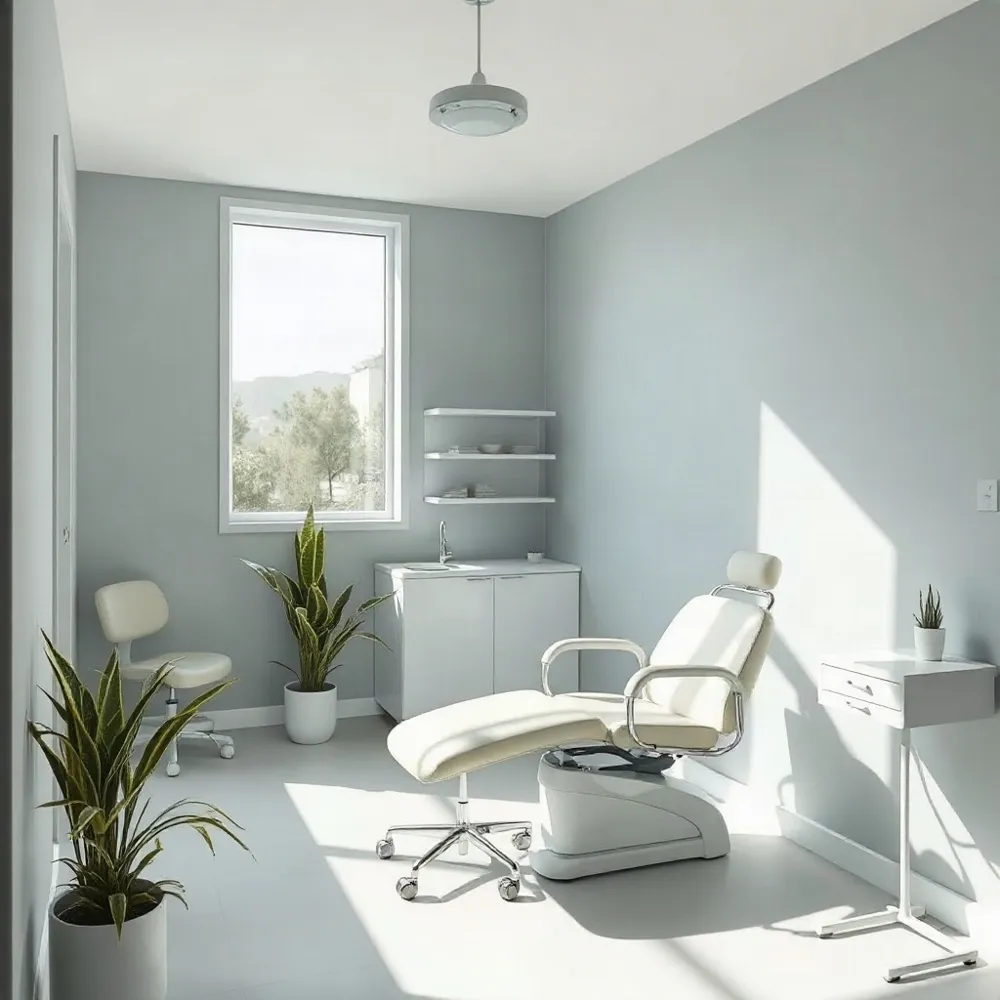 A cosmetic consultation is your chance to align your skin goals with a treatment plan that actually fits your face, your lifestyle, and your budget. The questions you ask shape everything from which procedure you choose to how long the results last. But with all the excitement of imagining clearer, smoother skin, it can be easy to forget the practical details in the moment.
That's why we've put together this list of ten questions designed to get you the information you need. Whether you're preparing for your first visit or just want to refine your approach, these questions cover the essential ground. And before you go, consider reviewing what to expect from a cosmetic consultation so you walk in with a clear idea of how the conversation will flow.
Understanding Your Options
One of the first things you'll want to know is what treatments are actually available to address your specific concerns. You might have heard of injectables, chemical peels, or laser resurfacing, but your dermatologist can help you understand which of those options best matches your skin type, your desired outcome, and your tolerance for downtime. Asking about alternatives is also smart, because the most effective plan isn't always the most aggressive or expensive one.
Scope. Start broadly by asking, "What treatment options do you offer for my specific concern?" This gives your dermatologist a chance to explain the range of possibilities, from topical treatments to in-office procedures.
Integration. Then, drill down into how those options might work together. Ask, "Can you combine any of these treatments for better results?" A tailored combination, such as pairing a chemical peel with a prescription-strength topical, often yields more noticeable improvement than any single treatment alone.
Intelligence. Finally, get at the intelligence behind the recommendation: "Why do you recommend this particular treatment for me?" You want to understand the science and the reasoning, so you can feel confident that the plan is personalized for your skin, not a one-size-fits-all template.
Remember that your dermatologist is a partner in your skin health. Coming in with specific, informed questions not only helps you get the most from your visit, but it also shows your provider that you're serious about the process. If you're unsure where to start, bring a written list of your questions, just as you would for any other medical appointment.
The Top 10 Questions
- What are the most common and effective treatment options for my specific concern?
- How many treatments will I likely need to achieve the results I want?
- What is the expected recovery time, and how much downtime is involved?
- Are there any potential side effects or risks I should be aware of?
- What results can I realistically expect, and when will I start seeing them?
- What are the cost and payment options, and is the treatment covered by insurance?
- Can you show me before-and-after photos of patients with similar concerns?
- How often will I need maintenance treatments to maintain my results?
- What is your experience with this specific procedure or treatment?
- If I have certain medical conditions or take medications, how might that affect my treatment?
These ten questions are a solid foundation, but let's dig a little deeper into why each one matters and how the answers might shape your decision.
Questions About Your Specific Concern
When you focus on your specific concern, you get tailored answers. For instance, if you're bothered by acne scars, your dermatologist might suggest microneedling or a series of chemical peels. Asking about your exact issue ensures the recommendations are relevant. It's also helpful to ask if there are any at-home products you should incorporate to enhance the in-office results.
Many patients find it useful to bring photos of their skin from different angles and times to ensure they don't miss anything. This is especially important for subtle changes that might be easy to overlook. Your dermatologist can also help you distinguish between treatable conditions and those that may require a more conservative approach.
Questions About the Procedure Itself
Understanding the nitty-gritty of the procedure helps you feel prepared and calm. Questions about the number of sessions, the recovery time, and the potential side effects demystify the process. For instance, asking about the level of discomfort during a laser treatment or how long redness might last after a chemical peel can eliminate a lot of anxiety. These discussions also give you a chance to clarify any instructions you need to follow before and after the procedure to ensure you're preparing properly for your appointment.
Another key aspect to explore is the provider's experience. If you're considering a specific treatment, ask how many times they've performed it and whether they have credentials or specialized training. This not only builds trust but also gives you realistic insight into their skill level, which is critical for your safety and outcome.
Questions About Results and Maintenance
No one wants surprises when it comes to results. Asking about realistic outcomes, the timeline to see them, and how long they last sets the right expectations. For example, a neurotoxin might show results in about a week and last a few months, while a series of microneedling sessions may require more patience but offer cumulative improvements. You'd also want to ask about maintenance treatments to sustain your results, which can be an ongoing commitment.
In my experience, patients who know the longevity of their results are more satisfied because they aren't caught off guard when the effects gradually fade. It also helps you plan your budget and schedule for future touch-ups.
Questions About Cost and Value
Money can be a sensitive topic, but it's essential to have clarity. Ask about the total cost upfront, including any potential additional fees during the procedure. Inquire about package deals or discounts for multiple sessions. Also, ask about financing options — many practices offer monthly payment plans which can make larger procedures more affordable.
It's also a good idea to check what your insurance might cover, even if a treatment seems cosmetic. Sometimes, certain procedures are considered medially necessary and may be partially covered. Your dermatology office can help you understand your benefits, so prepare your list of questions and necessary documentation ahead of time.
Scope. When discussing cost, get a full breakdown of what's included in the quoted price, such as the physician's fee, facility costs, and any post-treatment follow-up visits.
Integration. Ask how the cost integrates with your long-term treatment plan. Some procedures may seem pricey individually but could be more cost-effective when combined with other services or maintenance schedules.
Intelligence. Understand the intelligence behind the investment. Ask what makes a higher-priced treatment worth it, such as longer-lasting results or a lower risk of complications, so you can determine the true value.
The table below summarizes the core dimensions of your consultation questions, making it easy to see the full picture before you decide.
| Aspect | Focus | Why It Matters | Example Question |
|---|---|---|---|
| Options | Treatment choices | Ensures you know all available paths, not just the most popular one | "Are there any new or less invasive treatments I haven't heard of?" |
| Procedure | What happens during treatment | Lowers anxiety and clarifies aftercare and downtime expectations | "What does the procedure feel like, and how long does it take?" |
| Results | Outcomes and sustainability | Aligns your expectations with reality and helps you plan maintenance | "How many sessions do I need, and how long do results typically last?" |
| Cost | Financial planning | Avoids surprise bills and helps you budget for future sessions | "Are there any payment plans or package discounts available?" |
| Provider | Experience and credentials | Builds trust and confidence in the person performing the treatment | "How many times have you performed this exact treatment?" |
Asking these questions might feel slightly intimidating at first, but a good dermatologist encourages it. They want you to feel informed and comfortable. So don't hold back.
Coming prepared with questions helps you get the most out of your consultation and sets the stage for a successful long-term skincare partnership. So next time you're in the dermatologist's chair, let your curiosity lead. And remember, you're not just a passive recipient of treatment; you're an active participant in your skin health journey.
What Happens During a Dermatology Consultation
Walking into a dermatologist's office for the first time can stir up a mix of curiosity and nerves. Whether you're scheduling a routine skin check, addressing a nagging skin issue, or considering a cosmetic treatment, a little preparation goes a long way. Understanding what to expect helps you walk in calm, ask the right questions, and make the most of every minute with your provider.
Your preparation begins at home, not in the parking lot. Each dermatology practice has its own intake style, but most will ask you to complete a medical history form. You can streamline this by preparing a list of current medications, including over-the-counter products, supplements, and any prescriptions. Also, note any allergies, past skin conditions, or family history of skin cancer. Having this information ready allows your doctor to focus on your concerns rather than on paperwork.
What to Do Before Your Appointment
On the day of your visit, keep your skin bare. Avoid heavy makeup, lotions, and self-tanners, which can obscure the skin's surface and make it harder for the doctor to assess your baseline tone and texture. Removing nail polish is also recommended, as your nails and nail beds reveal important signs, like clubbing or discoloration. Preparing for your dermatology appointment covers these details in depth.
Wear loose, comfortable clothing. A full-body skin exam usually requires you to change into a gown, but easy-to-remove layers make the process smoother. If you're seeing a cosmetic dermatologist for a specific area, you may not need to undress fully. What matters most is that you can expose the areas being examined without feeling rushed or awkward.
A focused skin assessment also depends on your honest answers. Think about your goals before you arrive. If you're seeing a medical dermatologist, note when your concern started, what makes it better or worse, and any treatments you've already tried. For a cosmetic consultation, consider whether you want to address wrinkles, pigmentation, or texture, and bring along inspiration photos. Some patients find it helpful to prepare for a cosmetic consultation with specific questions or an idea of what they don't like about their skin.
What to Bring and Common Pitfalls to Avoid
A short checklist can keep you organized before you head out the door.
- Photo ID and your insurance card (even if you plan to pay out of pocket)
- A list of you current medications, including dosage and how long you've taken them
- A list of your known allergies, especially to skincare ingredients or antibiotics
- Short hair or pulled-back hairstyle if you're examining your scalp
- An open mind: be frank about your habits, like sun exposure or skincare routines
While some issues can wait, certain signs warrant a sooner visit. If you notice a spot that bleeds, changes color, or grows quickly, don't wait for your annual exam. Similarly, if you have a rash that doesn't respond to over-the-counter treatment or a wound that won't heal, a prompt evaluation can prevent complications. For these urgent concerns, consider calling the office directly rather than booking online.
The Importance of Preparation for Better Results
Prepared patients get more value from their appointments. When your doctor has to spend less time on history-taking, they can dedicate more time to examining your skin, explaining findings, and discussing treatment options, whether that's a medical prescription, a cosmetic procedure, or a watch-and-wait approach. A thorough first visit also sets the stage for an ongoing relationship focused on your skin health. What to expect during your first visit to a dermatologist helps you understand what that examination typically involves.
In the end, preparation is about respecting your time and your provider's time. It reduces anxiety, improves diagnostic accuracy, and ensures you leave with a plan you understand. Whether you're nervous about your first skin check or excited about a cosmetic upgrade, investing an hour in preparation can make the entire experience far more productive and reassuring.
Your Personalized Treatment Plan
A cosmetic dermatology consultation differs from a standard medical checkup in that its focus is aesthetic enhancement. During this visit, your dermatologist will assess your skin, review your goals, and walk you through treatment options. Understanding what happens can ease any nervousness. For a detailed look, explore what a cosmetic consultation entails before your appointment.
The Initial Discussion
Your appointment typically begins with a conversation about your skincare routine, lifestyle, and what you'd like to improve. Be ready to discuss any allergies, medical conditions, and current products. The dermatologist will likely ask about your sun exposure and prior treatments. Reviewing your personalized treatment plan based on skin assessment helps you feel prepared for these questions.
During the consultation, expect a full evaluation of your skin under good lighting. The dermatologist may examine your skin's texture, tone, and elasticity to identify appropriate options. This is also a chance for you to ask questions about potential procedures, recovery time, and costs. For first-timers, knowing what to do before your first dermatology appointment can reduce uncertainty.
Tailoring Treatments to You
Cosmetic consultations aren't one-size-fits-all. Your dermatologist uses your assessment to recommend treatments that align with your goals and skin type. This could range from nonsurgical options like injectables to laser resurfacing or chemical peels. The aim is to build a plan that feels personal, not generic.
Assessment. Skincare goals, medical history, and skin type are evaluated to guide recommendations.
Options. Treatments like botulinum toxin, fillers, or microneedling are discussed in detail.
Plan. A timeline, number of sessions, and realistic outcomes are outlined.
| Aspect | What Happens | Why It Matters |
|---|---|---|
| Discussion | Share your skincare routine and goals | Helps personalize your treatment |
| Assessment | Dermatologist evaluates skin condition | Identifies suitable procedures |
| Recommendations | Options presented with pros and cons | Allows informed decision-making |
| Plan | Proposed timeline and costs | Sets expectations and next steps |
The consultation should conclude with a clear action plan, including any preparation needed before a procedure. Ask for estimated costs and realistic recovery periods so there are no surprises. If you're still deciding, your dermatologist can guide you during the visit, much like the guidance at what to expect from a cosmetic consultation.
Remember: Preparation Is Key
Walking into a cosmetic dermatology appointment for the first time can feel a little intimidating, but the right preparation makes a significant difference. A little forethought turns an uncertain visit into a focused, productive consultation where your concerns take center stage. The most important step is knowing what the doctor needs from you, from your skin history to your current routine.
Start by removing most of your makeup and nail polish before you arrive. As this guide on what first-time dermatology patients should expect explains, a clean face lets your provider assess your actual skin tone and texture without interference. You can still bring your products; the office is interested in what you use at home. At On The Spot Dermatology, we welcome you to bring a list of current products so we can review them together during your cosmetic consultation.
The Importance of a Thorough Skin History
Your skin history is the foundation of any cosmetic plan. The dermatologist will likely ask about past procedures, allergies, medications, and any conditions you've had treated. Write these down before you come. Spending a few minutes here prevents surprises later, especially if you're considering treatments like injectables or laser therapy where your history directly affects safety.
If you have questions about what happens during a full skin examination, this overview of a typical dermatology appointment clarifies the steps, from a discussion of your goals to a visual assessment. During a cosmetic visit, the focus shifts to your aesthetic concerns, but the provider still reviews your skin health as a baseline.
Gathering Your Questions and Expectations
Bring a list of skin concerns and questions to stay focused. Many patients find that writing down specific scenarios, such as "I want to reduce the appearance of sun damage on my cheeks" or "I'm concerned about the fine lines around my mouth," helps the doctor give targeted advice. Preparing questions ahead of time is a proven way to make the most of your time in the chair.
Consider what you hope to achieve. Are you looking for a subtle refresh, a more dramatic change, or simply guidance on a good home care routine for your skin type? Communicating your goals clearly allows your cosmetic consultation to feel custom-tailored rather than generic. At On The Spot Dermatology, we encourage open dialogue about realistic outcomes and the steps involved in any recommended procedure.
Practical Steps for the Day of Your Visit
- Wash and moisturize your skin in the morning, then apply your normal sunscreen; skip heavy makeup so your natural tone shows clearly.
- Bring a list of all your current skincare products, including cleansers, serums, and any prescription topicals.
- Wear loose, comfortable clothing that is easy to remove if the consultation requires a full-body skin check.
- Arrive 10 to 15 minutes early to complete any necessary paperwork and settle in without rushing.
On the day of your appointment, your skin should be clean and free of products. A step-by-step guide to preparing for your visit recommends avoiding heavy creams or retinoids for 24 hours beforehand, since these can affect the provider's assessment of your skin's true condition. It's also wise to avoid excessive sun exposure and tanning beds in the week before, as sunburn or tanning can alter your skin's response to certain cosmetic procedures.
What Happens During the Consultation
During your first cosmetic appointment, the dermatologist will review your health history and discuss your aesthetic goals in detail. You may be asked to remove some clothing if a full-body skin exam is needed, but that's standard practice. The provider will then examine your skin under good lighting, often while you sit in a comfortable exam chair, and talk through the options that align with your needs.
This is also the time to ask about the practicalities you care about: how many sessions a treatment typically requires, what downtime looks like, what the budget range might be, and what results you can reasonably expect. Understanding the consultation process at a cosmetic dermatology practice can demystify the experience, whether you're exploring injectables, chemical peels, or laser resurfacing.
Preparing for a Productive Conversation
Prepare to discuss your lifestyle. Factors like sun exposure habits, smoking, pregnancy status, and past skin reactions all influence which treatments are appropriate. Be honest; a thorough history protects your safety and yields better outcomes. If you have any allergies to skincare ingredients or topical anesthetics, mention those early.
Think about your budget and your comfort with downtime. Not everyone needs or wants an aggressive plan, and a skilled provider will tailor suggestions to your preferences. What to expect from a cosmetic consultation often includes a discussion of realistic timelines and the number of sessions needed before you see meaningful change. At On The Spot Dermatology, we ensure you leave with a clear action plan, not a vague list of possibilities.
After the Consultation: Next Steps
After your first visit, you should walk away with a written or digital treatment plan. This may include specific product recommendations, a timeline for procedures, and a follow-up schedule. If the doctor prescribed a topical medication or recommended a specific in-office treatment, ask for instructions on how to start or apply it. Understanding the rationale behind each step helps you stay consistent and gets you closer to your goals.
Don't hesitate to reach out with questions that arise once you're home. A good practice expects follow-up. At On The Spot Dermatology, our team in Glenview is committed to supporting you beyond the exam room, from your first dermatology appointment through your long-term skin health journey.
| Preparation Step | Why It Matters | Best Practice |
|---|---|---|
| Remove makeup and nail polish | Lets the provider see true skin tone and texture | Wash with a gentle cleanser the morning of your visit |
| Bring a product list | Helps identify potential irritants and customizes advice | Include all cleansers, serums, and prescriptions |
| Write down your questions | Ensures you cover every concern efficiently | Bring a notepad or phone list to the appointment |
| Wear comfortable clothing | Allows easy exam access if needed | Choose loose layers in case you need to undress |
| Know your medical history | Guides safe treatment selection | Bring a list of allergies, surgeries, and current medications |
Leaving With Clarity and Confidence
Preparation. Preparation is the work you do before you arrive, and it can make a real difference in what your dermatologist sees and how productive your visit feels. To get the most out of your appointment, start by gathering a few basics: a list of your current skincare products, any prescription or over-the-counter medications, and a rough timeline of when your skin concerns began. The team at On The Spot Dermatology in Glenview, Illinois, emphasizes that small steps like these help you and your provider build a clear picture of your skin health. For more detailed guidance, check out our guide on how to prepare for your dermatology appointment, which breaks down the essentials step by step.
Skin Care. One of the most common questions is whether you should arrive with a bare face or skip your usual routine. The short answer: it depends on what you're seeing the doctor for. If your concern is acne or a rash, arriving with clean, makeup-free skin helps the provider see the true condition of your skin. However, for a cosmetic consultation, you might be asked to keep your usual products for the day so the doctor can assess their effects. On The Spot Dermatology's clinicians will guide you based on your specific needs, so don't stress if you forget to remove everything. What matters most is that you show up ready to talk through your concerns openly.
When you arrive, your visit will typically begin with a brief conversation about your medical history, current medications, and any skin issues you want to address. The dermatologist may then perform a full-body skin examination to check for suspicious moles or lesions, which is a standard part of medical dermatology. If you're there for a cosmetic concern, such as fine lines, uneven tone, or hair loss, the consultation will focus more on your aesthetic goals and available treatment options. Research shows that patients who prepare a list of questions beforehand tend to leave feeling more satisfied with their visit.
What to Bring and What to Wear
- A list of current prescription and over-the-counter medications, including topicals and supplements.
- Your daily skincare routine products so your provider can assess ingredients and potential irritants.
- A summary of your skin concern, including when it started, triggers, and what makes it better or worse.
- Comfortable, loose-fitting clothing that allows easy access to the area being examined.
- Any relevant medical records or previous biopsy results, if you've had skin cancer treatment before.
These small preparations can turn a potentially stressful first visit into a smooth, efficient experience. If you're unsure about anything, the staff at On The Spot Dermatology is happy to answer questions by phone before your appointment. For more on what to expect during the actual exam, our guide on what to expect from your first dermatology appointment offers a helpful overview.