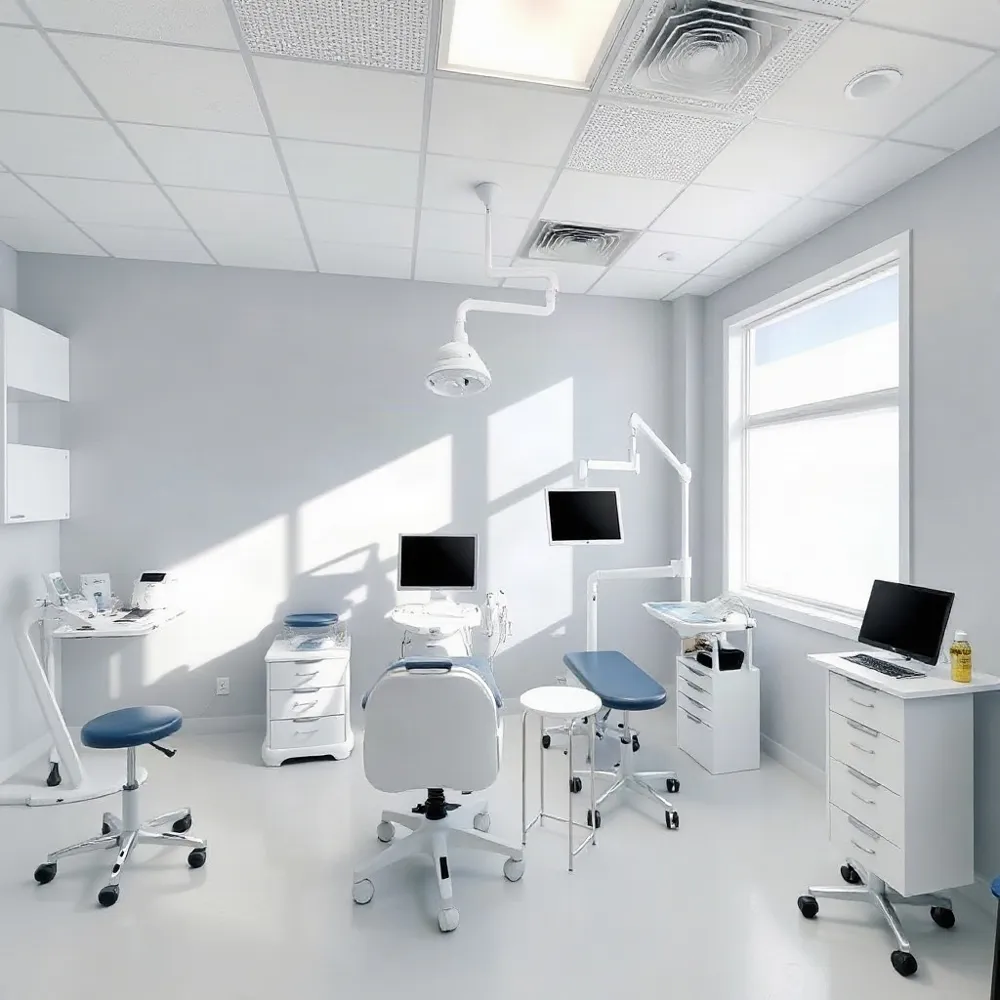
Preparing for Your First Dermatology Appointment
How to Prepare for Your First Dermatology Visit
Preparing for your initial appointment with a dermatologist involves several important steps to ensure a thorough and effective evaluation. Begin by showering and arriving with clean skin, free of makeup, lotions, or any other products that might obscure the dermatologist’s view.
What to Wear and Bring
Wear loose, comfortable clothing that is easy to remove since a full-body skin examination may be necessary. Removing nail polish is also recommended to facilitate proper nail inspection. Bring a list of all current medications, supplements, and skin care products you are using. Document any recent skin changes, unusual spots, or symptoms, and if possible, include photographs showing progression or changes over time.
Importance of Medical History and Skin Condition Documentation
A comprehensive medical history is vital. Be prepared to discuss your personal and family history of skin conditions, exposure to risk factors such as sunburns or smoking, allergies, diet, stress, and any prior treatments or surgeries. This information helps the dermatologist tailor the examination and develop a personalized treatment or monitoring plan to maintain your skin health effectively.
What to Expect During Your First Dermatology Appointment
What should I expect during my first dermatologist appointment?
Your first visit to a dermatologist is a comprehensive and personalized experience aimed at assessing your overall skin health. The appointment begins with a detailed consultation where the dermatologist reviews your medical history, including family skin conditions, past sun exposure, sunscreen use, smoking habits, allergies, diet, and stress levels. This background helps the dermatologist understand factors that may influence your skin.
Initial consultation process
During this phase, you will discuss your current skin concerns and any symptoms you have noticed. It’s important to bring a list of medications, supplements, previous skin treatments, and any specific questions you want to address. This conversation sets the foundation for the examination and potential treatment plans.
Comprehensive skin examination
A full-body skin exam is performed from head to toe, including often-overlooked areas such as the scalp, ears, behind the ears, lips, between toes, and other less visible regions. Patients typically wear a gown to ensure privacy and comfort while giving the dermatologist access to thoroughly inspect all skin surfaces.
Use of dermatoscope and close inspection tools
Dermatologists often use specialized devices like a dermatoscope to magnify and closely examine moles, spots, or suspicious lesions. This tool allows for detailed visualization of skin patterns and aids in early identification of abnormalities or skin cancer. If any concerning areas are found, the dermatologist may recommend a biopsy, which involves removing a small sample of skin for laboratory analysis with minimal discomfort using local anesthesia.
Typical duration of appointment
The entire appointment generally lasts between 10 to 30 minutes depending on the extent of the examination and whether procedures like biopsies are performed. This time frame ensures a thorough evaluation without rush, giving the patient opportunities to discuss concerns and receive individualized advice.
Privacy and comfort considerations
To promote comfort and an effective exam, patients are advised to wear loose-fitting clothing that is easy to remove, avoid applying makeup or nail polish on the day of the visit, and keep hair pulled back when possible. Dermatology practices strive to provide a respectful and private environment, creating a trusting atmosphere for open communication and thorough assessment.
Regular annual dermatology visits with a dermatologist support early detection of skin issues, including cancers, and personalized care plans to maintain healthy skin throughout life.
Common Dermatology Procedures: Medical and Cosmetic
What are common medical dermatology procedures?
Medical dermatology procedures are essential for diagnosing and treating skin conditions. Biopsies and skin swabs allow dermatologists to analyze suspicious lesions or abnormalities, often using local anesthesia to minimize discomfort. Cryotherapy is commonly used to freeze and remove premalignant or unwanted growths like warts and actinic keratoses. Electrocautery uses electrical currents to precisely remove or reduce skin lesions. Surgical excision may be performed to remove cysts, moles, birthmarks, or for acne scar revision. Platelet Rich Plasma (PRP) therapy is a minimally invasive treatment utilized for hair restoration and promoting wound healing, enhancing skin health.
What are common cosmetic dermatology procedures?
Cosmetic dermatology offers treatments aimed at enhancing the skin’s appearance and texture. Botox and dermal fillers are widely used to reduce wrinkles and restore facial volume safely. Chemical peels improve skin texture and tone by gently exfoliating the skin surface. Laser treatments address issues like hair removal, pigmentation irregularities, and skin resurfacing to rejuvenate the complexion. Sclerotherapy treats spider veins and small varicose veins to improve leg appearance. Microneedling stimulates collagen production to reduce scars and fine lines. Dermatologists tailor these procedures to individual skin types, ensuring safety and effective results.
Purpose and benefits of each procedure
Medical procedures focus on early detection and treatment of skin diseases, such as cancer or chronic conditions, improving long-term skin health. Cosmetic procedures boost self-confidence by refining skin texture, reducing signs of aging, and correcting blemishes. Together, these treatments provide comprehensive care addressing both health and aesthetic needs.
Safety and personalized treatment planning
Board-certified dermatologists conduct thorough consultations and skin exams before recommending procedures. Treatment plans are customized considering the patient’s medical history, skin type, and goals. This personalized approach maximizes safety and efficacy, delivering the best possible outcomes while minimizing risks.
How to Maximize Your Dermatology Visit: Questions to Ask and Skin Health Tips

What questions should I ask my dermatologist during the first visit?
During your initial appointment, engage your dermatologist by asking about any persistent skin issues such as bumps, rashes, or nodules, especially how long these have been present and possible causes. Check if your moles display any irregular features like asymmetry, multiple colors, or recent changes that might indicate a need for closer scrutiny. It’s crucial to discuss a personalized skincare routine tailored to your skin type and concerns including acne, dryness, or aging signs. Additionally, inquire about sun exposure habits and whether you should take extra sun protection measures or schedule screenings for sun damage in less commonly checked areas like ears, scalp, and neck. Lastly, clarify how frequently you should return for follow-up visits to maintain optimal skin health.
Questions to ask your dermatologist
Skincare routines and sun protection advice
A dermatologist can provide expert recommendations on skincare products suited for your skin type and condition, helping to maintain clear and healthy skin. They will also guide you on effective sun protection strategies such as the types of sunscreen to use (mineral or chemical), applying adequate SPF, and reapplication frequency. Wearing protective clothing and practicing sun-safe behaviors are also emphasized to reduce risks related to UV exposure.
Skin cancer prevention tips
Understanding mole changes and skin cancer prevention
Regular skin evaluations are vital for early detection of skin cancer. Understanding what constitutes suspicious moles—such as asymmetry, irregular borders, variegated colors, diameter larger than a pencil eraser, or evolving appearance—is important in prevention. Dermatologists also examine often overlooked areas prone to sun damage to catch any early signs. Discuss any new or changing skin lesions with your dermatologist to ensure timely diagnosis and treatment.
Importance of Regular Dermatologist Visits
Scheduling follow-ups and ongoing skin care management
Follow-up visits are essential to track progress, particularly if you have chronic skin conditions or are undergoing treatments for acne, eczema, or other disorders. Your dermatologist will advise on the appropriate frequency based on your individual risk factors and skin health status. Regular visits promote early intervention and personalized care, ensuring optimal outcomes in skin wellness and disease prevention.
First visit to a dermatologist
Duration and Practical Tips for Your First Dermatology Appointment
How long does a first dermatologist appointment usually take?
The duration of a first dermatologist appointment typically ranges from 15 to 30 minutes. This time frame covers a review of your medical history, a full-body skin examination, and a thorough discussion of any skin concerns you may have. If your dermatologist needs to perform additional procedures like skin biopsy procedures or detailed skin assessments, the visit might last a bit longer.
What should I wear to my first dermatologist appointment?
Wear loose, comfortable clothing that is easy to remove, as you’ll likely need to change into a gown for a full-body skin examination. Avoid makeup or skin products on the day of the visit so the dermatologist can accurately assess your natural skin condition. Removing nail polish is also recommended to allow proper nail examination.
Practical tips on arrival and preparation for an accurate assessment
- Arrive on time and come prepared with a detailed history of your skin issues, previous sun exposure, and any recent changes in moles or spots.
- Avoid jewelry and hairstyles that might obstruct skin evaluation.
- Bring a list of current medications, supplements, and any skincare products you use.
- Be ready to discuss your family history of skin conditions and personal habits such as sunscreen use or smoking.
Following these recommendations helps ensure a comprehensive and effective first dermatology appointment focused on your individual skin health needs.
The Importance of Regular Dermatology Visits and Early Detection
Why Are Annual Skin Checks Recommended?
Regular annual dermatology visits to a dermatologist are widely recommended to maintain optimal skin health. These appointments allow for early identification of skin abnormalities, including potentially dangerous moles or pre-cancerous lesions, before they develop into serious conditions. For individuals with heightened risk factors—such as a family history of skin cancer or frequent sun exposure—these visits might occur more often to ensure vigilant monitoring.
How Do Dermatologists Contribute to Early Detection?
Dermatologists are board-certified medical experts trained in diagnosing and managing disorders of the skin, hair, and nails. Utilizing comprehensive full-body examinations and specialized tools like dermatoscopes, they carefully inspect all areas including often-overlooked regions such as the scalp and between toes. Early detection of skin cancer and other conditions through these exams significantly improves treatment outcomes.
What Are the Benefits of Continual Dermatologic Care?
Establishing an ongoing relationship with a dermatologist enables personalized monitoring tailored to the individual's skin type, lifestyle, and health history. This continuous care fosters preventative strategies, timely intervention, and reduces the risk of advanced skin disease. Moreover, regular visits provide opportunities to adjust treatment plans based on evolving skin conditions and patient goals.
How Is Patient Education Integrated Into Dermatology Visits?
Education is a central component of dermatologic care. Dermatologists discuss findings, explain potential diagnoses, and guide patients on sun protection, appropriate skincare products, and lifestyle modifications. Treatment plans are customized, often integrating medications, in-office procedures such as chemical peels or laser therapy, and recommendations for self-examination. Empowering patients with knowledge supports proactive management and healthier skin over time.
Taking the Next Steps After Your First Dermatology Visit
Following Dermatologist Advice and Scheduling Follow-Ups
After your initial appointment, adhering to your dermatologist’s recommendations is crucial. Whether prescribed medications, in-office treatments, or lifestyle changes, following through ensures the best outcomes for your skin health. Your dermatologist may schedule follow-up visits to monitor progress, adjust treatments, or perform additional procedures.
Maintaining Skin Health Through Routine Care
Routine care is essential for long-term skin wellness. This includes regular skin self-exams and annual dermatologist visits to detect any changes early. Protecting your skin from sun damage by using appropriate sunscreens, wearing protective clothing, and avoiding harmful exposures forms the foundation of preventive care.
Empowering Patients with Knowledge for Prevention and Treatment
A successful partnership with your dermatologist involves open communication and education. Understanding your specific skin condition, triggers, and treatment options empowers you to manage your skin health confidently. Do not hesitate to ask questions about skin cancer prevention, the correct use of prescribed products, or new treatment possibilities. Being informed helps you take proactive steps to maintain and improve your skin’s condition.