Comfort Is Part of the Plan
Comfort is part of planning a skin procedure, not an afterthought. The right approach depends on what is being treated, the area and extent of treatment, and your health, preferences, and comfort needs. At otsdermatology.com, medical and cosmetic treatments are guided by personalized care from skilled healthcare providers, making an individual discussion central to planning.
Sedation may be considered for selected procedures and patients, but it is not routinely needed for every skin treatment. It also serves a different purpose from local anesthesia: local anesthesia numbs a specific area, while sedative medicine can reduce anxiety or awareness. Depending on the procedure, one approach or a combination may be appropriate. Your care team can explain what to expect and assess your options.
Anesthesia Options for Skin Procedures
The approach to anesthesia depends on the treatment area, the procedure’s extent, and the patient’s health and comfort needs. Options in dermatology include topical anesthetics applied to the skin, local anesthetics injected near the treatment site, regional anesthesia that numbs a larger area, and general anesthesia for selected complex cases. A review of anesthesia in dermatology describes how clinicians match these methods to the procedure and the individual.
Local anesthesia is commonly used for skin procedures, including biopsies. It blocks pain signals in a limited area, so patients remain awake and alert, though they may still notice pressure or movement. General anesthesia, which causes unconsciousness, is not routinely needed for most skin procedures. Local anesthesia can be used in different forms, including creams, gels, and injections.
Sedation is different from local anesthesia: it is intended to reduce anxiety or discomfort, and its depth can range from mild relaxation to deeper sleepiness. A patient may remain responsive, depending on the level used. Sedation is also distinct from general anesthesia, and whether it is appropriate depends on the planned procedure and the patient’s circumstances. Procedural sedation requires medical monitoring.
For patients considering a skin treatment, a consultation with a dermatologist can clarify what the procedure involves and which comfort measures fit their medical history and preferences. At On The Spot Dermatology, personalized care from healthcare providers helps ground that discussion in the patient’s skin concerns and treatment goals. The anesthesia options available vary by practice, so patients should ask their provider which approaches are offered and appropriate for their procedure.
Numbing the Skin and Choosing a Method
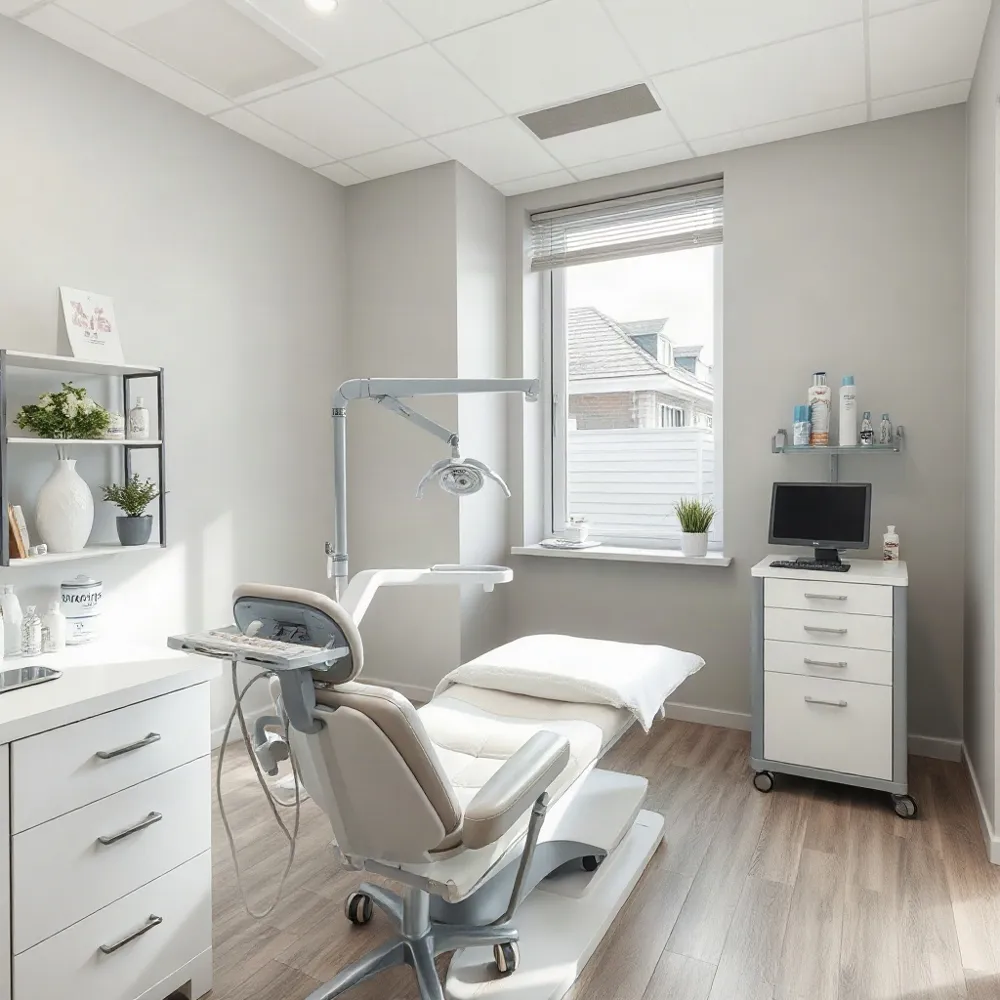 For many skin procedures, a dermatologist injects lidocaine to numb the treatment area. This local anesthetic blocks pain signals from nerves in that limited area, while you remain awake and alert. Epinephrine may be added when appropriate to help the anesthetic last longer or reduce bleeding. Local anesthesia is commonly used for minor procedures such as skin biopsies.
Topical anesthesia comes in forms such as creams, gels, ointments, sprays, or patches. Applied to the skin, it mainly reduces sensation near the surface and may suit some superficial treatments. A topical product may also be applied before an injection to lessen discomfort. How long it takes to work varies by product and how it is used, so follow the timing instructions from your care team.
An injection can reach deeper tissue and numb a broader area than a surface preparation. It may briefly sting as the medicine is administered. Once the area is numb, you may still notice pressure or movement, which is different from pain. The anesthetic plan depends on the procedure and treatment location, as well as your preferences and health history.
At otsdermatology.com, care is centered on personalized medical and cosmetic dermatology, so patients can discuss the planned treatment and comfort needs with their provider. Mention any fear of needles, medication allergies, or previous reactions to anesthetics before treatment. These details help the dermatologist consider an appropriate option and explain what you may feel.
Duration, Side Effects, and Safety
 How long local anesthesia lasts depends on the medication, dose, treatment area, and whether an additive such as epinephrine is used. Numbness may fade in about 30 minutes or continue for 12 hours or more, though many patients notice the effect wearing off within a few hours. You may still feel pressure during treatment because local anesthesia blocks pain without removing every sensation. Local anesthesia duration and effects
While an area is numb, take care to avoid burns, pressure, or accidental injury, and follow your dermatologist’s aftercare instructions. On The Spot Dermatology provides personalized care based on the treatment and the patient’s needs, so ask your care team what duration to expect and how to protect the treated area.
Temporary effects can include tenderness or bruising where an anesthetic was injected, along with dizziness, numbness, or tingling. Mild soreness or bruising may last a few days, while sensation usually returns as the medication wears off. Contact your provider if numbness or weakness lasts longer than expected, or if symptoms worsen.
Local anesthesia is generally safe when administered by a trained healthcare professional, but no method is free of risk. Allergic reactions are uncommon, and local anesthetic systemic toxicity, a rare complication in which too much anesthetic enters the bloodstream, can be serious. Careful assessment and dosing help reduce risk but cannot eliminate it. Tell your dermatologist about allergies, health conditions, medicines, and any past problems with anesthesia. Local anesthetic risks and safety
Seek urgent medical care for trouble breathing, swelling of the face or throat, fainting, seizures, or a rapid or irregular heartbeat. These symptoms need prompt attention rather than routine follow-up.
Topical Creams and Their Limitations
Topical anesthetic creams can reduce surface sensation, but they do not always numb deeper tissue or fully block discomfort. How well they work depends on the product, the skin, and how it is applied, so your care team can help decide whether a cream fits the procedure. A review of anesthesia in dermatology describes topical products as most useful for superficial treatments because the skin limits how deeply they penetrate (review of anesthesia in dermatology).
Temporary redness, itching, irritation, or swelling can occur where a cream is applied. Numb skin may also make it harder to notice irritation or minor injury, so follow your clinician’s guidance about protecting and caring for the area.
Using more than directed, applying anesthetic over a large area or damaged skin, or covering it without instructions can increase absorption and raise the risk of systemic toxicity. Topical anesthetics can cause local reactions, and their risks depend in part on how and where they are used (topical anesthetic guidance for cosmetic dermatology).
Use only the product and amount recommended by your care team, and ask before applying any numbing cream before a visit. At On The Spot Dermatology, treatment planning is personalized to each patient’s skin and goals, making it useful to discuss comfort options with the provider rather than self-treating the area.
Preparing for Your Procedure
 Preparation depends on the treatment and your health history, so follow the instructions from your dermatology team rather than general advice. At On The Spot Dermatology, care is personalized to each patient’s skin and treatment needs, making it useful to raise practical questions before the appointment.
Tell your provider about allergies, medical conditions, previous reactions to anesthetics or sedation, and every medicine and supplement you take. Do not stop prescribed medicines, including blood thinners, unless your clinician directs you to. Ask whether to eat and drink as usual, how to prepare the treatment area, and whether you need a companion. For many procedures using local anesthesia alone, recovery precautions differ from those for sedation, but instructions still depend on the treatment. Local anesthesia temporarily numbs a limited area while you remain awake, and the care team can explain what sensations to expect (Cleveland Clinic’s overview of local anesthesia).
If you have concerns about needles, discomfort, or what will happen during treatment, share them in advance. A guide to preparing for a dermatology appointment can help you plan questions and feel ready to discuss your needs.
When sedation is planned, advance assessment and monitoring may be needed. Follow any specific instructions about medicines, food, and drink, and arrange for a responsible adult to drive you home. Sedation can leave you drowsy, so follow your provider’s discharge guidance, including avoiding driving and important decisions for at least 24 hours when instructed (MedlinePlus guidance on conscious sedation).
A Personalized Comfort Plan
The right comfort plan depends on the treatment, your health, and how you feel about pain or anxiety. Local anesthesia may be enough for a limited procedure, while selected cases may call for other approaches. Your dermatologist can explain the options and their risks.
Before treatment, ask what sensations to expect, whether alternatives are available, and what recovery instructions to follow. Share your health history, medicines, past anesthesia experiences, and comfort concerns with your dermatology team so you can make an informed plan together.