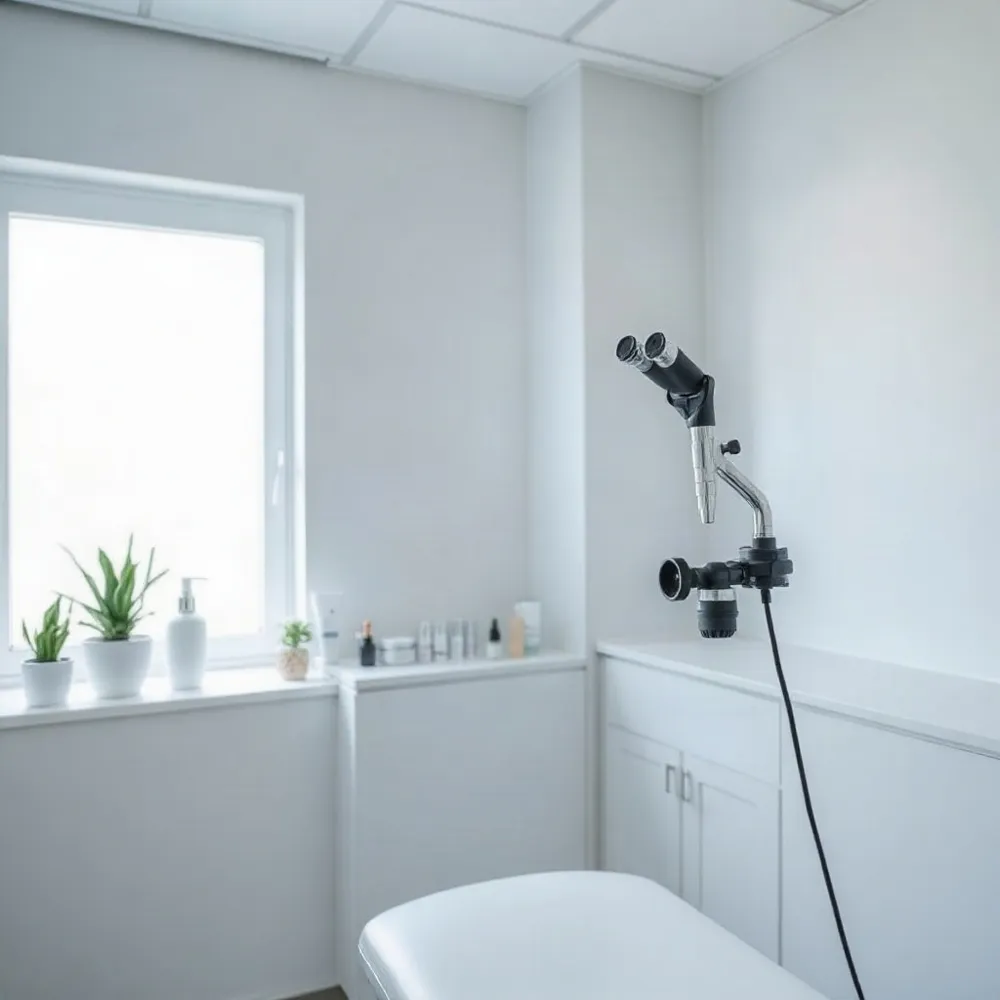
A Visit Built Around Your Skin
A first cosmetic dermatology visit is a chance to discuss what you would like to change while considering your overall skin health. You can describe concerns in everyday language, such as uneven tone or a tired appearance, without knowing the clinical terms or choosing a procedure in advance.
The dermatologist can assess your skin, review relevant health history, and explain options, including their possible benefits, risks, and alternatives. The American Academy of Dermatology’s questions for cosmetic treatments can help you prepare for that conversation. At On The Spot Dermatology, care is personalized around skin health and aesthetics, so you can ask questions and consider recommendations before deciding what feels right.
Understanding Your Dermatologist’s Role
 Dermatologists are physicians trained to diagnose and treat conditions of the skin, hair, and nails. They assess concerns, explain findings, and may recommend medication, other therapies, or procedures such as a biopsy. For a fuller explanation of a dermatologist’s role in medical care, see how dermatologists diagnose and treat skin conditions.
Medical dermatology addresses health concerns such as acne, eczema, psoriasis, rashes, hair loss, nail fungus, and skin cancer. A clinician may examine a changing or persistent spot and determine whether it needs further assessment. Some dermatologists also provide cosmetic care, though available services vary by practice.
Cosmetic dermatology focuses on elective treatments intended to improve appearance, including concerns such as wrinkles, uneven tone or texture, sun spots, and scars. The American Academy of Dermatology’s guidance on cosmetic treatment questions recommends discussing benefits, risks, alternatives, and the clinician’s experience before deciding on a procedure.
The categories can overlap: a change in skin may be a medical issue, an aesthetic concern, or both. At On The Spot Dermatology, a practice in Glenview, Illinois, care includes both medical and cosmetic skin treatments, with recommendations based on the patient’s concerns and skin health.
Coverage depends on the type of care and the patient’s insurance plan. Before proceeding, ask the clinic about costs and contact the insurer to confirm whether the service is covered.
Preparing for a Useful Consultation
 A little preparation can help you make the most of the conversation and give your dermatologist a clearer picture of your goals and skin history.
How should I prepare for a dermatology appointment?
Before your visit, write down your main concerns, when they began, how they have changed, and any patterns or triggers you have noticed. Add questions you want answered, current skincare products, medications and supplements, allergies, relevant personal or family medical history, and previous skin treatments. This kind of background can help the clinician tailor the discussion; SIU Medicine’s overview of a first dermatology visit describes reviewing these details as part of an initial appointment.
Describe aesthetic goals in ordinary language, such as wanting a smoother texture or a less tired appearance. Note lifestyle factors and treatment preferences that may affect your choices, including how much recovery time you can manage. Reference photos may help show what you mean, but ask the clinic whether it accepts them.
When possible, arrive with clean skin and no makeup so the clinician can assess it clearly. Follow the office’s preparation instructions, and do not stop prescribed medicines or treatments unless your clinician advises you to. At On The Spot Dermatology, personalized care takes both skin health and aesthetic goals into account, so sharing your routine and priorities can inform the consultation.
What should I expect at my first dermatology appointment?
Your provider will typically discuss your concerns, medical history, medications, allergies, skincare routine, and prior treatments. The clinician may examine the areas you hope to address and consider skin type, tone, texture, and overall health. The examination’s scope and appointment procedures vary by clinic and by individual needs. You can ask what the assessment will involve and raise any concerns about comfort or privacy before it begins.
Discussing Goals and Treatment Options
A cosmetic consultation is a two-way conversation, followed by an assessment of the areas you want to address. You can describe your goals in everyday language and share how your lifestyle, skincare habits, past treatments, and medical history may affect your priorities. This helps your dermatologist discuss options suited to your skin and health, rather than assuming you have already chosen a procedure.
At On The Spot Dermatology, consultations are part of personalized care focused on both skin health and aesthetics. Depending on your concerns and the practice’s available services, options may include skincare recommendations, medicines, chemical peels, laser treatments, injectables, or fillers. A recommendation may differ from what you first had in mind if another approach better fits your skin or goals.
To support an informed choice, ask what each option is intended to address and what results are realistic. The American Academy of Dermatology’s questions about cosmetic treatments suggest discussing benefits and risks, recovery time, how many sessions may be needed, and the clinician’s experience with the procedure. You can also ask how your medical history, skin type, or current routine affects suitability.
Ask about alternatives, aftercare, follow-up, and the expected timeline before deciding. Fees and insurance coverage vary, so confirm the cost and check with your insurer whether any part of care may be covered. A consultation is a chance to learn and consider your options, not a commitment to proceed. If you have several concerns, ask which to address first and what a practical next step would be.
For more on preparing for this discussion, see how to make the most of your cosmetic consultation.
When a Spot Needs Medical Assessment
 A cosmetic visit can also bring a medical concern to light. A spot that changes, persists, returns, worsens, or is difficult to manage deserves professional assessment. New or changing growths, persistent rashes, unexplained hair loss, and changes in nail color, texture, or thickness are also worth discussing. These signs do not by themselves mean a serious condition is present.
When checking a mole or other suspicious change, a dermatologist may ask when you first noticed it, how it has changed, and about relevant personal or family history. The clinician examines its features and may use a dermatoscope, a small magnifying device, to inspect the skin more closely. A skin examination can help identify areas that may need further evaluation, as described by SIU Medicine.
If more information is needed, the dermatologist may recommend a biopsy. The clinician explains the procedure and its risks and benefits, then obtains your consent. The area is numbed with a local anesthetic, and a sample is sent to a laboratory for analysis. A biopsy is not automatic: depending on the examination, the next step may instead be monitoring, treatment, other testing, or follow-up.
The “two-week rule” is a general prompt to seek assessment for a persistent or suspicious skin change, not a diagnosis or a formal U.S. referral deadline. Contact a healthcare professional about a spot that changes, bleeds, crusts, itches, or does not heal. Seek advice sooner for rapid change, significant bleeding, or another urgent concern. For more on when a changing spot needs medical attention, see guidance on skin changes that deserve attention.
Privacy and Comfortable Care
An examination can feel personal, especially when a concern involves an intimate area. If you have noticed a rash, spot, irritation, or other change there, tell your dermatologist where it is and ask what an examination would involve.
A dermatologist can assess an intimate-area skin concern when relevant to your care. You may raise privacy or comfort concerns and ask whether a chaperone is available. The examination should focus on what is needed to assess the concern, with appropriate draping. For more on discussing privacy during an exam, see these tips for a comfortable dermatology appointment.
Clear explanations can help you understand each step and decide how to proceed. The SIU Medicine guide to a first dermatology visit describes how an examination may be adapted to a patient’s concerns; specific practices and chaperone policies vary.
Leave With Clear Next Steps
A first cosmetic dermatology consultation can help you understand your skin, raise questions, and consider options tailored to your needs. A recommendation is a starting point for discussion, not a reason to proceed with a treatment that does not feel right for you. The American Academy of Dermatology’s questions for cosmetic treatments can help you weigh benefits, risks, alternatives, recovery, and cost.
Before you leave, make sure you understand the recommended plan, whether tests or follow-up are pending, and whom to contact with questions. At On The Spot Dermatology, care is personalized to skin health and aesthetic concerns. Available services and office procedures vary, so confirm the details with the practice.