Start With Skin Comfort
A skincare routine should help your skin feel comfortable, not leave it tight, stinging, or overloaded. Applying products in a sensible order can help lighter formulas reach the skin before heavier creams, while limiting unnecessary dryness and irritation. A useful starting rule is to layer from thinnest to thickest, though product directions may call for a different order. Cleveland Clinic’s guide to product order explains how heavier products can interfere with lighter ones.
More steps and more active ingredients do not automatically produce better results. A gentle cleanser, moisturizer, and broad-spectrum sunscreen may be enough to form a consistent foundation; extra products can raise the chance of irritation or breakouts. The Cosmopolitan guide to skincare order also advises keeping routines simple and choosing additions for a clear skin concern.
At On The Spot Dermatology in Glenview, personalized care from skilled healthcare providers can help patients match products and treatments to their skin’s needs. General layering advice is only a starting point: formulas, sensitivities, and existing skin concerns vary. Introduce new products gradually, follow label instructions, and seek dermatology guidance if irritation persists or you are unsure which ingredients belong together.
Build Around the Essentials
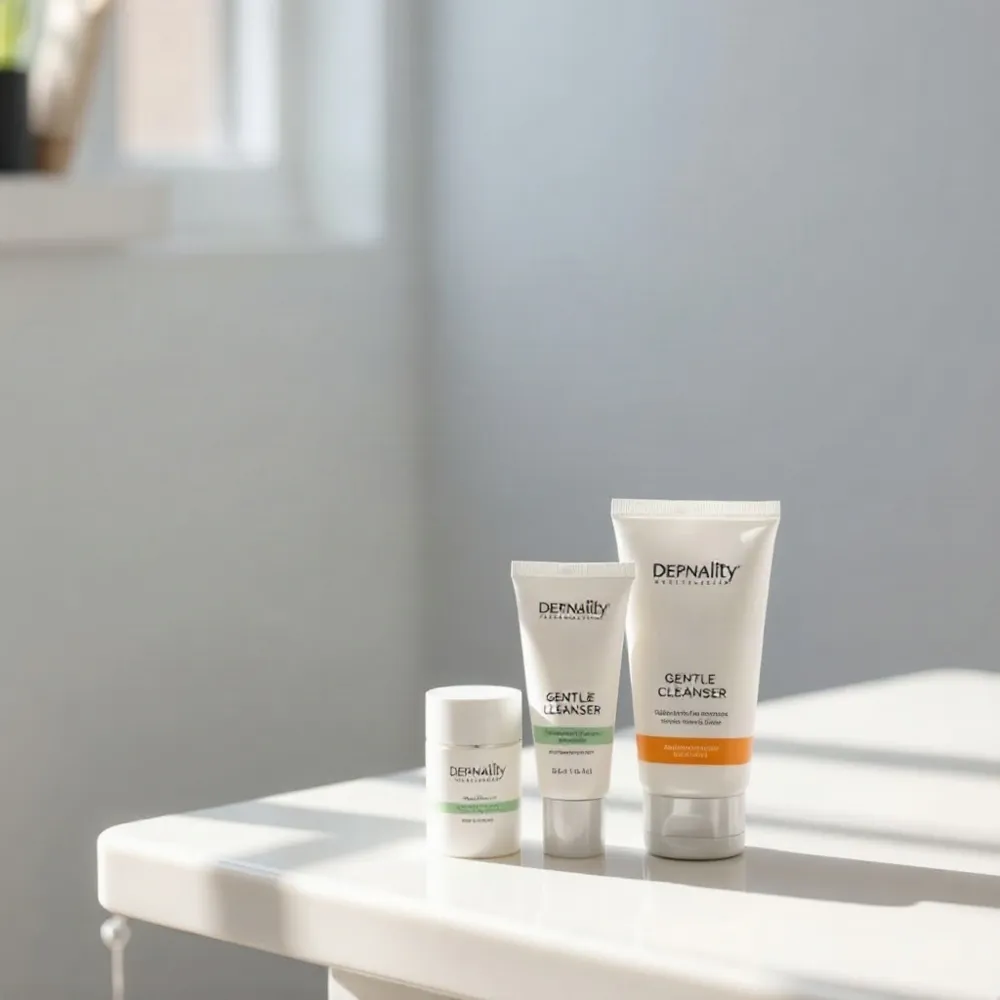 A practical routine can start with three steps: a gentle cleanser, a fragrance-free moisturizer, and daily broad-spectrum sunscreen with SPF 30 or higher. This simple foundation helps clean the skin, support its barrier, and protect it from ultraviolet exposure. Dermatologists commonly recommend these basics before adding optional treatments (dermatologist guidance on skincare order).
Choose textures to suit your skin rather than assuming one formula works for everyone. Dry skin may feel more comfortable with a cream cleanser and a richer moisturizer, while oily skin may prefer a gentle gel cleanser and a lighter moisturizer. Oily skin still needs hydration. Combination skin may benefit from using a lighter texture overall and applying extra moisturizer to dry areas.
For sensitive skin, a short routine with gentle, fragrance-free products can make it easier to spot what causes discomfort. Acne-prone skin may need a targeted product, but adding several treatments at once can increase irritation. The right choices depend on the skin’s needs and response, as Cleveland Clinic’s routine guidance notes.
Toners, serums, exfoliants, and eye creams are optional, not required steps. Add one only when it addresses a specific concern, such as dryness or clogged pores, and introduce new products one at a time. This makes it easier to notice a reaction and decide whether the product belongs in the routine. At On The Spot Dermatology, personalized care from healthcare providers can help patients choose options suited to their skin health and aesthetic goals.
Follow the General Layering Order
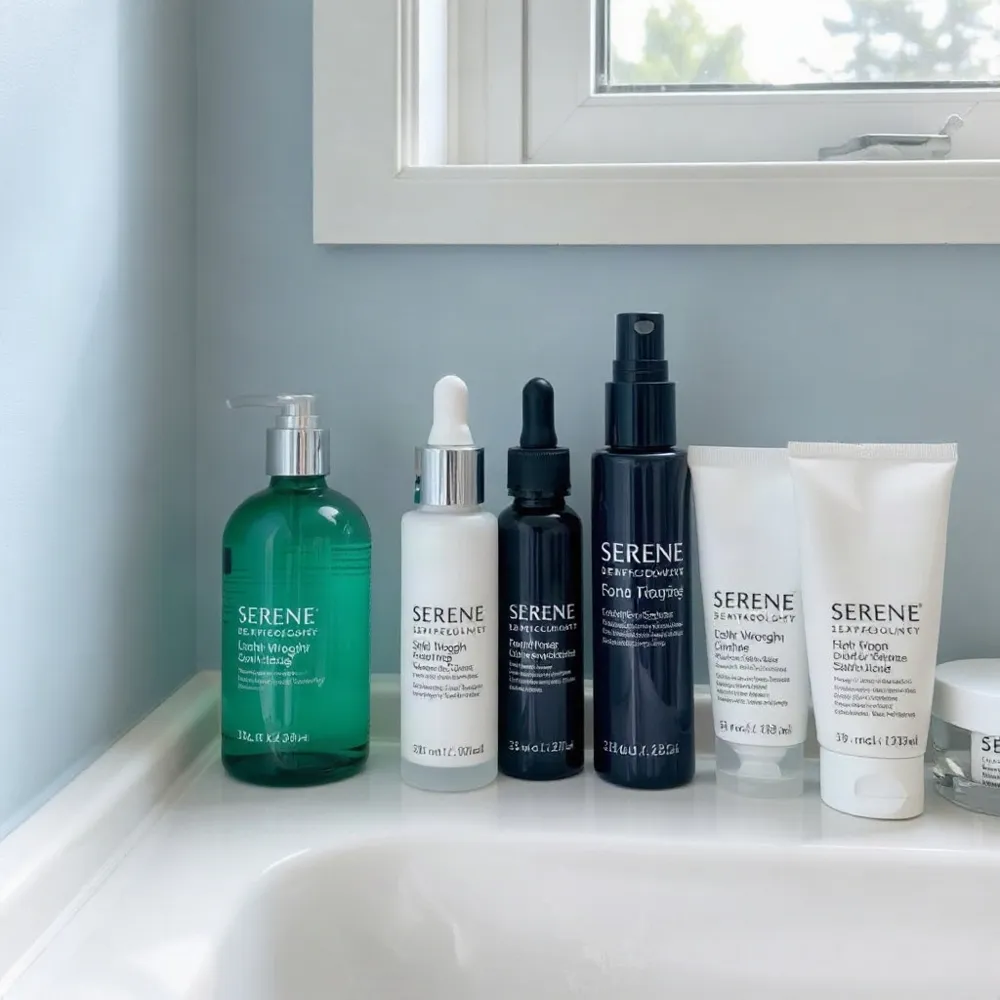 A useful starting point is to apply skincare from thinnest to thickest, usually putting water-based formulas before oils or richer creams. A heavier, more occlusive layer may make it harder for a lightweight serum applied afterward to reach the skin. Product instructions take priority, especially for prescription treatments or formulas that specify whether skin should be dry or damp. See this dermatologist guidance on skincare order for more detail.
For a typical morning routine, cleanse first, then apply optional toner and lightweight treatment serums. Follow with eye cream if you use one, then moisturizer, and finish with broad-spectrum sunscreen of at least SPF 30. Sunscreen belongs last among skincare products, before makeup.
At night, remove makeup or sunscreen first if needed, then cleanse. Optional toner and treatment products go next, followed by eye cream and moisturizer. If you use facial oil, apply it at the end, since its richer texture can sit over the layers beneath it.
These sequences are guides, not a checklist. Toner, serums, eye cream, and facial oil are optional, and many people do well with a simpler routine. The general layering order for skincare can help you decide where a product fits, while instructions for a specific treatment should come first.
On The Spot Dermatology in Glenview provides personalized medical and cosmetic skin care from skilled healthcare providers. If you have sensitive skin, a skin condition, or uncertainty about fitting treatments into your routine, an individualized discussion with a dermatology provider can help guide product choices and application.
Make Room for Makeup
Makeup fits best over skincare that has been applied in a simple, consistent order. After cleansing, put lighter serums or treatments on first, then moisturizer. This gives each layer a chance to sit on the skin before the next one goes on. On The Spot Dermatology’s guidance on practical product application also emphasizes applying skincare to clean skin, with lighter formulas before moisturizer.
In the morning, broad-spectrum sunscreen is the final skincare step. Keep it separate rather than mixing it into moisturizer or foundation, since mixing can make coverage less even. Once sunscreen has settled, apply primer if you use one, then foundation and other makeup. Dermatologists also recommend keeping sunscreen last in the skincare sequence before makeup, as outlined in this guide to skincare order.
Use thin layers and let each product settle before adding the next. There is no single waiting interval that every product requires, but giving formulas a moment to absorb may help reduce pilling. If makeup still clumps, try using less product or simplifying the layers rather than adding more.
At night, remove makeup and cleanse before applying treatments or moisturizer. Clean skin helps keep leftover makeup and daily buildup from becoming part of the evening routine.
Choose Optional Steps Carefully
Once the basics feel comfortable, optional products can be chosen to address a specific concern. Toner is not essential: a hydrating formula may suit dry or sensitive skin, while an exfoliating-acid toner may help with oily or acne-prone concerns if the skin tolerates it. For a routine that needs more individual tailoring, On The Spot Dermatology offers personalized medical and cosmetic care from healthcare providers.
If you use an exfoliant, apply it after cleansing and before serums. Chemical exfoliants and physical scrubs can both irritate skin when used too often, so introduce one cautiously and stop if discomfort develops. Cleveland Clinic’s guidance on skin-care product order also advises keeping routines simple and testing new products before adding them.
Serums are optional, targeted products. When layering more than one, start with the thinnest texture and move toward thicker formulas. Vitamin C is commonly used in the morning, while a hydrating hyaluronic-acid serum may support skin comfort. The right choice depends on your skin and other products; On The Spot Dermatology’s clinicians can help patients consider their individual skin-health and aesthetic needs.
Eye products are optional, too. Because the skin around the eyes is delicate, a simple hydrating formula may be preferable to a product with potentially irritating active ingredients. Check labels across your cleanser, toner, serum, and moisturizer so you do not unintentionally duplicate exfoliating or other active ingredients. Product combinations can affect irritation risk, as explained in this guide to skin-care ingredient combinations.
Recognize Risky Active Pairings
Using several potent ingredients in one routine can leave skin red, dry, peeling, itchy, or burning, and may weaken its protective barrier. These effects are not inevitable: risk depends on the ingredients, their strength and formulation, and your skin’s sensitivity.
Retinoids used alongside exfoliating acids, including glycolic, lactic, or salicylic acid, may increase dryness and irritation. A cautious approach is to use the products on separate nights rather than layering them together. The same principle applies to benzoyl peroxide and retinoids: the pairing can add dryness and may reduce the effectiveness of one or both ingredients. If both are appropriate for your skin, separating them by time of day or alternating days may help. Ingredient combination guidance describes these concerns and notes that formulation and individual tolerance matter.
Pure vitamin C, or L-ascorbic acid, and a retinoid may also irritate some people, especially if both products are started at once. Rather than treating the combination as universally forbidden, introduce one active at a time and consider using vitamin C in the morning and a retinoid in the evening. Your skin’s response and each product’s directions should guide the routine.
A moisturizer can support skin comfort, and daytime sunscreen matters when using ingredients that may increase sensitivity. If you have sensitive skin or irritation that continues, the personalized care offered by On The Spot Dermatology can help inform product choices and treatment plans. Read more about avoiding risky active pairings before adding another treatment.
Introduce Retinol Gradually
A cautious start can make retinol easier to tolerate. Choose one retinol product, follow its label, and begin less often than nightly rather than introducing several retinoid products at once. Skin-care guidance from dermatologists also recommends increasing use gradually as your skin adjusts.
Apply the labeled amount to clean, dry skin. A pea-sized amount is commonly suggested for the face, but product directions take priority. For sensitive skin, moisturizer before and after retinol may help buffer dryness and support the skin barrier. On the practice’s site, otsdermatology.com also emphasizes that personalized product choices and treatment guidance matter when building a routine.
Avoid starting retinol at the same time as exfoliating acids or scrubs. Combining strong actives can raise the risk of dryness, redness, peeling, or burning; once your skin tolerates retinol, ask a dermatologist whether exfoliants belong in your routine and how to separate them, often by using them on different days. Guidance on retinol and exfoliating acids likewise notes that individual formulas and tolerance affect which combinations are appropriate.
Use broad-spectrum sunscreen during the day while using retinol. If persistent redness, burning, marked dryness, or scaling develops, pause or reduce use and seek individualized advice. A dermatologist at On The Spot Dermatology can consider your skin’s sensitivity and current products when advising on a routine.
Layer Retinol in the Evening
A retinol evening routine works best when each step is gentle and purposeful. Cleanse with a mild cleanser, then pat your skin completely dry before applying retinol. Damp skin may increase irritation for some people, so follow the product label, especially if it directs you to apply the treatment to dry skin.
If you use a lightweight, water-based hydrating product, it may go on before retinol, but the formula’s directions should guide the order. Apply retinol as directed, then finish with moisturizer. A thin layer of moisturizer before and after retinol can act as a buffer for sensitive skin. Optional facial oil can follow moisturizer if it suits your skin. A dermatologist’s general layering guidance also recommends starting retinoids slowly and using moisturizer to help limit dryness.
Begin with a low-strength product once or twice a week, using only the amount on the label, and increase gradually if your skin remains comfortable. Avoid using exfoliating acids on the same night unless your dermatologist recommends that combination. Separating active treatments can make it easier to spot what is causing irritation. For a more detailed routine, see how to layer retinol in the evening.
Use broad-spectrum SPF 30 or higher the next morning, since retinoid routines call for careful sun protection. At On The Spot Dermatology in Glenview, Illinois, healthcare providers offer personalized care for skin health and aesthetics. A dermatologist can help adapt retinol use to your skin’s sensitivity, other treatments, and goals, and advise you if irritation persists.
Respond to Product Irritation
 If a product leaves your skin stinging, red, itchy, or unusually tight, stop using it rather than trying to push through the reaction. Gently rinse the area with cool water and keep the rest of your routine simple while the skin settles.
A cool, damp cloth or compress can provide temporary comfort. Apply a plain, fragrance-free moisturizer, and avoid exfoliants, retinoids, acne treatments, and other active ingredients during recovery. If retinoid use may be involved, protect the skin from sun exposure with sunscreen and follow its directions. Cleveland Clinic’s guidance on product irritation also advises stopping a product that causes irritation and consulting a dermatologist.
Seek medical advice if symptoms are severe, getting worse, or not improving, or if you notice significant swelling, blisters, or oozing. A dermatologist can assess whether the reaction may be irritation or an allergy and advise whether further evaluation, such as patch testing, is appropriate. Readers in the Glenview area can seek individualized guidance from On The Spot Dermatology, a dermatology practice offering personalized medical and cosmetic skin care.
After the skin has healed, reintroduce products one at a time so you can notice how your skin responds. Before adding a new product across your face, test a small amount on a limited area and watch for a reaction. If irritation returns, stop the product and ask a clinician for advice. For further guidance on calming and caring for a compromised barrier, see advice on repairing and calming a damaged skin barrier.
Identify Retinoid Irritation
Retinoid irritation can look like dryness, redness, tightness, flaking, stinging, burning, or tenderness. It may appear after starting treatment or after increasing its strength or frequency. Some mild dryness or flaking can happen as skin adjusts, but worsening or persistent discomfort is a reason to pause rather than push through.
Stop applying the retinoid until your skin feels settled. During recovery, use a gentle cleanser and fragrance-free moisturizer, and try a cool compress for discomfort. Avoid exfoliants and other potentially irritating active ingredients while the skin heals. Protect it from sun exposure with broad-spectrum sunscreen. These steps align with Cleveland Clinic guidance on responding to product irritation.
When symptoms have resolved, ask a dermatologist whether to restart at a lower strength or use the product less often. A moisturizer applied before or after a retinoid may help reduce dryness for some people, but follow the product directions and your clinician’s advice. Avoid increasing use quickly; dermatologist guidance on retinoid routines also emphasizes gradual introduction.
For an individualized assessment, On The Spot Dermatology offers personalized care from healthcare providers at its Glenview practice, which provides medical and cosmetic skin treatments. A clinician can help distinguish expected irritation from a reaction that needs different care. Learn more about signs of skin reactions.
This guidance cannot diagnose a reaction. Seek medical advice if symptoms are severe, worsening, or not improving, or if swelling, blisters, or possible signs of an allergic reaction occur. Significant symptoms should be assessed by a medical professional.
Personalize the Routine With Guidance
A product label can offer a useful clue, but it cannot predict exactly how your skin will respond. “Non-comedogenic” does not guarantee that a product will never contribute to breakouts, since individual triggers and tolerance differ. The Cosmopolitan skincare guide also notes that the term is not FDA-regulated.
Consider speaking with a dermatologist if irritation persists, acne is difficult to manage, your skin is especially sensitive, or you are unsure whether active ingredients can be combined. A clinician can also help assess whether a retinoid fits your needs and circumstances, then tailor product choices and timing to your skin type, concerns, and tolerance.
At On The Spot Dermatology, personalized care from healthcare providers is part of the practice’s approach to skin health and aesthetics. That kind of individualized discussion can help distinguish a product reaction from an underlying skin concern and guide a routine that feels manageable.
For general guidance on product choices and layering, choosing skincare products with a dermatologist’s guidance can help clarify what labels do and do not promise. Start with the essentials, add one targeted product at a time, and let comfort and consistency guide what stays in your routine.
Keep the Routine Gentle
A useful routine is not a contest to fit in every product. Apply lighter formulas before richer creams, introduce active ingredients one at a time, and moisturize to support skin comfort. In the morning, finish with broad-spectrum sunscreen. These general steps can guide a routine, but product directions and your skin’s response matter too.
Dermatologists generally advise keeping the routine simple and adjusting it to individual needs, rather than adding steps without a clear purpose (Cleveland Clinic’s skin care order guidance). If irritation continues or it is hard to choose products for a particular concern, a dermatologist can help tailor a plan. At On The Spot Dermatology, providers offer personalized care for skin health and aesthetic concerns, so recommendations can reflect the person rather than a one-size-fits-all routine.