A Regenerative Approach With Real Limits
Platelet-rich plasma (PRP) is made from a patient’s own blood and used in some cosmetic treatments to encourage skin repair and support collagen production. It may help improve concerns such as texture or fine lines, but results vary and are not assured. Research on facial rejuvenation remains limited, so PRP should not be presented as a permanent fix or a way to restore skin to an earlier age. The American Academy of Dermatology’s overview of PRP notes that evidence is limited and outcomes are unpredictable.
For patients considering treatment, the practical questions are what changes are realistic, how the procedure fits their goals, and what uncertainties or risks apply to their health history. On The Spot Dermatology offers personalized medical and cosmetic skin care in Glenview, where a clinician can assess whether PRP suits an individual’s skin and discuss other options. This guidance matters because preparation methods and treatment plans differ, and no single approach guarantees the same result for everyone.
How PRP Is Prepared and Used
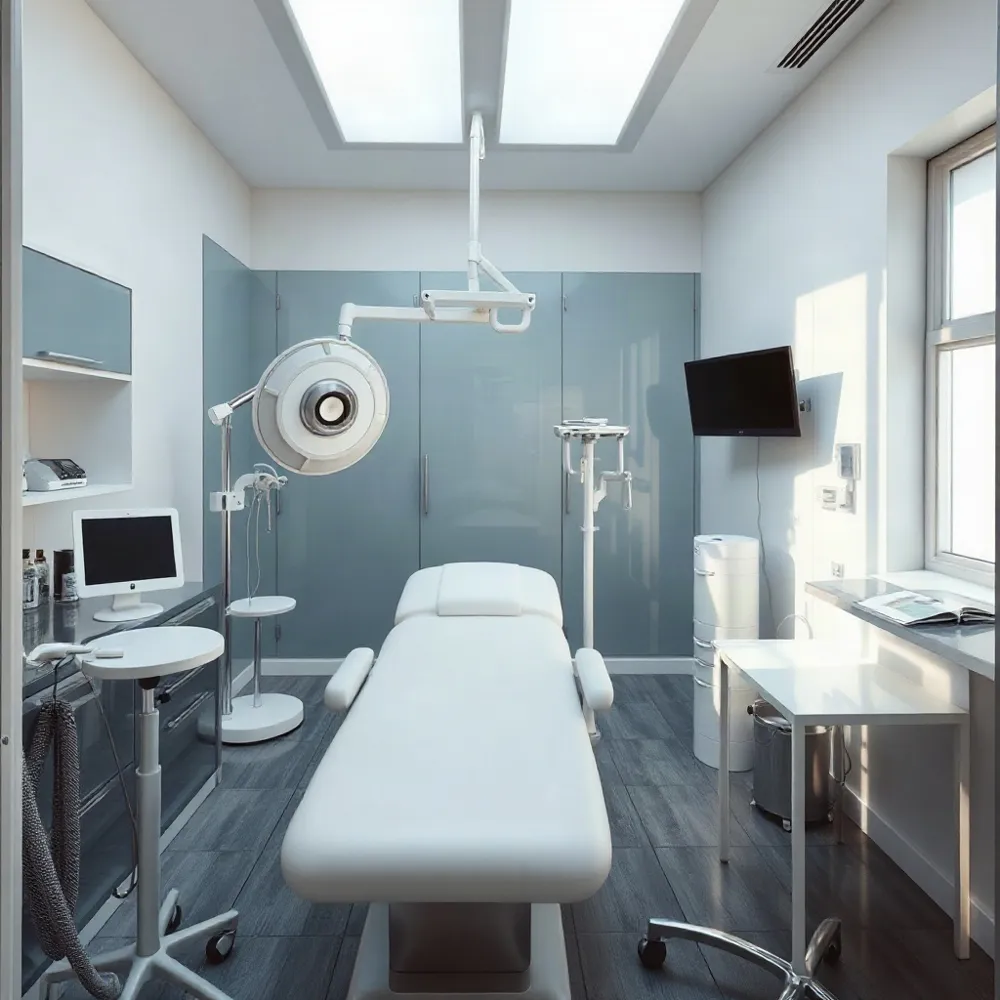 A platelet-rich plasma (PRP) facial begins with a small blood sample from the patient. A clinician spins the sample in a centrifuge to separate its components and concentrate platelets in plasma, then prepares that portion for treatment. This process is described by the American Academy of Dermatology.
Platelets contain growth factors associated with healing and tissue repair. PRP is intended to support processes such as collagen production and cellular turnover, but the exact way it works in skin is not fully understood, and a cosmetic result is not assured. Preparation methods also vary, so a clinician can explain how the treatment is performed and what evidence applies to the specific approach.
How is PRP applied to the skin?
One approach applies PRP during or after microneedling, which creates small channels in the skin. Another uses injections to place PRP in targeted areas. These methods are not interchangeable with a PRP facelift: the facelift described by Cleveland Clinic combines PRP injections with hyaluronic acid filler, while a PRP facial may use microneedling or small pricks to help deliver PRP to the skin (Cleveland Clinic’s description of a PRP facelift).
At otsdermatology.com, PRP is presented as an option for areas including the cheeks, jawline, neck, and décolleté. The treatment plan should reflect the patient’s skin, goals, and health history rather than assume one method suits everyone.
Before proceeding, a dermatologist can review how PRP will be applied, what recovery may involve, and the possible risks, including temporary discomfort or bruising. A consultation also gives patients a chance to discuss whether PRP fits their goals and what alternatives may be appropriate.
Potential Benefits and Evidence Limits
 Does PRP facial treatment work, and what skin concerns may it improve? PRP may improve some aspects of skin quality, but results vary and evidence for facial rejuvenation remains limited. Studies and patient reports describe possible changes in texture, tone, elasticity, firmness, fine lines, brown spots, redness, and acne-scar appearance. These findings do not mean every patient will see a noticeable change.
A 2024 review examined 11 studies involving 382 patients and found reports of improvements across several measures of skin quality. However, treatment methods differed, and most studies had limitations, making it difficult to establish how large or reliable the benefits are. The review of PRP for facial skin rejuvenation notes that stronger, more consistent research is needed.
The American Academy of Dermatology’s assessment of PRP likewise describes the evidence as limited and outcomes as unpredictable. PRP is not proven to reverse skin aging, erase wrinkles, or restore a younger appearance, and results from PRP used for joints or hair loss do not establish that it works for cosmetic skin concerns. At otsdermatology.com, facial PRP is presented as an option to discuss in light of individual skin goals, not as a guaranteed result.
PRP also works differently from a neurotoxin: it does not relax facial muscles to soften expression lines. Its proposed role is to support skin repair and collagen activity, so a dermatologist can help clarify whether it fits the concern and how it compares with other treatment options.
Timelines, Treatment Series and Durability
PRP facial treatment is not expected to produce an immediate change in skin quality. If it helps, early differences may emerge over several weeks, with further changes developing over the following months. When a procedure also includes hyaluronic acid filler, any immediate plumping comes from the filler, not proof of a PRP effect, as the Cleveland Clinic explains.
There is no established number or spacing of sessions that suits every patient. The American Academy of Dermatology reports that most patients who see results have received three or more treatments, while a 2024 review found three sessions to be common and noted that study protocols varied. These reports describe patterns in the available evidence, not a universal prescription.
At otsdermatology.com, treatment planning is personalized to the patient’s skin and goals. A dermatologist can discuss whether a series or repeat treatment is reasonable, while making clear that some people may notice subtle improvements and others may see little change.
How long any improvement lasts is also uncertain. The AAD says results may last as long as 18 months, but that is a possible duration, not a guarantee. A clinician can help weigh a patient’s response, expectations, and treatment goals before recommending maintenance.
Risks, Safety and Medical Suitability
 What are the possible side effects and risks of PRP facial treatment, including any long-term effects? Temporary pain or tenderness, bruising, swelling, redness, bleeding, or general discomfort may follow treatment. These effects often settle within days, but recovery differs from person to person. If symptoms are severe, worsen, or do not improve, contact your healthcare provider.
Because PRP is prepared from your own blood, careful handling still matters. Blood must be kept sterile and correctly identified to reduce the risk of infection or contamination. Facial injections also require sound anatomical knowledge and precise technique. Rare serious complications, including vision injury, have been reported after PRP injections, so ask about the clinician’s training and the safeguards used during preparation and treatment. The American Academy of Dermatology’s PRP guidance discusses safe blood handling and the limits of current knowledge about long-term effects.
A treatment that combines PRP with hyaluronic acid filler has additional risks that do not apply to PRP alone. Filler may cause nodules or persistent swelling, and, rarely, entering a blood vessel can injure tissue. The Cleveland Clinic’s overview of the PRP facelift describes these filler-specific concerns. Ask which treatment method is proposed and what risks apply to it.
Who may not be a good candidate for PRP facial treatment? Suitability depends on your health history, medications, and the area being treated. Blood or clotting disorders, active infection, cancer affecting the treatment area, and medicines that affect bleeding may rule out treatment or call for extra caution. Tell your clinician about prescriptions and supplements, and do not stop prescribed medication unless the clinician who manages it advises you to.
At otsdermatology.com, a personalized treatment discussion can take your skin goals and medical history into account before a plan is considered. For more on possible short-term effects and recovery, see this guide to PRP safety and side effects.
Aftercare and Recovery
What should patients avoid after PRP facial treatment, and how should they care for their skin? The answer depends on whether PRP was injected, applied with microneedling, or combined with another procedure. Follow the treating provider’s instructions, which should reflect the method used and your skin’s response. For background on recovery after microneedling, see this guide to post-procedure care.
Temporary redness, swelling, bruising, tenderness, or discomfort may occur. Many people return to usual activities quickly, though mild effects can persist for several days. Aftercare for a PRP facelift may differ because that procedure combines PRP injections with filler, so its instructions should not be assumed to apply to every PRP facial.
Depending on the treatment, a provider may advise limiting sun exposure, strenuous exercise, heat, makeup, or potentially irritating skin products for a specified period. Keep cleansing gentle, and resume sunscreen when your provider says it is appropriate. At otsdermatology.com, individualized PRP planning considers the treatment area and method, so patients can ask which precautions apply to their session.
Contact your provider if pain worsens, swelling or bruising is excessive or persistent, bleeding occurs, or you notice other concerning symptoms, such as signs of infection. Cleveland Clinic’s PRP facelift guidance also advises contacting a healthcare provider for bleeding, excessive bruising, pain, or swelling that does not go away.
What PRP Cannot Do and What It Costs
Can PRP facial treatment lift jowls or improve skin laxity? PRP may support modest changes in skin quality or firmness, but it does not physically lift jowls or reliably tighten pronounced loose skin. It also does not provide the lifting effect of surgery or the immediate volume restoration of fillers. A dermatologist can assess whether PRP or another treatment better fits your goals. For more on these limits, see what PRP cannot do.
At otsdermatology.com, PRP is described as a treatment intended to support collagen and elastin, with areas such as the cheeks, jawline, neck, and décolleté considered for treatment. These goals concern skin quality, not a surgical lift or guaranteed correction of laxity.
How much does PRP facial treatment cost? Prices depend on location, provider, treatment plan, and what the fee includes. The American Academy of Dermatology’s PRP cost estimate places U.S. sessions at $250 to $1,500. Cosmetic PRP is generally not covered by insurance.
Ask whether a quote is for one session or a series, and whether consultation or follow-up fees are separate. The amount of treatment needed can vary, so a clinician should provide a personalized estimate after discussing your goals and assessing your skin. No specific practice price should be assumed without a current quote.
Make the Decision With Clear Expectations
PRP may improve aspects of skin quality for some people, but the evidence is limited and results, including how long they last, vary. The American Academy of Dermatology’s guidance on PRP stresses that outcomes are unpredictable and that PRP cannot restore the face to how it looked years ago.
A consultation with a qualified dermatologist can help you weigh your goals against your medical history, treatment alternatives, likely costs, and the uncertainties of PRP. At otsdermatology.com, dermatology providers offer personalized medical and cosmetic care, so treatment planning can reflect your skin concerns and health needs rather than assume one approach suits everyone.
Before deciding, ask what improvement is realistic, what the plan involves, and how you and your clinician will assess whether it is worth continuing. Clear expectations make it easier to choose care that fits your priorities.