A Better Start for Skin Health
A first dermatology appointment is a chance to replace guesswork and product trends with a clearer understanding of your skin. A dermatologist can assess concerns affecting the skin, hair, or nails and discuss appropriate next steps.
At On The Spot Dermatology, a Glenview practice offering medical and cosmetic skin treatments, the conversation can address both health concerns and appearance goals. Describe what has changed, what you have tried, and what you hope to achieve, whether that means easing irritation or improving skin tone.
Bring your questions, and ask for clarification whenever something is unclear. You can discuss possible causes, care options, and how a plan might fit your needs. Sharing your priorities helps make the visit a practical starting point for personalized skin care.
What the First Visit May Include
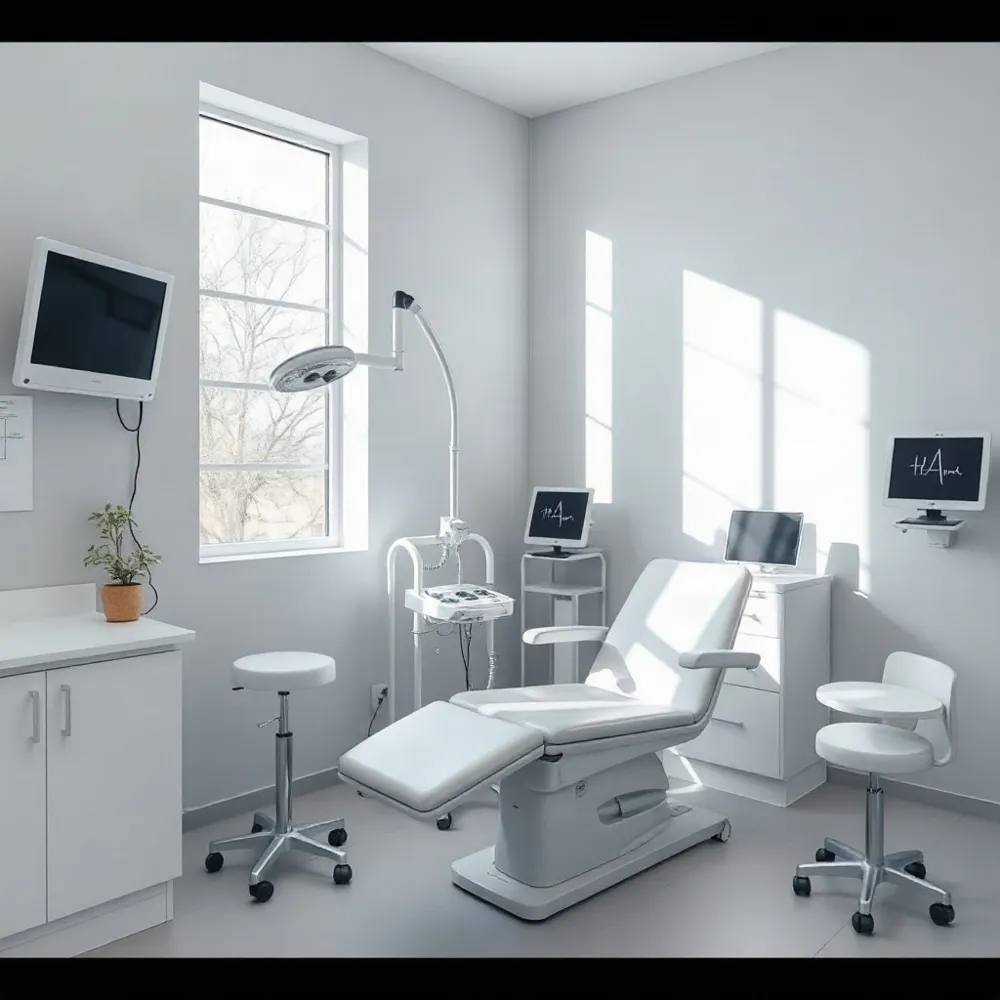 A first appointment usually begins with a conversation about what brought you in. Your dermatologist may ask about current concerns, personal and family medical history, allergies, medications and supplements, sun exposure, and the skin-care products you use. At On The Spot Dermatology, personalized medical and cosmetic care starts with understanding each patient’s skin and goals.
Dermatologists treat conditions affecting the skin, hair, and nails, including acne, eczema, psoriasis, rosacea, rashes, hair loss, nail problems, and skin cancer. Depending on the findings, care may involve medication, tests, procedures, or discussion of cosmetic concerns. SIU Medicine’s overview of a first dermatology visit describes how examination and treatment options can vary with a patient’s needs.
The examination may focus on the area that concerns you or include a full-body skin check to establish a baseline. Ask which areas will be examined, and point out any spots you want assessed. A dermatoscope, a small magnifying instrument, may help the clinician inspect skin more closely.
If a spot needs further investigation, the dermatologist may discuss a biopsy or other tests. Ask why a test is recommended, what it involves, and what its risks and benefits are. The clinician should explain the procedure and obtain your consent before proceeding. You can also raise questions about privacy or comfort during the examination.
Some diagnoses depend on test results, which may take several days. Before you leave, ask what the clinician knows so far, what remains uncertain, and how and when results will be shared. This can help you understand whether the next step is treatment, follow-up, or further evaluation.
Prepare to Make the Most of Your Time
 A little preparation can help your dermatologist understand what is happening and make the visit more focused. Write down each concern, when it began, and how it has changed. Photos can show an intermittent rash or flare-up that is not visible at the appointment. The American Academy of Dermatology’s appointment guidance also recommends writing down questions and sharing relevant medical history.
Bring an accurate list of medications, supplements, allergies, and skin-care products, along with details of treatments you have tried. Include relevant personal or family medical history. These details can help the clinician consider possible triggers and understand what has or has not helped.
For an easier examination, arrive with clean skin and, when possible, without makeup, nail polish, jewelry, or other cosmetics. Wear comfortable clothing, and keep long hair loose. If you are unsure whether the visit may include a full skin examination, ask the office what it involves and whether you may be asked to change into a gown. You can also ask about privacy or any recommended procedure before it begins.
How should I prepare for my first dermatology appointment?
Make a brief list of symptoms, questions, and changes you have noticed, and bring photos of concerns that come and go. Have your medication, supplement, allergy, and product lists ready, as well as relevant medical history and information about previous treatments. These steps can support a useful discussion without requiring you to remember every detail on the spot.
How long does a first dermatologist appointment usually take?
There is no single standard duration established by the available guidance. The time needed depends on your concerns, the examination, and whether a finding calls for further evaluation or a procedure. Ask the office how much time to allow. At On The Spot Dermatology, care is personalized to the patient’s medical or cosmetic concerns, so arriving prepared can help make room for a clear discussion of your needs.
Questions That Clarify Your Care Plan
 A few prepared questions can turn the exam into a clearer conversation about what happens next. The American Academy of Dermatology recommends writing questions down and asking for unfamiliar terms to be explained in plain language. You can also request the medical name of a condition so you can learn more afterward (AAD guidance on choosing a dermatologist).
What questions should I ask my dermatologist at my first visit?
Start with: What might be causing this, and what else could it be? Do I need an examination or tests? Which treatment options fit my situation, and what are their likely benefits, risks, and alternatives? Ask how to use any prescribed treatment, which products to stop or avoid, and how long improvement may take. A personalized discussion of medical or cosmetic concerns is part of the care offered at On The Spot Dermatology in Glenview.
Ask which side effects are common, what symptoms or changes should prompt a call or earlier visit, and when follow-up is appropriate. If a diagnosis is uncertain until test results arrive, ask when and how you will hear about them. These questions can help you understand the plan and what to do if symptoms persist or return.
For cosmetic goals, describe the outcome you hope for, such as less redness or a more even skin tone. Ask what results are realistic, which options may suit that goal, whether treatments should be sequenced, and what recovery or costs may involve. On The Spot Dermatology provides both medical and cosmetic skin care, with recommendations shaped around individual needs.
Discuss Acne and Eczema Specifically
Skin concerns can overlap, so describing when symptoms started and what has changed helps the dermatologist assess the pattern. At On The Spot Dermatology, medical and cosmetic skin care is personalized to the patient’s concerns and findings.
What happens at a dermatology appointment for acne?
The dermatologist may ask when breakouts began, what treatments and products you have tried, and whether anything seems to affect your skin. The clinician will examine the acne and discuss options that fit your needs and health history. If acne persists or over-the-counter products are not helping, professional evaluation can clarify possible next steps.
Ask what type of acne you have, how to use a recommended treatment safely, what side effects to watch for, and whether scarring needs attention. You can also ask when to follow up and how progress will be assessed. Effective acne treatments are available, but the right approach depends on the individual; University of Utah Health’s dermatologist guidance encourages seeking care when acne is not improving with self-care.
What should I ask a dermatologist about eczema?
Ask whether your symptoms and examination fit eczema, and whether further evaluation, such as patch testing, could help identify a cause. Share suspected triggers, skin-care products, medicines, and treatments you have already tried. Ask which factors may be relevant rather than assuming a particular product or activity is responsible.
Discuss skin-barrier care, moisturizer type, bathing habits, and how to use any recommended treatment. Ask what to do during a flare, which side effects to watch for, and when to seek reassessment if symptoms do not improve. Dryness and itching can be associated with a compromised skin barrier, but moisturizer needs vary; University of Utah Health’s guidance on moisturizers suggests asking which formulation may suit your skin.
When a Spot or Hair Change Needs Attention
A new or changing spot, one that bleeds or itches, or a sore that does not heal normally deserves medical attention. Note when you first noticed it and what has changed, and mention any persistent rash, recurring itch, acne that is not improving, or hair or scalp change. If you are unsure how long to watch a concern, ask a dermatologist when to seek an assessment; University of Utah Health also advises discussing new or changing concerns that persist with a clinician (guidance on questions for a dermatologist).
What should I expect when a dermatologist evaluates a mole or possible skin cancer?
The dermatologist may ask when the spot appeared and whether it has changed, then examine it and possibly other areas of skin. A dermatoscope, a small magnifying device, can help with closer inspection. If further evaluation is appropriate, the clinician may recommend a biopsy, explain its risks and benefits, obtain your consent, and tell you how and when results will be shared. Mention a spot that looks different from your other moles, and ask which changes should prompt a call. SIU Medicine describes these examination and biopsy steps in its guide to a first dermatology visit.
On The Spot Dermatology provides medical and cosmetic dermatology care in Glenview, with care tailored to individual skin concerns. Bring photos of a spot or rash if its appearance changes between flare-ups; they can give the clinician useful context without replacing an examination.
What happens during a dermatology appointment for hair loss?
Expect questions about when shedding or thinning began, how it has changed, and relevant health history, medications, and hair products. The dermatologist may examine the scalp and hair and consider additional evaluation, such as tests, depending on the findings. Ask what may be contributing, what assessment is appropriate, and how progress will be monitored. Photos can help show changes over time, especially when shedding varies.
Appearance alone cannot confirm what a spot or hair change means. Ask what is known, what remains uncertain, and when to return or make contact sooner. At On The Spot Dermatology, a personalized medical assessment can help determine appropriate next steps rather than assuming that every concern needs the same test or treatment.
Comfort, Coverage, and Visit Costs
A full-body skin examination may include areas such as the scalp, back, feet, and other parts of the body, depending on the reason for your visit. Before it begins, ask what the examination will involve and tell the clinician about any concerns related to comfort or privacy. You can raise a specific spot or area you want checked and discuss your preferences before proceeding. Henry Ford Health’s exam guidance encourages patients to speak up if they are uncomfortable.
The cost of a first appointment varies by practice, location, insurance plan, and the care you need, so there is no reliable typical price to assume. Before booking, check with your insurer about coverage, network status, and any referral requirements. The American Academy of Dermatology’s insurance guidance also notes that cosmetic procedures usually are not covered.
Ask the practice what the visit fee includes and whether tests, a biopsy, medications, or treatment could lead to additional charges. On The Spot Dermatology provides medical and cosmetic skin care in Glenview, Illinois, so patients can ask the practice which services are relevant to their concerns and what costs to confirm with their insurer.
Before leaving, confirm what happens next, how and when you will receive any test results, and when reassessment may be appropriate. This helps you understand both the care plan and any follow-up steps.
Leave With Clear Next Steps
Before leaving, make sure you understand what the dermatologist found, what remains uncertain, and what to do next. If a term or instruction is unclear, ask for a plain-language explanation. For tests or a biopsy, confirm when and how you will receive results; some findings require several days of testing.
Ask when to follow up, what changes should prompt an earlier call, and how long to try a treatment before checking whether it is helping. The American Academy of Dermatology’s appointment guidance recommends preparing questions and sharing relevant medical history, including medications and supplements.
At On The Spot Dermatology, care includes medical and cosmetic skin treatments, with discussion shaped around each patient’s concerns. Sharing your goals and asking questions can help make the next steps practical and suited to your needs.