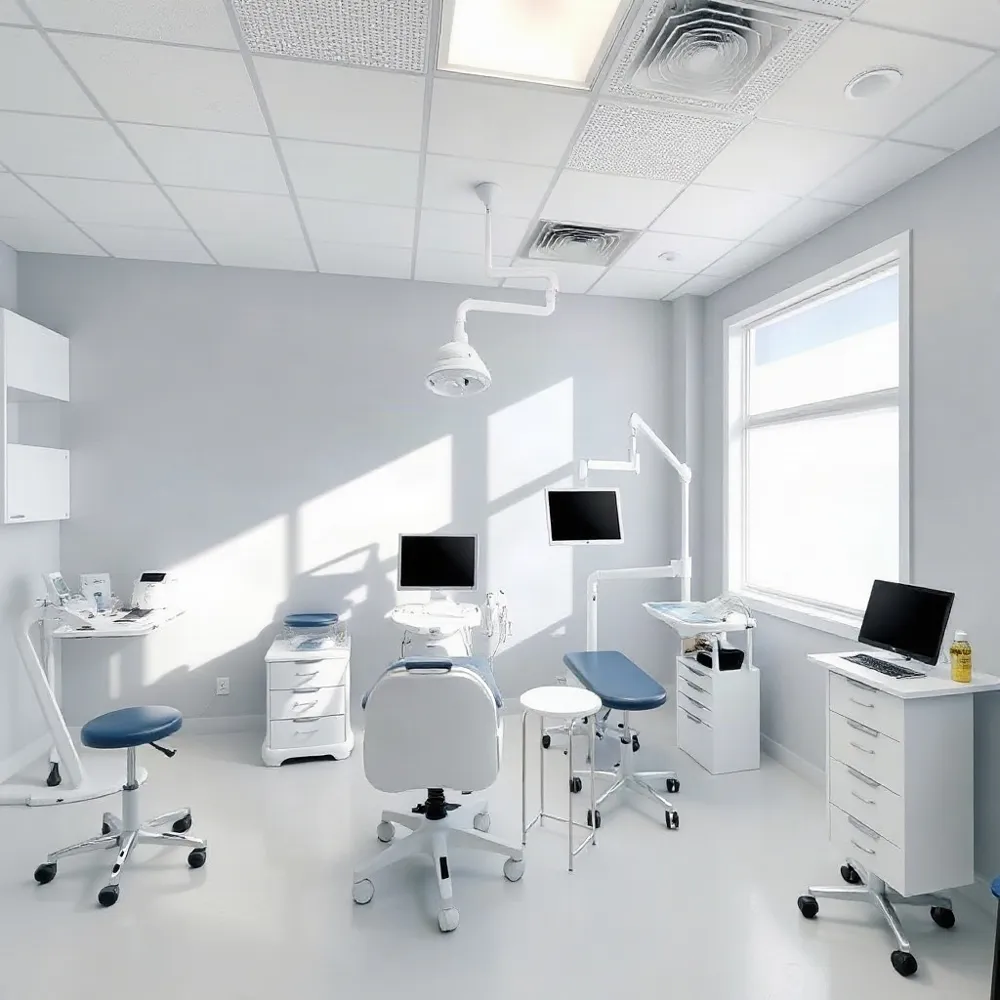
Prioritizing Skin Health Through Professional Exams
Preventative skin care serves as the first line of defense against skin cancer, which remains the most common form of malignancy. By establishing a professional skin exam as a routine health habit, you take a necessary step to catch potential concerns at their earliest, most treatable stages. While home monitoring is useful, a clinical evaluation provides a vital baseline for your health history that is often difficult to replicate independently.
At On The Spot Dermatology, our approach centers on a detailed assessment, ensuring that each full-body skin exam is both thorough and personalized to your unique risk profile. Unlike generic screenings that may overlook subtle changes, our team utilizes advanced diagnostic tools to inspect hard-to-see areas like the scalp and between the toes. This level of precision is part of our commitment to accessible, expert care for every patient in the community.
Building a long-term partnership with a board-certified dermatologist helps us track changes more effectively over time. Whether we are monitoring a new spot or updating your records after a previous appointment, we focus on continuity to support your long-term skin health. Maintaining these annual screenings ensures you receive timely advice and the highest standard of care at every stage of your life.
Understanding Who Should Schedule a Full Body Skin Exam
 A full-body skin examination serves as the first line of defense in maintaining skin health and ensuring the early detection of skin cancer. While professional dermatological organizations recommend annual screenings for all adults, the necessity for these check-ups increases significantly for those categorized as high-risk.
Risk Factors. Individuals with fair skin, light eyes, or red and blonde hair face a statistically higher susceptibility to UV damage. Risk factors also include a history of significant sun exposure, childhood sunburns, or professional work environments that require extensive outdoor time.
Clinical Indicators. Patients with a personal or family history of skin cancer, as well as those who possess numerous moles or atypical lesions, require more frequent surveillance. Regular diagnostic tracking helps identify subtle skin changes that often go unnoticed without a professional evaluation.
At otsdermatology.com, we prioritize personalized care by thoroughly reviewing your medical history and specific risk profile during your initial visit. While some practices take a generalized approach to scheduling, our providers work with you to establish a customized skin monitoring schedule that accounts for your unique health background and aesthetic needs.
Early detection is paramount, as treatments for melanoma and other malignancies are most effective when identified before they advance. Beyond annual clinical visits, we encourage our patients to perform monthly self-exams to help track changes in their skin between appointments.
Simple Preparation Steps for Your Dermatology Visit
 Taking time to prepare for your appointment at otsdermatology.com helps ensure your provider can conduct a thorough, accurate evaluation. Arriving with clean, product-free skin is essential for a clear visualization of potential anomalies. You should avoid applying lotions, creams, oils, and makeup, as these substances can obscure small lesions that require professional clinical inspection.
Your nails also require attention before the exam. Removing nail polish from both fingers and toes is necessary because skin cancers can occasionally develop in the nail beds. Additionally, leave your hair loose and avoid styling products, ponytails, or clips so your dermatologist can easily inspect your entire scalp.
Before you arrive, compile a brief history of your skin concerns and a current medication list. Whether it is a new growth or an existing mole that has changed in size, shape, or color, having these details ready allows you to communicate confidently with your healthcare team. This proactive approach supports the personalized care standards at otsdermatology.com, ensuring you make the most of your 15 to 30 minute appointment.
- Remove all makeup, foundation, and nail polish.
- Dress in loose, comfortable clothing to facilitate changing into a medical gown.
- Prepare a list of your medications and any specific spots causing concern.
- Leave hair loose to assist with a complete scalp examination.
Navigating the Examination Process and Privacy Standards
 A professional full-body skin cancer screening consists of a comprehensive, head-to-toe visual assessment designed to detect skin cancer early. During this procedure, a board-certified dermatologist inspects all skin surfaces, including the scalp, ears, mouth, fingers, toes, and soles of the feet. Dermatologists often use a dermatoscope to examine suspicious moles in detail.
To maintain your dignity and privacy throughout the evaluation, the clinical process relies on appropriate use of medical gowns and drapes. You will typically be asked to change into a gown, ensuring your skin remains covered except for the specific area currently being examined. This methodical approach allows the provider to perform a thorough diagnostic check without compromising your comfort.
Respect for your privacy extends to the examination of all body regions. While a full-body check includes inspecting areas such as the genital or perianal regions, providers handle these sensitive zones with complete professional discretion. You are generally permitted to keep your underwear on during the session, and we only uncover specific areas when necessary to ensure nothing is overlooked. If you have specific concerns regarding these areas, you are encouraged to communicate them to your provider, who will prioritize your comfort while maintaining the integrity of the clinical exam.
Professional Screenings. Your dermatologist performs a systematic head-to-toe inspection, covering everything from the scalp to between the toes, to identify early signs of skin cancer.
Undergarment Guidelines. Patients are typically allowed to keep their underwear on during the entire exam. We use medical gowns and strategic draping to ensure privacy, uncovering only one area at a time to complete the full body skin exam effectively.
Addressing Anxiety and Comfort During Your Skin Check
It is completely normal to feel nervous or self-conscious when preparing for a full-body skin cancer screening. However, please remember that your dermatologist performs these evaluations daily and views your skin through a purely clinical lens. At otsdermatology.com, we emphasize personalized care to ensure you remain comfortable throughout your visit.
Communicating your concerns at the start of your appointment can transform your experience. If you feel uneasy, tell your provider so they can describe each step of the skin cancer screening as they work, which helps demystify the process. Many patients find it helpful to bring a friend or family member for support, and you are always welcome to ask for a chaperone to be present if it helps you feel more secure.
Privacy remains a central pillar of these exams. Providers use medical gowns or specialized drapes to ensure that only the specific area being inspected is uncovered at any given time, respecting your modesty throughout the procedure. If the room feels cold, do not hesitate to ask for an extra blanket or garment. Taking this step to protect your health is a brave action, and our team is dedicated to fostering a professional environment where you feel both respected and informed.
Efficiency and Timeline of Your First Visit
A typical professional skin cancer screening is a relatively quick procedure that usually takes about 10 to 15 minutes to complete. During this time, your dermatologist will perform a thorough head-to-toe examination to check for any suspicious moles, spots, or lesions. While the physical check is brief, your appointment may take slightly longer if you need to discuss your personal health history or address specific skin concerns with your provider. At otsdermatology.com, we prioritize a careful and comprehensive review of your skin to ensure nothing is overlooked while keeping your visit efficient.
First-time visits often involve extra time for gathering information about your risk factors and medical history compared to routine check-ups. While other practices may rush through these foundational steps, the team at otsdermatology.com focuses on personalized care to understand your unique skin health profile. If your doctor identifies an area that requires further investigation, they may perform a biopsy. This involve administering a local anesthetic and removing a small tissue sample for lab analysis. Results from these procedures are typically available within 7 to 14 days, allowing for a timely follow-up discussion. Please feel free to bring any questions or specific areas of concern to the attention of your dermatologist during your screening.
Recognizing Red Flags and Clinical Diagnostic Tools
Detecting skin cancer at its earliest stage often relies on a combination of patient vigilance and clinical precision. Most dermatologists, including the team at otsdermatology.com, integrate advanced imaging technology into every routine check to maximize diagnostic accuracy. A primary tool in this process is the dermatoscope, a handheld device featuring a specialized light and magnifying lens. By allowing providers to see beyond the surface, this tool provides a detailed inspection of the epidermis and the layers beneath, enabling the identification of subtle markers that are invisible to the naked eye.
What are the common visual red flags for skin lesions that warrant a professional evaluation?
When monitoring your skin for changes, dermatologists recommend utilizing the ABCDE rule to identify potential red flags for melanoma. This system includes looking for Asymmetry, where one half of a mole does not match the other, and irregular Borders that appear ragged or notched. You should also watch for variations in Color, such as shades of brown, black, tan, red, or blue within a single lesion. Additionally, check for a Diameter typically larger than a pencil eraser, and be observant of Evolving features, such as a mole that changes in size, shape, or color over time. Any lesion that displays these signs or shows symptoms like persistent bleeding, itching, or crusting warrants a professional evaluation to ensure your long-term skin health.
While self-exams performed every three to six months are essential for tracking changes between appointments, they function as a supplement to professional care rather than a substitute. Because conditions such as basal cell or squamous cell carcinoma may present differently than melanoma, a board-certified dermatologist remains the only expert capable of definitive screening. If you notice a growth that fails to heal or an existing mole that begins to change in texture, scheduling a professional consultation ensures a timely diagnosis, which is linked to higher cure rates and less invasive treatment options compared to delayed detection.
Insurance Coverage and Follow-up Procedures
Most insurance plans cover professional skin cancer screenings, but policies fluctuate based on your provider and individual risk profiles. Verifying your coverage before your visit at otsdermatology.com is a vital step in preparing for your dermatology appointment to avoid unexpected costs. Some plans require a referral from a primary care doctor, particularly when an exam is categorized as diagnostic rather than preventative.
Are full-body skin examinations covered by insurance?
Whether a full-body skin examination is covered depends on your plan and risk factors. Many private policies provide coverage for these screenings because early detection is crucial. However, coverage can vary, and some programs require documented necessity. It is best to call your insurer directly or contact our office to confirm your benefits.
What is the 'two-week rule' in the context of dermatology?
The two-week rule is a clinical pathway meant to expedite referrals for suspected skin malignancy. Primary care providers often use this to ensure patients reach a specialist within 14 days of initial suspicion. This framework helps dermatology specialists prioritize urgent cases, significantly reducing the diagnostic uncertainty associated with potential skin cancer. If a biopsy is performed, results are typically returned within 7 to 10 days, allowing for a timely follow-up assessment.
Commitment to Your Long-Term Skin Health
Prioritizing your skin health is a lifelong endeavor that starts with establishing an expert partnership. While self-exams are vital for monitoring changes, nothing replaces the clinical precision of a professional full-body skin cancer screening. By scheduling a baseline exam with otsdermatology.com, you gain access to specialized diagnostic tools and personalized care that protect your wellness for years to come.
Early detection is the most powerful tool available for ensuring effective, less invasive treatment options. Consistent annual visits allow providers at otsdermatology.com to document your skin profile and identify subtle shifts before they become serious concerns. Take the definitive next step today by reserving your appointment and securing peace of mind through a proactive approach to medical dermatology.