
Embracing Proactive Skincare for Long Term Vitality
Entering your thirties marks a fundamental shift in skin biology. During this decade, collagen production begins a natural decline of approximately 1% annually, while skin cell turnover slows Skin anti-aging strategies - PMC - NIH. This transition often manifests as increased dryness, the emergence of fine lines, and changes in texture Skin Care Ages 30 to 39 - American Society for Dermatologic Surgery.
It is helpful to distinguish between intrinsic and extrinsic aging. Intrinsic aging is the genetic, biological process of time, whereas extrinsic aging is driven by environmental and lifestyle factors like sun exposure and smoking 11 ways to reduce premature skin aging. Because nearly 80% of visible aging is extrinsic, proactive steps remain highly effective The Complete Skin Aging Guide: Your Skincare Routine by Age (20s, 30s ...).
At otsdermatology.com, we emphasize that successful skin health is not a one-size-fits-all endeavor. Our providers focus on creating a personalized roadmap that balances your unique genetics with targeted preventive strategies. By establishing a professional skin health journey now, you build the foundation necessary to maintain resilience, address early concerns like sun damage, and support structural health for years to come.
Essential Preventive Strategies for Radiant Skin
 Maintaining a youthful complexion in your thirties and beyond depends heavily on the proactive steps you take today. While intrinsic aging is a natural biological process that happens over time, extrinsic aging caused by environmental and lifestyle factors is largely within your control. Up to 80% of visible skin aging is attributed to external influences, primarily sun exposure, making the use of broad-spectrum SPF 30 sunscreen the most critical tool for your daily defense.
What are the most effective ways to prevent premature skin aging?
Comprehensive sun protection is the foundation of any healthy regimen. Beyond sunscreen, you should seek shade during peak UV hours and utilize physical barriers like wide-brimmed hats and sunglasses to prevent squinting-related lines. At otsdermatology.com, we emphasize that protection is a daily requirement, even on cloudy days, to shield against UV-induced collagen breakdown and DNA damage.
Lifestyle habits are equally influential. Smoking is a significant accelerator of premature aging, as it constricts blood vessels and reduces oxygen flow, leading to a dull or sallow complexion. Similarly, alcohol intake causes systemic dehydration, which can worsen skin laxity over time. To support your skin from within, prioritize a diet rich in fresh fruits and vegetables, which provide the antioxidants necessary to combat free radical damage. Regular exercise also plays a role by boosting circulation and nutrient delivery to skin cells.
Establishing a consistent, gentle cleansing and moisturizing routine helps preserve the lipid barrier, preventing irritation that can accelerate aging. If you notice persistent changes in your skin, such as new spots or uneven pigmentation, scheduling a professional skin check is essential. Providers at otsdermatology.com can provide tailored guidance, helping you navigate the wide variety of products on the market to create a strategy that aligns with your specific genetics and lifestyle.
Foundational Skincare for Your Thirties
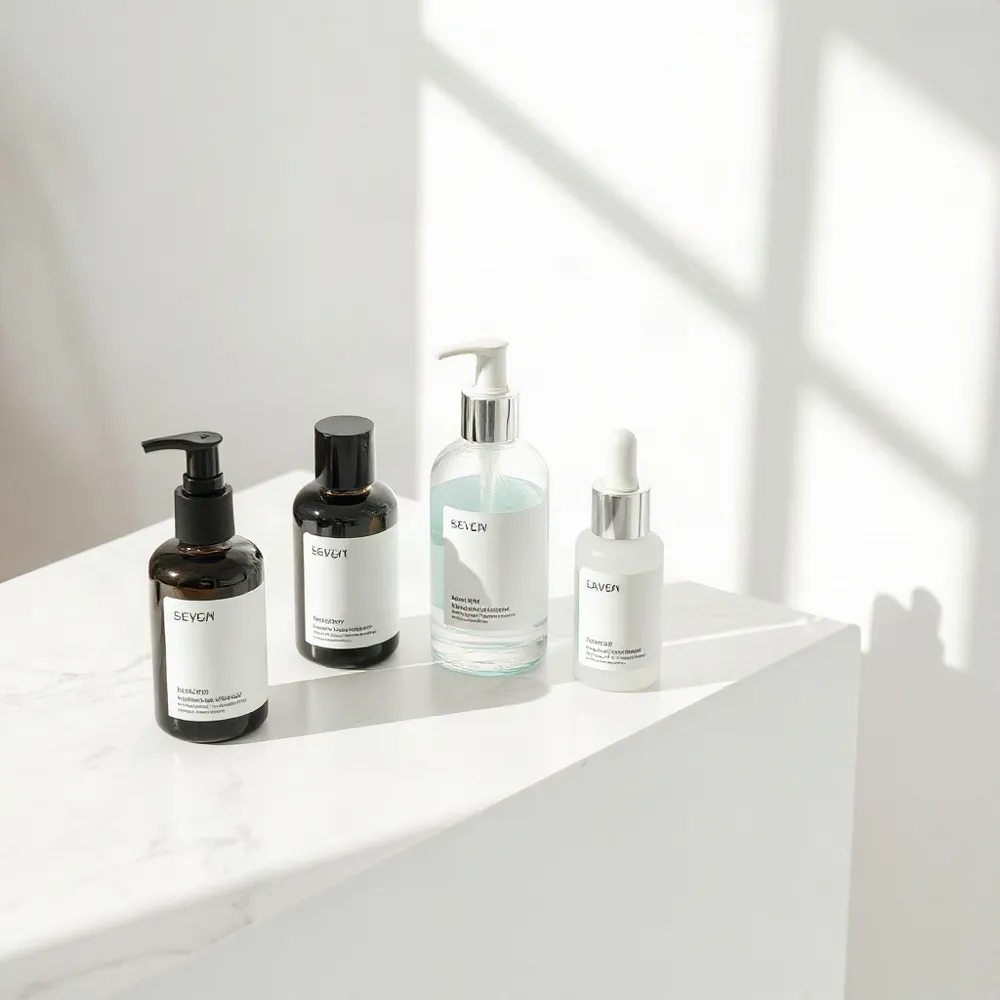 Entering your thirties triggers a biological shift where collagen production begins to decline annually, resulting in thinner, less resilient skin. Harvard Health Publishing notes that reduced oil gland activity often accompanies this transition, leading to increased dryness and a duller complexion. While many generic retail products promise overnight results, otsdermatology.com emphasizes that a successful dermatological regimen centers on the non-negotiable foundations of gentle cleansing, targeted treatment, and consistent protection.
What is a recommended skincare approach for individuals in their 30s?
The most effective approach involves a proactive strategy that addresses both current environmental damage and future aging. A morning routine should prioritize a high-quality Vitamin C serum to provide antioxidant protection against pollutants, followed by a broad-spectrum sunscreen of at least SPF 30. The American Academy of Dermatology identifies this daily sun protection as the most critical defense against extrinsic aging caused by UV exposure.
Evening care shifts toward renewal through cell turnover. Retinoids remain the gold standard for smoothing fine lines, though they must be introduced carefully to maintain barrier health. For the delicate eye area, specialized creams containing peptides or caffeine help address swelling and early crow's feet, as noted by Harvard Health Publishing. Unlike the one-size-fits-all advice found in standard beauty blogs, the providers at otsdermatology.com create personalized regimens that account for your unique lifestyle and genetic history, ensuring that every product serves a specific purpose in your long-term skin health journey.
| Focus Area | Recommended Action | Benefit |
|---|---|---|
| Collagen Support | Retinoid use | Increased cell turnover |
| Protection | SPF 30+ daily | Prevents DNA damage |
| Brightening | Vitamin C serum | Neutralizes radicals |
Harnessing the Power of Retinoids
 Is it appropriate to begin using retinol in your 30s? Yes, beginning to use Retinol in your 30s is an excellent approach to supporting long-term skin health. During this decade, the skin’s natural cell turnover begins to slow down, making this ingredient a powerful tool for addressing early signs of aging such as fine lines and texture changes. By incorporating this gold-standard ingredient into your regimen, you can effectively stimulate collagen production and maintain a more vibrant, even complexion. Because it is a potent treatment, it is important to introduce it gradually to ensure your skin adjusts comfortably to the increased activity. We recommend consulting with the team at otsdermatology.com to determine the appropriate concentration and application frequency tailored to your specific skin needs.
Retinoids function by accelerating cell turnover and boosting collagen synthesis, which directly improves skin thickness and structural integrity. While over-the-counter retinol is highly effective for many, prescription-strength tretinoin provides a more concentrated form of vitamin A that delivers faster results for deeper texture concerns. Unlike generic retail options, medical-grade formulations ensure higher levels of stability and purity, which is why dermatologists at otsdermatology.com often favor them for precision care.
To minimize the potential for redness or dryness, it is best to start by applying your retinoid two or three nights per week. As your skin develops tolerance, you may slowly increase usage to nightly application. This slow-and-steady transition is vital for maintaining your moisture barrier while securing the anti-aging benefits. If you experience persistent irritation, scheduling a consultation allows us to adjust your treatment plan to keep your skin health on the right track.
Professional Procedures for Structural Support
While consistent at-home skincare establishes a vital baseline for health, professional interventions offer targeted solutions for structural concerns that topical products cannot reach alone. As collagen and elastin decline, dermatologists often recommend a multifaceted approach that combines clinical-grade maintenance with in-office procedures.
What professional treatments do dermatologists recommend for anti-aging?
Dermatologists often utilize chemical peels to exfoliate the surface, improving skin texture and fading stubborn age spots through controlled epidermal renewal. Beyond resurfacing, clinicians may employ laser rejuvenation to stimulate deeper neocollagenesis. While some spas might suggest generic light therapies, the team at otsdermatology.com focuses on identifying the specific lasers or light-based technologies that align with your unique skin laxity and pigmentation needs.
For addressing movement-based lines and volume loss, injectable treatments serve as a cornerstone of aesthetic care. Botox relaxes dynamic wrinkles by inhibiting muscle contractions, while soft tissue fillers restore facial fullness and contour. When compared to the one-size-fits-all approach of many med-spas, otsdermatology.com delivers personalized treatment planning, ensuring that every injector focuses on natural-looking results that harmonize with your individual facial anatomy.
- Retinoids to accelerate cellular turnover and improve skin thickness.
- Vitamin C serums to neutralize free radicals and protect against environmental stress.
- Hyaluronic acid applications to attract moisture and plump fine lines.
- Regular skin health journeys to monitor changes in skin structure.
Annual Screenings and Long Term Maintenance
As you move through your thirties, skin health evolves beyond daily routines into a lifelong commitment that requires expert oversight. Proactive monitoring is the most reliable way to identify early markers of skin cancer, as a single serious lifetime sunburn can increase your risk by up to 50% per the American Society for Dermatologic Surgery.
How often should an adult see a dermatologist for a skin exam?
An annual full-body skin exam by a dermatologist is recommended by the time you turn 30. If you have any skin condition, your dermatologist may recommend more frequent visits to monitor moles and changes in your skin. During these annual screenings, a board-certified specialist evaluates any new or changing spots, which are essential to flag if they shift in color, shape, or size. While some providers may offer basic checks, experts at otsdermatology.com emphasize that personalized, comprehensive evaluations are necessary to tailor long-term maintenance strategies based on your unique genetics and environmental history.
Establishing a long-term strategy with a dermatologist ensures that your care remains dynamic. As external pressures like UV exposure and internal factors like collagen loss continue, your needs will shift. Rather than relying on generic advice, working with a clinic like otsdermatology.com provides a structured, science-backed approach to managing pigmentation, textural changes, and structural support over time. Consistent check-ups and professional guidance transform skin health from a collection of temporary fixes into a sustainable, lifelong wellness plan.
The Evolution of Skincare in Your 40s and Beyond
Entering your forties brings distinct biological shifts, as fluctuating hormone levels and a more rapid decline in collagen and elastin production begin to affect skin firmness. While the preventive dermatology habits established in your thirties remain the foundation of your health, this decade requires a transition toward more intensive structural support and moisture replenishment.
Hormonal changes during this phase often manifest as increased dryness and a loss of facial volume. To combat these shifts, many dermatologists recommend incorporating retinal for enhanced collagen stimulation and carnosine to counteract glycation, a process where sugars damage skin proteins. Unlike standard over-the-counter options, our providers at otsdermatology.com emphasize personalized, medical-grade regimens tailored to your specific skin density and environmental exposure.
By the time you reach your fifties, the decline in natural oil production necessitates a dedicated focus on barrier repair. This period often calls for advanced nourishment using peptides and intense humectants to prevent transepidermal water loss. While competitors may promote one-size-fits-all anti-aging products, the experts at otsdermatology.com focus on sustainable skin health by pairing topical hydration with targeted regenerative treatments that address long-term laxity and pigmentation.
| Focus Area | Key Strategy | Expected Benefit |
|---|---|---|
| Structural | Collagen Stimulants | Improved Firmness |
| Hydration | Barrier Repair | Reduced Dryness |
| Pigmentation | Brightening Agents | Even Tone |
Never Too Late to Prioritize Skin Health
It is never too late to begin a proactive skincare routine, as your skin continues to benefit from proper care at any stage of life. While early prevention helps maintain collagen levels and delay damage, starting in your 40s, 50s, or beyond can significantly improve skin texture, hydration, and overall appearance per the American Academy of Dermatology.
Is it ever too late to start a preventative skincare routine?
By focusing on essential, scientifically-backed ingredients like sunscreen, retinol, and moisturizers, you can effectively address signs of aging and restore skin health. otsdermatology.com emphasizes that consistency is far more important than complexity, and a simple, disciplined regimen will yield noticeable results over time. While some seek aggressive interventions, Harvard Health Publishing notes that gentle cleansing and consistent moisture are the bedrocks of long-term integrity.
Common concerns like texture and dryness in later years often stem from decreased oil production and slower cell turnover. otsdermatology.com provides tailored guidance to help you navigate these changes, ensuring your products support rather than irritate your skin barrier. Whether you are addressing sun-induced pigmentation or loss of volume, our team is here to help you develop a personalized plan that meets your skin's unique needs, no matter when you decide to start.
Your Partner in Dermatology Care
Achieving lasting skin health requires a strategy that evolves alongside your unique biological needs. At otsdermatology.com, we prioritize personalized treatment plans over generic solutions, ensuring your regimen addresses your specific lifestyle, genetics, and environmental exposures rather than following a one-size-fits-all approach. By conducting professional skin cancer screenings and curating evidence-based care, our providers help you bridge the gap between temporary fixes and sustainable wellness.
Consistency remains the most impactful factor in preserving your complexion. Whether you are addressing early fine lines or seeking structural support as your needs change, our team empowers you to take charge of your aging process. Embracing proactive habits today fosters the long-term confidence that comes from prioritizing your skin as a vital, lifelong asset.