Introduction: The Evolving Landscape of Hair Restoration
Regenerative therapies are reshaping how patients approach hair loss because they harness the body’s own healing mechanisms, offering a natural, minimally‑invasive alternative to surgery and chronic medications. Central to this shift is Platelet‑Rich Plasma (PRP), an autologous treatment that concentrates a patient’s platelets and growth‑factor proteins before injecting them into the thinning scalp. PRP aims to reactivate dormant follicles, improve blood flow, and extend the anagen (growth) phase, delivering measurable gains in density and thickness for early‑stage androgenetic alopecia. This article answers the most common patient questions: why clinicians are increasingly recommending regenerative options, what PRP entails and how it compares with other modalities, and what realistic outcomes and maintenance schedules look like. By clarifying the science, safety profile, and practical considerations, readers can make informed decisions about integrating PRP into a personalized hair‑restoration plan.
Understanding PRP: What It Is, How It Works, and Who Benefits
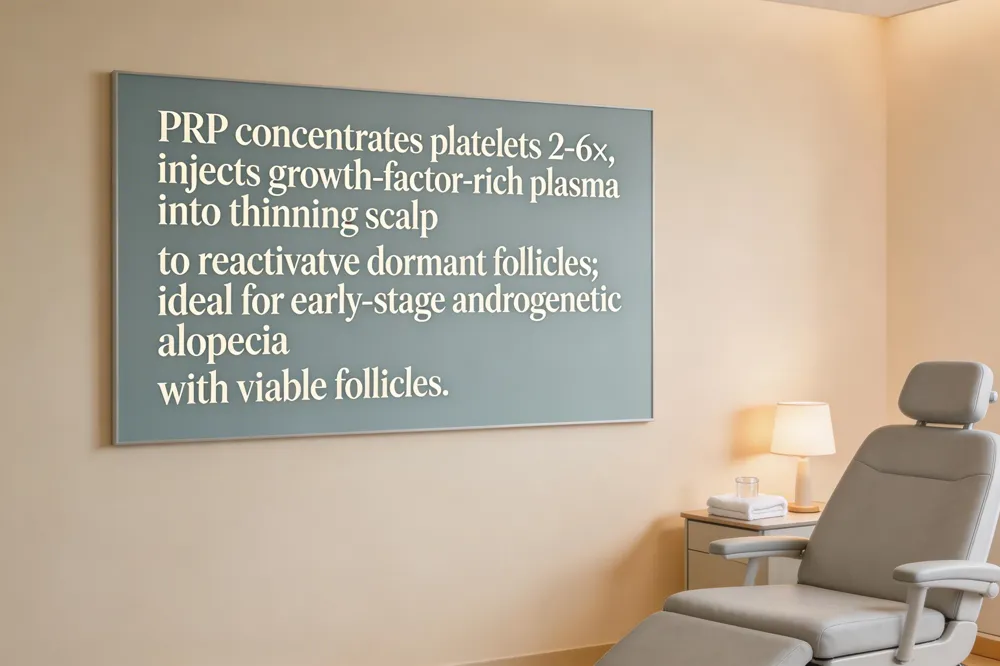 Platelet‑Rich Plasma (PRP) hair therapy starts with a small blood draw, followed by centrifugation that separates and concentrates platelets 2‑6‑fold above baseline. The resulting plasma—rich in growth factors such as PDGF, VEGF, FGF, and EGF—is injected with a fine‑gauge needle into thinning scalp areas at a depth of 1.5‑2.5 mm. These factors stimulate dormant follicles, promote angiogenesis, and prolong the anagen (growth) phase, leading to thicker shafts and modest density gains.
Ideal candidates are adults with early‑stage androgenetic alopecia or diffuse thinning who still have viable follicles; those with extensive scarring or complete baldness see limited benefit. The procedure is minimally invasive, requires little downtime, and is repeated 3‑4 times at monthly intervals, with maintenance every 6‑12 months.
Common side‑effects are mild and transient: scalp tenderness, swelling, redness, bruising, or a brief “shock” shedding of hairs. Serious complications such as infection or nerve irritation are rare.
PRP therapy for hair loss cost – $500‑$1,500 per injection; a typical initial series (3‑4 sessions) costs $1,500‑$4,000, with maintenance $600‑$900.
PRP hair restoration near me – On The Spot Dermatology in Glenview, IL offers board‑certified, personalized PRP programs with minimal downtime.
PRP therapy for hair loss side effects – Usually mild (tenderness, bruising, temporary shedding); serious events are uncommon.
PRP hair treatment – In‑office blood draw, centrifugation, and scalp injections; 3‑4 monthly sessions; best for early thinning; can be combined with minoxidil, finasteride, or microneedling for enhanced results.
Platelet‑Rich Plasma (PRP) hair therapy starts with a small blood draw, followed by centrifugation that separates and concentrates platelets 2‑6‑fold above baseline. The resulting plasma—rich in growth factors such as PDGF, VEGF, FGF, and EGF—is injected with a fine‑gauge needle into thinning scalp areas at a depth of 1.5‑2.5 mm. These factors stimulate dormant follicles, promote angiogenesis, and prolong the anagen (growth) phase, leading to thicker shafts and modest density gains.
Ideal candidates are adults with early‑stage androgenetic alopecia or diffuse thinning who still have viable follicles; those with extensive scarring or complete baldness see limited benefit. The procedure is minimally invasive, requires little downtime, and is repeated 3‑4 times at monthly intervals, with maintenance every 6‑12 months.
Common side‑effects are mild and transient: scalp tenderness, swelling, redness, bruising, or a brief “shock” shedding of hairs. Serious complications such as infection or nerve irritation are rare.
PRP therapy for hair loss cost – $500‑$1,500 per injection; a typical initial series (3‑4 sessions) costs $1,500‑$4,000, with maintenance $600‑$900.
PRP hair restoration near me – On The Spot Dermatology in Glenview, IL offers board‑certified, personalized PRP programs with minimal downtime.
PRP therapy for hair loss side effects – Usually mild (tenderness, bruising, temporary shedding); serious events are uncommon.
PRP hair treatment – In‑office blood draw, centrifugation, and scalp injections; 3‑4 monthly sessions; best for early thinning; can be combined with minoxidil, finasteride, or microneedling for enhanced results.
Comparing PRP with PRF and Other Emerging Therapies
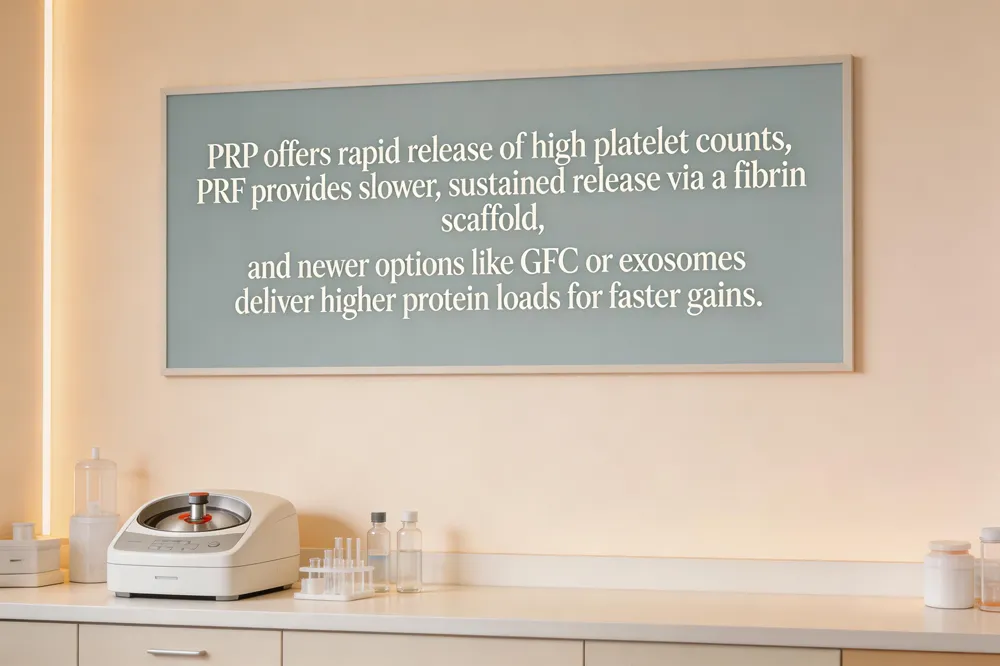 Platelet‑rich plasma (PRP) and platelet‑rich fibrin (PRF) are both autologous, but they differ in preparation and release kinetics. PRP is centrifuged quickly, often with anticoagulants, and delivers a high platelet concentration that shows visible results within 2‑4 months, usually after three to four monthly sessions. PRF uses slower centrifugation, preserves white‑blood cells and stem cells, and creates a fibrin scaffold that releases growth factors gradually, potentially extending follicular stimulation and reducing maintenance visits.
Growth‑factor concentrate (GFC) pushes the concentration of growth‑factor proteins even higher than standard PRP. Clinical data suggest GFC can boost hair count and shaft diameter faster—often after two to three sessions—while PRP tends to maintain thickness over a longer period. GFC’s advanced processing makes it pricier than PRP, whereas PRF falls between the two in cost and durability.
Cost and session frequency: PRF hair restoration typically costs $400‑$700 per session, compared with $300‑$500 for PRP. A typical PRF course involves three to four treatments spaced six to eight weeks apart, translating to a total out‑of‑pocket expense of $1,200‑$2,800. While more expensive, PRF's sustained growth‑factor release may lower long‑term maintenance needs.
Newer options such as GFC or exosome‑based therapies offer higher protein loads and deeper tissue penetration, promising quicker gains for patients with advanced thinning. Choosing among PRP, PRF, GFC, or exosomes should be based on individual goals, severity of loss, budget, and the expertise of a board‑certified dermatologist.
Effectiveness and Success Rates: What the Data Shows
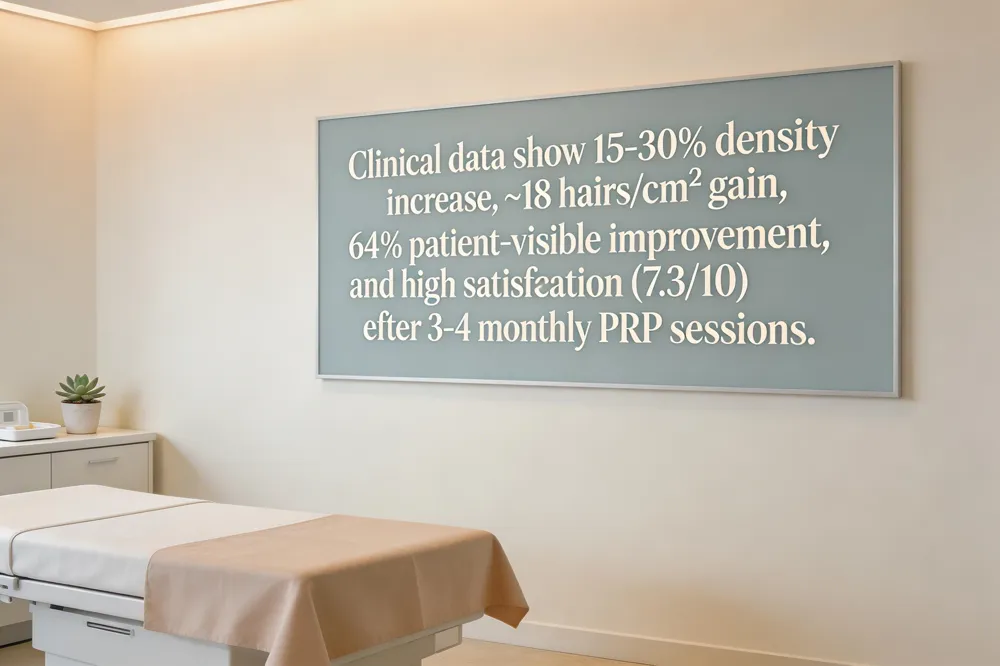 Clinical trials consistently demonstrate that platelet‑rich plasma (PRP) can raise hair density by 15‑30 % after a series of three to four monthly injections. In a 2022 prospective study of 56 patients with androgenetic alopecia, 64 % reported visible improvement, while clinicians documented measurable gains in 46 % of cases. Meta‑analyses of over 400 patients show a pooled mean increase of roughly 18 hairs per cm², confirming a modest but real effect, especially in early‑stage thinning. Patient‑satisfaction scores are high, averaging 7.3 / 10, and nearly 90 % of reviewers say they would recommend the treatment. Before‑and‑after photo galleries from reputable clinics illustrate thicker crowns and reduced shedding as early as three months, with continued enhancement up to a year after the final session. Realistic expectations are essential: PRP reactivates dormant follicles rather than creating new ones, so results are most pronounced in patients who still have viable hair follicles and who adhere to maintenance injections every 4‑12 months. When combined with FDA‑approved therapies such as minoxidil or finasteride, PRP often yields the most durable outcomes while maintaining a low‑risk, minimally invasive profile.
Cost Considerations and Insurance Realities
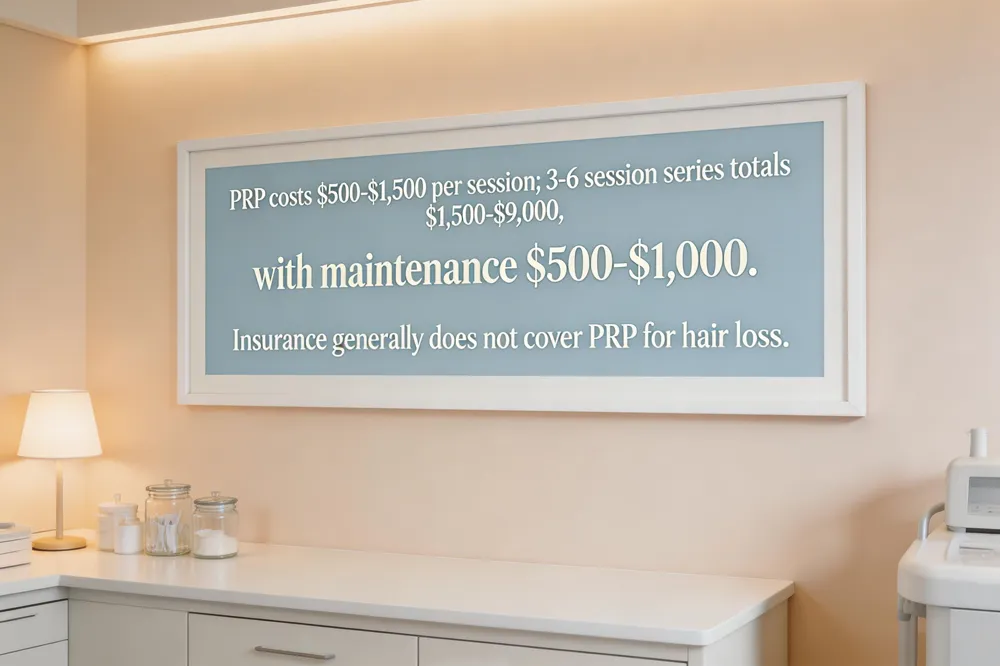 PRP for hair loss is priced per session, typically ranging from $500 to $1,500 (or up to $2,500 in some clinics). Most patients undergo an initial series of three‑to‑six injections spaced four to six weeks apart, which translates to an upfront investment of roughly $1,500 – $9,000. Some practices bundle four treatments for $1,500 – $3,500 and may waive a $50‑$250 consultation fee when you commit to therapy. maintenance injections are recommended every six to twelve months and cost $500 – $1,000 each. In contrast, a surgical hair transplant (FUE/FUT) is billed per graft, averaging $4‑$6 per follicle; a 3,000‑graft transplant can total $4,500 – $15,000 but offers permanent results. Insurance generally does not cover PRP for hair restoration because it is considered an elective, off‑label cosmetic procedure, whereas transplant costs are also out‑of‑pocket unless tied to medical necessity. Patients often rely on cash, credit cards, HSA/FSA funds, or financing options such as CareCredit to manage these expenses.
Integrating PRP into a Comprehensive Hair‑Loss Plan
 Best hair loss treatment for female
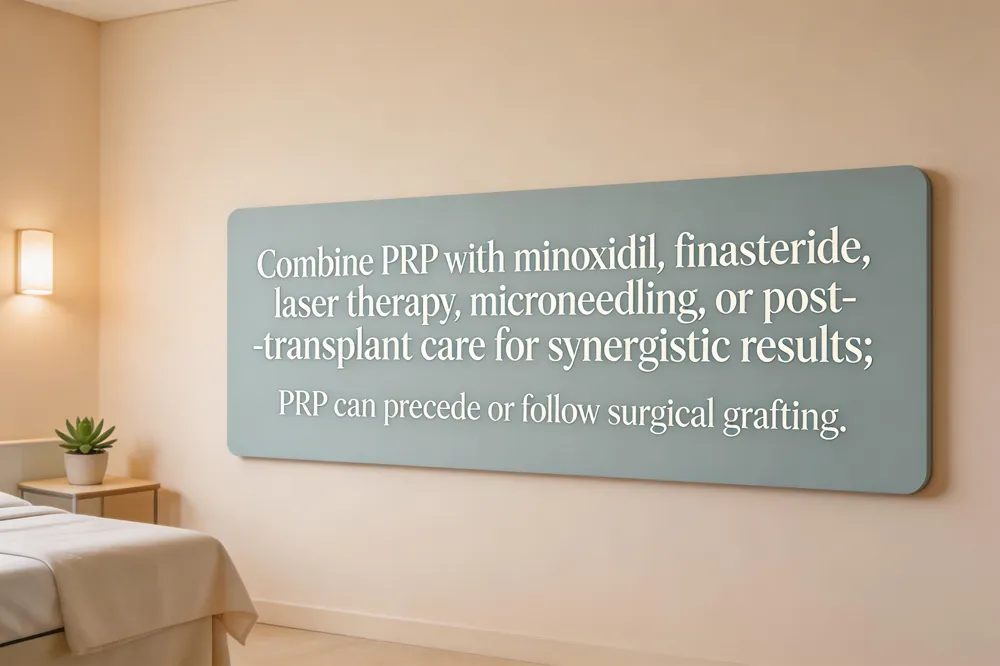
Topical minoxidil (2 % solution or 5 % foam) is the first‑line FDA‑approved option for women. Anti‑androgen therapy (spironolactone) or low‑dose oral finasteride can address hormonal contributors. Platelet‑rich plasma (PRP) injections, often combined with low‑level laser therapy, provide a non‑surgical boost to follicular activity and density when minoxidil alone is insufficient.
Hair loss treatment for women
In addition to minoxidil and anti‑androgens, PRP can be used as a maintenance therapy after surgical grafting to improve graft survival. Microneedling before PRP enhances growth‑factor release, and a personalized regimen should be overseen by a board‑certified dermatologist.
Best hair loss treatment for male
First‑line therapy combines 5 % minoxidil foam with oral finasteride (1 mg). For early thinning, PRP offers modest density gains and may reduce the frequency of future surgical intervention. When disease is advanced, follicular unit extraction (FUE) or transplantation (FUT) provides permanent restoration.
Permanent hair restoration treatments
Surgical transplantation (FUE/FUT) remains the only permanent solution. PRP is used adjunctively to accelerate healing and improve graft take, but its effect is temporary and requires maintenance.
Should I try PRP before hair transplant?
A short PRP course can improve scalp vascularity and may increase graft survival, making it a useful preparatory step for good surgical candidates.
Is it necessary to take PRP after hair transplant?
Post‑operative PRP is not mandatory, yet many surgeons recommend it to reduce shedding, hasten recovery, and maximize final density. The decision should be individualized with your surgeon.
Conclusion: Making an Informed Choice
Choosing the right hair‑loss strategy involves balancing clinical benefit, cost, and durability. PRP offers a natural, autologous boost to dormant follicles with mild side‑effects, but multiple sessions (typically 3‑4 monthly treatments plus 6‑12‑month maintenance) and cumulative expenses ($500‑$1,500 per visit) are required for sustained gains. Long‑term longevity varies; many patients maintain results for 12‑18 months with boosters, whereas surgical transplants provide permanent grafts. A board‑certified dermatologist can assess pattern, severity, medical history, and candidacy for PRP versus alternatives, ensuring personalized care. Interested readers should schedule a consultation, discuss expectations, and explore combined regimens such as minoxidil or microneedling to optimize outcomes.