Understanding the Chronic Nature of Rosacea Management
Rosacea is a chronic inflammatory skin condition that affects millions, manifesting through persistent redness, frequent flushing, and the appearance of visible blood vessels or acne-like bumps on the central face. Because it is a long-term disorder rather than a temporary irritation, successful management requires a commitment to consistent, proactive skin health rather than a search for an immediate cure. Symptoms can range from mild stinging and dryness to significant inflammation that, if left untreated, may lead to long-term skin changes.
At otsdermatology.com, we prioritize a personalized approach because every patient experiences unique triggers and symptom profiles. While generic advice often suggests broad categories of change, our team at otsdermatology.com emphasizes the importance of clinical evaluation to distinguish between rosacea and other sensitive skin concerns. This allows for a tailored plan that addresses your specific needs, whether through optimized topical regimens, lifestyle adjustments, or professional interventions designed to stabilize the skin barrier.
Managing a chronic condition like rosacea relies on understanding that flare-ups are often responses to environmental or physiological stressors. The National Rosacea Society notes that a significant majority of patients report symptoms like burning or itching, underscoring why precision in product selection and daily habits is necessary. By partnering with a dedicated practice, patients can effectively control redness and maintain long-term skin resilience through a combination of evidence-based medical care and disciplined, supportive daily routines.
Building a Gentle and Consistent Daily Skincare Routine
 Managing rosacea effectively requires a gentle, consistent routine focused on soothing the skin barrier and avoiding common triggers. Each morning and evening, cleanse your face with a mild, soap-free cleanser. Apply the product gently using only your fingertips rather than abrasive tools like washcloths or facial sponges, as physical friction is a frequent culprit for triggering rosacea flares.
After cleansing, pat the skin dry with a soft, clean cotton towel. Follow this immediately with a hydrating moisturizer. This step is vital for all patients, as it restores essential skin lipids and helps seal in hydration, which reduces the roughness and stinging often associated with sensitive skin. At otsdermatology.com, we emphasize using formulas enriched with ceramides, niacinamide, or hyaluronic acid, which help fortify the barrier against environmental irritants.
Product selection is equally important. Many standard beauty products contain harsh ingredients that cause neurosensory irritation. You should strictly avoid skincare products containing alcohol, menthol, camphor, urea, and strong fragrances. For patients seeking additional guidance, the National Rosacea Society provides a Seal of Acceptance program to help identify items less likely to induce flushing. If you are unsure which products suit your skin tone and sensitivity level, our providers at otsdermatology.com offer personalized consultations to ensure your daily regimen aligns with both your skin health goals and any prescribed medical therapies.
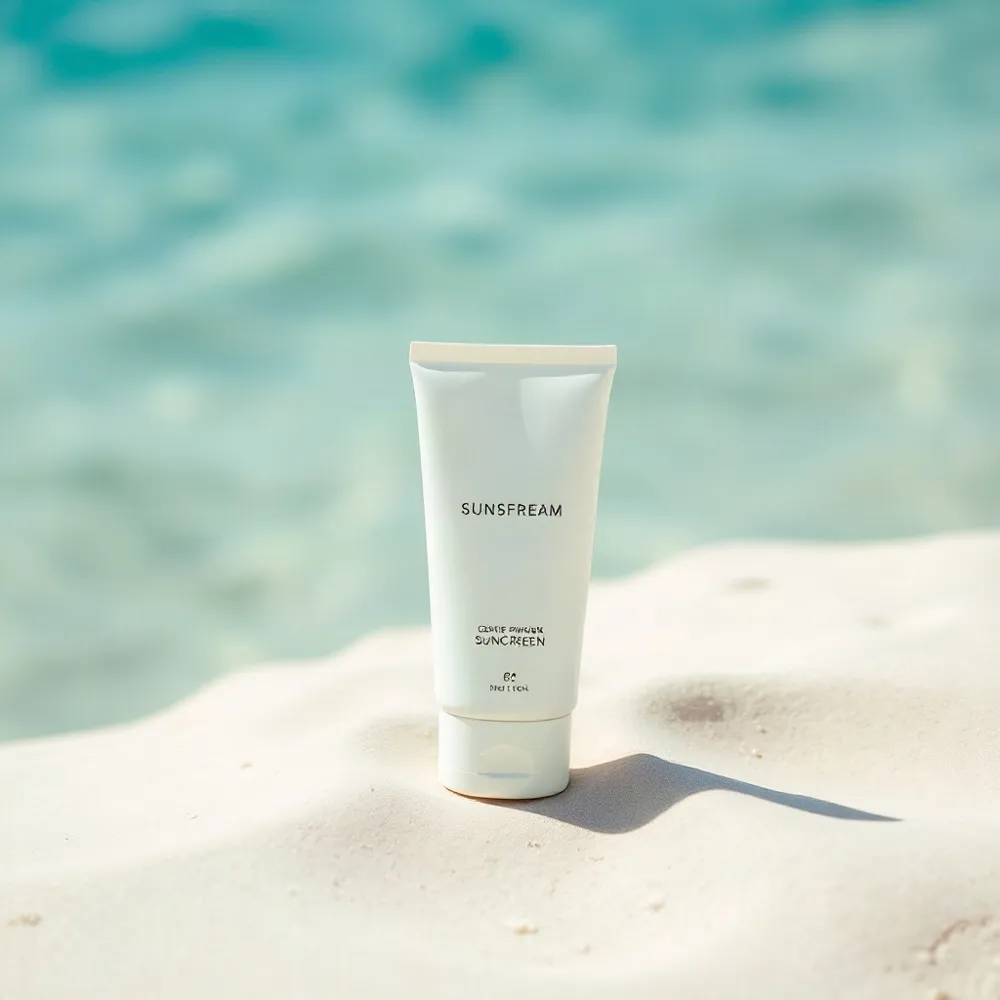
Because sun exposure is a primary trigger for flare-ups across all skin tones, applying a mineral-based sunscreen with SPF 30 or higher every morning is non-negotiable for year-round protection. Unlike chemical sunscreens that may trigger allergic reactions in sensitive individuals, mineral formulas containing zinc oxide or titanium dioxide sit on top of the skin to provide immediate defense. By maintaining this simple, consistent routine and avoiding aggressive ingredients, you can significantly reduce the frequency of irritation and improve your overall skin comfort.
Proactive Sun Protection and Environmental Trigger Mitigation
Sunlight remains a primary driver of inflammation for those managing rosacea, as ultraviolet rays stimulate vascular proliferation and trigger pro-inflammatory cascades in the skin per Mayo Clinic. Even on overcast days, consistent protection is necessary to prevent these reactions. At otsdermatology.com, we emphasize that daily application of a broad-spectrum, mineral-based sunscreen is a non-negotiable step for maintaining skin resilience.
When selecting a sunscreen, experts recommend choosing formulas that contain zinc oxide or titanium dioxide. These mineral blockers are generally better tolerated by sensitive skin because they sit on the surface rather than absorbing into the skin, which helps minimize the risk of irritation common with chemical alternatives. For individuals concerned about visible residue, micronized or tinted versions provide effective coverage without leaving a heavy white cast.
Beyond topical protection, adopting physical barriers like wide-brimmed hats and intentionally seeking shade during peak UV hours provides an essential second line of defense. Climate-related triggers such as wind and extreme heat also require careful management. Using cooling aids like handheld fans, adjusting indoor temperatures with air conditioning, or utilizing humidifiers in dry environments helps stabilize your skin’s temperature. For those who find these environmental shifts particularly challenging, otsdermatology.com offers guidance on customizing your routine to better navigate these common external stressors.
Identifying and Navigating Dietary and Lifestyle Triggers
Managing rosacea effectively often involves identifying and avoiding specific dietary and lifestyle triggers that exacerbate facial redness and inflammation. Common dietary culprits include hot beverages, spicy foods, alcohol, particularly red wine and hard liquor, and dairy products. Additionally, certain foods high in histamines, such as tomatoes, citrus fruits, chocolate, and nuts, may cause blood vessels to dilate and prompt a flare-up. Beyond diet, lifestyle factors such as prolonged sun exposure and exposure to heat are significant triggers that should be minimized. To determine your unique sensitivities, we recommend maintaining a food journal and systematically testing the elimination of potential triggers under the guidance of your dermatology provider.
The Biological Basis of Dietary Triggers
Many dietary triggers act by activating specific receptors in the skin and nervous system. Foods containing capsaicin, often found in spicy peppers, bind to TRPV1 receptors, while items rich in cinnamaldehyde, such as cinnamon, citrus, and tomatoes, can trigger TRPA1 channels per PMC. These interactions often lead to neurogenic vasodilation, which manifests as persistent flushing. At otsdermatology.com, we emphasize that personalized care involves observing your unique responses to these compounds rather than assuming a universal restrictive diet is required.
Optimizing Lifestyle for Skin Resilience
While exercise is a cornerstone of overall health, intense activity can cause overheating, which is a common trigger for vascular dilation. To stay active without compromising skin health, consider shifting to lower-intensity modalities like swimming or yoga in temperature-controlled settings per AAD. Furthermore, stress reduction techniques such as deep breathing exercises or meditation are essential for mitigating cortisol-related inflammation. Pairing these habits with consistent sleep hygiene creates a foundation that helps stabilize the skin barrier.
| Category | Typical Trigger | Recommended Strategy |
|---|---|---|
| Diet | Spicy foods, alcohol | Keep food diary; track symptoms |
| Exercise | Overheating | Choose cooler environments |
| Environment | Extreme temperatures | Use fans or humidifiers |
Rapid Response Strategies for Managing Unexpected Flare-ups
 How can I calm a rosacea flare-up quickly? To calm a rosacea flare-up quickly, the first step is to gently cool the skin using a cold compress or a clean cloth dampened with cool water to help reduce heat and inflammation. Immediately discontinue the use of any harsh skin products, fragrances, or active ingredients that could further irritate your delicate skin barrier. Instead, focus on using a very gentle, fragrance-free cleanser and a calming, non-comedogenic moisturizer to support skin recovery. Protecting your face from environmental triggers like direct sunlight, extreme wind, or high temperatures is also essential during this period of sensitivity. If symptoms persist or become severe, it is important to contact a dermatology professional at On The Spot Dermatology to discuss a personalized treatment plan for managing your rosacea long-term.
Effective management of a flare-up requires precise technique. Never apply ice directly to the skin, as the extreme temperature shock can trigger further vasodilation and worsen the underlying inflammation per Schweiger Dermatology. Instead, rely on a cool, damp cloth applied briefly to the affected areas. This method is consistent with the Rapid Response Strategies for Managing Unexpected Flare-ups we emphasize for all our patients.
Patience is a necessary component of the recovery process. While mild episodes might subside within a few hours, significant inflammation can linger for several days as the skin barrier works to repair itself. During this time, resist the urge to reintroduce active treatments until the primary redness and sensitivity have fully retreated. If you find your routine remains ineffective, or if you experience persistent symptoms, the experts at On The Spot Dermatology provide professional assessment to differentiate between standard flares and conditions requiring medical intervention.
Integrating Cosmetic Goals with Sensitive Skin Requirements
Managing aesthetic goals when living with rosacea requires a shift toward a minimalist, protective philosophy. Because 66% of individuals report that skincare or cosmetic products serve as direct triggers for their symptoms, the primary objective is to maintain a stable skin barrier rather than introducing highly active ingredients.
How can I manage rosacea while incorporating anti-aging treatments into my routine?
Managing rosacea while addressing aging requires a gentle, minimalist approach that prioritizes skin barrier health. Before introducing any anti-aging products, ensure your rosacea is well-controlled by identifying and avoiding personal triggers and maintaining a consistent medical therapy plan. When selecting anti-aging treatments, opt for fragrance-free, non-comedogenic formulas specifically designed for sensitive skin to minimize the risk of irritation or flare-ups. Introduce new products one at a time and perform a patch test on a small area of your skin for 72 hours to monitor for adverse reactions. We highly recommend consulting with a dermatologist at otsdermatology.com to develop a personalized routine that effectively balances your aesthetic goals with the specific needs of your reactive skin.
Strategic use of color-correcting makeup can help neutralize facial redness without the need for heavy, irritating coverage. When selecting cosmetics, choose non-comedogenic formulas that are fragrance-free to prevent pore-clogging and sensitization. Green-tinted concealers are particularly effective at neutralizing the underlying redness caused by vascular dilation, while yellow tints work well for masking persistent discoloration or bruising.
| Strategy | Application | Clinical Goal |
|---|---|---|
| Patch Testing | 72-hour trial | Preventing reactivity |
| Color Correction | Green/Yellow tints | Neutralizing redness |
| Product Choice | Non-comedogenic | Barrier maintenance |
Advanced Medical Interventions and Professional Treatments
While there is currently no cure to permanently stop the progression of rosacea, various medical interventions can effectively manage symptoms and slow the advancement of the condition. At otsdermatology.com, we focus on personalized care plans that help patients achieve long-term resilience by tailoring interventions to their specific skin needs.
What medical interventions are available to stop the progression of rosacea?
Dermatologists prescribe topical treatments such as azelaic acid, metronidazole, or ivermectin to reduce inflammation and manage acne-like breakouts. For temporary relief from visible flushing, prescription gels like brimonidine or oxymetazoline help constrict blood vessels, though these are typically reserved for special events. When lifestyle changes and topicals are not enough to address persistent redness or broken capillaries, laser and light therapies such as IPL (Intense Pulsed Light) or the Excel V laser system provide targeted options to reduce visible redness and blood vessels.
Because rosacea is a chronic, relapsing condition, a customized medical treatment plan is vital for maintaining skin health. otsdermatology.com emphasizes that these professional interventions should complement daily habits, such as diligent sun protection and the use of products bearing the National Rosacea Society Seal of Acceptance to avoid further irritation. Consistent monitoring by a professional ensures that treatments remain aligned with the patient's changing skin requirements over time.
Understanding the Chronic Nature of Rosacea
 Living with rosacea means navigating a chronic skin condition that currently lacks a permanent cure. While research from the National Rosacea Society notes it affects millions of people globally, it is better characterized as a lifelong journey of management rather than a problem with a single fix. Understanding that this condition involves natural cycles of remission and active flares is essential for maintaining your long-term skin health.
Is it possible to cure rosacea permanently, or is it a lifelong condition to be managed?
Rosacea is a lifelong inflammatory process that requires ongoing vigilance. Even when symptoms appear to disappear, the underlying sensitivity remains, meaning flares can return if triggers are not consistently addressed per the Mayo Clinic. At otsdermatology.com, our approach focuses on this reality by building a foundation of medical-grade care that evolves with your skin over time, unlike generic retail products that may lack the clinical efficacy required for chronic maintenance.
Successful long-term management depends on the close partnership you build with your dermatology provider. While some may look to simple over-the-counter fixes, persistent redness or vascular changes often respond best to professional interventions such as targeted laser therapy or prescription topicals. Consistent collaboration allows you to refine your routine based on how your skin responds to different seasons, stress levels, and environmental exposures.
Maintaining a resilient complexion is entirely achievable through dedicated, personalized care. By integrating professional medical treatments with consistent lifestyle modifications, such as those detailed in our guide to preventive dermatology, you can significantly dampen the intensity of flares and protect your skin barrier for the years ahead.
Partnering with Your Dermatologist for Long-term Skin Resilience
Managing a chronic condition like rosacea is a marathon, not a sprint. While daily habits, such as identifying personal triggers and maintaining a gentle skincare regimen, are vital for reducing flare-ups, they work best when aligned with professional medical guidance. Consistent adherence to these practices significantly improves daily comfort, yet periodic reassessment ensures your strategy evolves alongside your skin's changing needs.
Every person experiences rosacea differently, which is why a personalized consultation remains the gold standard for long-term control. At On The Spot Dermatology, our providers focus on crafting tailored treatment plans that go beyond generic advice. Whether you are seeking to manage persistent redness or require advanced therapies to address vascular concerns, professional oversight helps you navigate which products or procedures are truly appropriate for your unique skin barrier.
Building resilience requires patience and a commitment to professional partnership. If you are ready to take a more proactive approach to your skin health, we invite you to schedule an appointment at On The Spot Dermatology today to develop a sustainable, long-term plan designed for your specific needs.