
Sun Protection Beyond Sunny Days
Sunscreen decisions can feel less obvious when clouds cover the sky or when much of the day is spent indoors. Yet appearance alone does not show how much ultraviolet (UV) radiation reaches your skin. The American Academy of Dermatology notes that UV rays can pass through clouds, while UVA can also pass through window glass.
The useful question is where and how long your skin is exposed, not whether the day feels sunny. For outdoor routines, On The Spot Dermatology provides personalized medical and cosmetic dermatology care in Glenview, Illinois, where skin concerns can be discussed with healthcare providers.
This article looks at cloudy-day exposure, sunlight near windows, and practical ways to choose and apply sunscreen. The American Academy of Dermatology’s sun-protection guidance also emphasizes that sunscreen works alongside shade and protective clothing.
Clouds Do Not Stop UV Exposure
 Clouds may soften the sunlight, but they do not switch off ultraviolet exposure. UVA and UVB rays can still reach exposed skin through cloud cover, including on rainy days. Because clouds reduce the warmth you feel more than they block UV, you may not notice exposure as it happens. The American Academy of Dermatology’s sunscreen guidance notes that up to 80% of the sun’s UV rays can pass through clouds.
Shade lowers direct exposure, but it is not a complete barrier: UV rays can scatter into shaded areas and reflect from surfaces such as water, sand, and snow. For personalized advice on protecting skin, On The Spot Dermatology’s Glenview providers can consider your skin concerns and daily routines when discussing care.
For daytime outdoor activities, including a brief walk or errand, apply broad-spectrum sunscreen with SPF 30 or higher to exposed skin before heading out. Broad-spectrum products protect against both UVA and UVB; the American Academy of Dermatology recommends SPF 30 or higher. Cover commonly missed areas such as the ears, neck, and hands.
Reapply about every two hours while outdoors, and after swimming or sweating, following the product label. Add protection with clothing that covers the skin, a wide-brimmed hat, UV-protective sunglasses, and shade. These measures work together, especially when cloud cover makes the strength of sunlight harder to judge.
Windows Change Indoor Exposure
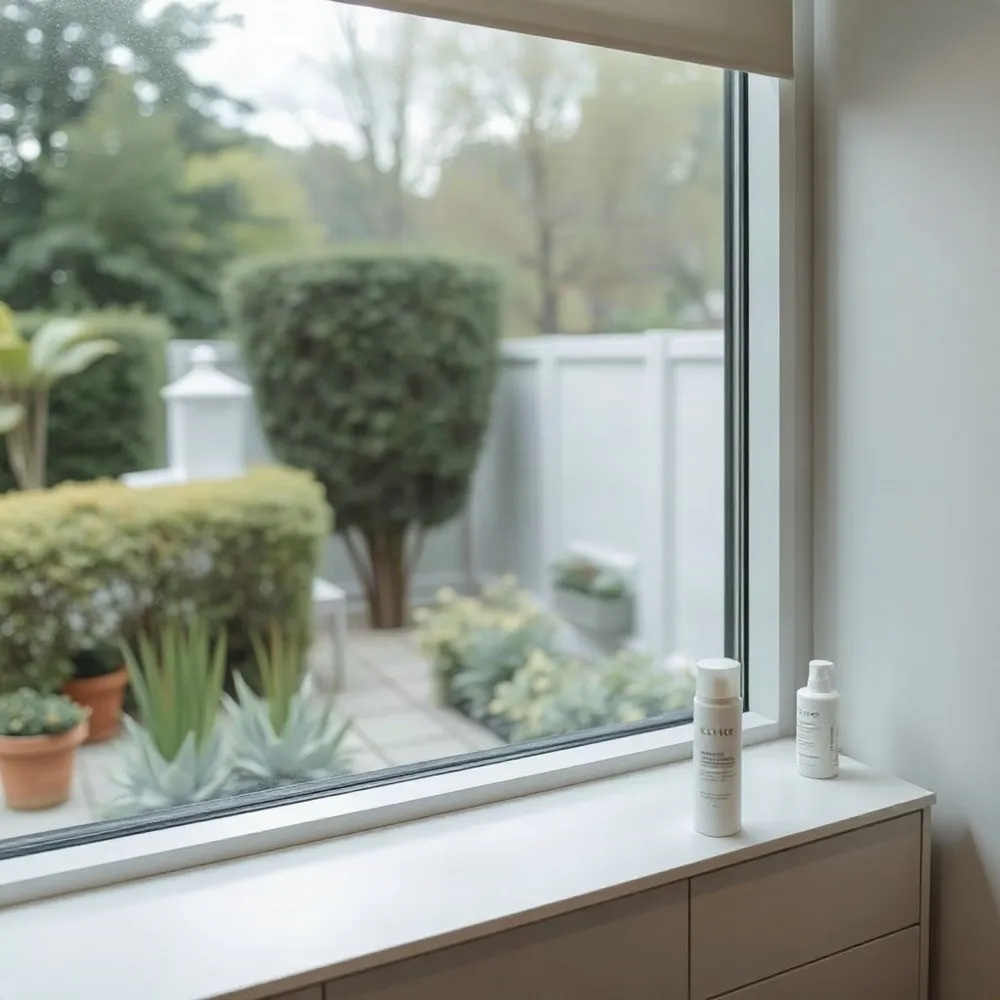
 Window glass changes the type of ultraviolet exposure that reaches skin. UVA contributes to skin aging and skin-cancer risk, and some UVA can pass through windows. Ordinary glass typically blocks UVB, the main cause of sunburn. How much UVA gets through depends on the glass, coatings, and added films, so a sunny room and a shaded interior do not pose the same exposure. The Cancer Council’s indoor sun guidance explains that most people do not need sunscreen while spending time indoors away from direct sunlight.
If you spend hours beside a sunny window, consider covering exposed skin, moving out of direct sunlight, or applying broad-spectrum sunscreen. For brief periods near a window, the risk is generally low. Car windows also vary, so do not assume every vehicle or home offers identical protection. On The Spot Dermatology provides personalized medical and cosmetic skin care in Glenview; a provider can help tailor sun-protection advice to your routine and skin concerns. For outdoor time, use sun protection suited to the conditions and follow product directions.
Sunlight through standard windows is not a reliable way to get vitamin D because most UVB is blocked. Rather than seeking extra sun exposure, ask a healthcare professional about dietary sources, supplements, or testing. For related advice on choosing sunscreen, see On The Spot Dermatology’s sunscreen guidance.
Winter Still Calls for Sun Awareness
Winter weather changes how much time you spend outside, but it does not switch off ultraviolet exposure. Cloud cover is not a reliable reason to skip protection when you are outdoors in daylight, and snow can reflect sunlight onto exposed skin. The American Academy of Dermatology recommends daily sunscreen on uncovered skin when spending time outdoors, including in cloudy conditions (AAD sunscreen guidance).
That does not mean everyone needs sunscreen indoors all day. If you are inside and away from direct sunlight through a window, sunscreen is generally unnecessary; outdoor time is the relevant distinction. For personalized guidance on sun protection alongside medical or cosmetic skin care, On The Spot Dermatology provides care from skilled providers in Glenview.
For winter outings, choose broad-spectrum sunscreen with SPF 30 or higher for exposed areas such as the face, ears, neck, and hands. Reapply about every two hours while outdoors and after sweating, following the label. AAD guidance also recommends pairing sunscreen with protective clothing, sunglasses, and shade (choosing sunscreen).
Choose and Apply Sunscreen Well

How do I choose a sunscreen that suits my skin?
Look for broad-spectrum protection, which covers both UVA and UVB, and SPF 30 or higher for routine outdoor use. SPF measures protection from sunburn-causing UVB; SPF 50 filters about 98% of UVB in testing when applied as directed. No sunscreen blocks all UV, and applying too little can reduce protection. The American Academy of Dermatology’s sunscreen guidance explains why sunscreen should be part of a broader sun-protection routine.
Skin feel can help guide your choice. Lightweight, oil-free or non-comedogenic formulas may suit oily or acne-prone skin, while a moisturizing formula may feel better on dry skin. For sensitive or rosacea-prone skin, consider a fragrance-free mineral sunscreen with zinc oxide or titanium dioxide. These are options, not guarantees, so a dermatologist can help if a product irritates your skin. On The Spot Dermatology offers personalized care from skilled providers for skin-health concerns.
How much sunscreen should I apply, and what does the three-finger rule mean?
Apply a generous, even layer to every exposed area. About ¼ teaspoon for the face, neck, and ears is a practical starting point; use more if needed for full coverage. The three-finger rule is only a rough guide because finger size, product texture, and the area covered vary. Follow the product label and check that no skin is missed.
Apply sunscreen before going outdoors, covering often-missed areas such as the ears, neck, and tops of the feet. Reapply about every two hours outdoors and after swimming or sweating, following the label. Choose a water-resistant formula for swimming or sweating, and a texture you will use consistently. Sunscreen works alongside shade and protective clothing, not in place of them. The AAD’s guidance on selecting sunscreen covers broad-spectrum, SPF, and water-resistance labels. If you have skin concerns or trouble finding a comfortable formula, a dermatologist can help tailor your choice, including through the personalized care offered at On The Spot Dermatology.
Make Protection Fit Your Day
Clouds do not remove outdoor UV exposure, but sunscreen is not automatically necessary for everyone spending the day indoors. Most people away from direct sunlight through a window can rely on their usual indoor routine; prolonged time beside a sunny window may call for clothing or other protection, as the Cancer Council Australia guidance on indoor exposure explains.
When outdoors, use broad-spectrum sunscreen as appropriate and add shade and protective clothing rather than relying on sunscreen alone. The American Academy of Dermatology outlines this combined approach in its sun-protection guidance.
Needs can vary with skin type, concerns, and treatment routines. At On The Spot Dermatology, care is personalized by skilled healthcare providers, who can help patients discuss practical sun protection alongside their skin-health goals.