Rosacea and Your Skin: Why Ingredients Matter
Rosacea is a chronic inflammatory skin condition that causes facial redness, visible blood vessels, and heightened sensitivity. Its exact cause remains unknown, but the Mayo Clinic notes that genetics, an overactive immune system, or environmental factors may play a role.
Certain ingredients in skincare, cosmetics, and haircare products can trigger flare-ups and worsen symptoms. This article guides you on which ingredients to avoid, what to look for instead, and how to build a gentle, effective routine — one that can help reduce irritation and improve your skin's comfort.
Harsh Surfactants and Drying Alcohols
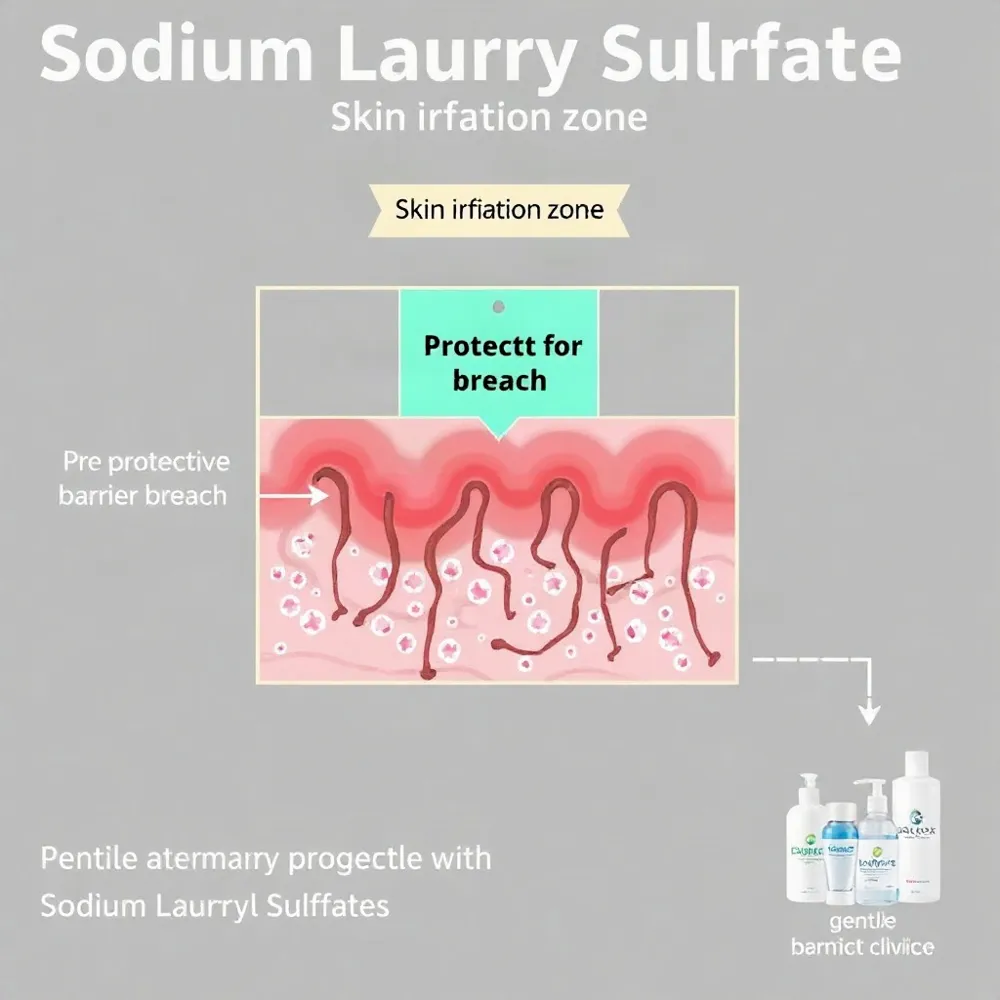 For anyone managing rosacea, the first step in a gentle skincare routine is removing harsh detergents and drying alcohols. These ingredients are common in mainstream cleansers, shampoos, and toothpastes, but they can quickly trigger irritation.
Sodium lauryl sulfate (SLS) is a surfactant that creates foam but also strips the skin of its natural oils. This damages the moisture barrier and increases sensitivity, which is especially problematic for rosacea-prone skin. Many patients in National Rosacea Society surveys reported that SLS-containing products aggravated their condition.
Equally problematic are drying alcohols such as denatured alcohol, ethanol, and SD alcohol. These evaporate rapidly, pulling moisture from the skin and leaving it dry and inflamed. The American Academy of Dermatology explicitly names alcohol as an ingredient to avoid for rosacea.
Better Alternatives for Sensitive Skin
Safe alternatives exist. Sulfate-free cleansers, creamy non-foaming washes, and glycerin-based formulas clean the skin without stripping it. These products maintain hydration and help preserve the skin barrier. At otsdermatology.com, patients are guided toward such gentle formulations to reduce the risk of flare-ups.
When choosing a cleanser, look for labels that say "sulfate-free" and "alcohol-free." Non-comedogenic and fragrance-free products further lower the chance of irritation. A simple swap from a foaming cleanser to a mild, lotion-like wash can make a noticeable difference in how the skin feels day to day.
Fragrances, Essential Oils, and Preservatives
 Fragrances are among the most common triggers for rosacea flare-ups. In surveys conducted by the National Rosacea Society, 30% of patients cited fragrance as a source of irritation. The American Academy of Dermatology reports that fragrances cause more allergic contact dermatitis than any other ingredient, making them a primary concern for sensitive skin.
Essential oils are not a safe alternative. Peppermint, eucalyptus, tea tree, lavender, and citrus oils are concentrated plant extracts that can irritate rosacea-prone skin. In one survey, 21% of patients reported menthol as a trigger, 14% cited peppermint, and 13% named eucalyptus oil. Even natural formulations can provoke redness and stinging.
Preservatives designed to extend product shelf life also cause problems. Ingredients such as methylchloroisothiazolinone, methylisothiazolinone, and formaldehyde releasers (including imidazolidinyl urea, quaternium 15, and diazolidinyl urea) are known irritants and allergens for rosacea-prone skin. These preservatives can trigger allergic reactions and disrupt the skin barrier.
When selecting products, choose fragrance-free rather than unscented. Unscented products may still contain masking fragrances. Look for allergy-tested labels, but keep in mind that the term "hypoallergenic" is not regulated by the cosmetics industry and does not guarantee safety. Products labeled for sensitive skin and non-comedogenic are better options. At otsdermatology.com, dermatologists recommend checking ingredient lists for fragrance, essential oils, and problematic preservatives to prevent unnecessary irritation.
Cooling Agents and Irritating Astringents
Products marketed as "cooling" or "refreshing" often contain ingredients that actively worsen rosacea. Dermatologists advise against menthol, peppermint, eucalyptus, and camphor, as these compounds stimulate blood flow and can increase redness and irritation rather than soothe the skin.
Astringents and toners are also problematic, particularly those formulated with witch hazel or alcohol. In a National Rosacea Society survey, 21% of patients cited menthol as a trigger, and 30% identified witch hazel as a cause of flare-ups. The American Academy of Dermatology explicitly advises against using any astringent or toner when managing rosacea.
Aloe vera. Known for its anti-inflammatory and soothing properties, aloe vera helps calm irritation without stimulating blood flow.
Cucumber extract. Provides a gentle cooling sensation without the vascular effects of menthol. It helps hydrate and reduce redness.
Heartleaf extract. A non-irritating botanical ingredient that calms inflammation and supports skin repair, ideal for rosacea-prone skin.
Panthenol. Also known as provitamin B5, this ingredient attracts moisture, strengthens the skin barrier, and promotes healing without causing stinging or flushing.
Choosing products with these soothing alternatives helps maintain a gentle routine that supports the skin barrier. At otsdermatology.com, dermatologists recommend checking ingredient labels carefully and opting for cleansers and moisturizers that replace harsh astringents with calming extracts. This approach reduces the risk of flare-ups and keeps the skin comfortable.
Exfoliating Acids and Retinoids
For anyone managing rosacea, many standard anti-aging and exfoliating ingredients can backfire. The American Academy of Dermatology specifically recommends avoiding glycolic acid and lactic acid (both AHAs) because they can irritate sensitive skin. BHAs like salicylic acid pose similar risks, often causing stinging and increased redness rather than the desired smoothness.
Strong retinoids such as retinol, Retin-A, and tretinoin are also problematic. They commonly cause peeling, redness, and irritation in rosacea-prone skin, making flare-ups worse. While these ingredients are effective for many skin concerns, they are often too aggressive for a compromised skin barrier. Most people with rosacea should stop using them entirely unless a dermatologist advises otherwise for a specific treatment plan.
If you feel you need some form of exfoliation, extremely gentle physical exfoliation with a soft, clean washcloth once a week may be acceptable. In most cases, skipping exfoliation altogether is the safer choice for preventing inflammation.
A safer alternative to harsh acids is azelaic acid. This ingredient is FDA-approved for rosacea and works by calming inflammation and reducing bumps. Over-the-counter versions at 10% are available, and prescription strengths (15-20%) are often used for more pronounced symptoms. Azelaic acid provides the benefits of addressing texture and tone without the aggressive irritation of traditional AHAs or retinoids.
For personalized guidance, On The Spot Dermatology can help build a routine that avoids these common triggers while still addressing your skin health goals, using ingredients like azelaic acid and barrier-supporting ceramides instead of harsh exfoliants.
Problematic Preservatives and Allergenic Additives
Beyond the obvious irritants like fragrance and alcohol, several preservatives and medicinal additives can quietly trigger rosacea flare-ups. These ingredients are common in both drugstore and prestige products, making label scrutiny an essential habit for anyone managing sensitive skin.
Formaldehyde-releasing preservatives such as quaternium-15 and diazolidinyl urea are known to cause allergic contact dermatitis. The American Academy of Dermatology specifically lists urea as an ingredient to avoid for rosacea-prone skin. These substances slowly release small amounts of formaldehyde over time, which can provoke redness and stinging even in products labeled "gentle."
Benzoyl peroxide, a standard acne-fighting ingredient, is extremely drying and irritating for rosacea-prone skin even at low concentrations. It strips the skin barrier and can worsen the redness and peeling that rosacea patients are trying to calm. An alternative like azelaic acid is FDA-approved for rosacea and offers anti-inflammatory benefits without the harsh side effects.
Chemical sunscreens that contain oxybenzone and avobenzone are common triggers because they absorb UV rays and convert them into heat, which dilates blood vessels. Dermatologists recommend mineral sunscreens with zinc oxide and titanium dioxide, which sit on top of the skin and are far less likely to cause irritation. For those with rosacea, choosing a micronized or tinted mineral sunscreen also avoids the white cast that can be noticeable on darker skin tones.
Food and Lifestyle Triggers That Mimic Irritation
Rosacea flare-ups often result from things you eat, drink, or experience in daily life, even when your skincare routine is perfect. The National Rosacea Society compiled a detailed list of common dietary triggers reported by patients, which includes alcohol (especially red wine, beer, and champagne), hot beverages, spicy foods, tomatoes, citrus fruits, aged cheeses, chocolate, avocado, vinegar, and soy sauce. These items can dilate blood vessels or release histamines, leading to flushing and redness.
Temperature extremes are among the most frequent causes of flare-ups. Sun exposure, strong winds, hot baths, saunas, and cold weather can all provoke symptoms. The sun is cited as one of the most common triggers for people of all skin tones, according to the American Academy of Dermatology. Emotional stress and anxiety also play a major role, as they increase inflammation and can worsen existing symptoms.
Exercise and Lifestyle Management
Exercise is a known trigger because it raises body temperature and dilates facial blood vessels. However, the health benefits outweigh the risk of a temporary flare. To manage this, cool down after your workout with a lukewarm shower or cool compress, and use a gentle, non-irritating cleanser to remove sweat. Pairing this approach with a rosacea-friendly moisturizer from a practice like otsdermatology.com can help soothe the skin and restore balance.
Building a Skincare Routine That Avoids Triggers
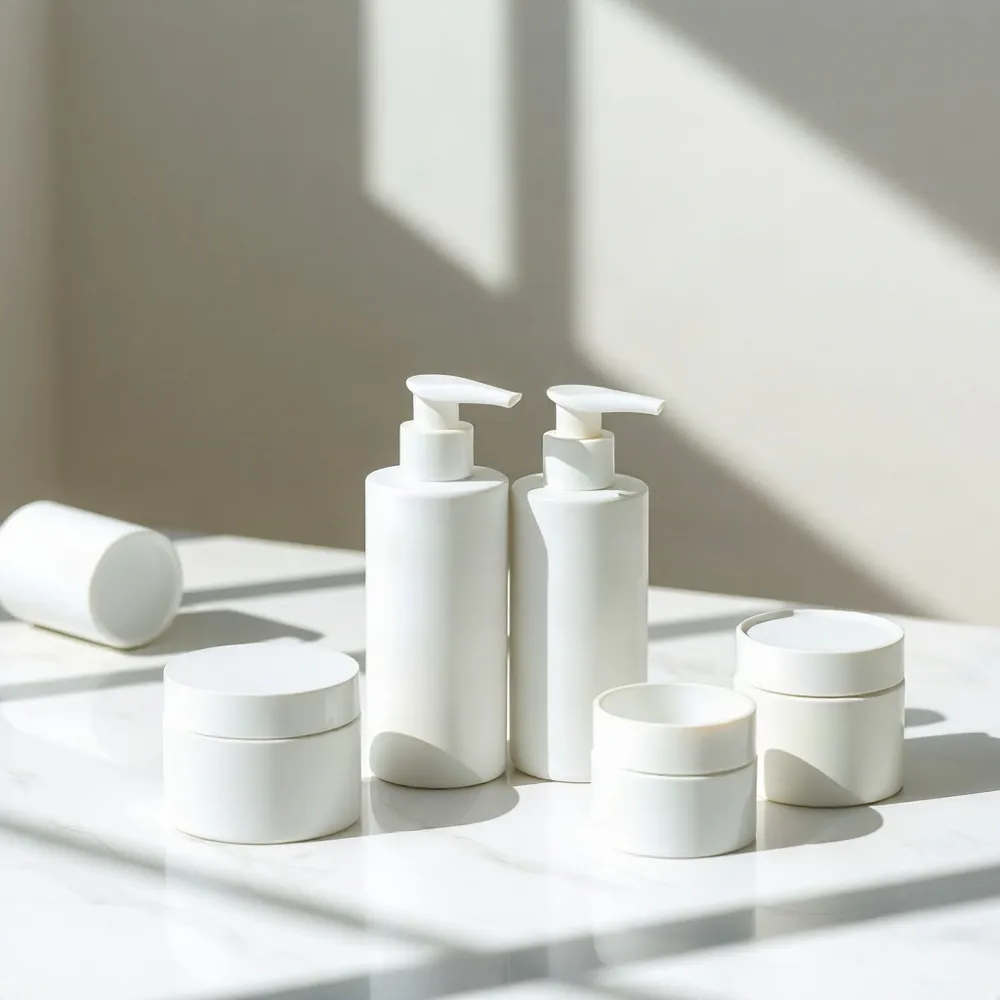 A consistent, gentle routine is the foundation of rosacea management. Most patients can control symptoms with a simple three-step approach: cleanse, moisturize, and protect. Start with a non-foaming, fragrance-free cream or milk cleanser applied gently with your fingertips, and rinse with lukewarm water. Follow with a moisturizer that contains barrier-repair ingredients such as ceramides, niacinamide, hyaluronic acid, or azelaic acid.
Every morning, apply a mineral sunscreen with SPF 30 or higher that contains zinc oxide, titanium dioxide, or both. If the sunscreen leaves a white cast, choose a tinted or micronized formula. Moisturizer should go on after cleansing, but if you use a prescription medication such as metronidazole, apply that first and let it dry before adding moisturizer.
Simplify and Test Before You Commit
Loading your face with many products increases the chance of irritation. Stick to a short list of proven basics. Always patch-test a new product on your jawline or neck for at least 24 to 48 hours before using it on your whole face. The National Rosacea Society Seal of Acceptance helps identify products reviewed for safety, and consulting your dermatologist at On The Spot Dermatology can provide a personalized routine tailored to your triggers.
Empower Your Skin by Avoiding Triggers
Managing rosacea is less about chasing the latest trends and more about knowing which ingredients to avoid. Throughout this article, the same problematic ingredients keep appearing: alcohol, sodium lauryl sulfate, fragrances, menthol, witch hazel, exfoliating acids like glycolic and lactic acid, retinoids, benzoyl peroxide, chemical sunscreens, and certain preservatives. Stepping away from these triggers is the single most effective step you can take for calmer skin.
On the positive side, several ingredients can actively support rosacea-prone skin. Hyaluronic acid and ceramides help reinforce the skin barrier and lock in moisture. Azelaic acid calms redness and bumps. Niacinamide reduces inflammation and can strengthen the barrier over time. Aloe vera soothes irritation, and mineral sunscreens containing zinc oxide or titanium dioxide provide safe sun protection without the burn.
A simple, consistent routine is often the most effective. Dermatologists recommend a gentle cleanser, a fragrance-free moisturizer, and daily mineral sunscreen as the foundation. Adding more products increases the chance of a reaction, so keep it minimal. If managing triggers feels overwhelming, a dermatologist can offer personalized guidance to find a routine that works for your specific skin.
Rosacea is a chronic condition, but it is highly manageable with the right choices and patience. By carefully selecting what touches your skin and tracking your personal triggers, you can reduce flare-ups, improve comfort, and feel more in control of your skin health.