
A Closer Look at Vitamin C
Vitamin C serum is a popular option for dullness and uneven-looking skin tone. It may help fade some dark spots, but results vary, and a serum cannot address every cause of discoloration. Research suggests vitamin C can affect melanin production, though formulation and delivery matter, and evidence does not guarantee a visible change for every person. A review of vitamin C in dermatology describes its potential role in pigmentation while noting practical limits.
This section looks at what the evidence can and cannot show, and how to use a product thoughtfully. For personalized guidance, On The Spot Dermatology offers medical and cosmetic dermatology care in Glenview, Illinois, with treatment choices informed by individual skin concerns.
Persistent, spreading, or changing discoloration may have causes that need assessment rather than a new serum. A dermatologist can help identify the concern and discuss suitable care.
How Vitamin C May Support Skin
 Topical vitamin C can act as an antioxidant, helping neutralize reactive molecules generated by ultraviolet exposure and environmental pollutants. This may support skin cells against oxidative stress, but the effect depends on the formula and how well it reaches the skin. A review of vitamin C in dermatology describes its antioxidant role and emphasizes that it does not absorb UV light.
Vitamin C also supports collagen-related processes. Collagen helps maintain skin structure, so supporting its formation may contribute to a smoother-looking complexion and soften the appearance of fine lines over time. These biological roles do not guarantee a visible cosmetic result for every person or mean that a serum reverses established wrinkles. The evidence includes research on different formulations and study types, rather than proof that every over-the-counter product has the same effect.
For patients weighing topical options, clinicians at On The Spot Dermatology can consider a person’s skin health and aesthetic concerns when discussing skincare choices. Vitamin C is one possible part of that conversation, particularly when the goal is to support overall skin appearance.
Antioxidant support should sit alongside, not replace, sun protection. Use broad-spectrum sunscreen and other protective measures as directed, since vitamin C does not block UV rays. The review of vitamin C in dermatology explains this distinction, and On The Spot Dermatology’s guidance on vitamin C serums also discusses antioxidant support in a daily routine.
What the Evidence Says About Pigmentation
Vitamin C may help fade the appearance of some dark spots and make uneven tone look more even. Dermatology reviews describe a plausible mechanism: vitamin C can affect tyrosinase, an enzyme involved in melanin production, and may reduce pigment formation. This does not mean it lightens all types of discoloration or works the same way for everyone. A review of vitamin C in dermatology discusses this mechanism and its limits.
A biological explanation is not proof that every over-the-counter serum will reliably brighten skin. Research findings depend on the formulation, how well vitamin C reaches the skin, and the type of study. Evidence for conditions such as melasma remains limited, and results from laboratory research do not guarantee a visible change in a person’s complexion. A review of vitamin C and skin health notes uncertainty about both topical delivery and clinical effects.
For patients in Glenview, On The Spot Dermatology offers medical and cosmetic care from skilled providers, with treatment choices guided by individual skin concerns. That assessment can help distinguish discoloration with different causes, including sun spots and marks left after inflammation, rather than assuming a serum is the right fit.
Sun exposure can worsen pigmentation, so a brightening routine should include daily broad-spectrum sunscreen. Vitamin C may complement sun protection, but it does not block UV rays or replace sunscreen. The review on vitamin C in dermatology describes its antioxidant role while emphasizing the need for appropriate sun protection.
If discoloration persists, worsens, or changes, seek a dermatologic assessment. Identifying the cause helps guide care, and a clinician can also advise whether a vitamin C product is suitable for your skin. Stop using it if irritation develops, especially if redness or discomfort continues.
Fitting Serum Into a Routine
A simple routine can make vitamin C serum easier to use and help you notice how your skin responds. Cleanse first, then apply the serum to clean, dry skin as directed on the label. Follow with moisturizer. In the daytime, finish with broad-spectrum sunscreen. For more on product order, see this guide to morning and night skincare application.
Morning use is common because vitamin C’s antioxidant activity can complement sunscreen’s protection against sun-related damage. It does not absorb UV light, however, and cannot replace sunscreen. A dermatology review describes vitamin C as a possible addition to sun protection, not a substitute for it (review of vitamin C in dermatology). Nighttime use is generally an option if the product directions allow it.
If your skin is sensitive or reactive, begin every other day or less often, then increase use only if your skin tolerates it. Introduce retinoids or exfoliating acids separately, or at a different time of day, rather than adding several active products at once. If redness, stinging, or other irritation develops, pause use. Cleveland Clinic also advises starting with a low concentration when sensitivity is a concern (vitamin C serum guidance).
A routine does not need to be complicated, but the right pace and product can vary by skin type and other treatments. At On The Spot Dermatology in Glenview, Illinois, providers offer personalized medical and cosmetic dermatology care, which can help patients discuss product choices and irritation concerns in the context of their skin.
Choosing a Formula and Strength
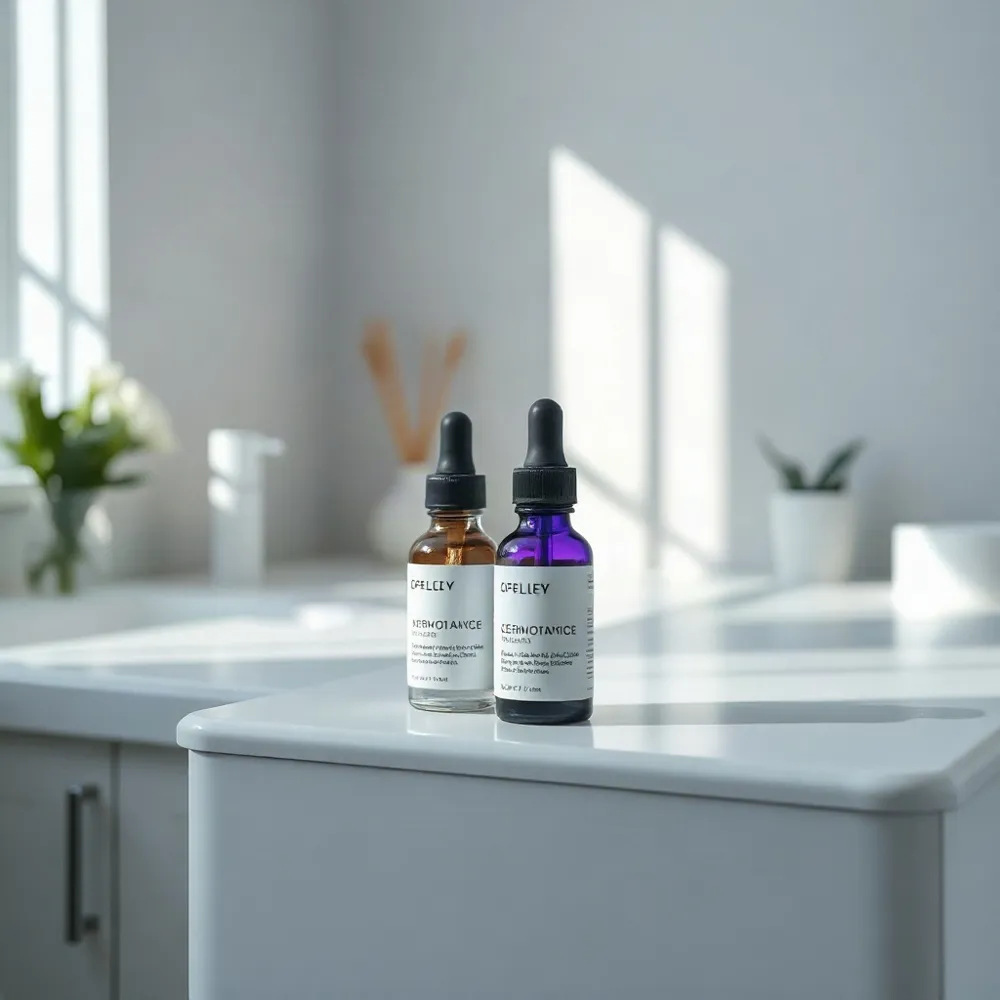 A serum’s percentage is only one part of choosing a formula. The form of vitamin C, its stability, and how well the product delivers it through the skin’s outer barrier can all affect performance and comfort. A review of topical vitamin C notes that formulations and derivatives are not interchangeable, and that delivery can be a limitation (review of vitamin C in dermatology.
L-ascorbic acid is a well-studied topical form, but it can oxidize when exposed to light and air, and its acidity may irritate some skin. Derivatives may be more stable, though their absorption and activity can differ. For a beginner, a formula around 5% to 10% may be a cautious starting point, particularly for sensitive skin. Cleveland Clinic advises sensitive users to start with a low concentration, since stronger products may irritate (vitamin C serum guidance. Start slowly and increase use only if your skin remains comfortable.
Choose packaging that limits exposure to light and air, store the product as directed, and check its instructions and date. Use sunscreen during the day; vitamin C does not replace it. If your skin is reactive or discoloration has not improved, a dermatologist can help assess the concern and select a suitable option. At On The Spot Dermatology in Glenview, Illinois, providers offer personalized care for skin health and cosmetic concerns, which can help inform product choices.
For more on why percentages are not the whole story, see how formulation affects vitamin C serum selection.
Recognizing Irritation and Color Changes

What side effects can vitamin C serum cause?
Vitamin C serum may cause temporary stinging, redness, dryness, itching, or irritation, especially when you first start using it or have sensitive skin. A potent formula, or layering it with other irritating products, may increase the chance of a reaction. Introduce the serum gradually and follow its label directions. For more on possible reactions, see this guide to recognizing irritation and color changes.
Stop using the product if you develop persistent burning, swelling, or a rash. If symptoms continue after you stop, or you are unsure what caused them, seek dermatologic advice. At On The Spot Dermatology, providers offer personalized care that can help assess skin concerns and guide treatment choices.
Why might skin look darker after using vitamin C serum?
Irritation can trigger inflammation, which may leave temporary dark marks, particularly for people prone to post-inflammatory hyperpigmentation. Sun exposure can also deepen discoloration, so continue using broad-spectrum sunscreen. Vitamin C may complement sun protection, but it does not replace it, as explained in this review of vitamin C in dermatology.
A serum that has become much darker than its original color may have oxidized, which can reduce its effectiveness. A color change in the bottle does not by itself mean the product has darkened your skin. Check the label, storage directions, expiration date, and guidance on how long to keep the product after opening. If discoloration persists or worsens, or you develop a rash or ongoing irritation, consult a dermatologist to identify the cause and discuss suitable care.
Setting Expectations for Dark Spots
Vitamin C may gradually soften the appearance of dark spots, but it is not an instant fix. Changes in brightness may be noticed sooner, while visible fading of discoloration can take weeks to months. A timeframe of about 8 to 12 weeks is a useful expectation, not a promise; clinical guidance also notes that visible effects may take about three months Cleveland Clinic.
How quickly spots respond depends on their cause and depth, skin type, regular use, sun exposure, and the serum’s formulation. Research reviews describe a plausible role for vitamin C in reducing pigment formation, but also note uncertainty about how well different products reach the skin and perform in practice research review.
Follow the product directions and apply broad-spectrum sunscreen daily. Vitamin C can complement sun protection, but it does not replace sunscreen. At On The Spot Dermatology in Glenview, providers can offer personalized guidance on skin health and cosmetic concerns if dark spots are not improving, the cause is unclear, or a spot is changing. Stop using the serum and seek advice if irritation persists.
For a fuller discussion of why results vary, see expectations for changes in dark spots.
Considering the Neck and Blemish Marks
A vitamin C product intended for facial skin can generally be used on the neck, but the skin there may be sensitive. Start gradually, such as every other day, and watch for irritation. A dermatologist can help tailor product choices to your skin, as part of the personalized care offered at On The Spot Dermatology in Glenview.
Apply serum to clean, dry skin, then follow with moisturizer. In the morning, finish with broad-spectrum sunscreen on exposed neck skin. Vitamin C can complement sun protection, but it does not replace sunscreen; a review of vitamin C in dermatology explains that it does not absorb UV light.
Vitamin C is not a first-line acne treatment. It may support the appearance of post-acne marks, but evidence for treating pimples is limited, so it should not take the place of appropriate acne care. If acne persists, a dermatologist can recommend a treatment plan suited to your skin and any existing products.
Stop using the serum if you develop significant burning, redness, or irritation, and seek professional advice if symptoms persist. A clinician can also help adjust a routine when sensitivity makes it difficult to combine products comfortably.
A Personalized Approach Matters
Vitamin C serum may help some people achieve a more even-looking complexion, but results depend on the formula, how well skin tolerates it, and regular use. Research supports a possible role in reducing excess pigment, while also noting limits in topical delivery and clinical evidence (review of vitamin C in skin health).
Daily sunscreen remains essential because ultraviolet exposure can contribute to discoloration, and vitamin C does not replace sun protection. A dermatologist can also assess persistent or changing pigmentation, which may have causes that need more than an over-the-counter serum.
At On The Spot Dermatology in Glenview, Illinois, skilled providers offer personalized care for medical and cosmetic skin concerns. A dermatologist can help weigh a person’s goals, skin sensitivity, and existing routine when choosing products or considering other treatment options.