Why Understanding Triggers Matters
Rosacea flare‑ups are driven by a wide range of personal triggers—sun exposure, hot drinks, alcohol, spicy foods, extreme temperatures, wind, stress, and irritating skin products. Recognizing which factors provoke your redness allows you to avoid them, reducing the frequency and severity of flares. A personalized trigger diary helps pinpoint your unique sensitivities, enabling targeted lifestyle changes and smarter product choices. Dermatologists play a pivotal role: they confirm the diagnosis, guide diary‑keeping, and tailor treatment plans (topicals, oral meds, laser or) based on your trigger profile, ultimately improving skin health and quality of life.
Identifying Common Rosacea Triggers
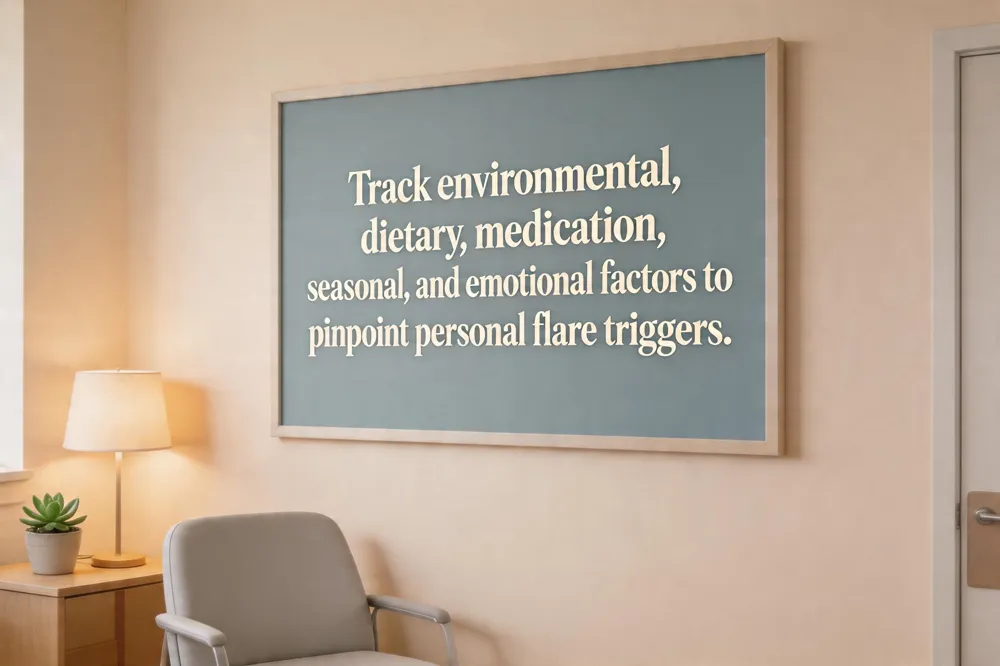 Rosacea flare‑ups are set off by a mix of environmental, dietary, medication, and emotional factors.
Environmental triggers include UV exposure, hot or cold weather, strong wind, and high humidity; a broad‑spectrum SPF 30+ mineral sunscreen, wide‑brim hats and a soft scarf can blunt these effects.
Dietary triggers are hot beverages, spicy or histamine‑rich foods (e.g., cheese, chocolate, tomatoes, avocado), and alcohol—especially red wine. Cooling drinks, milder recipes, and limiting alcohol reduce flushing.
Medication and skincare triggers: vasodilators, high‑dose niacin, topical steroids, and products containing alcohol, fragrance, menthol, or harsh exfoliants may aggravate rosacea. Discuss alternatives with your dermatologist.
Seasonal/weather triggers: winter wind and indoor heating dry the skin barrier; use fragrance‑free moisturizers, humidifiers, and protect the face with a soft scarf.
Emotional stress and hormonal factors: anxiety, stress, menopause, and menstrual hot flashes increase cortisol and blood‑vessel dilation. Stress‑reduction techniques (meditation, tai chi) help keep flares at bay.
Keeping a daily diary of foods, weather, products, and stress levels is the most reliable way to pinpoint personal triggers and guide a personalized treatment plan.
Treatment Options: OTC to Prescription
 Rosacea treatment over the counter – Fragrance‑free moisturizers with ceramides, hyaluronic acid, niacinamide, and mineral sunscreens (zinc oxide or titanium dioxide) calm irritation. Low‑strength azelaic acid (≈10 %) and sodium sulfacetamide/sulfur blends are available OTC for mild redness and papules. Avoid alcohol‑based toners, harsh exfoliants, and heavy fragrances.
Rosacea treatment dermatologist – A dermatologist confirms the rosacea subtype and starts prescription topicals (azelaic acid, metronidazole, ivermectin, brimonidine). Persistent or severe disease may require oral doxycycline, isotretinoin, or procedures such as laser/IPL. The dermatologist also tailors trigger‑avoidance counseling and sunscreen use.
Rosacea treatment – Management combines lifestyle changes with medical therapy. Topical vasoconstrictors (brimonidine, oxymetazoline) reduce flushing; topical antibiotics/anti‑inflammatories (metronidazole, azelaic acid, ivermectin control papules. Oral antibiotics or isotretinoin address moderate‑to‑severe cases. Laser/IPL targets visible vessels and lasting redness.
Laser treatment for rosacea – Pulsed‑dye, IPL, or KTP lasers coagulate dilated vessels, fading redness over weeks. Sessions are brief (15‑30 min) with minimal downtime; rare pigment changes may occur in darker skin tones.
Best moisturizer for rosacea dermatologist – Choose fragrance‑free, non‑comedogenic creams rich in ceramides, hyaluronic acid, and niacinamide (e.g., barrier‑repair or gel‑cream formulas). Apply after cleansing and before sunscreen to reinforce the skin barrier.
How to get rid of rosacea permanently – Rosacea is chronic, not curable, but can be controlled long‑term. Use dermatologist‑prescribed topical agents, oral antibiotics or isotretinoin when needed, and laser/IPL for vascular lesions. Pair with diligent trigger avoidance, gentle skincare, and daily broad‑spectrum sunscreen. Regular follow‑up ensures therapy adjustment and sustained clear skin.
Quick Relief and Natural Calming Techniques
 Rosacea flare‑ups can be soothed quickly with gentle, non‑irritating measures.
Immediate soothing methods – Rinse the face with lukewarm water and a fragrance‑free cleanser, then pat dry. Apply a hypoallergenic moisturizer containing ceramides or hyaluronic acid while the skin is still damp to restore the barrier.
Cool compresses and tepid water – A cool, damp cloth or chilled gel mask for 10‑15 minutes constricts dilated blood vessels and reduces redness within minutes.
Aloe vera, green‑tea, and oatmeal masks – Pure aloe vera gel or a green‑tea‑infused compress offers anti‑inflammatory benefits; an oatmeal mask calms irritation without stripping moisture.
Stress‑reduction practices – Mindful breathing, meditation, or light yoga lower cortisol and prevent stress‑reduction flushing.
Avoiding irritants during a flare – Discontinue products with alcohol, menthol, witch hazel, or harsh exfoliants; stay hydrated, keep water temperature cool, and protect skin with a mineral‑based SPF 30+ sunscreen and a wide‑brimmed hat.
How to calm rosacea flare up naturally – Combine the above steps, add anti‑inflammatory foods (green tea, omega‑3s), and avoid known triggers such as spicy foods, alcohol, and extreme temperatures.
How to calm a rosacea flare‑up fast – Use the cool compress, moisturize immediately, and eliminate irritants; if redness persists, contact a dermatologist for prescription help or targeted laser therapy.
Rosacea flare up pimples / pustules / bumps – These lesions are inflammatory papules or pustules, not acne. Gentle cleansing, cool compresses, and prescription topicals (metronidazole, azelaic acid, ivermectin) or oral doxycycline under dermatologist supervision are effective.
Rosacea flare up after shower – Switch to lukewarm water, limit shower time, use a mild cleanser, and moisturize promptly to prevent post‑shower redness.
Understanding Rosacea: Causes, Symptoms, and Underlying Factors
 Rosacea causes – The cause is unknown; evidence points to genetics, an innate immune response, neurovascular dysregulation, and triggers. Genes may make facial vessels, while Demodex mites or Bacillus ozymeans may provoke inflammation. Heat, spicy foods, alcohol and stress dilate vessels and cause flushing.
Rosacea symptoms – Starts with facial flushing that becomes redness on cheeks, nose, forehead and chin. Fine telangiectasia, burning, stinging, and papules or pustules appear. Ocular involvement includes dry, gritty eyes and swollen eyelids; cases can lead to rhinophyma.
What is rosacea? – A chronic inflammatory condition of the central face marked by redness, blood vessels, and papulopustular lesions. No cure exists, but skin care, trigger avoidance and prescription therapies can control it.
Is rosacea linked to SIBO? – Studies find prevalence of intestinal bacterial overgrowth in rosacea patients, suggesting a gut‑skin axis; treating SIBO may reduce flare‑ups, though evidence is.
How does a know? – Diagnosis: the physician examines the face and eyes for redness, telangiectasia, papules and pustules, and takes a history. A dermatoscope or biopsy may rule out mimickers; subtype classification guides treatment.
Personalized Skin‑Care Routine and Diary Keeping
 A rosacea diary is the first step in uncovering personal triggers. For at least two weeks record every food, drink, medication, skin‑care product, weather condition, temperature, and stress level, then note the timing, intensity, and duration of any flare. Pattern analysis often points to hot or spicy foods, alcohol (especially red wine), hot beverages, sun exposure, wind, temperature extremes, or specific cosmetics. Once suspected triggers are identified, eliminate or reduce them one at a time and discuss the findings with your dermatologist for targeted guidance.
Gentle daily cleansing and moisturizing are essential. Use a fragrance‑free, non‑soap cleanser with lukewarm water, pat dry, and follow with a ceramide‑rich or niacinamide moisturiser to restore barrier function. Apply a broad‑spectrum mineral sunscreen (SPF 30 or higher) every morning, even on cloudy days, and wear a wide‑brimmed hat for extra UV protection. Adjust for season—protect against wind and cold in winter with a soft scarf and maintain indoor humidity.
Medication and product review should be ongoing. Avoid ingredients that irritate rosacea‑prone skin, such as alcohol, menthol, camphor, and strong fragrances. Patch‑test new products and keep a list of tolerated formulas.
If flare‑ups persist despite diligent avoidance, seek dermatologist care. A specialist can prescribe topical agents (e.g., azelaic acid, metronidazole) or oral antibiotics and tailor a personalized treatment plan that integrates your diary insights.
Putting It All Together
Begin by keeping a daily rosacea diary to log foods, weather, stress, and product use, pinpointing personal triggers. Combine this knowledge with dermatologist‑prescribed therapies—topical anti‑inflammatories, oral antibiotics, or laser procedures—to address inflammation and vascular changes. Maintain gentle cleansing, fragrance‑free moisturizers, and mineral sunscreen, while adopting stress‑reduction habits, ensuring lasting skin barrier health and reduced flare frequency over time. Regular follow‑up appointments allow adjustments and reinforce personalized care plans effectively.