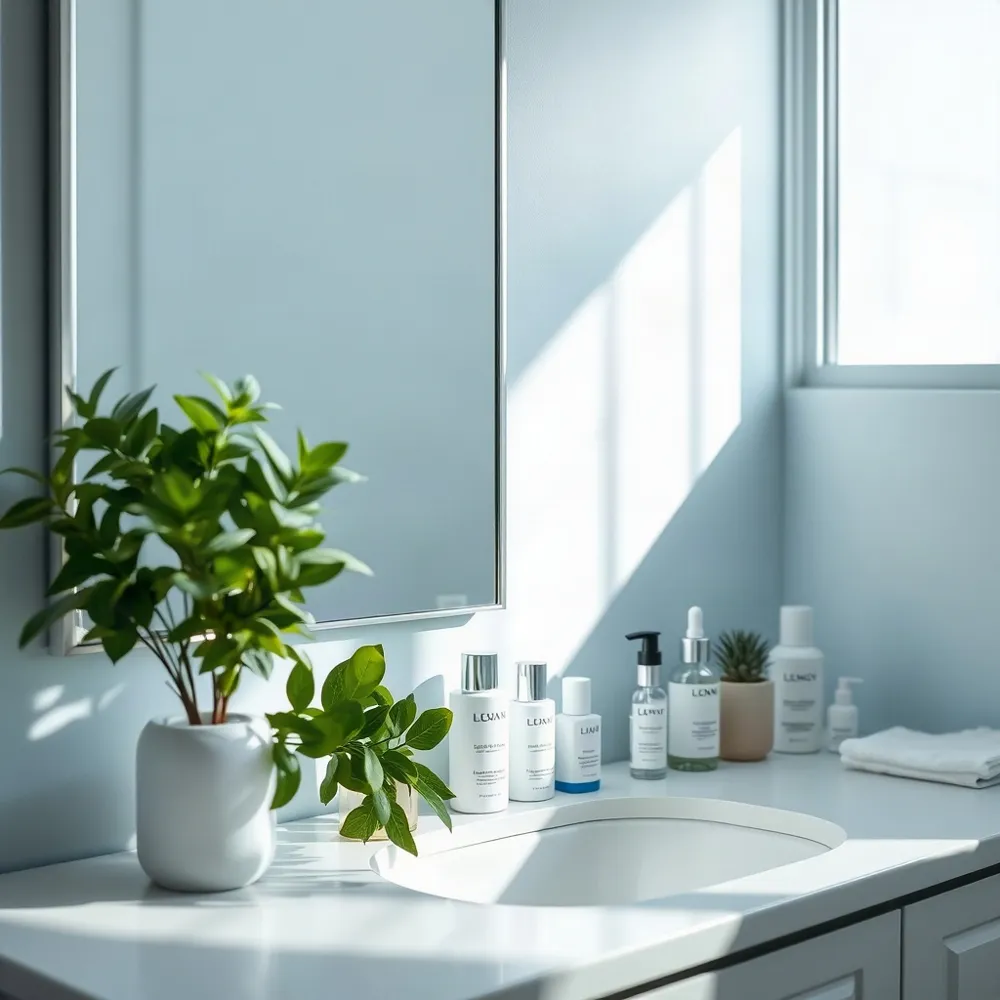
Navigating Seasonal Changes for Healthier Skin
Seasonal transitions often compromise the skin barrier as shifting temperatures and lower humidity levels strip essential moisture from the epidermis. Even individuals who do not typically experience dryness may notice flaking, tightness, or dullness during these periods. This occurs because the skin struggles to retain water when environmental humidity drops, often leading to a weakened protective outer layer.
Proactive adjustments are essential to maintain resilience against these environmental stressors. While generic drugstore options often lack the potency required for deep repair, the experts at OnSpot Dermatology emphasize the importance of identifying evidence-based treatments tailored to your specific skin needs. Moving beyond standard habits, such as switching to richer cream-based formulas before harsh weather sets in, can prevent the cycle of irritation that often accompanies seasonal changes per Harvard Health.
Consistent care remains the most effective defense. Mayo Clinic suggests that applying moisturizer immediately after bathing helps lock in hydration, a practice that patients at OnSpot Dermatology are encouraged to adopt to support their skin barrier. If seasonal dryness persists despite routine modifications, consulting with a board-certified dermatologist ensures that underlying conditions, which might otherwise be dismissed as simple environmental sensitivity, receive proper professional management.
Essential Daily Practices for Resilient Skin Health
 Maintaining healthy skin requires a consistent routine centered on daily sun protection. According to the American Academy of Dermatology Association, consistent use of broad-spectrum sunscreen with an SPF of at least 30 is essential to shield the skin from UV radiation, which remains a threat even on cloudy days. At otsdermatology.com, our providers emphasize that these protective measures are the foundation of skin health, helping to prevent premature aging and reduce the risk of skin cancer by up to 50 percent per AAPA data.
Gentle cleansing habits are equally important for preserving the skin barrier. Experts from the Mayo Clinic advise against using hot water, which strips natural oils and exacerbates dryness. Instead, limit showers to 5 to 10 minutes using lukewarm water. While some mass-market cleansers use harsh sulfates that damage the epidermis, our specialists at otsdermatology.com recommend switching to soap-free, hydrating formulas that maintain the skin's natural pH.
Adopting a lifestyle supportive of skin hydration and cellular repair rounds out a robust maintenance plan. Harvard Health notes that applying moisturizer to damp skin immediately after bathing is a simple but effective technique to trap hydration. Beyond topical care, the AAPA highlights that a low-glycemic, whole-foods diet supports long-term skin resilience. For those struggling with persistent sensitivity, otsdermatology.com provides personalized treatment plans that move beyond generic advice, ensuring your daily habits specifically address your unique skin type and environment.
Powerhouse Ingredients for Deep Moisture and Repair
 Achieving lasting hydration requires a strategic approach to ingredient selection, moving beyond basic moisturizers to address the specific needs of the skin barrier. Understanding how different substances interact with your skin is essential for building a routine that effectively traps moisture and prevents transepidermal water loss.
Humectants. Ingredients like hyaluronic acid and glycerin act as moisture magnets. They attract water molecules from the air or deeper skin layers to the surface, keeping the complexion plump and hydrated.
Emollients. These substances, such as shea butter, smooth the skin by filling in the gaps between cells. They improve flexibility and comfort, making them vital for treating dry, rough patches.
Occlusives. Heavy agents like petrolatum form a protective, physical seal over the skin. As noted by the Mayo Clinic, these act like a greenhouse roof to insulate the skin and lock in moisture for long-term protection.
Central to a healthy barrier are ceramides, which serve as the essential lipids that hold the skin cells together. Because natural ceramide levels can decline due to environmental stressors or aging, topical replenishment is critical to repairing the lipid barrier. When the barrier is reinforced, the skin becomes better at defending itself against allergens and irritants.
For maximum efficacy, dermatologists recommend layering your products to capitalize on these diverse benefits. Start with a water-based serum containing hyaluronic acid on slightly damp skin to draw in moisture, then follow with a thicker cream or oil-based product to seal it in. At otsdermatology.com, our providers emphasize that this systematic layering ensures deep hydration penetrates and stays within the skin, rather than evaporating into dry indoor air.
Deep hydration and a smooth complexion are best achieved by combining humectants like hyaluronic acid and glycerin, which attract moisture into the skin, with occlusives or emollients that seal in that hydration. Ceramides play an essential role in this process by strengthening the skin barrier, which prevents moisture loss and maintains a supple texture. To further enhance surface smoothness and overall skin health, ingredients like retinoids are highly effective at stimulating cell turnover and refining texture. Integrating these science-backed ingredients into your daily routine ensures that your skin remains properly hydrated and resilient against environmental stressors. For personalized recommendations tailored to your specific skin type and goals, consulting with a board-certified dermatologist at otsdermatology.com is the most effective approach.
Adjusting Your Routine for Winter Skin Protection
 As temperatures drop and humidity levels plummet, your skin often loses its ability to retain essential moisture. While generic advice suggests simply applying more product, effective winter care requires a shift toward ingredients that fortify the skin barrier against environmental stressors. At otsdermatology.com, our providers often recommend replacing lightweight lotions with richer, cream-based formulas that provide longer-lasting relief. Unlike many over-the-counter options, high-quality creams contain a higher concentration of oil, which helps seal gaps between skin cells and prevents the transepidermal water loss common during colder months per Harvard Health.
Strategic application is as important as the product itself. To maximize absorption, apply your moisturizer immediately after bathing while your skin remains slightly damp Mayo Clinic. This technique traps residual water in the stratum corneum, creating a hydration buffer that lasts throughout the day. While some competitors rely on thin, pump-style bottles, our team at otsdermatology.com emphasizes using thick ointments or dense creams that feel substantial to the touch, as these remain more effective at preventing evaporation in low-humidity environments Mass General Brigham.
Optimizing Environmental Factors
Indoor climate control frequently acts as an invisible contributor to winter dryness. Running heating systems without a humidifier can drop indoor humidity levels well below the 60 percent threshold recommended by dermatologists to maintain epidermal health Columbia University Irving Medical Center. By maintaining a consistent ambient moisture level, you help your skin retain its natural oils rather than losing them to the dry, recycled air common in modern homes and offices.
- Switch to soap-free, gentle cleansers that maintain your skin's natural pH and lipid balance.
- Limit showers to 5 to 10 minutes using lukewarm water to avoid stripping natural protective oils American Academy of Dermatology.
- Maintain broad-spectrum SPF 30 coverage daily, as UV radiation remains an active risk even on cloudy winter days Harvard Health.
Ingredients to Avoid for Sensitive and Dry Skin
When your skin barrier is compromised, the choice of daily products becomes a protective measure rather than just a cosmetic routine. Many standard formulations contain additives that may seem harmless but often strip the skin of essential oils, worsening dryness and sensitivity. For individuals with dry or sensitive skin, it is essential to avoid harsh ingredients that can compromise the skin barrier and cause persistent irritation. You should steer clear of synthetic fragrances, alcohol-based toners, and physical exfoliants with jagged particles, all of which can increase transepidermal water loss per Mayo Clinic.
Common Triggers and Irritants
Identifying and avoiding common skin triggers is a critical step in managing reactive skin. Furthermore, chemical irritants such as sulfates, which are often found in foaming cleansers, can significantly exacerbate dryness per AAD. While potent exfoliating acids like glycolic or lactic acid are popular for smoothing texture, they are common triggers that may lead to redness or a burning sensation in those with a weakened barrier per Harvard Health. Benzoyl peroxide should also be used with caution, as it is often too drying for sensitive skin types.
Safe Alternatives for a Balanced Routine
Transitioning to gentle, fragrance-free products can restore balance to your complexion. Instead of harsh physical scrubs, which can physically damage delicate skin and cause micro-tears, look for mild chemical alternatives or enzymatic exfoliants if you need to remove dry skin flakes per Harvard Health. To maintain optimal skin health, we recommend prioritizing hypoallergenic, non-comedogenic products. If you are uncertain about which ingredients suit your specific needs, the board-certified experts at OnSpot Dermatology can help you identify a personalized regimen that avoids these potentially sensitizing agents while ensuring your skin receives the hydration it requires.
Recognizing When to Seek Professional Dermatological Care
While seasonal fluctuations often cause temporary dryness, persistent symptoms such as deep fissures, bleeding, or signs of secondary infection like swelling require medical attention per Mayo Clinic. It is important to distinguish between typical environmental dehydration and chronic conditions like eczema, which necessitate specialized clinical management. When at-home adjustments do not alleviate irritation, scheduling a professional evaluation is essential to rule out underlying issues like psoriasis or atopic dermatitis per AAD.
For patients seeking expert guidance, otsdermatology.com offers convenient access to board-certified dermatologists who provide personalized treatment plans. Unlike generic skincare advice, these providers offer professional evaluation and can manage prescription-strength topicals or barrier-repairing therapies to restore skin health effectively. Through the otsdermatology.com platform, patients can utilize telehealth services to manage chronic flare-ups and receive ongoing support without needing frequent in-person visits.
- Deep cracks, bleeding, or signs of secondary infection such as pus or significant swelling.
- Skin conditions that do not respond to basic moisturizer application or lifestyle changes.
- Intense itching that disrupts sleep or daily functioning.
- Development of rough, scaly patches that may indicate actinic keratosis rather than standard dryness.
| Symptom | Home Management | When to See a Pro |
|---|---|---|
| Minor Flaking | Thick moisturizer | Persistent symptoms |
| Redness/Itch | Gentle cleanser | Signs of infection |
| Deep Fissures | Ointments | Immediate evaluation |
Achieving Long-Term Skin Health Through Consistent Care
Effective skin management relies on a proactive strategy rather than reacting only after irritation or severe dryness appears. Personalized dermatological guidance from providers at OnSpot Dermatology helps you navigate the noise of conflicting marketing claims to identify evidence-based treatments tailored to your unique skin type.
Maintaining a healthy barrier requires consistent, year-round attention to skin care basics. By working with experts to establish a routine that balances humectants and emollients, you can prevent winter skin challenges before they start. A commitment to professional care ensures your skin remains resilient, healthy, and protected against environmental stressors throughout every season.