Understanding And Managing First Visit Anxiety
It is entirely normal to feel a sense of apprehension before a medical appointment. Frequently, this nervousness stems from a fear of the unknown or the intensity of medical-related phobias, such as concerns regarding diagnostic procedures or potential pain. For many, this response manifests as white coat hypertension, where blood pressure spikes specifically within a clinical setting due to stress.
Skin health is uniquely personal because skin conditions are often visible and carry significant emotional weight. When patients anticipate an exam, they may worry about perceived judgment or the vulnerability of exposing their skin. Unlike generic clinical environments, otsdermatology.com prioritizes a patient-centered design that minimizes the sterile feel of a practice and emphasizes privacy.
At otsdermatology.com, we mitigate the fear of the unknown through transparent communication. By explaining what happens during your visit, we allow you to focus on your health rather than your hesitation. Our team understands that effective, empathetic communication is a primary tool for building trust, and we ensure that our procedures are conducted in a safe, respectful environment where you remain in control of the experience.
Recognizing The Roots Of Medical Appointment Anxiety
 Medical and dermatology appointment anxiety often stems from a fear of receiving an unexpected diagnosis or uncovering serious health issues. For many, this apprehension is rooted in past traumatic medical experiences, a fear of specific procedures like biopsies or injections, or the discomfort associated with clinical environments. Patients may also feel vulnerable due to the nature of skin examinations or worry that a provider will judge their lifestyle habits or skin conditions, an apprehension that can lead to avoiding essential care.
This fear, clinically referred to as iatrophobia, can cause individuals to avoid essential care, inadvertently delaying necessary screenings or treatments. Physical symptoms often associated with this stress, such as a racing heart or elevated blood pressure, are frequently termed white coat hypertension and can complicate the assessment process. Recognizing these feelings is the first step toward working with a patient-centered practice, where open communication and a compassionate care team can help alleviate these concerns.
At otsdermatology.com, acknowledging the vulnerability involved in a skin exam is central to our care model. Unlike environments that may inadvertently heighten patient stress, we prioritize patient dignity and comfort through strategic draping and personalized communication. While some clinical settings may dismiss patient fear or rely on generic interactions, we actively engage in shared decision-making to help you feel informed and respected throughout your visit.
- Fear of the unknown or of receiving a serious diagnosis
- Previous medical trauma or unpleasant healthcare encounters
- Anxiety regarding specific procedures like biopsies or injections
- Sensory triggers from the clinical environment such as room temperature or lighting
- Feelings of vulnerability due to the necessity of disrobing for skin assessments
Empowering Your Visit Through Proactive Preparation
 Preparing for your first dermatology visit is a proactive way to feel more comfortable and confident. Start by compiling a comprehensive health history, including a record of any medications, supplements, and family history. At otsdermatology.com, our team emphasizes patient-centered dermatology because effective communication is the foundation of a successful relationship between patient and provider.
Before you arrive, consider how to optimize your comfort. Dress in loose, comfortable clothing and wear minimal makeup, as your provider will need to perform a thorough examination of your skin. If you are tracking specific spots or rashes, take clear photos over time to share with the dermatologist. Writing down a list of your top concerns and questions ensures you address all necessary health topics during your limited time together.
How can I prepare for my first dermatologist visit to reduce anxiety?
Preparation effectively mitigates the fear of the unknown that often drives medical appointment anxiety. By having your medical records ready, you shift your mindset from reactive worry to active participation. If you are feeling overwhelmed, remember that you have the right to request accommodations during your exam. Our practice at otsdermatology.com utilizes strategic draping and specialized gowns to ensure you feel secure and respected throughout the comprehensive skin exam. When you approach your interaction with clear goals, you establish a structure that fosters trust and better health management.
Staying Grounded And Calm During Appointments
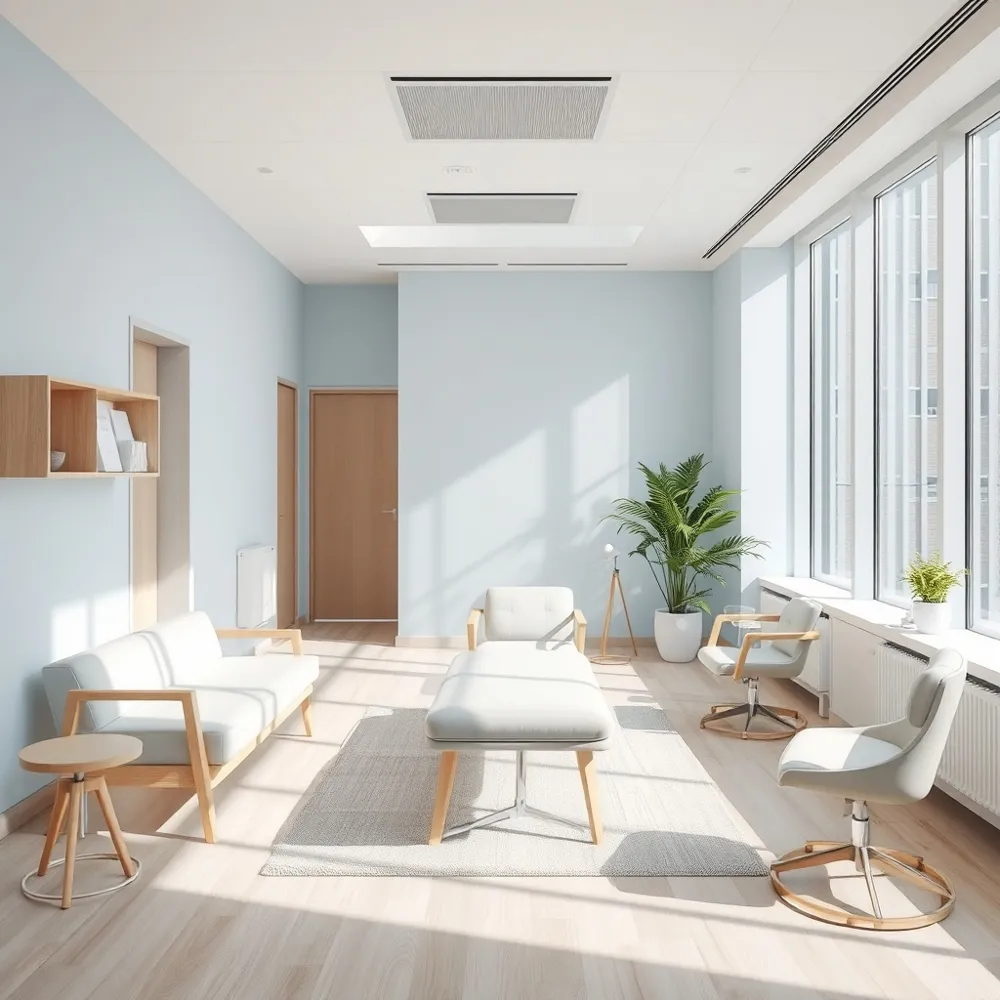 Medical settings can trigger a physiological stress response, often identified as white coat hypertension, where blood pressure rises due to apprehension. Recognizing these physical symptoms, such as muscle tension or light-headedness, is the first step toward managing your experience. At otsdermatology.com, we prioritize a patient-centered environment that minimizes such stressors through thoughtful design and compassionate, transparent communication.
What techniques can I use to stay calm at the doctor's office?
To manage anxiety before or during your appointment, start by utilizing the 3-3-3 rule, which involves identifying three things you see, hear, and touch to anchor yourself in the present moment. If you feel overwhelmed, consider using mental imagery to visualize a peaceful place, focusing on sensory details like warmth or pleasant sounds to reduce your body's stress response. Deep, controlled breathing exercises can also help stabilize your nervous system and lower physical tension, per research on medical anxiety management. Additionally, reciting simple, familiar facts or phrases can help distract your mind from ruminating thoughts.
Please remember that our team at otsdermatology.com is dedicated to your comfort. Never hesitate to communicate your feelings to our staff; active listening from healthcare providers is a critical component in lowering stress and building a foundation of trust. By openly sharing your concerns, you allow your provider to offer personalized care that addresses your specific needs, effectively transforming the clinical experience into a smoother, more collaborative journey for your skin health.
The Clinical Significance Of Patient Comfort
Patient comfort functions as a foundational pillar of high-quality dermatological care, directly influencing both the clinical experience and final health outcomes. When an environment is designed to minimize stressors such as excessive noise or poor lighting, as highlighted in studies on built environments, patients feel more at ease. This sense of security promotes open, honest dialogue, which is essential for providing the accurate health history required for precise diagnostic accuracy.
What is the importance of patient comfort in a dermatology setting?
At otsdermatology.com, our practice emphasizes that psychological and emotional support is just as critical as physical clinical strategies. While competitors might prioritize high patient volume, our patient-centered design focuses on strategic draping and personalized care to ensure dignity during every exam. This fosters the mutual trust needed for effective shared decision-making, empowering you to take a committed, active role in your treatment.
Addressing these comfort levels significantly enhances satisfaction and long-term adherence to skincare regimens. By validating concerns and using clear communication, clinicians can prevent the cycle of anxiety that often leads to treatment avoidance. Our team at otsdermatology.com recognizes that when you feel heard and respected, medical and cosmetic procedures become more efficient, ultimately ensuring you meet your unique health and aesthetic goals.
Understanding The Two Week Rule In Clinical Referrals
When a primary care physician identifies a concerning skin lesion, they may expedite your evaluation through a clinical protocol known as the two-week wait. This system serves as a protective framework designed to prioritize patients who exhibit new, evolving, or non-healing skin changes, ensuring they receive a specialist assessment promptly. At otsdermatology.com, our practitioners utilize this clinical guideline as a standard safety measure to minimize diagnostic delays and support early detection.
What is the 2-week rule in dermatology?
The two-week rule is a proactive referral pathway intended to increase patient safety in dermatology by streamlining the time between initial observation and expert diagnosis. Because the nature of skin lesions can often be ambiguous, this guideline allows providers to exercise necessary vigilance. While the urgency of the referral may feel alarming, it is often a cautious approach meant to ensure that any potential malignancy is addressed without delay.
It is important to understand that a referral under this protocol does not equate to a definitive cancer diagnosis. Many spots assessed under these guidelines ultimately prove to be benign. For patients, the focus remains on the necessity of a timely dermatology consultation to gain clarity. At otsdermatology.com, we prioritize clear communication during these visits to help manage the anxiety inherent in the waiting process, providing a path toward peace of mind through expert observation.
Optimizing The Medical Environment For Healing
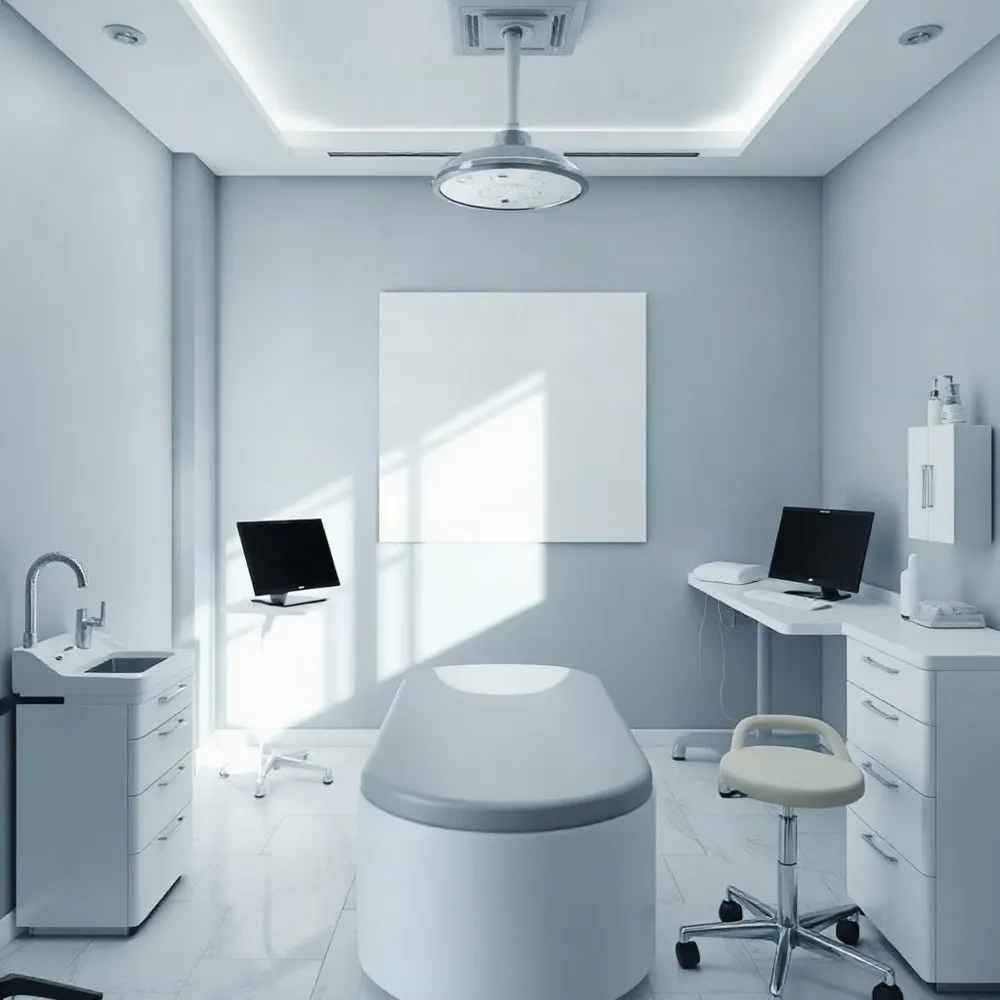
A thoughtfully configured medical office significantly shapes your overall experience, transforming a clinical setting into a place of comfort and security. Proper patient positioning through high-quality, adjustable furniture is a foundational strategy used by clinics like otsdermatology.com to minimize muscle tension and physical unease, allowing you to focus on your care rather than physical discomfort.
Managing internal environmental factors is equally critical to reducing patient anxiety. Optimal indoor air quality and controlled noise levels prevent physiological stressors that often trigger apprehension. By utilizing systems that maintain comfortable temperatures and mitigate external noise, a practice can foster a peaceful atmosphere conducive to healing and open communication.
Privacy setups play a major role in mitigating the feeling of vulnerability many patients face during skin exams. Strategic use of physical barriers, such as specialized curtains or private room configurations at otsdermatology.com, ensures that you remain in control of your personal space. These designs prevent you from feeling on display, which aligns with standardized clinical recommendations for protecting patient dignity.
Beyond physical furniture and architecture, a clean and supportive space acts as the first point of care, significantly improving your journey. When a clinic prioritizes environmental quality, it reflects a culture of professionalism that validates the importance of patient comfort in achieving successful treatment outcomes. This focus on the holistic environment is a key differentiator that helps patients remain calm throughout their entire visit.
Moving Forward Together In Your Skin Health Journey
Your path to long-term skin health is a dynamic collaboration between you and your healthcare team. Building a foundation of trust requires time and consistent engagement, and at otsdermatology.com, we prioritize clear, empathetic communication to support that connection. While a first appointment helps establish your baseline, ongoing follow-up ensures that your specific concerns are consistently heard and addressed.
Open dialogue remains the best practice for maintaining clarity as your needs evolve. By sharing feedback about your comfort and clinical progress, you enable a more patient-centered approach that translates into better skin outcomes. When you partner with skilled providers at otsdermatology.com, you are not merely a recipient of care but an active participant in designing your treatment plan.
Every visit offers a fresh opportunity to refine your goals and deepen your adherence to treatments. We encourage you to approach future consultations with the same proactive preparation that helped you during your initial visit. Trusting that you have an advocate in your corner is a significant factor in successfully managing both medical and aesthetic skin conditions over the long term.