Why the Dermatology Visit Matters
The Power of Early Detection and Management
Regular dermatology visits are a cornerstone of preventive health. Skin cancer is the most common type of cancer, but it is also highly treatable when caught early. A full-body skin exam allows a board-certified dermatologist to spot subtle changes that patients might miss. This proactive step establishes a personal baseline and can identify precancerous lesions or skin cancer in its most treatable stages, potentially saving lives.
Beyond cancer screening, these appointments are vital for managing chronic conditions like atopic dermatitis, acne, and psoriasis. Effective management can prevent painful flares, reduce discomfort, and improve long-term quality of life. Dermatologists provide personalized treatment plans and professional skincare advice that goes beyond daily routines, addressing issues from medical concerns to cosmetic goals in a comprehensive, expert-led manner.
Addressing Unspoken Patient Fears and Expectations
Patients arrive at a dermatology clinic with a complex set of unspoken needs. Research indicates that 85% of patients have fears regarding their skin condition, ranging from concerns about cancer and symptom persistence to worries about scarring or social stigma. Simultaneously, 97% come with specific expectations, most commonly seeking a clear diagnosis, effective treatment, or simple reassurance.
A patient's emotional state significantly impacts their experience. For instance, those with chronic inflammatory conditions often report higher levels of anxiety. Younger patients may express greater fear about symptoms and future deterioration. Recognizing these hidden concerns is the first step toward addressing them. Using tools like brief pre-visit questionnaires can help surface these topics, ensuring the consultation time is used to directly address what matters most to the patient.
How Patient Experience Drives Better Health Results
The quality of a patient's experience is not merely about comfort; it is directly linked to clinical success. Studies show that patients who feel respected, listened to, and cared for by their dermatologist are more likely to adhere to treatment plans. This increased compliance leads to better management of chronic diseases and improved health outcomes. Conversely, dissatisfaction can cause patients to discontinue treatment or seek care elsewhere.
The core of a positive experience hinges on clear communication and a caring bedside manner. Factors like wait times or office amenities are secondary to the patient's perception of the physician's empathy and skill. When dermatologists actively listen, explain conditions in simple language, and involve patients in decision-making, they build the trust necessary for effective, long-term care. This trust transforms a routine visit into a powerful partnership for skin health.
| Aspect of Visit | Common Patient Concern | Impact on Clinical Outcome |
|---|---|---|
| Communication | Unclear explanations, jargon use | Lower treatment adherence, confusion |
| Provider Demeanor | Feeling rushed or unheard | Reduced trust, higher anxiety |
| Visit Preparation | Unaddressed fears/expectations | Missed opportunities for care |
| Treatment Planning | Lack of shared decision-making | Decreased long-term compliance |
| Follow-up Clarity | Uncertainty about next steps | Gaps in monitoring, delayed care |
Setting the Stage: What to Expect When You Arrive
How long does a first dermatologist appointment typically take?
A first appointment for a skin check or evaluation typically takes 15 to 30 minutes. This time allows for a comprehensive review of your medical history and a full skin examination. For patients with many moles or a complex history, the visit may lean toward the longer end. While the goal is an efficient and professional experience, dermatologists prioritize thoroughness and ensuring you never feel rushed.
What can I expect during a full body skin examination?
Upon arrival, you will be given privacy to undress and put on a medical gown, often leaving your underwear on for comfort. A board-certified dermatologist will then perform a head-to-toe inspection. This systematic exam covers all areas, including the scalp, behind the ears, the back, and between your fingers and toes. They use gloved hands and may employ a dermatoscope—a handheld magnifying tool—to closely examine moles or spots. This establishes a critical baseline for your skin health.
What steps should I take to prepare for my appointment?
Proper preparation helps your dermatologist give you the most thorough evaluation. Here’s a simple checklist to follow:
- Arrive with clean skin: Avoid wearing makeup, nail polish, heavy lotions, creams, or oils. Skip self-tanner.
- Wear comfortable clothing: Opt for loose-fitting garments that are easy to change out of and back into.
- Style hair simply: Wear long hair down or loosely tied to allow for a scalp examination.
- Bring essential information: Have a list of your current medications, supplements, and any skincare products you use.
- Note your concerns: Before your visit, examine your own skin and note (or photograph) any specific moles, spots, or rashes you want to discuss.
Why is a detailed medical history so important?
Before the physical exam, your dermatologist will ask detailed questions about your health. This conversation is foundational for personalized care. Topics typically covered include:
- Your personal and family history of skin conditions, especially skin cancer.
- Your history of sun exposure, sunburns, and sunscreen use.
- Your current medications and allergies.
- Lifestyle factors like stress, diet, and smoking. This information helps assess your unique risk factors and guides the clinical examination.
How is patient privacy and comfort ensured during the exam?
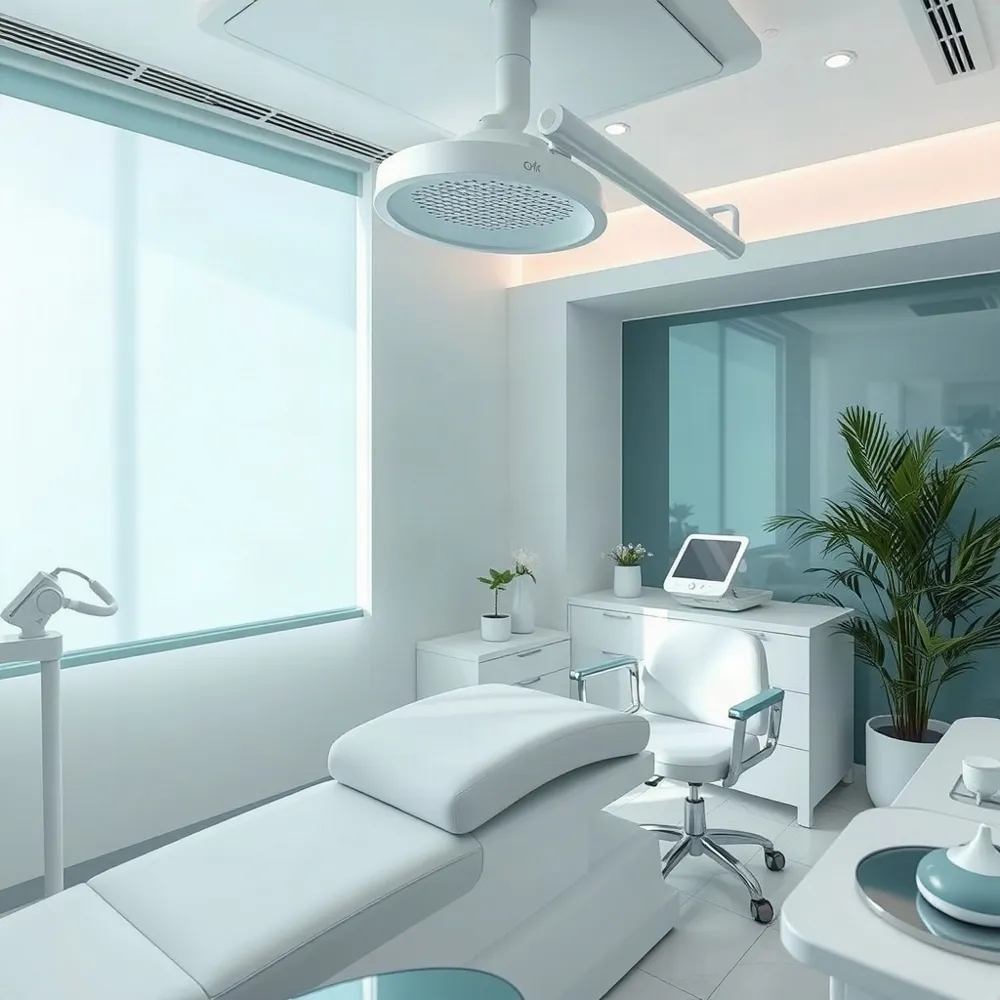
Patient dignity and comfort are prioritized throughout the visit. You are in control of what areas are checked. The gown provides coverage, and you can keep it closed except for the area being examined. The exam room environment is designed to be private and respectful. Many practices, including those using modern procedure rooms that create an efficient point of care ecosystem in dermatology, ensure the design minimizes unnecessary movement and protects patient dignity.
| Appointment Stage | Key Patient Experience Features | Supporting Actions for Comfort & Efficiency |
|---|---|---|
| Check-In & History | Personalized discussion, feeling heard. | Bringing notes on health history and concerns. |
| Pre-Exam Prep | Privacy, control over undressing level. | Wearing loose clothing for easy changing. |
| Skin Examination | Thorough, methodical, educational. | Clean skin, no makeup or polish. |
| Post-Exam Discussion | Clear explanations, collaborative planning. | Asking questions about findings and next steps. |
Beyond the Surface: Understanding the Patient's Inner World
Common, often unspoken, fears patients bring to clinic.
Research reveals that a majority of dermatology patients—85 percent—arrive at their appointment with significant fears regarding their skin condition. These worries are often unspoken unless directly asked. Common fears include the possibility of cancer, which concerns about 1 in 5 patients. Other prevalent anxieties are about the persistence of the condition, future deterioration of symptoms, scarring, and the worry that a lesion might be unsightly or infectious. For younger patients, especially those under 30, fears about symptoms worsening, the condition lasting, and scarring tend to be higher. Specific fears can be categorized in a preconsultation survey on skin condition concerns, addressing patient fears about skin cancer and inflammatory dermatoses multiple fears.
Specific expectations patients have for their consultation.
Almost all patients (97 percent) come to the dermatology clinic with specific expectations. The most common hopes are for an effective treatment plan, a clear diagnosis, and reassurance about their condition. Many patients also hope for a definitive cure or significant improvement in their symptoms. It's common for patients to have multiple expectations; in one study, 41.5 percent of patients had more than one hope for their visit. External influences, such as advice from family, friends, or a primary care physician, can shape what patients expect from their dermatology appointment. Understanding these patient expectations for a clinic visit and distinguishing between realistic vs unrealistic patient expectations is key for doctors.
How patient knowledge and expectations vary.
Patient understanding of their condition can vary widely. While just over half of patients may know their diagnosis or can accurately describe their symptoms, others may have less insight. This knowledge often influences expectations. For instance, patients with chronic inflammatory conditions like atopic dermatitis are more likely to have multiple, and sometimes non-realistic, fears and expectations. Age and education level also play a role; older patients may prioritize different aspects of communication, and those with higher education may have more detailed expectations for information and shared decision-making. Gaining deeper patient insights and understanding patient symptoms and feelings is critical for personalized care.
The utility of pre-consultation questionnaires.
A simple, pre-visit questionnaire is a powerful tool for bridging communication gaps. Asking patients to write down their understanding, fears, and hopes before the consultation gives them a voice and helps the dermatologist prepare. Studies show that 74 percent of patients find such questionnaires useful. Importantly, the information gathered can directly influence medical care; doctors reported that in 12.5 percent of cases, the questionnaire responses modified their therapeutic approach. This tool is a cost-effective way to ensure critical, but often hidden, patient concerns are addressed. The use of a preconsultation survey for skin condition concerns or a dermatology questionnaire enhances doctor-patient communication.
The high psychological burden of chronic conditions.
Chronic skin diseases like atopic dermatitis (eczema) carry a heavy psychological and emotional toll. The intense itching, visible symptoms, and unpredictable flares disrupt sleep, daily activities, and social interactions. Nearly half of patients with severe atopic dermatitis report experiencing anxiety or moderate-to-severe depression. The condition's impact extends to caregivers as well, creating a cycle of frustration and stress that begins even before diagnosis. This underscores why addressing emotional well-being and providing psychological support are as crucial as treating the physical symptoms in dermatologic care. The journey includes navigating pre-diagnosis uncertainty, severe flare triggers, and the mental health burden, which impacts quality of life.
| Patient Factor | Common Fears | Common Expectations | Key Insight |
|---|---|---|---|
| General Population | Cancer, persistence, scarring | Treatment, diagnosis, reassurance | 85% have fears; 97% have expectations |
| Younger Patients (Under 30) | Symptoms, future deterioration, scarring | Clear answers, effective management | Higher fear levels regarding symptoms & future |
| Inflammatory Conditions (e.g., Eczema) | Multiple fears, symptom persistence | Cure, significant improvement, understanding | Higher risk of non-realistic expectations |
| Pre-Consultation Tool Use | All categories more likely expressed | All categories more clearly defined | Unlocks unspoken concerns, guides treatment |
The Heart of the Visit: Communication, Care, and Compassion

Why Bedside Manner Drives Satisfaction
Research consistently shows that a physician's interpersonal skills are the most influential factor in patient satisfaction. In reviews, aspects like the perceived experience of the visit and the provider's bedside manner impact on dermatology patient satisfaction account for a significantly larger portion of feedback than factors like office space, wait times, or costs [1]. Patients are more likely to recommend and return to providers who they feel are caring, kind, and empathetic 2.
This personal connection is so powerful it can often compensate for other potential inconveniences. Feeling genuinely cared for directly influences a patient's trust in their dermatologist and their willingness to adhere to treatment plans, which is crucial for managing chronic skin conditions 3.
What Patients Value Most in Communication
Patients prioritize two core communication skills above all others: being treated with respect and receiving clear, complete information 4. These elements form the foundation of a trustworthy patient-provider relationship. When dermatologists take the time to present data in an understandable way and engage patients respectfully, it significantly enhances the perceived quality of care and satisfaction.
Other valued skills include involving patients in decision-making, providing clear instructions for treatment, and ensuring timely follow-up on test results or concerns 5.
Common Communication Gaps
Despite its importance, studies reveal specific areas where communication often falls short. These gaps can undermine the patient experience even when clinical care is excellent 6.
- Inadequate Introductions: Many dermatologists neglect to clearly introduce themselves and explain their role, which can weaken the initial connection.
- Exploring Emotions: Providers frequently miss opportunities to ask about a patient's worries or encourage them to express their feelings about their condition 7.
- Rushed Closures: Visits often end without a final check to see if the patient has questions or a summary of the key information discussed.
These lapses are often attributed to high patient volumes and time constraints, but addressing them can dramatically improve the consultation.
The Critical Role of Listening and Clarity
Active listening and empathy are non-negotiable components of effective care. Dermatologists must create an environment where patients feel safe sharing all their concerns, not just the most obvious ones 8. This involves asking open-ended questions and paying attention to verbal and non-verbal cues.
Equally important is explaining diagnoses and treatments in simple, jargon-free language. More than half of patients may not understand common terms like 'autoimmune' or 'hyperpigmentation' 9. Avoiding medical terminology and using plain language or analogies ensures patients fully comprehend their condition and care plan, which is essential for informed consent and adherence.
How Feeling Cared For Shapes Outcomes
The feeling of being cared for has a more substantial impact on overall satisfaction than logistical factors like appointment wait times 10. When patients believe their dermatologist is sincerely invested in their well-being, they develop stronger trust 11. This trust translates directly into better clinical outcomes, as patients are more likely to follow treatment recommendations, attend follow-up appointments, and engage actively in their skin health.
This patient-centered approach, where the focus is on the individual's experience and understanding, ultimately leads to higher retention rates and a more positive practice reputation 12. It reaffirms that the human connection in medicine is irreplaceable.
| Communication Priority | Patient Expectation | Common Practice Gap | Impact on Satisfaction |
|---|---|---|---|
| Respect & Information | To be treated with dignity and given clear, complete explanations. | Occasionally rushed explanations; use of complex medical jargon 13. | High impact; core driver of trust and perceived care quality. |
| Emotional Support | For fears and concerns to be actively explored and acknowledged. | Often overlooked due to time pressure or focus on physical exam 14. | Very high impact; addresses unspoken anxieties affecting compliance. |
| Visit Structure | Clear introductions, summarization of key points, and opportunity for final questions. | Frequently omitted, especially introductions and session summaries 15. | Moderate to high impact; affects feeling of being heard and closure. |
| Language & Clarity | Explanations in simple, understandable terms without assumption of knowledge. | Providers often overestimate patient health literacy and understanding 16. | High impact; essential for informed consent and treatment adherence. |
| Interpersonal Connection | To feel the provider is empathetic, kind, and personally invested in care. | Variable; can be overshadowed by clinical efficiency goals. | Highest impact; most powerful predictor of overall satisfaction and loyalty 17. |
Personalized Pathways: Treatment, Education, and Follow-Through
Developing a Personalized Treatment Plan
Your visit begins with a diagnosis, but the real value comes next. A one-size-fits-all approach does not work for skin health. Your dermatologist uses the details from your history and exam to craft a plan just for you. This plan considers your specific condition, skin type, lifestyle, and personal preferences.
For example, a plan for managing inflammatory dermatoses multiple fears like psoriasis will differ greatly from one for rosacea or skin cancer prevention. The dermatologist explains each recommended treatment's role. This may include prescriptions, medical procedures, skincare products, and lifestyle adjustments. The goal is an integrated strategy you can successfully follow.
What to Expect at a Dermatologist Appointment for Acne
Your dermatologist will take a detailed history of your acne and treatments, perform a focused skin exam, and then create a personalized plan. This may include topical medications, oral prescriptions like antibiotics or isotretinoin, or in-office procedures. You will receive clear instructions on use, potential side effects, and an expected timeline for improvement, with a follow-up scheduled to monitor your response and make adjustments.
The Importance of Patient Education and Skincare Guidance
Understanding your condition is the first step to managing it effectively. Dermatologists prioritize education, explaining what your diagnosis means in clear, simple language. Studies show over 50% of patients may misunderstand common medical terms, so your provider should avoid jargon.
Education extends to daily care. You’ll receive tailored advice on a skincare routine, which may include product recommendations for cleansing, moisturizing, and, most importantly, sun protection. Sunscreen use is non-negotiable for preventing skin damage and cancer.
Setting Realistic Treatment Timelines and Expectations
Skin conditions heal at different paces. Your dermatologist will outline a realistic timeline for when you might see results. For chronic issues like atopic dermatitis or psoriasis, the focus is on long-term management and flare reduction, not an instant cure. Acne treatments often take 6-8 weeks to show significant improvement. Clear communication about this process helps prevent frustration and maintains your commitment to the plan.
The Necessity of Follow-Up Appointments
Your first visit is the start of a partnership. Follow-up appointments are essential to monitor progress, assess treatment effectiveness, and make necessary adjustments. For chronic conditions or medications requiring monitoring, these visits ensure your safety and optimal results. They also provide a dedicated time to address new concerns that may arise.
Addressing Concerns Through Shared Decision-Making
Some treatments carry serious warnings or potential side effects. Your dermatologist should discuss these openly, transforming complex safety information into a meaningful conversation. This shared decision-making process empowers you. You can weigh the benefits and risks based on your personal health goals and comfort level, building essential trust in your prescribed care.
| Phase of Care | Key Action by Dermatologist | Key Action by Patient | Goal of This Phase |
|---|---|---|---|
| Initial Plan Development | Diagnose condition & create tailored strategy. | Share full history & express lifestyle needs. | Establish a clear, personalized roadmap. |
| Education & Guidance | Explain condition & provide skincare instructions. | Ask clarifying questions & note recommendations. | Build knowledge for confident self-care. |
| Expectation Setting | Outline realistic treatment timeline & outcomes. | Understand that some conditions require management. | Align hopes with medical reality. |
| Follow-Through | Schedule & conduct progress-monitoring visits. | Attend appointments & report any changes or issues. | Ensure treatment safety, efficacy, and adaptation. |
| Ongoing Communication | Discuss treatment risks & benefits transparently. | Voice concerns & participate in care decisions. | Foster a trusting, collaborative partnership. |
Enhancing the Ecosystem: Practical Strategies for a Better Experience
Operational strategies to improve access and reduce wait times
A persistent barrier in dermatology is patient access to timely care. Long wait times for dermatology appointments, often linked to workforce shortages and high demand, can significantly impact patient satisfaction. To address this, practices can implement several concrete strategies for a convenient one-stop dermatology shop.
One effective method is for individual providers to minimally extend clinic hours, such as by increase clinic hours by adding one hour per week. This small change can allow a practice to see at least three additional patients per week, over 100 patients per year.
Creating create dedicated urgent appointment slots is another powerful tool. reserve one slot per day for urgent issues that can only be booked no more than one week in advance ensures that patients with new, concerning lesions or uncomfortable rashes receive prompt attention without disrupting the schedule for routine follow-ups.
Practices should also improve reachability for appointment scheduling. educate front desk staff and utilizing use HIPAA-compliant online scheduling services make booking appointments easier. Some practices even use subscription services to fill canceled slots, which can pay for itself by keeping the schedule full.
Managing patient perception of wait times during the visit is also critical. Providing frequent updates on delays can help managing clinic delays and scheduling issues. Furthermore, strategically scheduling patients who are frequently late or who have a history of no-shows later in the day can minimize disruption to other appointments.
The role of office environment, amenities, and staff courtesy
The patient experience extends far beyond the clinical consultation. From the moment a patient walks in, the environment and team set the tone. Research shows the friendliness and courtesy of the team are crucial for a positive patient perception.
A creating a welcoming waiting area with amenities creates a calming experience. More importantly, ensuring support staff, such as knowledgeable support team members like RNs, PAs, and NPs, possess a deep knowledge base enables them to listen effectively and address initial patient concerns, which is a key patient preference.
Professional demeanor matters immensely. Studies have found that bedside manner impact on dermatology patient satisfaction is a key predictor of patient dissatisfaction. Positive reviews frequently praise physicians for being caring, kind, and empathetic, while negative reviews often cite rudeness. This highlights that a provider’s expressed compassion can often overcome other potential issues like a busy schedule.
Using technology for communication, education, and feedback
Implementing a patient communication platform addresses multiple friction points. automated appointment reminders via text or email can drastically reduce no-shows, improving practice efficiency and revenue. secure two-way messaging allows patients to ask questions and receive test results without phone calls, reducing administrative burden.
These platforms can also facilitate patient reactivation and recall by automatically identifying and contacting patients due for follow-up appointments, such as those with a history of melanoma. pre-appointment questionnaires gathered digitally save valuable time during the visit by ensuring the provider is prepared to address the patient's specific concerns from the start.
Gathering patient feedback is essential for continuous improvement. patient surveys provide direct, qualitative insights into the patient experience. Practices can use this data to identify areas for enhancement. To get a representative sample, it's beneficial to encourage all patients to leave feedback, which helps encouraging patient reviews to dilute negative feedback.
Leveraging waiting room time for health education
Patients spend an average of 20 minutes in waiting and exam rooms before seeing a provider. This time can be transformed into an educational opportunity. Almost half of patients feel anxious before appointments, often due to a lack of information about what to expect.
Strategically placed digital screens in waiting and exam rooms can deliver dynamic, customizable educational resources. Using clear language and engaging video, this content can answer common patient questions, provide seasonal skincare tips, and explain conditions and treatments. One case study noted that practices using such digital education tools saw consultation requests increase by up to 30%.
This approach not only reduce waiting room anxiety with health education by informing patients but also enhances awareness of the practice’s services, encouraging proactive health behaviors.
How specialized equipment and room design improve efficiency and comfort
The physical design of the practice and its equipment plays a dual role in enhancing both clinical efficiency and patient comfort. Adopting a patient-centered approach views the procedure room as an integrated point of care ecosystem in dermatology.
flexible procedure chairs for patient comfort and efficiency that offer easy accessibility (like a low entry height), and natural positioning improve patient comfort and independence while allowing the dermatologist to adjust positioning efficiently for procedures.
mobile workstations in dermatology for EMR integration support technology integration at the point of care, facilitating instant access to electronic medical records and patient education materials during the consultation. This enhances information sharing without interrupting the flow of the visit.
proper lighting in dermatology procedure rooms is another key element. LED lights with ideal color temperature and brightness help dermatologists assess skin tissue accurately while also contributing to a professional atmosphere that enhances patient confidence. A decluttered, wheelchair-accessible environment with zones for family communication further supports a seamless and respectful patient experience.
| Strategy Category | Specific Actions | Key Benefit for Patient Experience |
|---|---|---|
| Scheduling & Access | create dedicated urgent appointment slots; increase clinic hours by adding one hour per week | Reduces wait for concerning issues; Improves overall access |
| Staff & Environment | Train for deep knowledge and courtesy; create a welcoming waiting area with amenities | building patient trust and peace of mind; Reduces pre-visit anxiety |
| Communication Tech | use automated appointment reminders & portals; Send pre-appointment questionnaires | Makes care more convenient; Ensures visit addresses patient concerns |
| In-Office Education | use digital screens for health tips in waiting rooms | empower patients to talk with healthcare providers; Makes wait time feel productive and informative |
| Room & Equipment Design | Use flexible procedure chairs for patient comfort and efficiency; Ensure proper lighting in dermatology procedure rooms & accessibility | Increases comfort during exams; Enhances perceived professionalism and care |
Beauty and Confidence: The Role of Cosmetic Dermatology
 Cosmetic dermatology is a medical specialty focused on improving the appearance of the skin, hair, and nails. Performed by board-certified dermatologists, it addresses concerns like wrinkles, sun spots, scars, and unwanted hair through safe, minimally invasive procedures such as Botox, dermal fillers, laser therapies, and chemical peels. The goal is to achieve natural-looking aesthetic enhancements that boost a patient's confidence and satisfactionKey communication skills in cosmetic dermatology.
Common Cosmetic Procedures
Cosmetic dermatology offers a wide range of treatments tailored to individual needs. The core approach focuses on hygiene, hydration, protection, and repair to enhance the skin’s natural characteristicsAesthetic enhancements in dermatology. Common procedures include:
- Injectables: Neurotoxins like Botox relax facial muscles to smooth dynamic wrinkles, while dermal fillers restore volume and contour areas like the cheeks and lips.
- Laser & Light Therapies: These treatments target pigmentation, redness, and fine lines by stimulating collagen production and resurfacing the skin.
- Chemical Peels: Applying a controlled chemical solution exfoliates the outer skin layers, improving texture, tone, and clarity.
The Importance of Medical Expertise
Choosing a board-certified dermatologist for cosmetic treatments is vital for safety and achieving natural results. These medical doctors possess extensive training in anatomy and function of skin, health, and disease, ensuring procedures are performed with precision and a deep understanding of potential risks. Their medical background allows them to tailor treatments to your unique skin type and overall health, distinguishing professional care from non-medical alternatives.
Communication in Cosmetic Consultations
Effective communication skills for dermatologists is especially crucial in cosmetic consultations to align expectations. A successful interaction is built on a foundation of assertiveness in cosmetic dermatology, empathy in patient consultations, and critical judgement in dermatology from the provider. This patient-centered approach involveseffective communication in prescribing therapies:
- Active Listening: Understanding your specific aesthetic goals and concerns.
- Transparent Dialogue: Clearly explaining procedures, realistic outcomes, and any associated riskspatient-centered approach to boxed warnings.
- Shared Decision-Making: Collaborating to create a treatment plan that aligns with your desires and ensures you feel heard and valuedshared decision-making in dermatology care.
Research shows that when patients feel their provider is being respectful as highest executed communication skill and communicates clearly, patient satisfaction clinical outcomes dermatology and trust increase significantlypatient care for satisfaction in dermatology.
The Impact on Confidence and Well-Being
Improving one's appearance through cosmetic dermatology can have a profound impact on emotional well-beingcosmetic dermatology and body image. Enhancing skin characteristics improvement that affect body image often leads to increased self-confidence. Patients frequently report not only looking better but also feeling more positive in their daily interactions and social engagements. This boost in confidence underscores the deep connection between skin health, personal appearance, and overall quality of life.
| Cosmetic Focus | Common Procedures | Key Benefit | Why Choose a Dermatologist |
|---|---|---|---|
| Wrinkle Reduction | Botox, Fillers | Smooths lines, restores volume | Medical expertise for safe, natural placement |
| Skin Rejuvenation | Laser, Chemical Peels | Improves texture and tone | Correct diagnosis and tailored treatment plans |
| Scar & Spot Treatment | Laser Therapy | Minimizes appearance of imperfections | Understanding of skin healing and pathology |
| Hair Removal | Laser Hair Removal | Long-term reduction of unwanted hair | Proper settings for skin type to avoid burns |
Building a Lasting Partnership for Skin Health
Transforming the Visit Through Holistic Care
A truly effective dermatology visit does more than diagnose and treat a skin condition. It addresses both the clinical symptoms and the emotional concerns a patient brings into the room. Studies show that most dermatology patients arrive with specific fears and expectations, which often go unspoken without prompting. When providers use simple tools like pre-consultation questionnaires to explore these aspects, they can tailor their approach, modify treatment plans, and provide essential reassurance. This patient-centered method transforms a routine appointment into a collaborative experience focused on the individual's overall well-being.
The Lifelong Value of a Trusted Partnership
Establishing a strong, trusting relationship with your dermatologist yields significant long-term benefits, especially for managing chronic conditions and preventing skin cancer. For chronic issues like atopic dermatitis, a consistent partnership leads to better treatment adherence, more effective disease control, and improved quality of life. In skin cancer prevention, regular visits with a provider who knows your skin history allow for more accurate monitoring of changes over time. This continuity of care is crucial, as highly satisfied patients who trust their provider show better clinical outcomes and are more likely to follow through with recommended screenings and treatments.
Becoming an Active Participant in Your Care
Patients are encouraged to move from being passive recipients of care to proactive partners in their skin health journey. This means preparing for appointments by noting any new or changing spots, bringing a list of medications and questions, and openly discussing both medical and cosmetic concerns. It also involves engaging in the shared decision-making process, asking for clarification on medical terms or treatment plans, and committing to the recommended follow-up schedule and self-examinations at home. When patients and providers work together as a team, it fosters greater understanding, empowerment, and better long-term results.
| Partnership Aspect | Clinical Impact | Patient Empowerment Action |
|---|---|---|
| Open Communication | Addresses unspoken fears, aligns expectations, improves diagnosis. | Share concerns openly; ask questions about terms and treatments. |
| Continuity of Care | Enables tracking of chronic conditions; improves skin cancer detection. | Schedule and keep regular follow-up appointments as recommended. |
| Shared Decision-Making | Increases treatment adherence; builds trust for long-term management. | Discuss treatment options and preferences with your provider. |
| Education & Self-Care | Promotes prevention and early intervention between office visits. | Perform monthly self-exams; follow a personalized skincare routine. |