What Sunscreen Safety Means
Is physical, or mineral, sunscreen safer than chemical sunscreen? Both types can protect skin from ultraviolet (UV) radiation when used as directed, and neither is the right choice for everyone. The American Academy of Dermatology’s sunscreen guidance recommends broad-spectrum, water-resistant sunscreen with SPF 30 or higher, while noting that personal preference affects which product people will use.
Skin sensitivity, acne tendency, texture and concerns about ingredients can all shape the choice. Mineral formulas may suit sensitive skin, while some people prefer the lighter feel of chemical options. At On The Spot Dermatology, personalized dermatology care can help patients consider their skin needs and choose protection they are comfortable using consistently. A sunscreen that stays in the routine is more useful than one that goes unused.
How Sunscreen Types Work
 The main difference between sunscreen types is the UV filters listed on the label and how those filters interact with sunlight. Both mineral and chemical formulas absorb UV rays; mineral filters also reflect and scatter some rays, as explained by the American Academy of Dermatology.
How the filters protect skin
Mineral sunscreens contain zinc oxide, titanium dioxide, or both as active ingredients. Chemical sunscreens use UV filters such as avobenzone or octinoxate, which absorb UV energy and convert it into heat released from the skin. Both types can protect against UV exposure when used as directed.
The feel can differ. Mineral formulas may be thicker and can leave a visible white cast, while chemical formulas are often lighter and easier to blend. These are typical differences, not a measure of which type works better. On The Spot Dermatology provides personalized dermatology care, which can help patients discuss a formula that suits their skin and preferences.
What to check on the label
Look under “Active Ingredients.” Zinc oxide or titanium dioxide indicates a mineral sunscreen; filters such as avobenzone, octisalate, octocrylene, or homosalate indicate a chemical formula. A product listing both kinds of filters is a combination sunscreen. Regardless of type, choose broad-spectrum protection and follow the label’s directions for application and reapplication. The AAD’s sunscreen guidance recommends broad-spectrum, water-resistant sunscreen with SPF 30 or higher.
Comparing Safety and Skin Sensitivity
Are mineral sunscreens safer, and are there ingredients to avoid?
Evidence that some chemical sunscreen ingredients can be absorbed through the skin does not, by itself, show that they cause harm. The American Academy of Dermatology’s sunscreen guidance says current evidence does not show that sunscreen ingredients available in the United States are harmful to human health. That does not mean every product suits every person: reactions can depend on the ingredient and the individual.
Mineral sunscreens containing zinc oxide or titanium dioxide are often a suitable option for sensitive skin or a tendency toward allergic reactions, but they are not guaranteed to prevent irritation. Some people may choose to avoid oxybenzone because it can cause allergic reactions and has raised potential hormonal-effect concerns. The significance of evidence about harm from typical use remains uncertain. Cleveland Clinic’s comparison of mineral and chemical sunscreens notes that either type can be appropriate, depending on personal needs and preferences.
Fragrance and particular sunscreen filters may also trigger reactions in susceptible people. Check the active and inactive ingredient lists for substances you already know affect your skin, and stop using a product that causes a reaction. For ingredient questions or recurring sensitivity, a dermatologist can help you find a suitable formula. At On The Spot Dermatology, personalized care from skilled providers can help patients discuss skin concerns and options; its guidance on sunscreen safety and ingredient concerns also explains why absorption alone is not proof of harm.
Comfort and Everyday Product Choice
Mineral sunscreen can feel thicker and heavier than other formulas, making it harder to spread evenly. Zinc oxide and titanium dioxide may also leave a visible white cast, especially on darker skin tones. Some newer and tinted formulas reduce that effect, but texture, greasiness, and how well a product sits under makeup vary. The American Academy of Dermatology’s sunscreen guidance notes that creams, gels, and sticks offer different finishes and uses.
Those differences matter in daily routines: a formula that pills or feels uncomfortable may be difficult to apply generously or reapply as directed. For everyday facial use, look for broad-spectrum protection labeled SPF 30 or higher, then consider whether the finish works with your skin and makeup. The Cleveland Clinic’s sunscreen comparison explains that mineral formulas can be harder to spread, while newer products may lessen the white cast.
Apply enough to cover exposed skin, including the face, ears, and neck, and reapply about every two hours outdoors and after swimming or sweating. Shade and protective clothing add coverage. If you have sensitive or acne-prone skin, or struggle to find a tolerable formula, a dermatologist can help you weigh options. At otsdermatology.com, care is personalized by skilled healthcare providers, so sunscreen concerns can be discussed in the context of your skin’s needs.
Tinted Sunscreen and Dark Spots
For people concerned about dark spots or melasma, a tinted, broad-spectrum sunscreen may offer an added consideration: formulas with iron oxides can help protect against visible light as well as UVA and UVB rays. Visible light may worsen some forms of hyperpigmentation, so a tint can be useful alongside ultraviolet protection. The American Academy of Dermatology’s sunscreen guidance recommends broad-spectrum, water-resistant sunscreen with SPF 30 or higher.
Look for a tint and texture that blend comfortably with your skin tone and fit your routine. A tinted formula is most useful when applied generously and used consistently; follow its label for reapplication, including after swimming or sweating. If white cast or uneven blending makes sunscreen harder to wear, tinted sunscreen options for darker skin tones may help explain what to consider.
Because pigmentation concerns and skin sensitivities differ, a dermatologist can help you choose a suitable formula and discuss options for your individual skin.
Building a Complete Sun Protection Routine
 Sunscreen helps reduce sunburn and cumulative ultraviolet (UV) damage that can contribute to premature skin aging and skin cancer. Choose a broad-spectrum product, which protects against both UVA and UVB rays. The FDA’s sun-safety guidance recommends sunscreen as part of a wider approach to reducing sun exposure.
For routine use, select a water-resistant sunscreen labeled broad-spectrum and SPF 30 or higher. Apply it generously to exposed skin before going outdoors, then reapply at least every two hours and after swimming or sweating, following the product label. Sunscreen does not block all UV rays, so applying it is not a reason to stay in the sun longer.
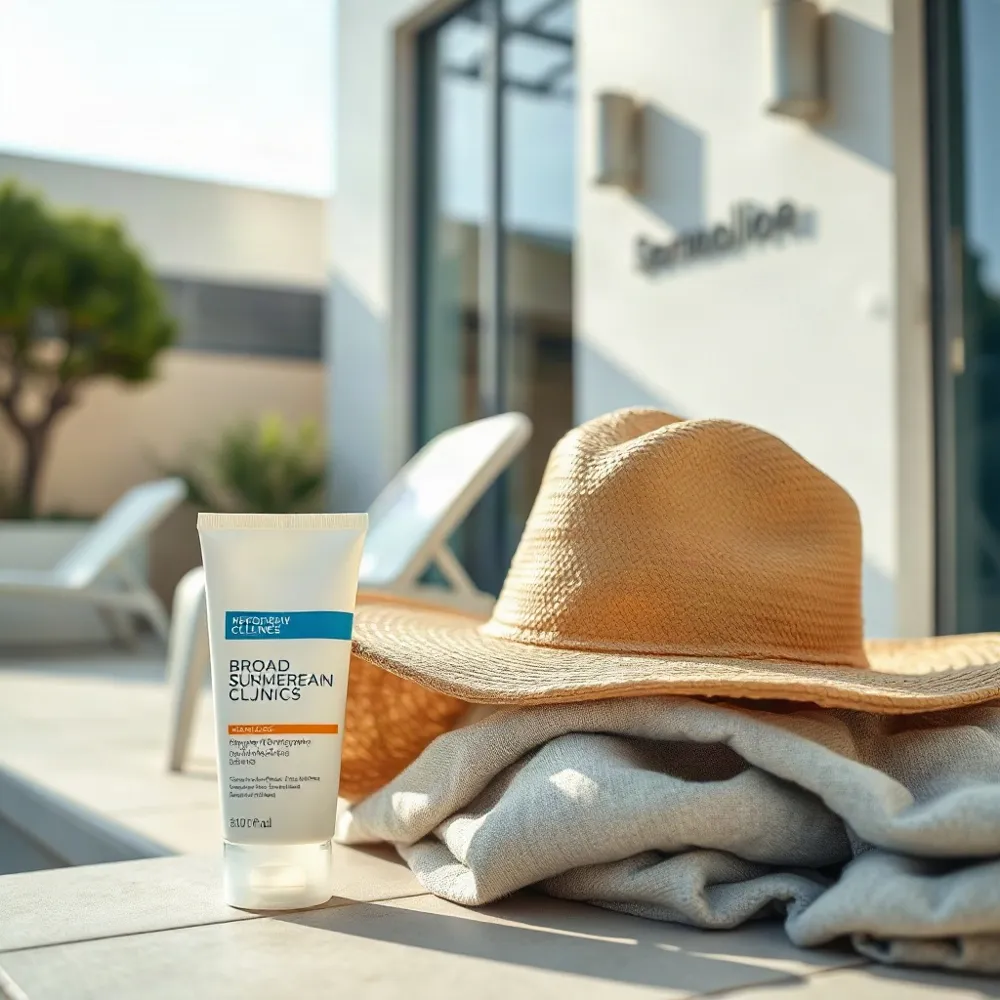
Add shade and protective clothing, including a brimmed hat that covers the face, ears, and neck. Wear sunglasses that block UVA and UVB rays, and remember that shade may not block UV rays reflected from nearby surfaces. The American Academy of Dermatology’s sunscreen guidance also recommends these measures alongside sunscreen.
Make sun protection part of your routine throughout the year, including on cloudy days. Check the UV Index to help decide when to take extra precautions. At otsdermatology.com, patients can discuss a personalized approach to skin health with dermatology providers, including how sun-protection choices fit their individual needs.
Choose Protection You Will Use
Neither mineral nor chemical sunscreen is the universally safest choice for everyone. Consider skin sensitivity, ingredient concerns, texture, and whether the formula fits your routine. The American Academy of Dermatology’s sunscreen guidance notes that sunscreen type is largely a matter of preference, while recommending broad-spectrum, water-resistant protection with SPF 30 or higher.
If choosing feels difficult or a product causes a reaction, a dermatologist can help assess your skin and discuss options. At On The Spot Dermatology, personalized care from healthcare providers can help patients address individual skin concerns. Consistent sunscreen use, protective clothing, shade, and sunglasses remain practical parts of sun protection.