Understanding the Importance of a Year-Round Skincare Routine
The Significance of Adapting Skincare Throughout the Year
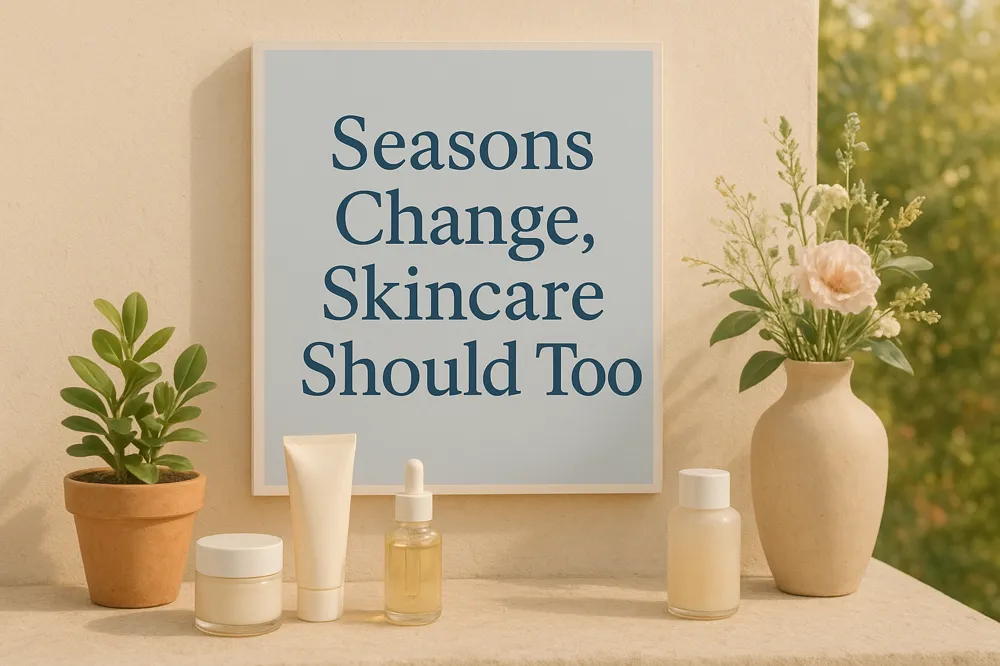
Skin changes with the seasons due to environmental factors such as temperature, humidity, and sun exposure. A routine that works in winter might not meet your skin’s needs in summer. For example, cold, dry winter air can cause irritation and flakiness requiring richer moisturizers, while summer’s heat and humidity increase oil production and risk of sun damage, calling for lightweight products and diligent sun protection.
Personalized Care Aligned with Skin Type and Seasonal Changes
Everyone’s skin is unique, making personalized skincare essential. Recognizing your skin type—whether dry, oily, combination, or sensitive—helps in choosing the right products and ingredients that support your skin’s health year-round. Seasonal shifts require adjusting your routine; using hydrating ingredients like hyaluronic acid in winter, gentle exfoliation in spring, lighter moisturizers in summer, and richer creams in fall can preserve moisture, combat irritation, and maintain balance.
Role of Dermatologists in Guiding Routine Adjustments
Consulting a dermatologist offers invaluable guidance tailored to your skin’s specific needs. Dermatologists can help identify your skin type, recommend suitable products, and advise on seasonal changes to avoid common pitfalls like over-exfoliation or inadequate sun protection. This personalized support ensures your routine is both effective and safe, helping maintain healthy, resilient skin throughout the year.
How Weather Impacts Your Skin and Skincare Needs

How does weather affect skin care needs?
Weather significantly influences your skin care routine, as seasonal changes bring varied challenges to skin health. Temperature, humidity, and environmental factors such as wind and pollution impact your skin’s oil production, hydration levels, and sensitivity.
-
Spring and Fall Transitions: These seasons often require gentle exfoliation and the introduction of Fall antioxidant serums. Fall richer moisturizers help combat dryness caused by fluctuating temperatures and prepare the skin for increased sun exposure in spring or cooler air in fall.
-
Summer Needs: Hot and humid weather increases sweat and oil production, leading to clogged pores. Broad-Spectrum Sunscreen SPF 30+ is crucial to protect against UV damage and photoaging. Lightweight Non-Comedogenic Moisturizer and antioxidants like vitamin C provide hydration and defense.
-
Winter Challenges: Cold, dry air leads to moisture loss, making the skin prone to irritation, flaking, and sensitivity. Intensive hydration with ingredients such as hydrating ingredients for winter like hyaluronic acid, glycerin, and ceramides helps restore the Skin barrier protection. Extra care for hands and feet with rich creams is recommended.
-
Environmental Pollution: Year-round exposure to pollution accelerates skin aging and increases sensitivity. Incorporating antioxidant-rich products and regular, thorough cleansing supports skin defense and helps maintain healthy skin.
Adjusting your Seasonal skin care adjustments ensures optimal skin function and protection against weather-related stressors. Consulting a dermatologist can provide personalized strategies tailored to your unique skin type and concerns, helping you navigate these environmental changes effectively.
Winter Skincare: Protecting and Nourishing Your Skin in Cold Weather

What are the effects of cold weather on skin?
Cold weather leads to significantly lower humidity levels, both outdoors and indoors due to heating. This decrease causes increased water loss from the skin, resulting in dryness, flakiness, and irritation. The constriction of blood vessels in the cold reduces oxygen supply to the skin, making skin appear pale and more sensitive. Exposure to wind and cold also causes cracked lips, chapped skin, and can worsen conditions like eczema and chilblains if skin is unprotected. Additionally, long hot showers and harsh products strip natural oils, worsening dryness and barrier damage. For more details on Cold winter skin care.
What are dermatologist recommended winter skin care tips?
To protect skin in winter, dermatologists recommend a comprehensive approach:
- Use gentle, fragrance-free and allergy-tested products that don’t strip skin oils.
- Apply rich, richer moisturizers for winter or ointments immediately after bathing to lock in hydration.
- Incorporate hydrating ingredients for winter such as hyaluronic acid and glycerin to attract and hold moisture.
- Use a humidifier indoors to maintain air moisture levels. See using humidifiers for skin health.
- Wear broad-spectrum SPF 30 sunscreen daily, as UV exposure continues in winter.
- Protect lips and hands with petroleum jelly or SPF balms.
- Avoid prolonged hot showers and harsh exfoliants or active ingredients that can increase irritation. Read about avoiding hot water and over-exfoliation.
- Stay well hydrated by drinking plenty of water.
- Consulting a dermatologist for persistent dryness or other concerns.
How can I prevent skin darkening during the winter?
Preventing skin darkening requires daily sun protection benefits even in winter, as UV rays penetrate clouds and reflect off snow. Use broad-spectrum sunscreen daily, reapplying if exposed for long periods. Maintaining skin hydration with moisturizers helps support a healthy barrier, reducing pigmentation triggers. Incorporate brightening ingredients like vitamin C or kojic acid to inhibit melanin production. Avoid prolonged exposure to cold winds and harsh conditions that irritate skin and may provoke pigmentation changes. Winter also offers a safer environment for professional treatments like chemical peels and laser therapies to address hyperpigmentation, with reduced UV exposure aiding recovery.
By following these expert-backed winter care guidelines, you can protect your skin from the harsh effects of cold weather while maintaining hydration and preventing discoloration, ensuring your skin stays healthy and nourished through the season. For further reading on seasonal skin care adjustments.
Transitioning Your Routine: Adapting Skincare for Spring and Fall
Spring Focus on Exfoliation and Routine Renewal
Spring is an ideal time to refresh your Skincare Routine Tips for Every Season after the dryness and heaviness of winter. Spring gentle exfoliation is beneficial during this season to remove dead skin cells accumulated over the colder months. Chemical exfoliants for spring such as salicylic acid or glycolic acid are excellent options for promoting cell renewal and improving skin texture. Introducing these exfoliants can reveal brighter, smoother skin and prepare your complexion for the upcoming warmer months.
Additionally, spring encourages a "Spring skincare cleaning," which involves removing expired or unnecessary products to simplify and optimize your regimen. Switching to lighter moisturizers and incorporating sunscreens with Broad-spectrum SPF 30 protects your skin as sun exposure increases.
Fall Emphasis on Richer Moisturizers and Antioxidant Use
As temperatures begin to drop in fall and outdoor humidity decreases, skin can become drier and more sensitive. It is essential to transition your products accordingly by using Richer moisturizers for fall, such as creamy formulations or those enriched with peptides and vitamin E, to strengthen the Skin barrier protection and lock in hydration.
Fall is also a great time to introduce Antioxidant serums for sun damage to reverse damage from summer sun exposure and environmental stressors. Ingredients such as vitamin C can help repair and brighten the skin, promoting a healthy glow as the seasons change.
Adjusting Products Based on Environmental Changes
Environmental factors like temperature shifts and humidity levels vary significantly between spring, fall, and other seasons. Adjusting skin care routine products ensures your skin remains balanced and healthy. In spring, lighter hydrating formulas replace heavy winter creams to prevent clogged pores, while fall necessitates switching back to more nourishing, barrier-supportive products to combat increased dryness.
Fragrance-free and allergy-tested products developed with Dermatologist-developed products input can minimize irritation during these transitions. Importance of ceramides, Hyaluronic acid hydration, and glycerin are beneficial year-round but may be emphasized differently depending on the season’s demands.
Benefits of Seasonal Skincare Routine Evaluation and Product 'Spring Cleaning'
Evaluating your skincare routine seasonally allows you to respond proactively to your skin’s changing needs, preventing common issues like dryness in fall and dullness in spring. "Spring exfoliation routine" and "Removing expired skincare products" help simplify and optimize your regimen.
Consulting a dermatologist can provide personalized advice and product recommendations tailored to your skin type and concerns across seasons. This personalized care enhances skin resilience and promotes long-term health.
How should I adapt my skin care routine when moving from a humid to a dry climate?
When transitioning from a humid to a dry climate, increasing hydration and barrier protection is crucial. Incorporate richer, hydrating products such as creams or ointments containing occlusives like petrolatum or Ceramide-containing products to lock in moisture. Use gentle, hydrating cleansers that do not strip natural oils, and introduce serums with Hyaluronic acid hydration to maintain moisture. Avoid hot water during cleansing as it can worsen dryness. Adjusting your routine in this way helps to prevent moisture loss, irritation, and flakiness commonly seen in dry environments.
Summer Skincare: Protecting Against Heat, Oiliness, and Sun Damage
Managing Increased Oil Production and Clogged Pores
During summer, higher temperatures and humidity can lead to increased oil production, which often results in clogged pores and breakouts. To manage this, it’s beneficial to use Summer gentle foaming face wash—these help remove excess oil and sweat without stripping the skin. For oily or acne-prone skin, cleansers containing salicylic acid cleansers for oily skin or glycolic acid encourage cell turnover and keep pores clear.
Incorporating Sunscreen and Reapplication Habits
Year-round sunscreen use, but especially crucial in summer when UV exposure is intense. Applying a Broad-spectrum SPF 30 every day, even on cloudy days, shields your skin from harmful rays. Reapplying sunscreen every two hours, or more frequently if swimming or sweating, ensures continuous protection. Additionally, wearing protective clothing and limiting time in peak sun hours (10 a.m. to 2 p.m.) supports skin safety.
Using Lightweight, Non-Comedogenic Products
Choosing Lightweight Non-Comedogenic Moisturizer prevents pore clogging and helps balance oiliness. These products hydrate the skin without feeling heavy or greasy. Incorporating Hydrating ingredients for winter maintains moisture levels without adding excess oil. Avoiding Fragrance-free skincare products and harsh irritants reduces the risk of sensitivity during warmer months.
Hydration Needs and Gentle Cleansing During Hot Months
Hydration remains essential in summer as sweat and sun exposure can dehydrate the skin even when oil levels are high. Moisturizing twice daily on slightly damp skin helps lock in moisture. Use a Gentle foaming cleanser to remove dirt and sweat without over-drying. Limiting Limited Exfoliation to one or two times weekly prevents irritation while promoting cell renewal. Nighttime routines featuring Retinoids skincare support skin repair but should be balanced carefully to avoid sun sensitivity.
Implementing these Summer skincare tips—tailoring your routine to skin type, prioritizing Summer sun protection tips, and maintaining balance between cleansing and hydration—helps protect your skin from seasonal challenges and keeps it healthy and radiant throughout the hotter months.
Building and Maintaining Your Personalized Daily Skincare Routine
How can I build an effective daily skin care routine at home?
Building an effective daily skincare routine begins with the fundamental steps of cleansing, moisturizing twice daily, year-round sunscreen protection, and exfoliation, tailored to your unique skin type and concerns. Use a gentle foaming cleanser twice daily to remove oil, dirt, and impurities without disturbing your skin’s natural barrier. After cleansing, you may apply a toner or facial mist if desired for added nourishment.
Incorporate targeted treatments such as vitamin C serums for brightening or hyaluronic acid for hydration to address your specific skin needs. Always follow with a moisturizer to help lock in hydration and reinforce the skin’s barrier. During the day, apply a broad-spectrum SPF 30 sunscreen to protect your skin from UV damage. Regular exfoliation 2-3 times per week supports cell renewal and smooth skin texture but avoid over-exfoliating, which can lead to irritation.
What is the best approach to starting a new skincare routine?
Start simple by focusing on cleansing, moisturizing, and year-round sunscreen use tailored to your skin type. Introduce new products one at a time, allowing your skin to adjust and performing patch tests to check for any sensitivity. Gradually increase product use, especially with active ingredients like retinol or acids, and avoid mixing multiple harsh actives simultaneously to reduce irritation risk.
Be patient and maintain consistency, as beneficial results take time. Consulting a dermatologist can help customize your routine and provide guidance on ingredient compatibility and usage schedules for safe, effective skincare.
Is there an app that provides personalized skincare routines?
Yes, technological advances have made personalized skincare easier. Apps such as Epica Beauty use artificial intelligence to analyze your skin type identification and concerns. They generate tailored AM and PM routines with product recommendations, minimizing the trial-and-error process and helping you efficiently build a routine that suits your needs.
How can I create a personalized skincare routine that works for me?
Begin with the basics: washing your face with a suitable cleanser, applying a targeted serum or treatment, followed by moisturizer and daily sunscreen. Customize by adding or removing products based on how your skin reacts over time. Monitor your skin’s response to different ingredients and adjust your routine accordingly, remembering that your needs may change with seasonal skin care adjustments.
Choosing dermatologist-developed, fragrance-free products
Opt for products developed with dermatologists that are fragrance-free and allergy-tested products. These formulations reduce the risk of irritation, allowing your skin to maintain its natural balance and function.
Utilizing consistency and dermatologist consultation
Consistency is crucial in skincare. Following your routine daily and adapting it with expert advice ensures your skin remains healthy and resilient. Regular dermatological consultations help refine your regimen based on your evolving skin health, environmental changes, and lifestyle, promoting personalized skincare care.
| Step | Description | Recommendation |
|---|---|---|
| Cleansing | Remove impurities gently twice daily | Use fragrance-free skincare products and gentle foaming cleanser |
| Targeted Treatments | Serums & actives like vitamin C, hyaluronic acid | Introduce slowly, patch testing skin products |
| Moisturizing | Hydrate and support barrier twice daily | Use richer moisturizers for winter |
| Sun Protection | Apply broad-spectrum SPF 30 daily | Reapply every 2 hours when outdoors |
| Exfoliation | Promote cell turnover 2-3 times weekly | Use chemical exfoliants for spring |
| Consultation | Personalized advice and adjustments | See a consulting a dermatologist |
Prioritize Your Skin Health All Year Long
Prioritize Your Skin Health All Year Long
Maintaining a consistent skincare routine that adapts to the changing seasons is essential for achieving healthy, radiant skin throughout the year. Your skin's needs evolve with the weather, humidity, and environmental factors, making adjustments in products and routines a must for optimal results.
Consulting with a dermatologist is highly valuable. Professionals help identify your unique skin type and concerns, offering personalized guidance to tailor your routine effectively. This ensures you select the right products — such as moisturizers rich in ceramides during winter or lightweight, oil-free formulas in summer — to protect and nourish your skin.
Seasonal routine adjustments, including exfoliation in spring and richer hydration in fall and winter, strengthen your skin’s natural barrier, prevent dryness, and reduce sensitivity. Consistent use of broad-spectrum sunscreen every day, regardless of weather, safeguards against UV damage and premature aging.
By prioritizing your skin’s health all year long and embracing expert advice, you can enjoy a glowing complexion that reflects your best self in every season.