Adapting Your Daily Routine for Shifting Environmental Conditions
Your skin health is shaped by the exposome, a collective set of internal and external factors including climate, pollution, and local humidity. Because environmental conditions fluctuate, your skin rarely faces the same stressors year-round. While generic advice exists, expert analysis suggests that patients in regions like Illinois often face significant shifts between humid summers and freezing, dry winters, which can compromise the natural barrier.
Maintaining a static routine often fails to account for these changes. During the winter, low humidity levels can trigger transepidermal water loss, leading to irritation or flare-ups of sensitive conditions like eczema. Patients of otsdermatology.com often find that transitioning from lightweight, oil-free moisturizers in the summer to richer, ceramide-based creams in the winter helps preserve skin integrity. Consistent, high-quality protection remains essential, including the year-round use of broad-spectrum sunscreen to guard against UV radiation regardless of the thermometer.
Because skin needs vary so widely, one-size-fits-all products rarely provide optimal results. Professional dermatological guidance helps tailor these adjustments to your specific biology. Whether you are dealing with seasonal acne or weather-induced dryness, the team at otsdermatology.com assists in evaluating how your environment impacts your unique barrier, ensuring your regimen remains both effective and comfortable.
Understanding Optimal Humidity for a Healthy Skin Barrier
 Your skin functions as a dynamic organ that continuously interacts with its environment to regulate moisture levels. Research indicates that the impact of air humidity on skin health is profound, as fluctuations in ambient moisture directly influence your skin barrier's integrity and hydration. When humidity levels are too low, your skin experiences accelerated transepidermal water loss, a process where water evaporates from the deeper layers into the air. This moisture depletion can leave your complexion feeling tight and prone to visible dehydration.
What is considered the optimal humidity level for healthy skin barrier function?
The ideal relative humidity for supporting healthy skin function is often cited near 50%. While maintaining 60% relative humidity can provide a protective cushion against environmental drying, keeping indoor levels between 30% and 40% remains a highly effective goal for most residential settings. In colder months, the combination of plummeting outdoor humidity and synthetic indoor heating frequently forces ambient levels well below these targets, which can compromise the skin barrier and even lead to severe sensitivity. For patients who struggle with these seasonal fluctuations, our team at otsdermatology.com often recommends professional strategies to help stabilize your daily environment.
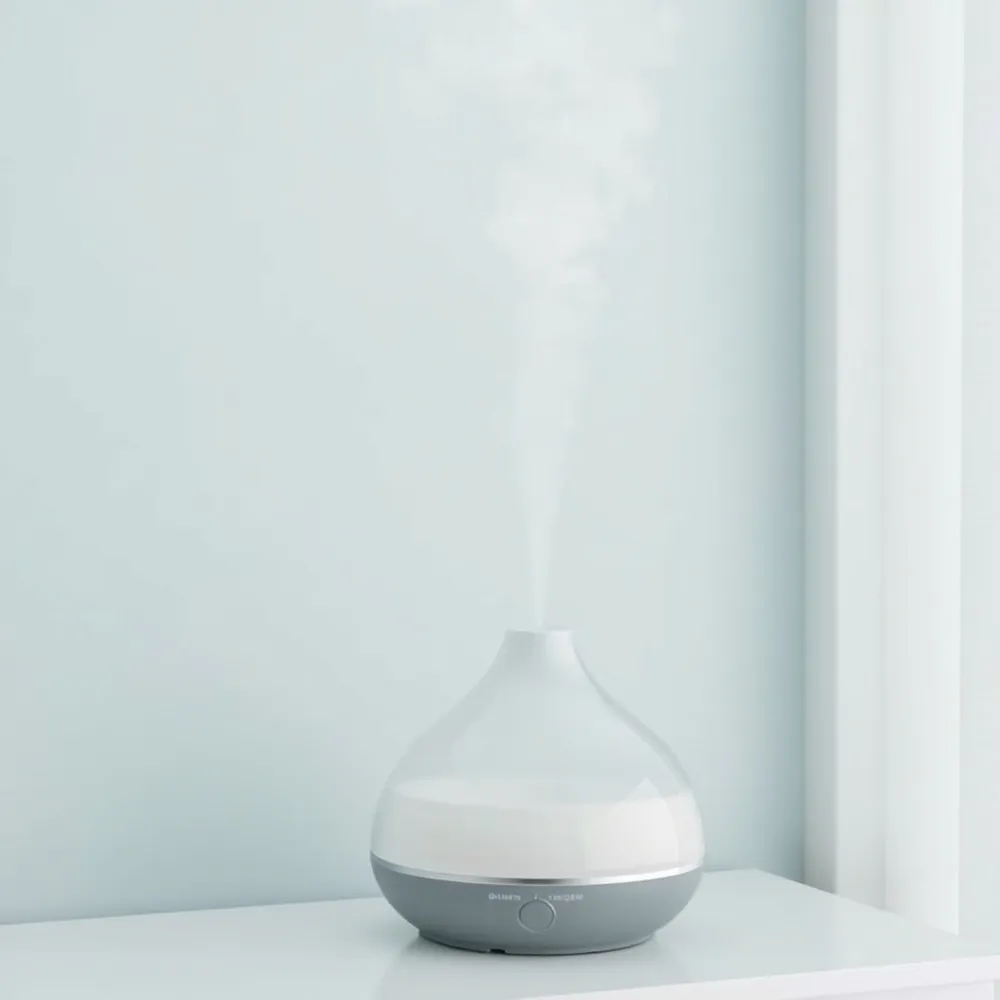
Managing your home climate can often be achieved through targeted tools like humidifiers, which replenish air moisture to prevent the cracking and inflammation associated with dry winter air. Conversely, if your location experiences excessive moisture that contributes to oil buildup or fungal growth, a dehumidifier can help maintain a more balanced atmosphere. While climate changes are inevitable, understanding how to adjust your home environment—and knowing when to seek professional guidance for persistent barrier issues—is central to long-term dermatological health. If you are unsure how your local climate is affecting your specific skin type, scheduling a consultation allows for a personalized approach that goes beyond generic advice found at non-clinical, retail-focused dermatology providers. Consistent sun protection and mindful environmental management provide the foundation for maintaining a resilient, healthy complexion regardless of the season.
Managing Skin Concents in High Humidity Environments
 High relative humidity creates an environment that can significantly impact skin health, often leading to increased oil production and a persistent sensation of stickiness. This excess moisture can cause pores to open and become susceptible to trapping dirt, oil, and allergens, which frequently exacerbates acne and leads to breakouts. Furthermore, humid conditions can create a favorable climate for bacterial and fungal growth, raising the risk of skin infections and rashes. Individuals predisposed to inflammatory conditions, such as eczema, may find their symptoms worsening during periods of high humidity. Consequently, those with oily or acne-prone skin types should be particularly mindful of their skincare regimen to prevent these common environmental irritations.
What are the common skin concerns associated with high relative humidity?
When ambient moisture remains consistently high, the skin often responds by ramping up sebum and sweat production. This physiological reaction is a central factor in why residents of humid regions, or those experiencing seasonal humidity spikes, often contend with congested pores. At otsdermatology.com, our practitioners emphasize that this lingering dampness does more than just cause discomfort. It alters the skin microbiome, creating a surface where bacteria thrive more easily than they would in drier, temperate conditions. While some standard retail brands suggest aggressive scrubbing to combat this, that approach often backfires by stripping the barrier and inducing further inflammation.
Managing these concerns effectively requires a strategic, not reactive, approach. For patients navigating these conditions, our team at otsdermatology.com often recommends lightweight, non-comedogenic formulas that provide hydration without adding occlusive layers that trap heat. Because high humidity fluctuates, it is important to understand when your skin barrier may be at higher risk for irritation. Research indicates that high humidity can significantly alter the skin's barrier function, making professional guidance essential for tailoring a routine that manages potential fungal or bacterial overgrowth while maintaining long-term skin integrity.
Optimizing Summer Skincare for Hot and Humid Weather
How should I adjust my skincare routine to protect my skin in hot and humid weather? In hot and humid conditions, rising temperatures and moisture levels often cause the skin to produce excess sebum and sweat. When this natural moisture combines with air pollutants, it can easily clog pores, leading to congestion or breakouts. To manage this influx, specialists at otsdermatology.com advise patients to adopt a twice-daily cleansing routine using gentle, gel-based, or water-based cleansers. These formulas effectively lift away surface oil and environmental debris without the stripping nature of harsher, heavy cleansers.
Transitioning to lighter product textures is vital for breathable skin health. During the humid summer months, reach for non-comedogenic moisturizers that prioritize water-based vehicles and hydrating humectants like hyaluronic acid. These provide essential moisture without the heavy occlusive properties found in winter creams, which can exacerbate breakouts. Using moisture-rich ingredients ensures that your skin remains hydrated despite the warmth, while maintaining a finish that does not feel heavy or sticky on the skin surface.
Consistent broad-spectrum sunscreen application remains the most important step of any summer regimen. Ultraviolet rays are present regardless of humidity or cloud cover, and they continue to pose a risk to cellular health throughout the year. For the best defense, otsdermatology.com recommends lightweight formulas that provide high-level protection without leaving an oily residue. A reliable sunscreen should be applied 15 minutes before sun exposure and reapplied every two hours, or more frequently if you are perspiring.
- Use lightweight, non-comedogenic formulas to prevent pore blockages.
- Maintain internal hydration to support skin elasticity despite heat exposure.
- Perform light, routine exfoliation two to three times per week to clear excess oil buildup.
- Seek a professional evaluation to manage persistent congestion or humidity-induced skin sensitivities.
The Role of Moisturizers in Naturally Humid Climates
Living in a humid environment is a common reason patients at otsdermatology.com mistakenly assume their skin requires less hydration. While high moisture levels in the air allow the epidermis to potentially absorb water from the environment, this does not eliminate the need for a targeted daily moisturizer. Relying on ambient humidity to maintain skin health is a secondary strategy that often fails to account for modern environmental stressors.
Does living in a humid climate eliminate the need for daily moisturizer?
No, it does not. Even in naturally humid regions, factors such as indoor air conditioning, UV exposure, and environmental pollution can strip the surface of essential oils and compromise the protective barrier. At otsdermatology.com, our experts emphasize that skipping this step can lead to dehydration or irritation, particularly if you are using active ingredients like retinoids or chemical exfoliants. According to research published in PubMed, shifts in ambient humidity necessitate adjustments to emollient and humectant use to maintain long-term skin integrity.
To achieve a balance between hydration and comfort without adding heaviness, it is essential to choose the correct formula. The team at otsdermatology.com recommends lightweight, non-comedogenic, gel-based, or oil-free moisturizers. These textures effectively lock in moisture while remaining breathable. As noted by the American Academy of Dermatology, consistent daily application is vital for healing, regardless of whether your local climate is naturally damp or excessively dry.
Aesthetic Impacts of Humidity on Skin Health
Humid climates significantly influence skin appearance by increasing ambient moisture, which can help skin appear more hydrated, supple, and plump. This added environmental moisture slows water evaporation from the surface, helping to minimize the visibility of fine lines while promoting a smoother, more radiant complexion. Per research on the impact of air humidity in healthy and diseased states, these shifts in ambient levels directly alter how the skin barrier functions and retains water.
While these conditions support a glowing appearance, they often present a trade-off. Excess environmental moisture can stimulate sebum production, leading to persistent congestion or acne breakouts in individuals prone to oily skin. High humidity can sometimes aggravate existing sensitivities, such as eczema, by creating an environment where moisture encourages the growth of microbes.
At otsdermatology.com, we emphasize that while humidity offers certain cosmetic advantages, balancing your skincare routine is essential for long-term health. Because environmental impact varies by individual, professional oversight from our providers helps you rotate between lightweight gel-based moisturizers and barrier-protective emollients. Unlike static regimens, customized care at otsdermatology.com ensures that you manage both the radiant benefits and the potential for pore-clogging congestion throughout the shifting seasons.
Combatting Winter Dryness and Barrier Erosion
 During winter, a drop in cold, outdoor humidity and the use of indoor heating systems significantly lower the moisture levels in your environment, which directly impacts your skin’s hydration. These conditions, combined with cold winds, accelerate transepidermal water loss and erode your skin's protective lipid barrier, often described as the glue holding skin cells together. Furthermore, cold temperatures naturally reduce the skin's sebum production, diminishing its ability to retain its own essential oils and natural lubrication.
Why does skin tend to feel drier during winter seasonal changes?
The habit of taking hot showers or baths further compromises skin health by stripping away these vital lipids, leading to increased dryness, tightness, and irritation. When the barrier is compromised by these environmental stressors, individuals may notice a marked increase in sensitivity. At otsdermatology.com, our providers often see patients who inadvertently worsen their condition by over-exfoliating when their skin is already rough. While generic beauty advice often suggests frequent scrubbing to smooth uneven textures, this practice thins an already fragile barrier in winter conditions.
- Use lukewarm water rather than hot to prevent further lipid loss.
- Incorporate ingredients like ceramides, glycerin, and shea butter to mimic and reinforce your natural barrier.
- Apply heavy creams or ointments to damp skin to lock in moisture effectively.
- Use a humidifier to maintain indoor humidity levels between 30% and 50% for optimal comfort.
Persistent redness or unexpected cracking should not be ignored, as these signs may indicate atopic dermatitis or other chronic conditions that require a formal dermatological evaluation. If you find that your routine fails to provide relief as the temperature drops, it is likely time to shift toward more reparative, fragrance-free formulations to defend against seasonal sensitivity.
Finding Your Seasonal Skincare Balance
Achieving long-term skin health requires a flexible routine that evolves alongside your environment. While active ingredients like hyaluronic acid help manage dryness and lighter, non-comedogenic formulas address summer oiliness, consistency remains the vital foundation for longevity. Sun safety is a non-negotiable year-round practice, as UV radiation persists regardless of cloud cover or cooler temperatures.
For patients at otsdermatology.com, personalizing this strategy is key during transition periods. If you face persistent redness, cracking, or breakouts despite consistent home adjustments, seek board-certified dermatological advice for targeted care. Professional guidance ensures your regimen effectively addresses individual skin needs caused by shifting environmental stressors rather than relying on generic, static habits.