
Protection Starts With Daily Choices
Skin cancer prevention begins with everyday choices, not just precautions for beach days or summer vacations. Ultraviolet (UV) exposure can occur during ordinary activities and on cloudy or cool days, so a year-round routine helps limit repeated exposure.
No single measure offers complete protection, and prevention cannot eliminate skin cancer risk. The American Academy of Dermatology’s sun-protection guidance recommends combining shade, sun-protective clothing, and broad-spectrum sunscreen. A dermatologist can also help tailor skin-health advice to your needs; On The Spot Dermatology provides personalized medical care in Glenview.
Build a Layered Sun Protection Routine
 Skin cancer is not always preventable, but reducing exposure to ultraviolet (UV) radiation can lower risk. No routine eliminates it, so sun protection works best alongside attention to skin changes and appropriate dermatology care.
Build protection around shade and coverage, not sunscreen alone. When practical, plan outdoor activities outside peak sun hours, generally 10 a.m. to 4 p.m., and seek shade under a tree, umbrella, or shelter. The daily UV Index can help guide decisions: take precautions when it reaches 3 or higher.
Wear tightly woven or UPF-rated clothing, a wide-brimmed hat, and sunglasses that block UVA and UVB rays. These measures reduce exposed skin, though shade and clothing may not block every ray. UV can still reach skin on cloudy days and reflect off water, sand, and snow, so protection matters throughout the year.
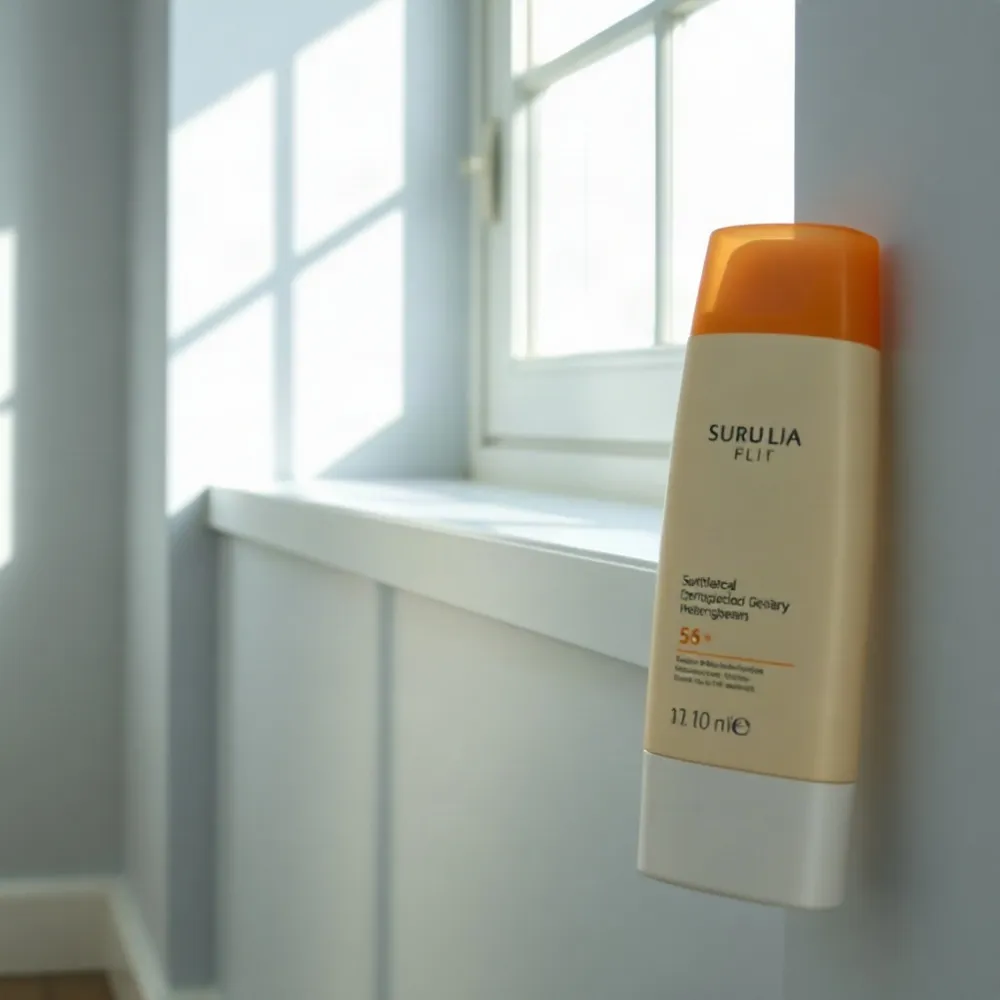
Apply broad-spectrum sunscreen with SPF 30 or higher to exposed skin, using enough to cover it evenly. Reapply every two hours while outdoors and after swimming or sweating. The American Academy of Dermatology’s sun-protection guidance recommends combining sunscreen with shade and protective clothing rather than relying on sunscreen by itself.
A dermatologist can help tailor prevention advice to your skin and activities. At On The Spot Dermatology, care is personalized by skilled healthcare providers, with a focus on both skin health and aesthetics.
Understand Cumulative UV Damage
 Ultraviolet (UV) rays can damage skin cells, and the effects can accumulate through repeated exposure. Time outdoors on an ordinary day counts, and UV can reach skin through clouds and some window glass. A tan is also evidence of UV injury, even if your skin does not burn easily. Learn more about how UV damage builds over time.
One sunny day is unlikely to make a skin cancer appear immediately, but intense exposure, especially sunburn, can add to lifetime risk. Skin cancer may develop over years or decades, and there is no fixed timeline. People of every skin tone can develop it, so protection and attention to skin changes matter for everyone. The American Academy of Dermatology’s skin cancer guidance explains that UV exposure is a major cause and that suspicious changes warrant evaluation.
Seek shade, wear protective clothing and sunglasses, and apply broad-spectrum sunscreen. Have a dermatologist assess any spot that is changing, unusual, bleeding, or not healing rather than assuming it is harmless because it has been present for a while. At On The Spot Dermatology in Glenview, personalized care from skilled providers can help patients discuss skin concerns and appropriate next steps.
Avoid Tanning and Recover From Sunburn
 Sunbathing and indoor tanning expose skin to ultraviolet (UV) radiation, which can damage skin cells. A tan is evidence of skin injury, not protection, and tanning beds are not a safer alternative to sunlight. UV damage can happen even without a visible burn. The American Academy of Dermatology’s tanning guidance advises avoiding tanning beds. For a tanned appearance, a sunless tanning product is an option, but it does not replace sunscreen or other protection.
A severe sunburn can leave lasting damage, but one burn does not mean skin cancer is inevitable. While healing, avoid further sun exposure when possible, seek shade, and cover skin with tightly woven or UPF-rated clothing and a wide-brimmed hat. Apply broad-spectrum SPF 30 or higher sunscreen to exposed areas, and reapply every two hours outdoors and after swimming or sweating. Let peeling skin shed naturally. Extensive blistering, fever, or signs of dehydration warrant medical care.
After recovery, make sun protection a regular habit. People with repeated or blistering burns, many or changing moles, or a personal or family history of skin cancer can ask a dermatologist whether they need regular skin checks. At On The Spot Dermatology in Glenview, skilled providers offer personalized care, so questions about skin changes and individual risk can be discussed in a medical setting. For more on avoiding UV tanning, see these sun protection tips.
Make Skin Checks Part of Prevention
A regular look at your skin can help you notice changes, but it cannot diagnose skin cancer or replace an examination by a dermatologist. The American Academy of Dermatology (AAD) advises checking your skin regularly and contacting a dermatologist about a new, changing, unusual, itchy, or bleeding spot. There is no single routine schedule for professional screening that suits everyone; a dermatologist can recommend an approach based on your history and risk factors. AAD guidance on skin cancer symptoms and diagnosis.
Check your entire body in good light, including your scalp, back, soles, the spaces between your toes, and beneath your nails. Use a hand mirror for areas that are difficult to see, or ask someone you trust to help. A new spot that looks different from your other marks, or a sore that does not heal, deserves attention.
The “two-week rule” is a practical prompt to seek evaluation for a spot that has not healed after about two weeks, not a formal diagnostic test. Do not wait if a spot is growing quickly, bleeding, crusting, ulcerating, or changing. A dermatologist can examine it and decide whether it needs monitoring, treatment, or a biopsy.
Melanoma may appear as a new or changing mole or freckle. The ABCDE guide highlights asymmetry, an uneven border, varied color, diameter often larger than a pencil eraser, and evolution in size, shape, color, or height. A spot may also itch or scab, or simply look unlike your other spots. Melanoma can be smaller than a pencil eraser, so size alone does not rule it out. The American Academy of Dermatology’s warning signs can help you know what changes to discuss.
Some skin cancers, including basal cell carcinomas, can grow slowly and remain unnoticed for years, especially on the scalp, back, or beneath a nail. On The Spot Dermatology provides medical dermatology care in Glenview, where a clinician can assess a concerning change and advise on follow-up. Early evaluation may help identify skin cancer when it is more treatable.
Know What a Dermatology Exam Involves
A professional skin exam is a visual, head-to-toe check by a dermatologist. It is generally quick and painless, and it can assess areas that are difficult to see during a self-check.
You will usually change into a gown. The dermatologist may examine your scalp, back, ears, hands, feet, and skin beneath your clothing. You can ask questions or discuss concerns about the examination and coverage beforehand. To help the visit go smoothly, note any new or changing spots and remove makeup and nail polish.
A dermatologist may use a handheld magnifying tool to inspect a spot more closely. If an area looks concerning, they may recommend a biopsy, which involves numbing the skin and taking a small sample for laboratory testing. A changing or persistent sore, pearly bump, or spot that bleeds should be assessed rather than left until a routine appointment. Basal cell carcinoma often grows slowly, but it can damage nearby tissue as it enlarges, so earlier evaluation may help avoid more extensive treatment. See the American Academy of Dermatology's guidance on skin cancer symptoms and diagnosis for more information.
At On The Spot Dermatology, patients can discuss their skin concerns with dermatology providers in a personalized care setting in Glenview, Illinois.
Use Nutrition Wisely and Seek Individual Guidance
A balanced diet with fruits, vegetables, whole grains, and beans supports general health, but the available evidence does not establish food or supplements as reliable ways to prevent skin cancer. Do not rely on antioxidant or vitamin supplements for protection, and ask a healthcare provider before starting them, especially if you have a deficiency or a history of skin cancer. For broader guidance on diet and skin wellness, see nutrition and hydration.
Sun protection and regular skin checks remain important; the American Academy of Dermatology’s prevention guidance recommends protective habits such as shade, clothing, and sunscreen. On The Spot Dermatology offers personalized dermatology care in Glenview, where patients can discuss concerns and individual skin-health needs with a provider.
A beach visit after skin cancer treatment may be possible, but timing depends on the procedure and healing. Follow your treating clinician’s instructions, and keep an open or healing area covered and out of the sun. Sunscreen may not be suitable for an unhealed site. Once healed, protect the area and the rest of your skin with shade, protective clothing, and broad-spectrum, water-resistant SPF 30 or higher sunscreen. Reapply every two hours and after swimming or toweling off. Continue recommended skin checks and ask your dermatologist about precautions specific to your treatment.
Keep Prevention Personal and Consistent
Sun protection works best as a year-round routine: combine shade, protective clothing, and sunscreen, and stay alert to new or changing spots. These habits matter for every skin tone, though they cannot remove all risk, as the American Academy of Dermatology explains.
A dermatologist can help assess concerning spots, personal risk factors, and the right follow-up after treatment. At On The Spot Dermatology in Glenview, care is personalized to each patient’s skin health needs.