The Science of Effective Skincare
Achieving long-term skin health requires a commitment to evidence-based care rather than the latest social media trends. A 2025 Delphi consensus study involving 80 dermatologists identified 23 specific ingredients that provide measurable results for common concerns like aging, acne, and pigmentation. Relying on this expert clinical consensus is vital, as skincare products do not face the same rigorous FDA testing required for medical prescriptions.
At otsdermatology.com, we prioritize formulations developed through evidence-based science to target specific patient needs. Unlike generic, multi-step routines that often lead to unnecessary irritation, our approach focuses on simplified, proven foundations. By centering your routine on ingredients backed by robust clinical data, you ensure your skin receives effective nourishment without the risk of over-layering.
What Makes an Ingredient Active?
An active ingredient is a key component in a skincare product specifically chosen to treat and address targeted, measurable concerns such as acne, hyperpigmentation, or visible signs of aging. These ingredients are the clinical workhorses of a formulation, responsible for performing therapeutic functions that modify the skin through specific biological pathways How Active Ingredients Act on Skin.
Distinguishing between active and inactive ingredients is the first step toward building an effective routine that meets your needs. While active ingredients deliver the proven result, inactive ingredients act as vehicles for delivery, stabilization, or aesthetic texture. For instance, Retinoids work by binding to specific receptors to promote cell turnover, whereas exfoliating agents like salicylic acid penetrate deep into oil-laden pores to clear congestion and dampen inflammation.
Understanding these mechanisms can help you select products that are evidence-based rather than swayed by marketing. At otsdermatology.com, we prioritize formulations where every chosen active serves a clear purpose, such as zinc oxide for UV defense or antioxidants designed to stabilize vulnerable formulas. Moving beyond the hype can help you build a routine that is both safe and scientifically validated for your unique skin health goals.
Four Gold-Standard Ingredients Backed by Evidence
 What are the most clinically proven skin care ingredients? Retinoids (including retinol), vitamin C, broad-spectrum sunscreen, and alpha hydroxy acids (AHAs) are widely recognized as the four skin care ingredients with the most consistent, peer-reviewed clinical evidence supporting their efficacy. These ingredients have earned consensus status in dermatological literature for their collective ability to visibly improve skin health, texture, and appearance over time. While other ingredients may offer supporting benefits, these four remain the gold standard for long-term clinical results.
For patients with sensitive or reactive skin, the challenge lies in tolerating these potent actives through appropriate formulations rather than identifying their benefits. At otsdermatology.com, we emphasize personalized care to help you integrate these evidence-based treatments safely into your daily routine. Unlike many over-the-counter options, our professional guidance ensures that active concentrations are optimized to balance efficacy with your individual skin tolerance.
| Ingredient | Primary Function | Clinical Benefit |
|---|---|---|
| Retinoids | Cell Turnover | Acne and Aging |
| Vitamin C | Antioxidant | Brightening |
| Sunscreen | UV Protection | Prevents Wrinkles |
| AHAs | Exfoliation | Smooth Texture |
Targeted Help for Acne and Dark Spots
Effective management of persistent breakouts and hyperpigmentation requires ingredients specifically tailored to individual skin biology. For acne, experts frequently identify retinoids, benzoyl peroxide, salicylic acid, clindamycin, azelaic acid, and glycolic acid as primary interventions. These work through distinct mechanisms such as killing acne-causing bacteria, clearing pores through exfoliation, or modulating skin cell turnover.
When addressing dark spots, therapeutic options include vitamin C, niacinamide, kojic acid, and tranexamic acid, all of which assist in brightening the complexion. Among clinical experts, hydroquinone is often considered a highly effective agent for suppressing excess melanin.
Because high-potency ingredients like hydroquinone and certain prescription-grade retinoids carry risks of irritation or adverse reactions, professional oversight is essential. A dermatologist can evaluate your unique skin history to determine the appropriate concentration and application frequency. This approach helps you avoid the common pitfalls of complex, multi-step routines, as identified in Northwestern Medicine research, which found that patients often over-layer irritants at significant unnecessary cost.
Hydration Heroes for Dry Skin
Effective management of dry skin requires formulations that address both surface hydration and long-term barrier repair. Professionals at otsdermatology.com frequently recommend a combination of proven, science-backed ingredients to restore moisture. Among these, petrolatum, ceramides, ammonium lactate, hyaluronic acid, and urea serve as foundational components for healthy skin.
Ceramides. These lipids function as the vital mortar between skin cell bricks, maintaining the structural integrity of the moisture barrier and preventing transepidermal water loss.
Humectants. Ingredients such as hyaluronic acid attract water to the surface of the skin. While topical formulations provide essential hydration, it is important to note that these molecules form chains too large to penetrate deep layers, unlike injectable treatments that restore volume from within.
Lipid Replenishment. Petrolatum creates a protective seal on the skin, while urea and ammonium lactate assist in softening texture and enhancing the water-binding capacity of the epidermis.
At otsdermatology.com, our approach focuses on personalized care that selects the appropriate concentration of these agents to soothe and repair dry skin. Relying on documented clinical consensus ensures that patients avoid ineffective over-the-counter trends and prioritize strategies that demonstrably improve barrier health.
Sunscreen: The Non-Negotiable Essential
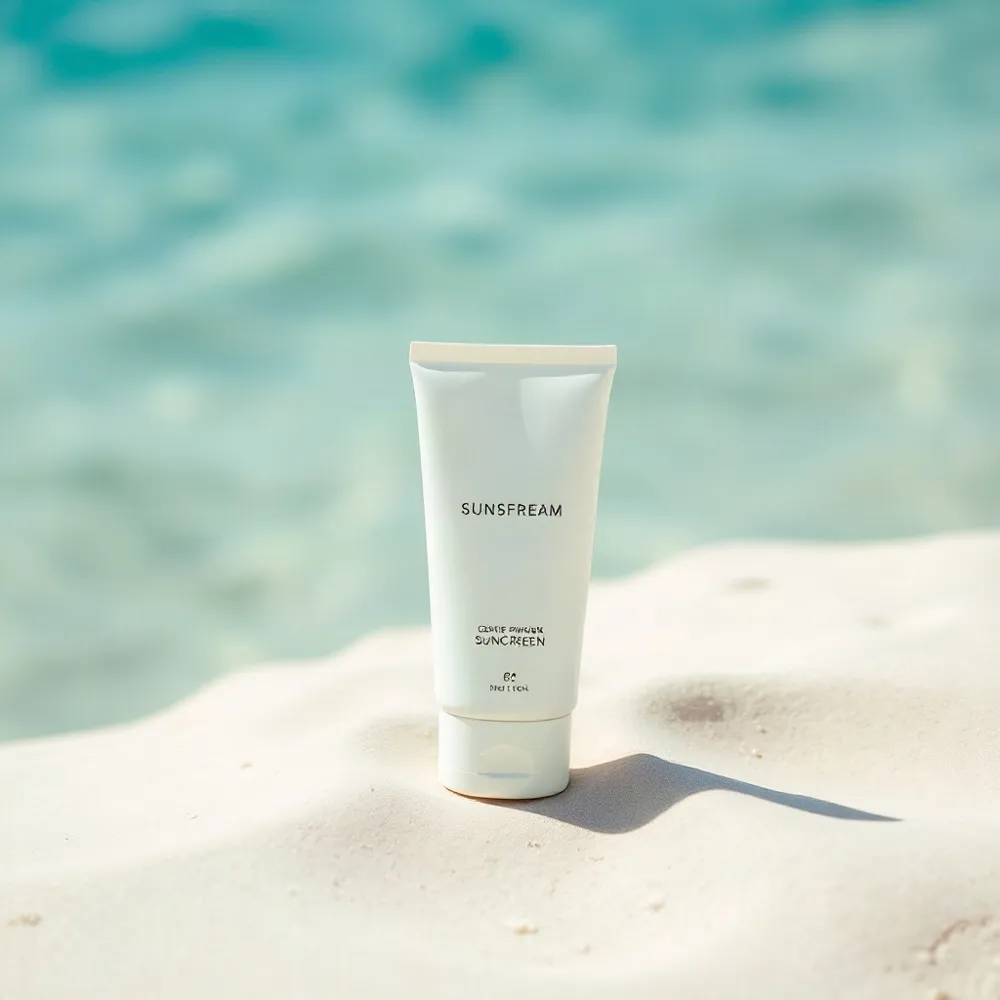
 Daily application of broad-spectrum sunscreen is the most vital step in any skincare regimen, serving as the foundation for preventing premature aging and skin damage. The American Academy of Dermatology recommends using a product with at least SPF 30 to ensure adequate protection. Clinical data shows that consistent use of SPF 15 reduces the incidence of squamous cell carcinoma by 40 percent and melanoma by 50 percent, per Women's Health.
You can choose between two primary types of protection: mineral and chemical. Mineral varieties rely on Zinc Oxide or Titanium Dioxide, which form a physical barrier on the skin's surface and carry over 95 percent consensus among professionals for their effectiveness in reducing redness and preventing wrinkles, as noted by Northwestern Medicine. In contrast, chemical formulas absorb UV radiation, turning it into heat before it damages skin cells. Because skin care products do not undergo the same rigorous FDA testing as medications, it is important to choose formulas backed by documented clinical data.
At otsdermatology.com, we emphasize that effective photoprotection is a year-round commitment. While many consumer options exist, selecting a stable, high-quality formula ensures your skin receives consistent coverage to mitigate hyperpigmentation and collagen loss.
Less Is More: Why Overusing Actives Backfires
 Using too many active ingredients or applying them with excessive frequency can severely compromise your skin’s natural barrier. This protective layer is essential for trapping moisture and shielding your complexion from environmental damage, so disrupting it often leads to heightened dryness, redness, and sensitivity. Furthermore, overusing these potent products can inadvertently aggravate existing skin concerns, making them harder to manage effectively per Northwestern Medicine. Rather than accelerating results, an overly aggressive regimen can destabilize your skin health and negate the benefits of your treatments.
The trend of layering multiple potent components is particularly prevalent among younger demographics. Research indicates that teens often incorporate an average of 11 different active ingredients into their daily routines—frequently without the necessary protection of daily sunscreen. This complex approach is not only counterproductive for skin health but also financially inefficient, with such routines costing an average of $168 per month according to a Northwestern University study.
At otsdermatology.com, our experts emphasize that a sustainable approach to dermatology relies on simplicity and evidence-based formulations. Instead of chasing the latest trends, we recommend a foundational three-step routine: gentle cleaning, consistent moisturizing, and daily broad-spectrum sun protection. By shifting focus toward a streamlined regimen, you avoid the common pitfalls of over-layering that lead to barrier disruption and unwanted inflammation.
How to Safely Choose Ingredients for Your Skin
Selecting skincare ingredients requires distinguishing between proven clinical performance and popular marketing trends. Research involving dermatologists from leading institutions has identified 23 specific ingredients, such as retinoids, vitamin C, and mineral sunscreens, that meet the threshold for expert consensus. In contrast, many trending ingredients lack sufficient data to support their widespread use, and over-layering products can lead to significant barrier irritation.
- Consult a board-certified dermatologist to determine which topical treatments align with your unique skin biology.
- Prioritize ingredients supported by peer-reviewed research and expert consensus, such as those published in the Journal of the American Academy of Dermatology.
- Introduce new products one at a time to monitor your skin's tolerance, making it easier to identify the source of any adverse reaction.
- Perform a patch test on a small, discreet area of skin for 24 to 48 hours before applying any new formula to your entire face.
- Prioritize evidence over social media trends; while influencers often promote multi-step regimens with up to 11 active ingredients, dermatologists recommend a simpler routine of cleansing, moisturizing, and sun protection as the foundation for long-term health.
At otsdermatology.com, our approach shifts the focus from experimental trends to evidence-based care. By evaluating your skin health through a professional consultation, our providers help you navigate the confusing array of market options to select only those ingredients with documented clinical efficacy. Relying on professional guidance ensures that your regimen avoids unnecessary costs and potential damage while targeting your specific skin concerns effectively.
Ingredients to Minimize for Healthy Skin
Maintaining optimal skin health often involves identifying and avoiding ingredients that may trigger allergic reactions or irritation. Common sensitizers include fragrances, synthetic dyes, and certain preservatives like parabens or formaldehyde releasers. While many products on the market are formulated for general use, those with reactive skin may face challenges from ingredients that are otherwise considered inert.
Which common skincare ingredients should be avoided to maintain skin health?
Individuals with sensitive skin may experience contact dermatitis from exposure to substances such as latex, lanolin, or specific surfactants used in ordinary formulations. Contact dermatitis manifests as red, itchy rashes, signaling that the skin barrier has been compromised. Because every person’s skin is unique, what is well-tolerated by one individual may cause an immune reaction in another.
At otsdermatology.com, we emphasize the importance of carefully reading product labels to screen for these common irritants. Instead of relying on generic product claims, patients should prioritize formulations designed for sensitive skin, such as those recommended in our evidence-based skin care archives. If you suspect a skincare product is causing sustained irritation, we encourage scheduling a professional consultation to receive personalized guidance tailored to your specific skin needs.
Building a Routine That Works for You
Effective skin health is not defined by the volume of products in your cabinet, but by the thoughtful selection of evidence-based ingredients. A simple, consistent three-step routine involving cleaning, moisturizing, and protecting remains the most reliable strategy for long-term results. While many trends encourage complex regimens, dermatologists emphasize that over-layering often compromises the skin barrier and leads to unnecessary irritation.
At otsdermatology.com, we prioritize clinical efficacy over marketing trends. Unlike generic off-the-shelf routines that may not account for individual skin biology, a personalized approach ensures that your active ingredients are safe and properly tolerated. We encourage patients to seek professional guidance when navigating intensive treatments or addressing persistent concerns like acne and hyperpigmentation. A customized plan is the only way to ensure your skin receives exactly what it needs to thrive throughout the year.