Why Sunscreen is Essential for Sensitive Skin
Finding the right sunscreen can be a frustrating experience when your skin reacts to nearly every product you try. Stinging, redness, breakouts, and itching are common responses for those with sensitive skin, turning what should be a simple daily habit into a guessing game. Yet the need for sun protection is undeniable: one in five Americans will develop skin cancer in their lifetime, and UV exposure accelerates visible signs of aging like fine lines, dark spots, and uneven texture.
This article walks through the process of selecting and using sunscreen specifically for sensitive skin. It covers the differences between mineral and chemical formulas, the ingredients to look for and avoid, how to choose the right SPF level for both face and body, proper application techniques, and recommendations from dermatologists for reactive, rosacea-prone, eczema-prone, and acne-prone skin. The goal is to help you find a sunscreen you can wear comfortably every day.
For those in the Glenview, Illinois area, On The Spot Dermatology provides personalized care that includes guidance on sun protection tailored to your specific skin type and concerns.
Understanding Sunscreen Basics for Sensitive Skin
 SPF (Sun Protection Factor) measures how well a sunscreen protects against UVB rays, the type that cause sunburn and contribute to skin cancer. For example, SPF 15 filters about 93% of UVB rays, SPF 30 blocks 97%, and SPF 50 blocks 98%. No sunscreen blocks 100% of UVB rays, so reapplication remains essential. The American Academy of Dermatology recommends choosing SPF 30 or higher because most people apply less than the recommended amount, ensuring you still receive adequate protection even with under-application.
Broad-spectrum protection is equally important. While SPF measures UVB defense, broad-spectrum sunscreens shield against both UVA rays (which penetrate deeper, causing premature aging and wrinkles) and UVB rays. The Skin Cancer Foundation stresses that both types of UV radiation damage skin and can lead to skin cancer, so a broad-spectrum label is non-negotiable for comprehensive daily protection.
Mineral vs. Chemical Sunscreens
For sensitive skin, mineral (physical) sunscreens containing zinc oxide or titanium dioxide are the safest choice. These ingredients sit on the skin's surface, reflecting and scattering UV rays rather than being absorbed. The AAD specifically recommends mineral sunscreens for people with sensitive skin because they are less likely to cause irritation. Chemical sunscreens, which absorb UV rays and convert them to heat, can trigger reactions in reactive skin due to ingredients like oxybenzone or avobenzone.
Many dermatologists, including the providers at On The Spot Dermatology, guide patients toward mineral formulas that are fragrance-free, non-comedogenic, and labeled for sensitive skin. For daily wear, SPF 30 provides strong baseline protection, while SPF 50 or higher is recommended for extended outdoor activity. The best sunscreen for sensitive skin is one you will use consistently — and mineral options now include tinted or micronized versions that minimize the white cast once associated with them.
Mineral vs Chemical: Which is Gentler?
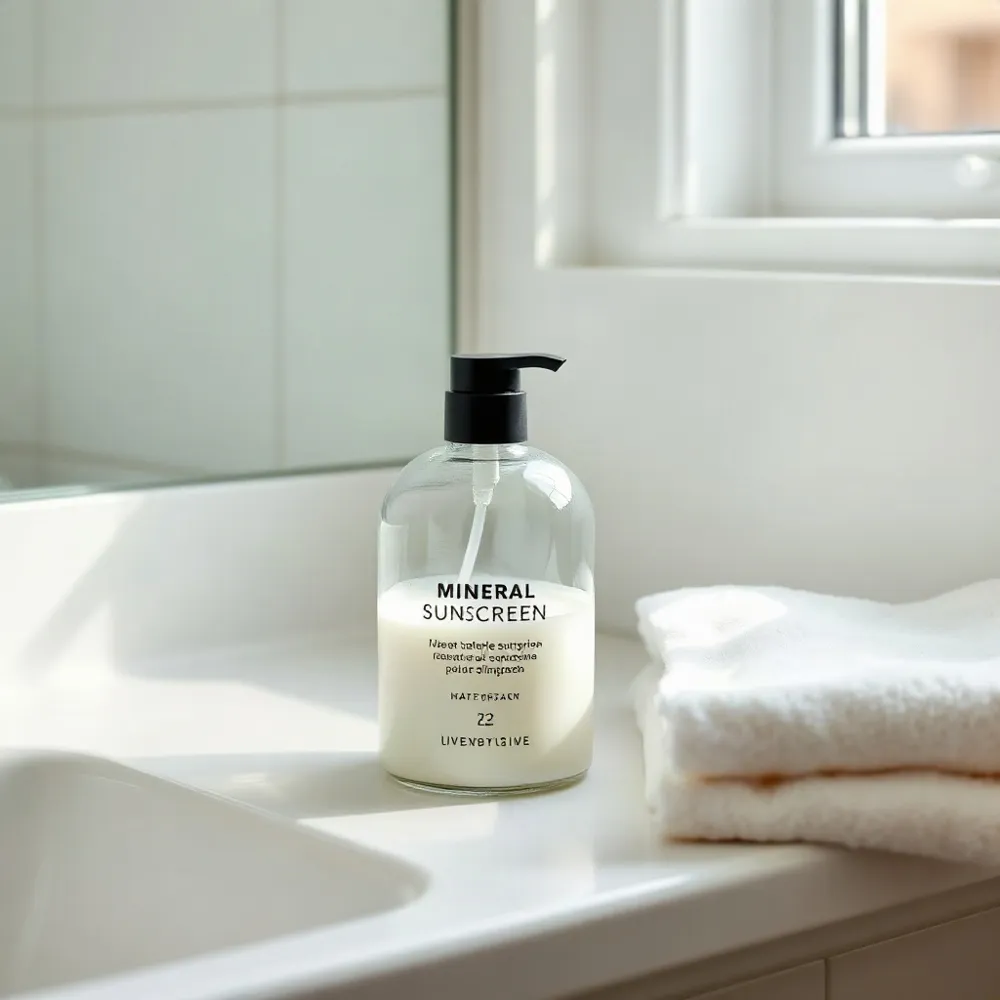 When your skin reacts to nearly every product you try, the choice between mineral and chemical sunscreen can make the difference between protection and irritation. The American Academy of Dermatology recommends mineral sunscreens for sensitive skin because they are less likely to cause reactions. These formulas use zinc oxide or titanium dioxide, which sit on the skin's surface and physically block UV rays rather than being absorbed.
Chemical sunscreens, on the other hand, contain active ingredients like oxybenzone, octinoxate, and avobenzone that absorb UV radiation and convert it into heat. While they generally feel lighter and blend more easily, some individuals with sensitive skin find that certain chemical filters cause stinging, redness, or breakouts. The FDA currently classifies only zinc oxide and titanium dioxide as Generally Recognized as Safe and Effective (GRASE), while it continues to request more safety data on several chemical filters.
Why Mineral Sunscreens Win for Sensitive Skin
Because mineral sunscreens reflect and scatter UV radiation on the skin's surface without being absorbed, they dramatically lower the risk of irritation. The AAD Sunscreen FAQs note that physical blockers are especially suitable for those with sensitive skin, rosacea, or eczema. Ingredients like zinc oxide also provide broad-spectrum protection and are photostable, meaning they don't degrade quickly in sunlight.
Zinc oxide. Offers broad-spectrum UVA/UVB protection and is widely considered the gentlest filter. It also has anti-inflammatory properties that can calm reactive skin.
Titanium dioxide. Provides strong UVB protection and is generally well tolerated, though it can leave a slight white cast on deeper skin tones.
At otsdermatology.com, we frequently recommend mineral-based formulas for patients with reactive skin. The key is finding a formulation that feels lightweight enough for daily wear while still offering robust protection.
Potential Irritants in Chemical Sunscreens
Oxybenzone is a common chemical filter that has been associated with allergic contact dermatitis and, in some studies, endocrine activity. Many dermatologists advise patients with sensitive skin to avoid oxybenzone entirely. Other chemical filters like octocrylene can also cause stinging, especially around the eyes. Even
combination sunscreens
that blend mineral and chemical filters may still trigger reactions because the chemical component is present. Always check the full ingredient list: a product labeled "mineral" could still contain hidden chemical filters if unregulated ingredients like butyloctyl salicylate are added to boost SPF, a practice known as sunscreen doping.
What About Combination Sunscreens?
Hybrid formulas that mix zinc oxide with a small amount of chemical filter can improve texture and reduce white cast, making them more cosmetically elegant. However, for very sensitive skin, a 100% mineral formula remains the safest choice. The The Skin Cancer Foundation advises looking for a physical filter as the primary active ingredient to minimize reactions.
When in doubt, patch-test any new sunscreen on a small area of your inner arm for a few days before applying it to your face. This simple step can help you avoid a full-face reaction.
| Feature | Mineral Sunscreen | Chemical Sunscreen |
|---|---|---|
| Primary ingredients | Zinc oxide, titanium dioxide | Oxybenzone, avobenzone, octinoxate, etc. |
| How it works | Reflects/scatters UV on skin surface | Absorbs UV and releases as heat |
| Irritation risk | Low — GRASE by FDA | Moderate to high — may cause stinging, redness |
| White cast | Possible, especially with high zinc | Minimal to none |
| FDA status | GRASE (proven safe) | Under review — more safety data requested |
Ultimately, the gentlest sunscreen for your skin is one that you will apply every day. For most people with sensitive skin, a mineral formula with SPF 30 or higher, fragrance-free and non-comedogenic, offers the best balance of protection and comfort.
Key Ingredients to Look For and Avoid
 When reading a sunscreen label, the ingredient list is more revealing than the SPF number alone. For sensitive skin, choosing the right composition can prevent flares while ensuring robust sun protection.
Look For: Niacinamide, Ceramides, and Antioxidants
Niacinamide. This form of vitamin B3 helps strengthen the skin barrier and reduce inflammation. It pairs well with mineral sunscreens to calm reactive skin.
Ceramides. These lipids reinforce the skin's protective layer, locking in moisture and decreasing the chance of irritation from UV exposure or sunscreen itself.
Antioxidants (vitamin E, rosemary leaf extract). Antioxidants neutralize free radicals generated by UV rays, providing an extra layer of defense against photoaging and redness without sensitizing the skin.
The American Academy of Dermatology recommends physical (mineral) sunscreens for people with sensitive skin, and formulas fortified with the ingredients above make daily wear more tolerable.
Avoid: Fragrance, Alcohol, Oxybenzone, Parabens, and Phthalates
Fragrance is one of the most common contact allergens in skincare; alcohol denat. can strip the skin barrier and cause stinging; and oxybenzone has been linked to endocrine disruption and allergic contact dermatitis. Parabens and phthalates, often used as preservatives or stabilizers, offer no sun protection yet can trigger irritation in already reactive skin. Look for products explicitly labeled fragrance-free, dye-free, and alcohol-free.
The Problem With 'Sunscreen Doping' in Mineral Labels
Some products that claim to be '100% mineral' use unregulated UV-absorbing ingredients such as butyloctyl salicylate or tridecyl salicylate to boost SPF and improve texture without listing them on the active-ingredient panel. This practice, called sunscreen doping, means the product may contain hidden chemical filters that can still irritate sensitive skin. To avoid this, read the full ingredient list and choose formulas whose only active ingredients are zinc oxide and titanium dioxide.
Hypoallergenic and Non-Comedogenic Labels
While 'hypoallergenic' has no formal FDA definition, it signals a lower likelihood of allergens in the formula; 'non-comedogenic' means the product is unlikely to clog pores. For sensitive skin, both are helpful shorthand, but they are not guarantees. Patch-testing new sunscreens on a small area behind the ear or on the inner arm remains the surest way to avoid a reaction.
The dermatologists at On The Spot Dermatology can help identify the safest ingredients for your specific sensitivities and recommend mineral-based options with soothing additives like niacinamide and ceramides.
How to Choose the Right SPF for Your Face
Selecting sunscreen for a sensitive face requires a different approach than choosing a body sunscreen. The thinner, more reactive skin on the face is prone to stinging, breakouts, and redness from harsh filters or fragrances.
Start with a mineral formula. The American Academy of Dermatology recommends physical sunscreens containing zinc oxide or titanium dioxide for sensitive skin, as these ingredients sit on the skin's surface and reflect UV rays rather than being absorbed. Look for a broad-spectrum label that protects against both UVA and UVB rays, and choose an SPF of 30 or higher. For a gentler option, products like the fragrance-free Vanicream Facial Moisturizer with SPF 30 and La Roche-Posay Anthelios Mineral Tinted Sunscreen SPF 50 are common dermatologist picks.
Texture matters too. For everyday wear, a lightweight, non-comedogenic formula prevents clogged pores, while tinted mineral options can help avoid the white cast and offer additional blue light protection. Patch-test any new product on a small area like behind the ear for a few days before applying it fully to your face.
For personalized guidance matching your specific skin concerns, visit otsdermatology.com for recommendations tailored to sensitive, acne-prone, or reactive complexions.
Choosing the Best Body Sunscreen for Sensitive Skin
Body sunscreens cover a much larger surface area than face products, so texture, spreadability, and ingredient tolerance matter even more. A formula that works well on your cheeks might feel greasy or cause stinging on your arms, chest, and back.
For sensitive skin, mineral-based body sunscreens are the safest bet. The American Academy of Dermatology recommends physical blockers such as zinc oxide or titanium dioxide for those prone to irritation, because these ingredients sit on the skin's surface and reflect UV rays rather than being absorbed. Read more about mineral sunscreen benefits.
Top Mineral Body Sunscreen Picks for Sensitive Skin
Several well-tested mineral body sunscreens consistently earn dermatologist recommendations for sensitive skin. Blue Lizard Sensitive Mineral Sunscreen SPF 50 offers fragrance-free, broad-spectrum protection with zinc oxide as its primary active ingredient. Neutrogena Sheer Zinc Body SPF 50 provides a lighter feel than many mineral formulas, making daily application more comfortable. Vacation Mineral Lotion SPF 30 is another popular option, formulated without chemical filters or added fragrance and suitable for all-over body use.
At On The Spot Dermatology, we advise choosing a broad-spectrum, SPF 30 or higher mineral sunscreen as part of your daily sun safety routine for healthy, protected skin.
Application Tips for Full-Body Coverage
Most people apply less than half the recommended amount. For adequate protection, you need about one ounce (the size of a shot glass) to cover your entire body. Use roughly a teaspoon per body part: face, head, and neck; each arm; each leg; chest and abdomen; and back and back of the neck.
Pay extra attention to often-missed areas such as the tops of the ears, the back of the neck, the tops of the feet, and the part line of the scalp. Mineral sunscreens can take more effort to rub in completely, so allow a little extra time and apply in sections. The Skin Cancer Foundation recommends reapplying every two hours, or after swimming or heavy sweating, to maintain protection throughout the day.
Proper Application for Sensitive Skin
Applying sunscreen correctly is just as important as choosing the right formula. For sensitive skin, the goal is to achieve full protection without irritating reactive areas. The American Academy of Dermatology emphasizes that the best sunscreen is one you will use consistently, but proper technique ensures that product delivers its labeled SPF.
How Much to Use: The Two-Finger Rule for Your Face
Most people under-apply sunscreen, which can reduce protection by half. For the face and neck, use the two-finger rule: squeeze a line of sunscreen along your index and middle fingers. This measures roughly a quarter teaspoon, the amount needed to achieve the SPF stated on the bottle. For the body, apply one ounce (a shot glass full) to cover all exposed skin.
Gentle Application Techniques
Rubbing or scrubbing can trigger irritation in sensitive skin. Use a patting or pressing motion to apply the product, especially on delicate areas like the cheeks and around the eyes. Start at the center of the face and work outward, ensuring even coverage on the nose, ears, and neck. Let the sunscreen absorb for a few minutes before applying makeup or going outdoors.
Timing and Reapplication
Apply sunscreen as the final step in your morning skincare routine, 15 to 30 minutes before sun exposure. This allows the film to settle and bond with the skin. Reapply every two hours when outdoors, and immediately after swimming or heavy sweating. The Skin Cancer Foundation notes that water-resistant formulas provide either 40 or 80 minutes of protection in water, but no sunscreen is truly waterproof. For sensitive skin, choose reapplication-friendly formats like mineral powders or sticks that won't disrupt your skin barrier.
Special Considerations: Rosacea, Eczema, and Acne-Prone Skin
Sunscreen for rosacea-prone skin should be mineral-based with zinc oxide, as it sits on the skin's surface and is less likely to trigger irritation. The American Academy of Dermatology recommends physical blockers for sensitive skin because they reflect UV rays without absorbing into the skin.
For eczema, choose fragrance-free, hypoallergenic formulas. Look for the National Eczema Association Seal of Acceptance, which indicates the product has been tested for safety on sensitive, eczema-prone skin. Ingredients like niacinamide and hyaluronic acid help soothe and hydrate while providing sun protection.
Acne-prone sensitive skin benefits from sunscreens labeled "non-comedogenic" and "oil-free" to avoid clogging pores. Mineral options with zinc oxide are often preferred, and lightweight gel or lotion textures work better than thick creams. Consistent use of a broad-spectrum SPF 30 or higher also helps prevent post-acne hyperpigmentation.
To support the skin barrier, look for added ingredients like niacinamide and ceramides, which calm inflammation and help retain moisture. At On The Spot Dermatology, our providers can help you select a personalized sunscreen that protects your skin without compromising your skin barrier.
| Skin Condition | Best Sunscreen Type | Key Ingredients To Look For |
|---|---|---|
| Rosacea | Mineral (zinc oxide) | Zinc oxide, niacinamide, calming botanicals (e.g., cica) |
| Eczema | Mineral, fragrance-free | Niacinamide, hyaluronic acid, ceramides |
| Acne-prone | Non-comedogenic, mineral or lightweight chemical | Niacinamide, zinc oxide, oil-free, lightweight |
Top Dermatologist-Recommended Sunscreens for Sensitive Skin
The American Academy of Dermatology recommends mineral sunscreens containing zinc oxide or titanium dioxide for people with sensitive skin. These ingredients sit on the skin's surface and reflect UV rays, making them far less likely to cause stinging, redness, or allergic reactions than chemical alternatives.
Top Picks for Everyday Face Protection
For daily facial use, the EltaMD UV Clear Broad-Spectrum SPF 46, Vanicream Facial Moisturizer with SPF 30, and CeraVe Hydrating Mineral Sunscreen SPF 50 are frequently cited by dermatologists for their gentle, fragrance-free formulas. The Vanicream option, containing 19.5% zinc oxide plus ceramides, doubles as a moisturizer and is dye-free, lanolin-free, and non-comedogenic.
The La Roche-Posay Anthelios Mineral Tinted Sunscreen SPF 50 and Colorescience Sunforgettable Total Protection Face Shield Flex SPF 50 offer tinted, lightweight options that blend seamlessly into a variety of skin tones while providing broad-spectrum protection. Both contain soothing ingredients such as vitamin E and silica to calm sensitive skin.
Affordable and Multipurpose Alternatives
For budget-conscious readers, the CeraVe Tinted Sunscreen SPF 30 uses zinc oxide with hyaluronic acid and costs significantly less than some premium brands. The Neutrogena Pure & Free Baby Mineral Sunscreen SPF 50 is a 100% zinc oxide formula originally designed for infants but equally suitable for highly reactive adult skin — it remains fragrance-free and exceptionally gentle.
For full-body coverage, the Babo Botanicals Daily Sheer Mineral Sunscreen Fluid SPF 50 (20.6% zinc oxide) includes aloe and chamomile to calm redness, while the Alba Botanica Sensitive Fragrance Free Sunscreen Spray SPF 50 offers a convenient, non-aerosol application method. Stick formats, such as the Supergoop! Mineral Sheerscreen SPF 30, work well for targeted areas around the eyes and lips.
At On The Spot Dermatology, we recommend patch-testing any new product on a small area of skin before full application, and consulting a professional if persistent irritation occurs. The most effective sunscreen is one that fits comfortably into your daily routine while meeting the criteria of broad-spectrum protection, SPF 30 or higher, and water resistance.
Understanding SPF Levels: 30 vs 50 vs Higher
The SPF number on a sunscreen bottle measures protection against UVB rays, the type that cause sunburn and contribute to skin cancer. SPF 15 filters about 93% of UVB rays, SPF 30 blocks about 97%, and SPF 50 blocks about 98%. The difference between SPF 30 and SPF 50 is only about 1%, and no sunscreen blocks 100% of UVB rays.
Higher SPF values offer only marginal additional protection. SPF 70 blocks around 98.3% and SPF 100 blocks about 99%. The diminishing returns mean that for daily use, SPF 30 is generally sufficient for most people when applied generously and correctly. The American Academy of Dermatology recommends SPF 30 or higher, while the Skin Cancer Foundation suggests SPF 50 or higher for extended outdoor time.
A higher SPF does not mean you can stay in the sun longer without reapplying. Sunscreen breaks down over time, so reapplying every two hours, or after swimming or sweating, is essential regardless of the SPF number. Choosing a formula you will use consistently is more important than chasing a high number.
For patients at On The Spot Dermatology, we recommend SPF 30 for daily wear and SPF 50 or higher for prolonged outdoor activities, especially for fair skin or a history of skin cancer. Tinted mineral sunscreens can provide additional visible light protection, which is helpful for those prone to hyperpigmentation.
Water Resistance and Reapplication Essentials
Understanding sunscreen labels is critical for sensitive skin, especially terms like water-resistant. The FDA allows only two classifications: 40 minutes or 80 minutes of protection while swimming or sweating. No sunscreen is truly waterproof or sweat-proof, so reapplication remains necessary.
For sensitive skin, maintaining protection without irritation requires a consistent schedule. The American Academy of Dermatology recommends reapplying every two hours when outdoors, and immediately after swimming, sweating heavily, or towel-drying. Water-resistant formulas help the product stay effective longer during these activities but do not eliminate the need for reapplication.
How to Reapply Without Irritating Skin
Reapplying over makeup can be tricky. Powder sunscreens and SPF setting sprays offer a gentle option for midday touch-ups without disturbing your look. For best results, gently pat the product onto the skin rather than rubbing it in to avoid aggravating sensitivity.
OTSDermatology.com emphasizes that a complete sun protection strategy includes shade, protective clothing, a wide-brimmed hat, and UV-blocking sunglasses alongside consistent sunscreen use. This multi-pronged approach reduces reliance on any single method and helps prevent the sun exposure that can trigger rosacea flare-ups or eczema reactions.
| Label Term | What It Means | Application Tip |
|---|---|---|
| 40 minutes water-resistant | Protects during light swimming/sweating for 40 min. | Reapply after that period or immediately after drying off. |
| 80 minutes water-resistant | Offers extended protection in water (up to 80 min.) | Still reapply every 2 hours outdoors; more often if active. |
| Waterproof / Sweat-proof (banned) | No longer allowed on labels; no sunscreen is truly waterproof. | — |
Beyond Sunscreen: A Complete Sun Protection Strategy
Sunscreen is an essential part of a daily routine, but it works best when paired with other protective measures. The American Academy of Dermatology recommends a multi-pronged approach that includes seeking shade, wearing sun-protective clothing, and using a broad-brimmed hat and UV-blocking sunglasses.
The sun's rays are strongest between 10 a.m. and 4 p.m., so planning outdoor activities outside these hours can significantly reduce your exposure. When you are outside, choose shaded areas under trees, umbrellas, or canopies to lower your UV dose.
Protective clothing offers another layer of defense. Look for garments with a UPF (Ultraviolet Protection Factor) rating of 50+, which blocks over 98% of UV radiation. A wide-brimmed hat shades the face, ears, and neck, while wraparound sunglasses protect the delicate skin around the eyes.
The Skin Cancer Foundation awards its Seal of Recommendation to sunscreens that meet strict criteria for safety and efficacy. For patients seeking personalized guidance, the team at On The Spot Dermatology can help you build a complete sun protection plan that fits your specific skin type and lifestyle needs.
Navigating New Sunscreen Innovations for Sensitive Skin
Sunscreen technology has advanced significantly, bringing new options that offer better protection, improved texture, and fewer irritants. For people with sensitive skin, these innovations offer the promise of comfortable, effective sun protection without compromise.
Bemotrizinol: A New Chemical Filter on the Horizon
A major development is the FDA's approval of Bemotrizinol (also known as Tinosorb S or Parsol Shield), expected to launch in the U.S. in fall 2026. This new chemical sunscreen ingredient provides broad-spectrum protection, is not easily absorbed through the skin, and has no known hormonal disruption concerns. It has been used globally for over 20 years with an excellent safety profile and is highly photostable, meaning it doesn't break down quickly in sunlight.
Because Bemotrizinol is not absorbed into the bloodstream like some older chemical filters, it may be tolerated by people who have historically reacted to chemical sunscreens. While mineral formulas remain the first-line recommendation for highly reactive skin, this new filter offers a potential future alternative for those who prefer the texture and feel of a chemical sunscreen. The team at On The Spot Dermatology can help you evaluate whether this ingredient is suitable for your skin once it becomes available.
Improved Mineral Formulas: Less White Cast, More Comfort
Mineral sunscreens have long been the gold standard for sensitive skin, but their traditional drawback has been a chalky white cast that many find cosmetically unacceptable. Newer formulations use micronized zinc oxide and titanium dioxide, which are ground into finer particles that blend more easily and leave less visible residue. Tinted mineral sunscreens, which contain iron oxides for color, offer another solution by providing a more even, natural finish that works across a wider range of skin tones.
These improved mineral formulas also often include soothing ingredients like niacinamide, ceramides, and antioxidants to support the skin barrier and calm irritation. The American Academy of Dermatology recommends mineral sunscreens for sensitive skin, and today's options make them far more wearable for daily use. On The Spot Dermatology can guide you toward a tinted or micronized mineral sunscreen that provides reliable protection without the white cast.
Sunscreen Doping: How to Spot It on Labels
A newer concern in the sunscreen market is "sunscreen doping," a practice where unregulated UV-absorbing ingredients such as butyloctyl salicylate or ethyl ferulate are added to products labeled as "100% mineral" to boost SPF and improve texture. These ingredients are not subject to FDA concentration limits and are less studied for long-term safety. If you are trying to avoid chemical UV filters entirely, you must read the full ingredient list—not just the front label. Any sunscreen labeled "mineral" that contains butyloctyl salicylate, tridecyl salicylate, diethylhexyl syringylidenemalonate, or similar terms is not a pure mineral product. The Skin Cancer Foundation recommends physical filters like zinc oxide or titanium dioxide for sensitive skin; a truly mineral sunscreen will list only these as active ingredients.
Combination Sunscreens: Better Texture and Tolerance
Some manufacturers now offer combination sunscreens that blend mineral and chemical UV filters to improve texture and wearability. These hybrids can reduce the chalkiness of a pure mineral formula while lowering the concentration of potentially irritating chemical filters. For sensitive skin users who can tolerate a small amount of chemical filters, a well-formulated combination sunscreen may offer a more pleasant application experience while still being gentle enough for daily use. The key is to look for formulas that avoid common irritants like oxybenzone, fragrance, and alcohol.
What the Future Holds for Sensitive Skin Sun Protection
Ongoing research continues to advance sun protection options for sensitive skin. Beyond Bemotrizinol, additional next-generation filters may enter the U.S. market in the coming years, offering broader protection and better safety profiles. Improved encapsulation technologies may allow chemical filters to be coated so they remain on the surface of the skin rather than being absorbed. At the same time, mineral sunscreen formulations are becoming lighter and more cosmetically elegant, narrowing the gap between mineral and chemical texture. As these innovations arrive, people with sensitive skin will have more choices than ever before. At On The Spot Dermatology in Glenview, we stay up to date with these developments to help you find effective, comfortable sun protection that works for your unique skin.
Your Path to Comfortable, Effective Sun Protection
The right sunscreen for your sensitive skin checks three boxes: mineral-based (zinc oxide or titanium dioxide), broad-spectrum SPF 30 or higher, and fragrance-free. This combination, recommended by the American Academy of Dermatology, minimizes the risk of irritation while providing reliable defense against UVA and UVB rays.
Finding a sunscreen you can wear every day is more important than chasing the highest SPF. Many people with sensitive skin find that lightweight mineral formulas, such as those from EltaMD or Vanicream, offer a comfortable texture without the white cast that older formulations left behind.
Daily use and proper application are just as critical as the product itself. The Skin Cancer Foundation advises applying a nickel-sized dollop to the face and one ounce to the body, reapplying every two hours or after swimming or sweating.
For personalized advice, consult your dermatologist. A professional can examine your skin, identify specific triggers, and recommend products tailored to your unique needs — whether you manage rosacea, eczema, or acne alongside sensitivity.
Sunscreen is not optional for anyone who values skin health. Consistent protection reduces the risk of skin cancer, prevents premature aging, and helps maintain an even complexion. With the right mineral-based, broad-spectrum, fragrance-free formula and proper daily application, comfortable sun protection is well within reach.