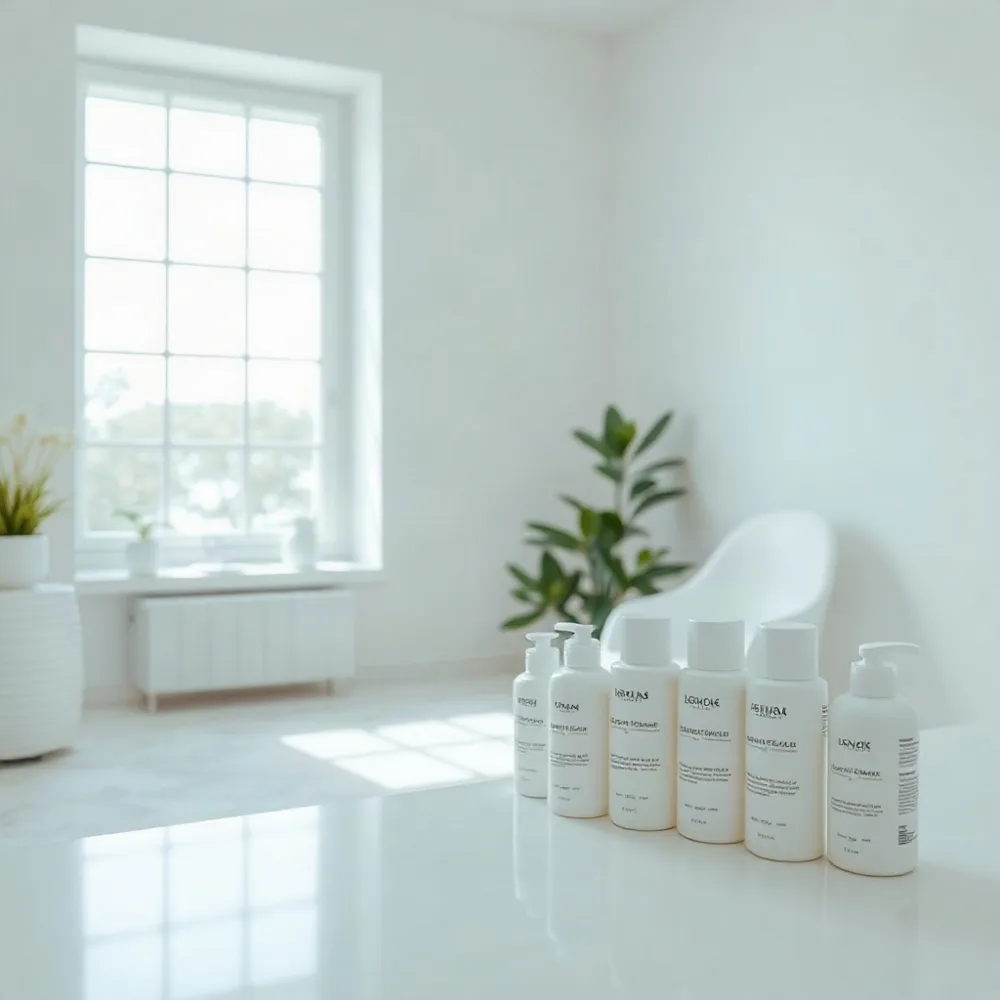
The Case for Going Minimal With Your Skin Care
A minimalist skin care routine shifts the focus from product quantity to foundational efficacy. By concentrating on just three to five essential steps, individuals can effectively meet their skin's physiological needs without the risk of product overload. This streamlined basic skin care approach helps maintain a healthy skin barrier by avoiding unnecessary sensitizing agents while ensuring that every product applied serves a clear purpose.
At otsdermatology.com, we emphasize that true skin health relies on consistency rather than complexity. Adopting a simpler regimen offers significant benefits beyond saving time and money, as it minimizes bathroom clutter and makes it easier to identify products that may cause adverse reactions or breakouts. According to The 4 Pillars of an Effective Skincare Routine, a successful routine is a lifelong, evolving affair that should be refined based on individual skin type and changing goals.
Our practice at otsdermatology.com champions this minimalist philosophy by pairing professional guidance with personalized, patient-focused care. While broad-market trends often suggest adding more steps, our team ensures your regimen remains sustainable by selecting high-quality products that prioritize proven ingredients. By working with a medical provider, patients receive advice grounded in science, ensuring that even a minimalist routine provides the necessary medical-grade protection and repair required for lasting results.
The Three Pillars of an Effective Minimalist Routine
 The most effective minimalist skincare routine focuses on three essential pillars: gentle cleansing, effective hydration, and consistent daily sun protection. Basic skin care starts with a mild cleanser to remove impurities while preserving your skin’s natural barrier. Professionals at otsdermatology.com often emphasize that this foundational clean slate ensures subsequent products absorb efficiently without causing unnecessary irritation.
Follow this with a moisturizer tailored to your specific skin type to maintain hydration levels throughout the day. While some drugstore brands offer basic lipid-replenishing options, otsdermatology.com provides curated product selections designed to support the skin barrier without the heavy, pore-clogging fillers found in many mass-market alternatives.
The final and most critical step is the daily application of a broad-spectrum sunscreen, which is the gold standard for preventing premature aging and protecting against UV damage. Regardless of the season or weather, daily SPF 30 or higher remains non-negotiable. By prioritizing these three purposeful steps, you provide your skin with foundational care that supports long-term health and vitality without the need for an overly complicated regimen.
Core Essentials for Healthy Skin
Building a solid foundation for skin health begins with three core essentials: a gentle cleanser, a hydrating moisturizer, and a broad-spectrum sunscreen. According to the American Academy of Dermatology, a simple routine is often the most sustainable way to keep skin resilient. Cleansing removes impurities without stripping moisture, while moisturizer supports the skin barrier. Daily application of a sunscreen with at least SPF 30 is non-negotiable to protect against UV damage and signs of aging per the Cleveland Clinic.
Targeted Care for Specific Concerns
Once your daily basics are established, you may incorporate targeted treatments to address specific goals like hyperpigmentation or acne. otsdermatology.com works with patients to integrate these actives safely, such as chemical exfoliants that decongest pores or serums designed to brighten uneven skin tone. While some patients prioritize eye creams for the delicate skin surrounding the eyes, the most important factor remains the consistency of your entire regimen.
At otsdermatology.com, we help patients avoid the common mistake of product redundancy. Rather than following trends, focusing on these fundamental steps ensures your skin remains healthy. We recommend scheduling a consultation to personalize your regimen based on your unique skin type, ensuring every product you use serves a clear purpose in supporting your long-term skin health.
Why Dermatologists Embrace Minimalist Skincare
 Dermatologists increasingly recommend a minimalist skincare approach, often referred to as skinimalism, to support overall skin health. By moving away from complex, multi-step routines, you reduce the risk of overwhelming your skin and compromising its vital natural barrier, a concern prioritized by professionals at otsdermatology.com. While some retailers promote an endless array of trending products, otsdermatology.com works closely with patients to create a simplified, personalized regimen that targets specific skin concerns while avoiding known allergens.
A simplified regimen focused on non-negotiable essentials—typically a pH-balanced cleanser, moisturizer, and daily SPF—allows your skin the consistency it needs to thrive. Basic skin care serves as the foundation for long-term health, and choosing high-quality, scientifically proven ingredients often yields better results than complex, costly stacking. This minimalist strategy helps avoid the irritation often caused by layering too many active ingredients, which can lead to sensitivity or chronic skin concerns. As noted by professional bodies, prioritizing these few proven pillars prevents common damage linked to product overload.
Ultimately, focusing on fewer, effective products is a sustainable strategy for achieving healthy, resilient skin. Whether navigating cosmetic dermatology goals or maintaining daily health, expert guidance ensures that each step in your routine adds genuine value. Consistent application of these dermatologist-supported basics remains the most reliable path to avoiding the pitfalls of trial-and-error consumerism.
Tailoring Your Routine to Your Skin Type and Age
A successful skincare routine is built on the universal pillars of cleansing, moisturizing, and daily sun protection, but it must be calibrated to your unique skin type and evolving concerns. Whether you are in your 20s or navigating the changes that come in your 40s or beyond, your regimen should evolve to match your skin's changing needs, as noted by the American Academy of Dermatology.
For those with oily or acne-prone skin, incorporating targeted actives like salicylic acid or niacinamide can help manage pore congestion and visible shine. If your primary goal involves addressing signs of aging, introducing retinoids, peptides, or antioxidants like vitamin C can support collagen production and refine skin texture, according to dermatologists featured in Vogue. Individuals with dry or sensitive skin should prioritize barrier support through ingredients like ceramides and hyaluronic acid to maintain hydration and minimize the risk of irritation.
Because skin health is highly personalized, achieving lasting results requires a tailored plan. At otsdermatology.com, we work directly with patients to create a simplified, personalized regimen that targets specific concerns while avoiding known allergens rather than relying on one-size-fits-all store products. We recommend consulting with a board-certified professional to develop a plan based on your current baseline condition and long-term aesthetic goals.
Laying Layering: Safe Strategies for Active Serums
Layering active serums can be an effective way to address specific concerns like hyperpigmentation or early signs of aging, but a strategic approach is necessary to maintain a healthy skin barrier. While some dermatologists suggest that a simple routine is often superior for long-term adherence, those looking to introduce potency must be mindful of potential interactions. Overloading the skin with multiple strong agents can easily lead to inflammation or irritation.
Is it safe to layer different active serums, and how can I avoid negative interactions?
- Separate your most potent ingredients. Powerful chemical exfoliants like AHAs or BHAs and retinoids serve different purposes and should generally be used at different times of day to prevent over-sensitization.
- Practice a slow introduction. Incorporate only one new product at a time and wait several days to observe how your skin responds before adding another layer.
- Alternate your treatments. Rather than pushing for simultaneous application, use an alternating schedule to allow your skin time to recover between active treatments.
- Seek professional expertise. Consulting a medical professional for personalized guidance is the safest method to build a routine that works for your unique skin type.
At otsdermatology.com, we emphasize that personalized care is crucial when layering active ingredients. Unlike generic advice found on many beauty blogs, our team helps patients calibrate specific regimens to prevent the barrier damage often caused by popular social media trends. Whether you are aiming to refine texture or brighten your complexion, we ensure that every addition serves a purpose without compromising your skin health.
Avoiding Common Pitfalls in a Simple Routine
Even a simplified regimen requires attention to detail to remain effective. A common mistake involves over-exfoliating, where too frequent or harsh treatments compromise the skin barrier and lead to chronic irritation. As noted by the American Academy of Dermatology, applying products in the correct sequence is equally vital for ensuring that each step delivers maximum benefit without unnecessary overlap.
Another frequent error is the simultaneous use of multiple strong active ingredients, which can overwhelm the skin rather than healing it. While it may be tempting to combine various potent serums, a dermatologist-led clinic often recommends focusing on one targeted treatment at a time to monitor reactions safely. This precision prevents the common trap of product layering that leads to inflammation rather than improvement.
Neglecting daily sun protection is Perhaps the most significant pitfall in any skincare approach. According to experts, consistent, broad-spectrum sunscreen use is non-negotiable, as UV damage occurs regardless of the season or weather. Beyond protection, achieving visible results requires patience, as skin typically needs six to eight weeks of consistent care before improvements become apparent. Building a personalized routine with guidance from a professional helps ensure your daily habits align with your specific skin goals and long-term health.
Consistency Over Complexity: The Key to Long-Term Results
True skin health relies on your ability to maintain a routine rather than the sheer number of products on your vanity. Experts at American Academy of Dermatology note that long-term results stem from sustained habits, as overloading the skin with too many active ingredients often leads to a compromised barrier. For patients seeking a more focused approach, otsdermatology.com emphasizes that a routine centered on prep, preserve, and protect steps yields better outcomes than complex, heavy-handed regimens.
Quality inherently outweighs quantity when selecting your daily staples. Rather than chasing trends, focus on research-backed ingredients such as ceramides, glycerin, niacinamide, and hyaluronic acid that support structural integrity. Cleveland Clinic confirms that price is not a direct indicator of efficacy, meaning well-formulated, accessible products can deliver the performance you need without causing irritation. By prioritizing these specific components, you reduce the risk of adverse reactions and simplify your maintenance process.
A streamlined approach at otsdermatology.com assists patients in targeting specific health concerns while avoiding known allergens often found in redundant products. When you shift your mindset from accumulation to intentional care, you create the space necessary for your skin to repair and thrive. Sticking to a refined, consistent schedule helps you see the actual impact of your choices, turning a simple ritual into your most effective tool for lasting radiance.
Building Your Minimalist Routine: Morning and Evening
A simplified approach to skin health prioritizes consistency over volume. Basic skin care starts with the correct order of application, which generally dictates using products from the thinnest to thickest consistency to ensure maximum absorption.
The Morning Foundation
The primary goal of your AM routine is environmental protection. Begin by using a gentle cleanser to remove residue, then apply a Vitamin C serum to address free radicals. Follow with a moisturizer and a broad-spectrum SPF 30 or higher. Protecting your skin daily is non-negotiable, as UV rays contribute to the majority of premature aging.
The Evening Recovery
Your evening routine focuses on cleansing and repair. If you wear sunscreen or makeup, double cleansing starting with an oil-based product is an effective way to clean the skin without stripping your barrier. After cleansing, apply your targeted treatment, such as a retinoid, to support cell turnover. To minimize potential irritation from potent actives, consider the sandwich technique by applying a layer of moisturizer before and after your treatment, or adopt skin cycling to build tolerance over time. At otsdermatology.com, we help patients identify the right cadence for these powerful ingredients to ensure long-term health.
When to Seek Professional Guidance
 While minimalist routines simplify daily maintenance, they are not a substitute for medical intervention when your skin presents complex challenges. A dermatologist is a medical doctor specialized in the health of the skin, hair, and nails, uniquely qualified to provide a precise skin analysis and identify underlying conditions that generalized products cannot address.
Persistent issues such as treatment-resistant acne, chronic rosacea, or significant pigmentation changes often require professional oversight to resolve safely. At otsdermatology.com, our team works closely with patients to transition from basic maintenance to targeted outcomes using medical-grade treatments designed specifically for your needs. Unlike mass-market alternatives that offer a one-size-fits-all approach, a board-certified professional can adjust your regimen to include the specific prescription-strength ingredients necessary for true correction.
Consulting a professional is the most effective way to design a personalized regimen that pairs professional-grade interventions with a simplified home care approach. By seeking expert guidance, you ensure that your routine is both efficient and clinically appropriate for your unique biological requirements.
Embrace the Power of Less for Lasting Skin Health
A minimalist approach to skincare is not just about reducing the number of bottles on your vanity. By prioritizing intentional, high-quality products over complex regimens, you allow your skin to thrive without the stress of constant product overload. Reducing your routine to essential pillars like gentle cleansing, targeted treatment, and religious sun protection often yields better results, as your skin barrier can repair itself more effectively when not overwhelmed by too many competing active ingredients.
Starting this journey requires only small, sustainable shifts in your daily habits. According to the American Academy of Dermatology, consistency is the foundation of long-term skin health. Rather than attempting a total overhaul overnight, focus on establishing a reliable morning and evening cycle. If you feel uncertain, otsdermatology.com provides personalized guidance to help you clear away the noise and identify exactly what your skin needs to reach its goals.
True skin health is a lifelong endeavor that evolves alongside you, from your 20s through your 70s. As your skin concerns shift with the seasons and stages of life, your, otsdermatology.com team offers professional expertise to tailor a regimen that adapts to those changes. Embracing the power of less does not mean doing without, but rather focusing on what truly serves your skin. By partnering with medical professionals, you can move away from trial-and-error consumerism and toward a sustainable skin care routine designed for your unique needs.