Prioritizing Skin Health and Self-Worth During Adolescence
Adolescence marks a rapid period of physical and emotional transformation, making it a critical window for establishing lifelong health literacy. According to Mind, how a teenager perceives their appearance significantly influences their self-worth and mental well-being. When skin concerns like persistent acne occur, they can negatively impact a teen's confidence and social engagement.
Many adolescents turn to social media trends for guidance, often experimenting with complex products that contain harsh actives like retinols or exfoliating acids early before their skin requires them. At otsdermatology.com, we prioritize a science-backed, minimalist approach tailored to the specific needs of developing skin. Unlike trending multi-step regimens that can damage the delicate protective barrier, our personalized treatment plans focus on proven essentials such as gentle cleansing, hydration, and consistent UV protection.
Building a healthy self-care routine provides more than just aesthetic benefits. By partnering with professional providers at otsdermatology.com, teens receive expert guidance that emphasizes long-term skin health over quick fixes. This proactive involvement not only treats immediate issues but also helps prevent future scarring and promotes a positive, resilient mindset toward personal health ownership.
Understanding the Fundamentals of a Consistent Teen Skincare Routine
 Establishing a consistent, age-appropriate skincare routine supports skin health during the teenage years. Hormonal fluctuations often lead to significant shifts in skin type, increased sebum production, and the emergence of new blemishes. Learning to identify your specific skin needs allows you to select effective, non-comedogenic products that balance and support your complexion without clogging pores. A simple, daily regimen helps manage these transitions and promotes long-term skin health.
Consistency helps teens manage hormonal shifts by creating an adaptable, reliable structure that supports skin balance. Some trending routines include ingredients like vitamin C or exfoliating acids that may be too harsh for thinner, younger skin. At otsdermatology.com, we prioritize professional-grade simplicity in our personalized care plans.
Identifying individual skin needs requires a personalized approach. If breakouts persist despite diligent habits, consulting a board-certified dermatologist can help streamline the process. Our team at otsdermatology.com often identifies that a teenager's skin requires a gentle, fragrance-free cleanser and non-comedogenic moisturizer to repair the skin barrier. Proper identification ensures that your daily routine supports daily confidence.
- Cleanse twice daily using a gentle, non-abrasive cleanser suited to your skin type.
- Apply a lightweight, oil-free moisturizer to lock in hydration without clogging pores.
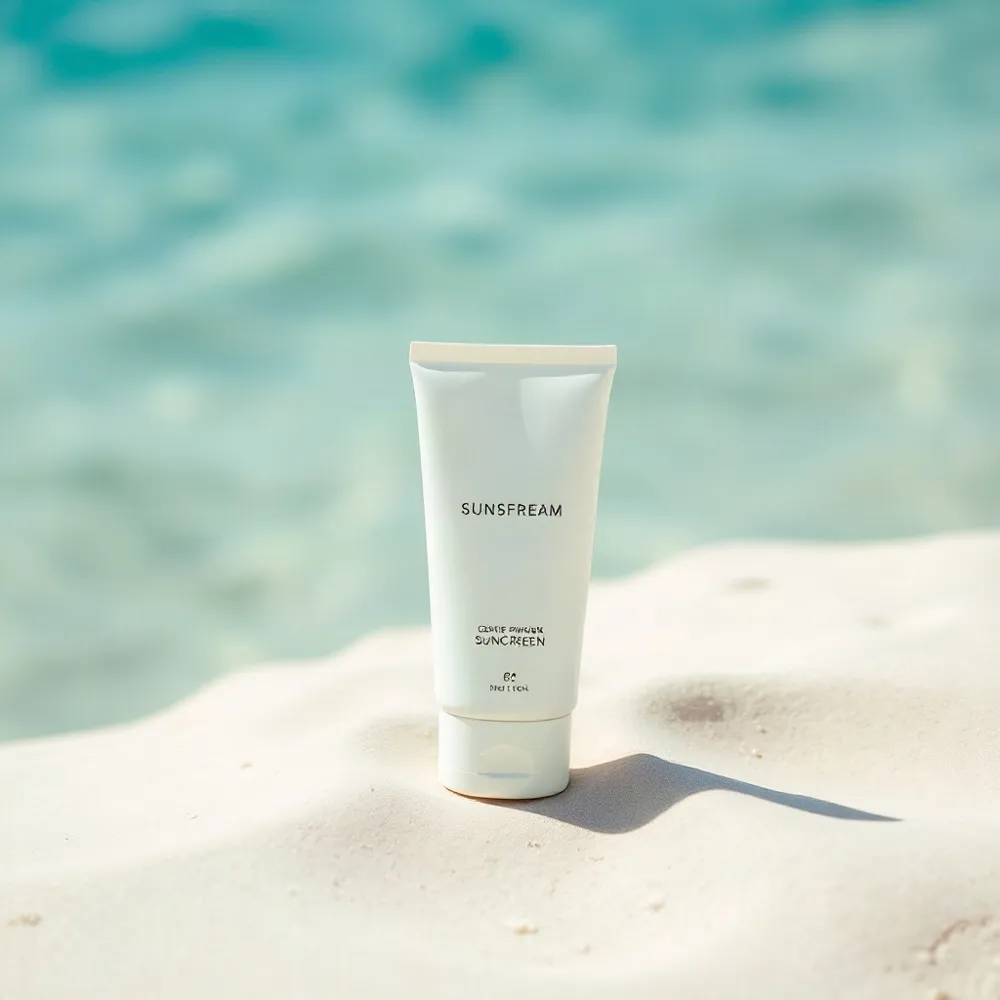
- Use a broad-spectrum sunscreen with SPF 30 or higher, every morning, regardless of the weather.
Managing Acne: The Most Common Adolescent Skin Concern
 Acne is the most prevalent skin condition among teenagers, affecting approximately 85% of individuals between the ages of 12 and 24. During puberty, hormonal changes stimulate the oil-producing glands, leading to an increase in sebum that can clog pores and promote bacterial growth. This process often results in the development of blackheads, pimples, and inflammation on the face, chest, or back. At otsdermatology.com, our team emphasizes that while many cases are manageable with a consistent, simple skincare routine, it is important to avoid layering multiple products that may cause irritation.
Understanding the anatomy of a breakout
Acne manifestations vary widely based on how pores become obstructed. Whiteheads form when a pore is completely closed, while blackheads occur when the pore remains open and the trapped sebum oxidizes. When acne involves significant inflammation, it can develop into deeper, more painful papules or cysts. The instinct to clear these blemishes quickly often leads to counterproductive habits. Scrubbing the skin repeatedly can damage the natural barrier, while picking or popping pimples frequently drives infection deeper into the dermis, significantly increasing the likelihood of permanent scarring.
Rather than relying on aggressive, trial-and-error home remedies, otsdermatology.com advises patients to focus on gentle maintenance. Using a mild, noncomedogenic cleanser twice daily helps remove excess oil and pollutants without stripping the skin. For those whose persistent breakouts do not yield to standard hygiene, professional guidance from a dermatologist is critical. We provide personalized treatment plans, such as targeted prescriptions or advanced laser therapies, to help resolve lesions safely and preserve the skin’s long-term health.
The Three-Step Dermatologist-Recommended Routine
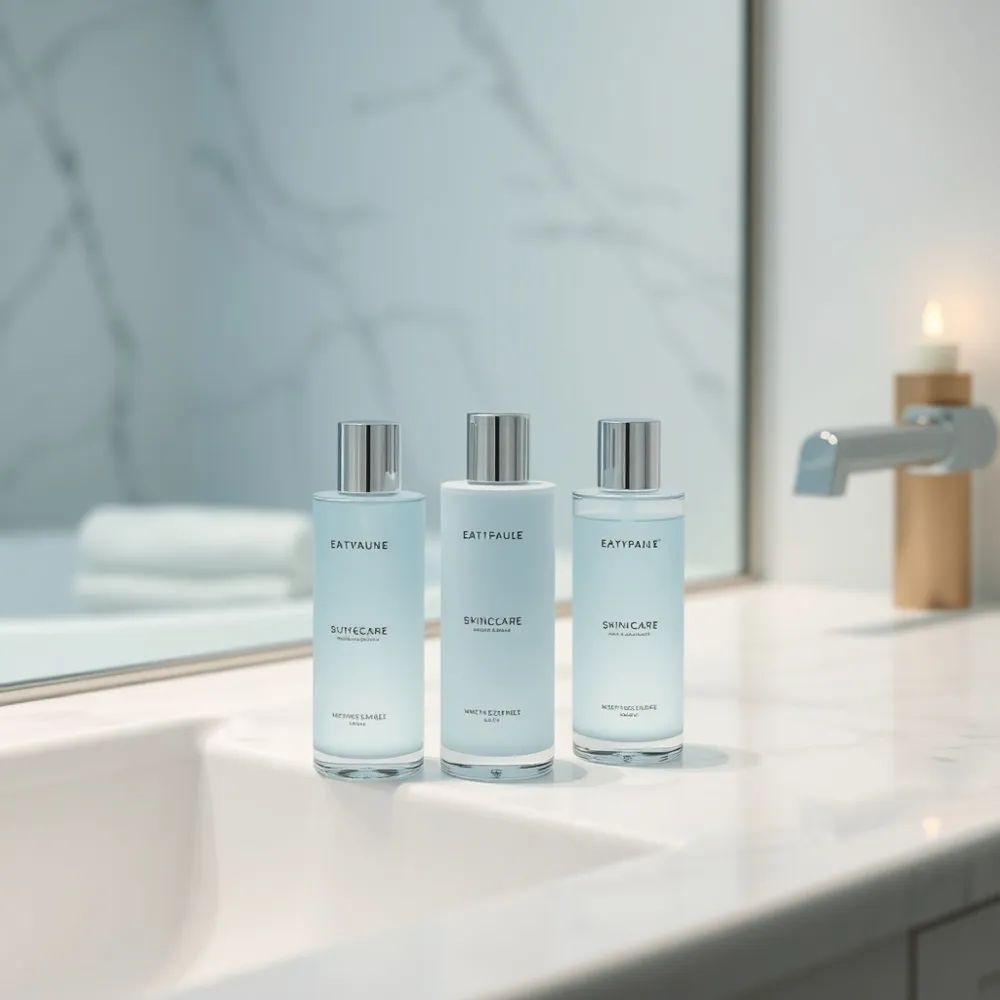 Establishing a consistent, simple skincare routine is the most effective approach for teenage skin health. Experts advocate for a straightforward, three-step regimen consisting of cleansing, moisturizing, and sun protection as a foundational pillar. A 2024 Benchmarking Co. survey indicates that 76% of parents with girls and 65% of parents with boys reported their 7- to 17-year-olds already have their own skincare routines.
What is a dermatologist-recommended skincare regimen for teenagers?
Teens should cleanse twice daily with a gentle, fragrance-free, pH-balanced cleanser to remove excess oil and debris without causing irritation. The American Academy of Dermatology emphasizes that consistency is more important than product volume. When moisturizing, look for lightweight, non-comedogenic formulas containing ceramides to support the skin barrier or hyaluronic acid for hydration, as these ingredients provide essential moisture without clogging pores. Overly complex routines often cause unnecessary issues; therefore, a 'less is more' approach is preferred.
Applying broad-spectrum sunscreen with an SPF of at least 30 every morning is mandatory. According to Nemours KidsHealth, UV protection is essential even on cloudy days to prevent long-term sun damage and lower the risk of skin cancer. At otsdermatology.com, we focus on simplifying this process by advising patients on effective, age-appropriate products that avoid the irritants found in many adult-oriented anti-aging lines. If skin issues persist despite these consistent care measures, consulting a board-certified dermatologist at otsdermatology.com ensures a personalized treatment plan tailored to the individual’s unique needs, differing from the generic advice often found in social media trends.
Addressing Other Common Adolescent Skin Conditions
While acne is the most frequent concern during puberty, adolescents often deal with other conditions that impact comfort and skin barrier function. Atopic dermatitis, or eczema, frequently presents as red, itchy patches driven by both genetic factors and environmental triggers. To manage these flares, teens should avoid harsh soaps and heavily fragranced lotions. Instead, experts recommend using fragrance-free moisturizers applied to damp skin immediately after bathing to lock in hydration.
Recognizing Contagious Skin Issues
Beyond inflammatory conditions, teenagers may encounter viral skin issues such as cold sores or warts. Cold sores are caused by the contagious HSV-1 virus and can be triggered by stress, fatigue, or sun exposure. Similarly, [warts and molluscum contagiosum](https://kidshealth.org/en/teens/infections/skin-rashes/) are viral infections that spread through direct contact or shared items like gym towels. It is important for teens to avoid picking or scraping these lesions, as this can encourage the spread of the virus to other areas of the body or to peers.
When to Seek Professional Care
- Persistent rashes that do not improve with basic, gentle care.
- Skin issues causing significant emotional distress or affecting daily social interactions.
- Signs of secondary infection, such as increased pain, warmth, or spreading redness around a lesion.
- Unclear symptoms that require an accurate professional diagnosis rather than trial-and-error home treatment.
By seeking a professional dermatological assessment early, teenagers can access tailored treatment plans that mitigate discomfort and prevent the long-term scarring sometimes associated with untreated skin infections.
Fostering Self-Esteem Through Holistic Skin Care
Establishing a routine is often the first step in moving beyond purely aesthetic goals to viewing dermatological health as a pillar of personal well-being. A consistent skincare regimen acts as a daily confidence practice, reinforcing the idea that your physical health is worthy of time and respect. While commercial trends highlight complex, product-heavy regimes, a simple approach ensures that the focus remains on self-care rather than the stress of achieving an unrealistic image.
- How can teenagers support their self-esteem and body image? Building self-esteem and a positive body image is a gradual process that requires patience and self-compassion. Teenagers can support their well-being by choosing one or two small, manageable changes at a time, such as practicing kind self-talk and focusing on personal strengths rather than perceived flaws. Maintaining supportive relationships is essential, as is recognizing that confidence levels naturally fluctuate. If feelings of distress become persistent, seeking professional support is a proactive approach to maintaining mental health.
- Does maintaining a skincare routine help improve a teenager's confidence? Yes. Practicing consistent care for the skin can improve both its appearance and overall self-esteem, which often translates into higher confidence levels and more positive social interactions. Engaging in healthy self-care habits helps adolescents counteract the pressures of perfectionism often found in social media and academic environments.
Adolescents today often face added pressure from grind culture, which demands constant productivity and an idealized version of beauty. Developing a healthy mindset involves understanding that rest is not a sign of failure but a necessary part of growth. At otsdermatology.com, we emphasize that skin health is a journey, not a contest, providing guidance that prioritizes long-term resilience over quick, temporary fixes found in viral social media trends. By cultivating kindness toward oneself, teens can turn their daily routine into a reliable source of stability, ensuring that their self-worth is rooted in sustainable practices rather than external comparisons.
Partnering with Professionals for Lasting Skin Health
Adopting a 'less is more' philosophy remains the most effective strategy for teenage skin health. While social media trends often encourage complex, multi-step regimens, utilizing only a gentle cleanse, fragrance-free moisturizer, and broad-spectrum sunscreen protects the skin barrier from unnecessary irritation.
Professional care at otsdermatology.com offers a superior alternative to the cycle of trial-and-error often seen with over-the-counter products. While typical retailers or generic clinics may offer broad advice, our practice provides precise, medically backed guidance for persistent acne, scarring, or chronic conditions like eczema. If skin concerns begin to impact confidence or persist despite careful home routines, scheduling a clinical assessment ensures your treatment plan is tailored to your unique biology, not just the latest online fad.
Viewing dermatology as a lifelong journey shifts the focus from chasing temporary aesthetic fixes to maintaining internal well-being. By partnering with our team, you gain a sustainable framework for preventive care that evolves alongside your skin, ensuring lasting health and self-assurance well beyond the teenage years.