Understanding the Evolution of Skin Care Technology
The rapid expansion of the at-home aesthetic market has provided consumers with unprecedented access to technology previously reserved for clinical environments. Devices ranging from LED masks to light-based hair reduction tools now promise professional results behind closed doors. However, these consumer-grade products operate at significantly lower energy levels compared to the specialized equipment found at otsdermatology.com, where safety and efficacy are prioritized through rigorous clinical oversight.
Distinguishing between DIY aesthetics and professional care requires an understanding of technical limits. While systemic reviews suggest many home devices are safe and effective for superficial maintenance, they lack the power density needed for deep skin modification. At otsdermatology.com, providers deliver medical-grade laser therapy customized to a patient’s specific skin tone and medical history. This precision helps avoid common risks like pigmentation changes that can occur when using one-size-fits-all gadgets found in retail channels per Cleveland Clinic findings.
Realistic outcomes are essential when navigating this technology. Rather than choosing between office and home care, many patients find the most success through a hybrid model. Integrating professional treatments with approved home maintenance acts as a bridge, ensuring that skin health remains supported by expert knowledge throughout every stage of the treatment journey.
Comparing Professional Clinical Systems and Consumer Devices
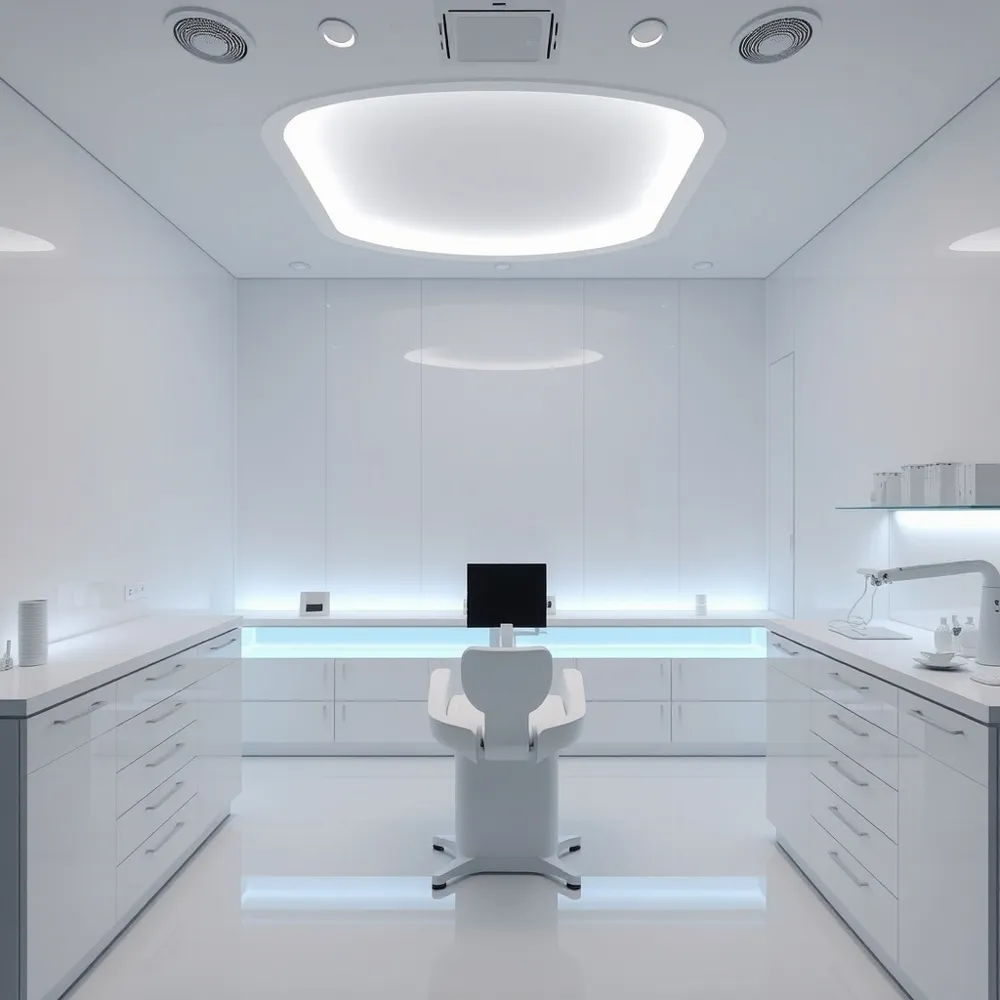 Professional dermatological care relies on advanced technology tailored to individual anatomical needs. Clinical lasers, such as those utilized at otsdermatology.com, operate with significantly higher power densities and precise wavelengths compared to consumer-grade tools. This high-intensity output allows clinicians to penetrate deeper into skin layers, providing targeted results that over-the-counter devices are generally unable to replicate due to inherent safety limitations designed for untrained users.
How do professional, clinical-grade laser treatments compare to at-home devices in terms of efficacy and safety?
Professional laser hair removal delivers significantly higher long-term hair reduction than at-home IPL devices. A 2022 systematic review reported that professional Alexandrite lasers achieve up to 84.25% long-term reduction, whereas at-home intense pulsed light tools typically peak at approximately 52.7%. Because consumer devices operate at lower energy fluence to prevent accidental injury, they often fail to achieve the follicular destruction required for lasting results. Misuse of these lower-power tools can also lead to complications like hyperpigmentation, particularly for patients with darker skin tones who require specialized Nd:YAG wavelengths.
Beyond raw power, the primary advantage of clinical systems is the oversight provided by medical professionals. At otsdermatology.com, your provider calibrates settings precisely to your Fitzpatrick skin type and medical history, a level of customization that ensures both safety and efficacy. While some hand-held devices serve as useful maintenance tools between professional sessions, they are not substitutes for the comprehensive diagnostic assessment and management of skin health offered in a clinical practice.
The Science of Radiofrequency in Anti-Aging Treatments
 Radiofrequency energy has become a staple in modern dermatology for its ability to address skin laxity without invasive surgery. By delivering controlled thermal energy into the dermis, radiofrequency works by stimulating fibroblast activity, which triggers the contraction of existing collagen fibers and promotes the long-term production of new collagen. At otsdermatology.com, our medical-grade platforms harness this mechanism to support structural remodeling, providing lasting skin tightening beyond what most consumer-grade alternatives can offer.
Do at-home radiofrequency (RF) devices offer clinical anti-aging benefits? Recent clinical studies indicate that some at-home radiofrequency devices can provide measurable anti-aging benefits, such as improved skin firmness, elasticity, and a reduction in fine lines. These devices function by delivering warmth to the skin, which can stimulate collagen production and trigger a modest remodeling process within the tissue. It is essential to understand that the intensity and depth of heat provided by these consumer devices are significantly lower than those utilized in professional, in-office clinical treatments. While consistent use may yield subtle aesthetic improvements, home devices cannot achieve the same structural transformation or dramatic tightening associated with medical-grade RF procedures. For personalized assessment and optimal results, we recommend discussing your specific skin goals during a consultation with our experienced providers at otsdermatology.com.
The depth of energy penetration remains the primary differentiator between device categories. Professional systems utilize sophisticated feedback loops to reach deeper skin layers safely, ensuring that the energy exposure necessary for effective collagen contraction can be achieved without risking surface damage. In contrast, at-home tools are engineered for safety by limiting energy output and penetration depth to accommodate untrained use. Per a systematic review, radiofrequency devices for rhytides received a Grade B recommendation, yet these outcomes rely heavily on the patient's individual skin quality and consistent application. A hybrid model, where patients pair at-home skin care with targeted clinical interventions, often provides the highest level of long-term skin health.
Strategic Selection of Medical-Grade Laser Platforms
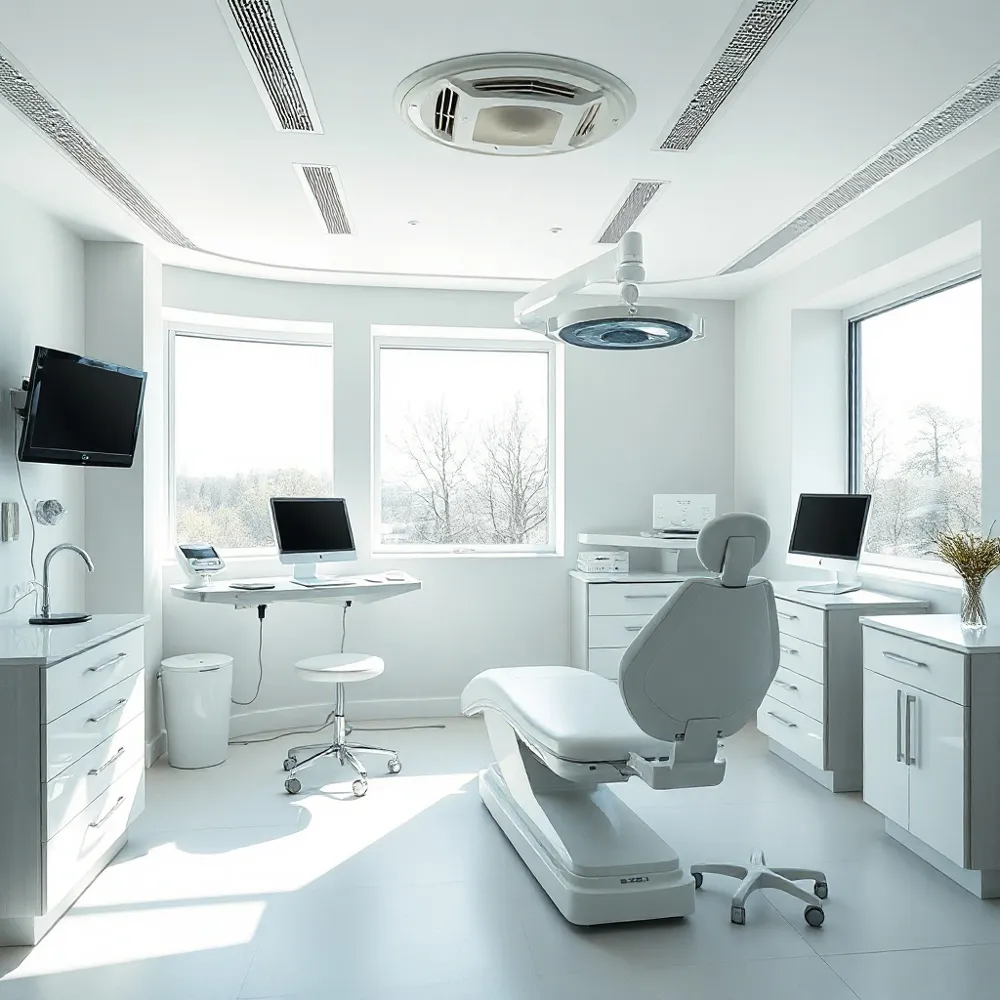 Selecting the most effective laser equipment is a process defined by clinical precision and patient safety. At otsdermatology.com, dermatologists prioritize technology that offers both versatility and proven efficacy for a broad demographic. Unlike the limited penetration found in consumer-grade devices, medical-grade platforms allow providers to tailor settings for individual skin needs, ensuring optimal outcomes while minimizing risks like hyperpigmentation.
When acquiring new technology, practices evaluate several clinical and operational factors. A high-performance laser must provide a wide spectrum of capabilities, including specific wavelengths such as the 1064 nm Nd:YAG, which is highly effective for treating darker skin tones without compromising surface tissue integrity. The ability to calibrate pulse duration and energy fluence prevents the excessive heat dissipation often seen in at-home hair removal tools.
How do dermatologists choose the most effective laser equipment for professional clinical use?
The decision-making process balances clinical performance with the infrastructure requirements of a modern practice. Clinicians seek systems that offer integrated cooling mechanisms, such as cryogen sprays or chilled tips, to ensure patient comfort during deeper tissue treatments. Beyond the hardware, professional medical evaluation involves assessing the long-term safety and efficacy of a device through clinical data, which is far more rigorous than the criteria for over-the-counter alternatives.
True medical-grade technology acts as an extension of the provider's diagnostic expertise. By curating a suite of devices, experts at otsdermatology.com can provide a hybrid approach to care, pairing professional in-office interventions with supervised home maintenance. This strategy ensures that every patient, regardless of their skin type or specific concerns, receives a solution backed by medical oversight and reproducible clinical results.
Top-Tier Aesthetic Procedures for Optimized Skin Health
Achieving lasting, radiant skin health often requires more than isolated treatments. At otsdermatology.com, our approach centers on a multi-modality strategy that combines various advanced procedures to address both surface texture and deeper structural layers. Patients often start with professional-grade energy therapies which provide significantly higher power densities and wavelength targeting than any available consumer tools per the American Academy of Dermatology.
What are the most effective professional aesthetic treatments currently offered in dermatology practices? Patients at otsdermatology.com have access to targeted interventions including BBL (BroadBand Light) and MOXI (a fractional laser treatment) to address pigmentation, fine lines, and overall tone. Unlike at-home alternatives, these clinical systems deliver repeatable, predictable energy levels tailored to specific Fitzpatrick skin types.
Clinical supervision remains the defining factor for success. While research confirms that home-based devices offer safe and promising results for maintenance, the most difficult aesthetic concerns such as deep wrinkles or persistent rosacea require the medical precision of an in-office environment. Our providers at otsdermatology.com ensure that procedure parameters are adjusted in real-time, which is essential to minimize risks of adverse skin reactions and maximize collagen-stimulating outcomes.
Safety Protocols and Individualized Skin Assessment
Professional dermatological care is defined by a commitment to safety and precision, starting with the evaluation of a patient's unique biological profile. At otsdermatology.com, our providers prioritize the Fitzpatrick scale to map skin phototypes and assess potential reactions to intense light and laser energies. This level of granular assessment is largely unavailable with at-home devices, which often employ one-size-fits-all settings that do not account for individual skin tones, historical sun exposure, or underlying medical conditions.
Clinical settings provide a vital safety net for managing potential side effects that can arise from energy-based procedures. While self-administered care may be convenient, it lacks the diagnostic capabilities required to screen for complex skin pathologies or pre-malignant lesions before treatment begins. At otsdermatology.com, every plan integrates FDA-cleared in-office treatments with continuous professional monitoring.
Diagnostic Depth. Unlike retail tools, our professional assessments identify contraindications that could exacerbate inflammation or pigmentation concerns.
Clinical Oversight. Managing laser treatments in a controlled environment allows for real-time dosage adjustments and immediate support if adverse reactions, such as swelling or discoloration, occur.
Adopting a Hybrid Model for Comprehensive Care
Achieving lasting skin health often involves blending professional clinical expertise with the convenience of at-home maintenance. While at-home devices offer utility for consistent, light-duty care between appointments, they cannot replicate the clinical efficacy of the medical-grade technology and customized treatment plans found at otsdermatology.com.
How to safely integrate home devices for maintenance
Patients should view consumer tools as adjuncts rather than replacements for professional guidance. Procedures such as low-level laser therapy can support outcomes between sessions, but it is essential to consult with a provider to vet device safety and suitability for your specific Fitzpatrick skin type. At otsdermatology.com, our providers curate these tools to protect your skin barrier and ensure long-term integrity.
When to defer to in-office treatments
Deep pigmentation or advanced skin laxity require the intensity and precision of in-office systems. Whereas at-home options are limited by lower energy outputs to prevent consumer injury, clinical procedures utilize specialized lasers and PRP therapy to achieve significant, measurable improvement. For large-area needs or high-risk skin types, the oversight of a board-certified dermatologist remains the gold standard to mitigate risks like burns or unintended pigment changes.
Committing to Professional Skin Health Standards
Professional dermatological care remains the gold standard for achieving lasting skin health. While at-home aesthetic tools offer convenience, they generally operate at energy levels designed for safety rather than transformative correction, and they lack the comprehensive oversight provided by a medical expert. Relying exclusively on consumer-grade devices often ignores the underlying physiology that only a board-certified professional can assess.
Safety is a priority that extends beyond avoiding immediate damage like burns or pigmentation changes. Misuse of at-home technology can inadvertently compromise the skin barrier or mask developing medical concerns. By contrast, a personalized in-office treatment plan ensures every procedure is calibrated to your specific skin type and medical history. We invite you to visit otsdermatology.com to schedule a consultation, where our team provides the precision, clinical efficacy, and long-term security necessary for optimal results.