Why Sunscreen Matters
Ultraviolet (UV) radiation from the sun includes UVA rays that accelerate skin aging and UVB rays that cause sunburn; both can trigger DNA damage and increase skin‑cancer risk. A broad‑spectrum sunscreen blocks these two wavelengths, delivering comprehensive protection that prevents premature aging, hyperpigmentation, and cancer. Dermatologists recommend making sunscreen a daily habit—apply a generous amount (about a nickel‑sized dollop for the face and one shot‑glass for the body) 15 minutes before exposure, and reapply every two hours or after swimming, sweating, or towel‑drying. Consistent use, even on cloudy days, is the single most effective, low‑cost strategy to preserve skin health and support long‑term dermatologic outcomes.
Ingredient Essentials: What Makes a Sunscreen Safe and Effective
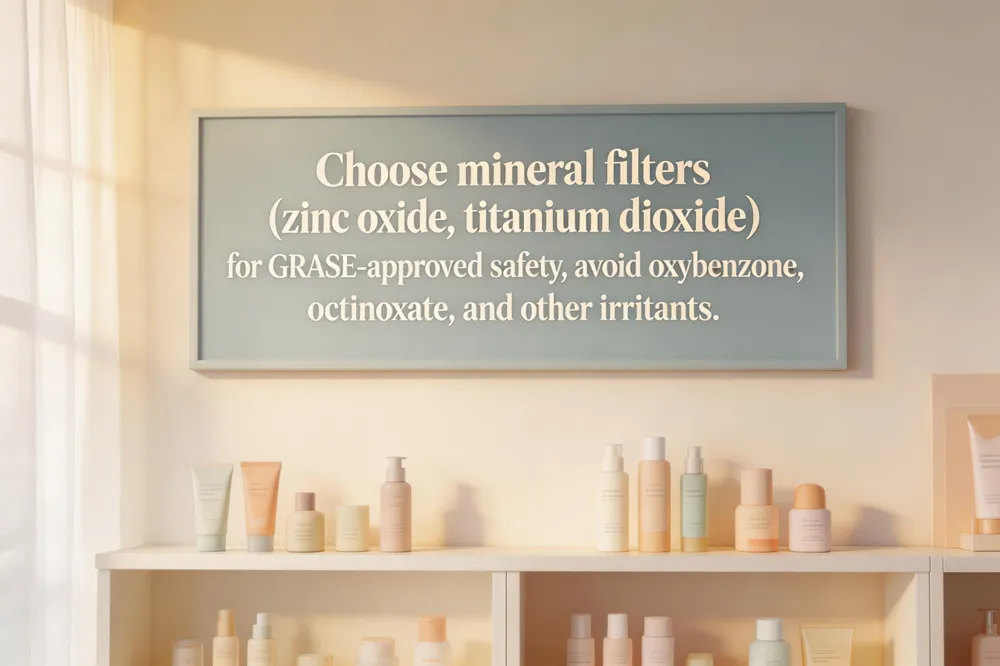 Choosing a sunscreen that is both safe and effective starts with understanding the difference between mineral and chemical filters. Mineral filters – zinc oxide and titanium dioxide – sit on the skin’s surface and physically reflect and scatter UVA and UVB rays. They are the only active ingredients the U.S. FDA currently classifies as generally recognized as safe and effective (GRASE), making them ideal for sensitive skin, children, and anyone looking to avoid systemic absorption or endocrine disruption. Chemical filters such as avobenzone, octocrylene, oxybenzone, and homosalate absorb UV radiation and convert it to heat; while they can provide strong protection, many have raised safety and environmental concerns and are not GRASE.
Safe FDA‑approved ingredients are thus zinc oxide and titanium dioxide, preferably in formulas that deliver at least SPF 30 and broad‑spectrum labeling. Supporting agents like dimethicone, niacinamide, green‑tea extract, and hyaluronic acid improve texture, hydration, and antioxidant protection without compromising safety.
Ingredients to avoid include oxybenzone, octinoxate, PABA, retinyl palmitate, benzene impurities, parabens, phthalates, and added fragrance or alcohol, all of which can irritate skin, act as endocrine disruptors, or harm coral reefs. Using a sunscreen‑ingredients checker can quickly flag these red‑flag chemicals and guide you toward mineral‑based, fragrance‑free options.
By selecting a mineral‑rich, broad‑spectrum sunscreen with SPF 30 or higher and eliminating known irritants, you ensure reliable UV protection while supporting skin health and environmental safety.
Understanding SPF and Choosing the Right Protection Level
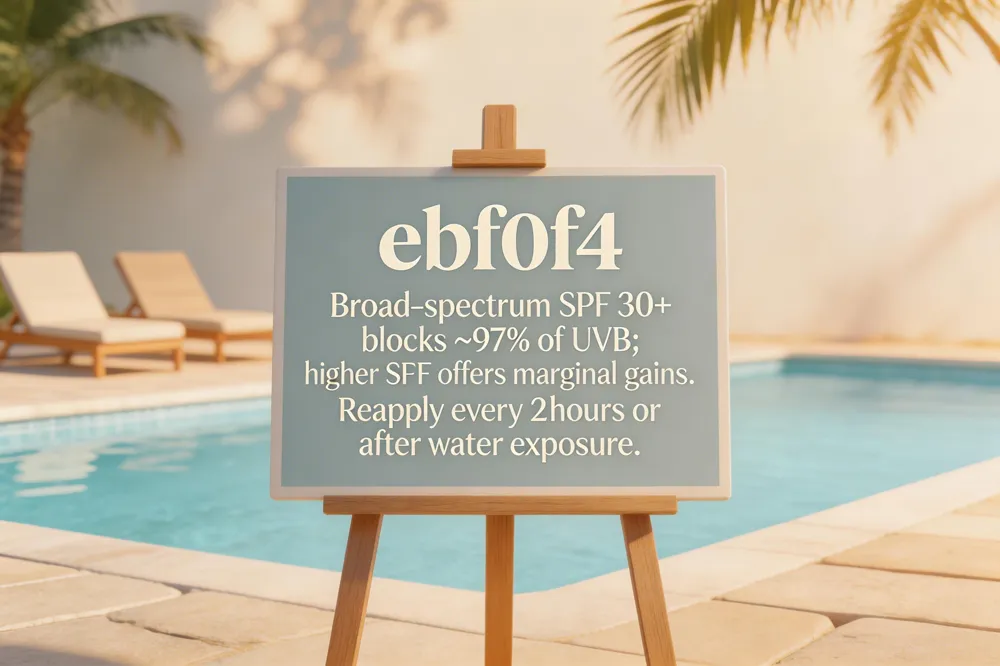 SPF measures protection against UVB rays, which cause sunburn, and a higher SPF number indicates greater UVB protection. SPF 30 blocks about 97 % of UVB rays, SPF 50 about 98 %. All three meet the The American Academy of Dermatology recommends using a broad‑spectrum sunscreen with an SPF of at least 30 for daily protection against UVA and UVB rays, but the incremental benefit diminishes after SPF 30. Choose a product labeled Broad‑spectrum sunscreen shields against UVA and UVB rays, preventing sunburn and premature aging to protect against UVA‑induced aging and skin‑cancer risk, and remember that higher SPF does not extend the duration of protection—Regular reapplication of sunscreen every two hours, or after swimming or sweating, is necessary to maintain effective protection.
For the face, a Broad‑spectrum sunscreen protects against both UVA and UVB rays is essential for daily use. Very fair, acne‑prone, or prolonged outdoor exposure may warrant SPF 50+. Match the formula to facial skin type: Lightweight, non‑comedogenic, matte finish sunscreens for oily skin , Dry skin benefits from moisturizing sunscreens that contain ingredients such as lanolin, oils, or silicones like dimethicone. Water‑resistant sunscreens stay effective for 40 or 80 minutes while swimming or sweating, and Apply sunscreen generously at least 15 minutes before sun exposure.
Oily skin benefits from Oil‑free, non‑comedogenic textures such as creams, lotions, or fluids are preferred with matte or gel textures. Mineral (physical) sunscreens use zinc oxide and/or titanium dioxide and added oil‑control agents like niacinamide, silica, or kaolin clay. Avoid heavy oils and comedogenic esters.
Dry skin needs a Broad‑spectrum sunscreen protects against both UVA and UVB rays that includes hydrating ingredients such as glycerin, hyaluronic acid, or ceramides. Moisturizing bases prevent transepidermal water loss while providing UV protection.
To select the best sunscreen for your skin, start with Broad‑spectrum sunscreen protects against both UVA and UVB rays, then consider texture, active filters (mineral for sensitive/aging‑prone skin, chemical for normal skin), water‑resistance, and any fragrance‑free, non‑comedogenic claims. Apply about Apply about one ounce (palm‑ful) for full‑body coverage (nickel‑size for the face) 15–30 minutes before exposure and Regular reapplication of sunscreen every two hours, or after swimming or sweating, is necessary to maintain effective protection.
Sunscreen Solutions for Sensitive and Reactive Skin
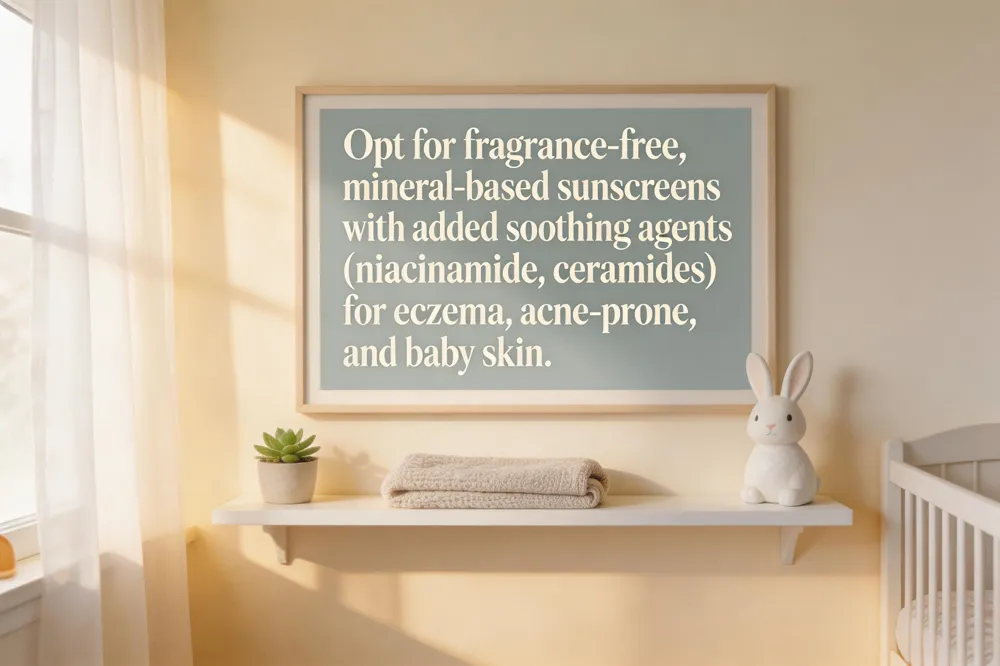 Choosing the right sunscreen for sensitive, acne‑prone, eczema‑prone, or baby skin hinges on fragrance‑free mineral formulas that deliver broad‑spectrum protection without irritating ingredients.
Fragrance‑free mineral options – Products based on zinc oxide and titanium dioxide, such as La Roche‑Posay Anthelios 50 Ultra Light Sunscreen and Blue Lizard Sensitive Mineral SPF 50, provide SPF 50 protection, are non‑comedogenic, and leave no white cast on most skin tones.
Acne‑prone and eczema‑friendly formulas – EltaMD UV Clear SPF 46 (5 % niacinamide) and SkinCeuticals Clear Daily Soothing UV Defense SPF 50 calm inflammation while preventing clogged pores. Vanicream Sun Screen SPF 30 offers a hypoallergenic, fragrance‑free base for eczema‑prone skin.
Dermatologist‑recommended brands – EltaMD, La Roche‑Posay, and Blue Lizard consistently appear in dermatologist lists for their safety, broad‑spectrum coverage, and gentle textures.
Best sunscreen for sensitive skin face – EltaMD UV Skin Recovery Red Color‑Correcting Green Tint SPF 50 combines 12.9 % zinc oxide with centella asiatica and ceramides for soothing, tinted protection.
Best sunscreen for sensitive skin acne‑prone – EltaMD UV Clear SPF 46 (niacinamide) and Supergoop! Mineral Matte Screen SPF 40 give oil‑free, matte, and non‑comedogenic options that
Best sunscreen for sensitive skin baby – Babo Botanicals Sensitive Baby Mineral Sunscreen SPF 50 and Badger Mineral Baby Sunscreen SPF 40 are fragrance‑free, zinc‑oxide based, and pediatrician‑tested.
Apply generously apply 15 minutes before exposure, reapply every two hours, and pair with moisturizers and protective clothing for optimal skin health.
Oily‑Skin Specific Sunscreens: High SPF, Matte Finish, and Korean Innovations
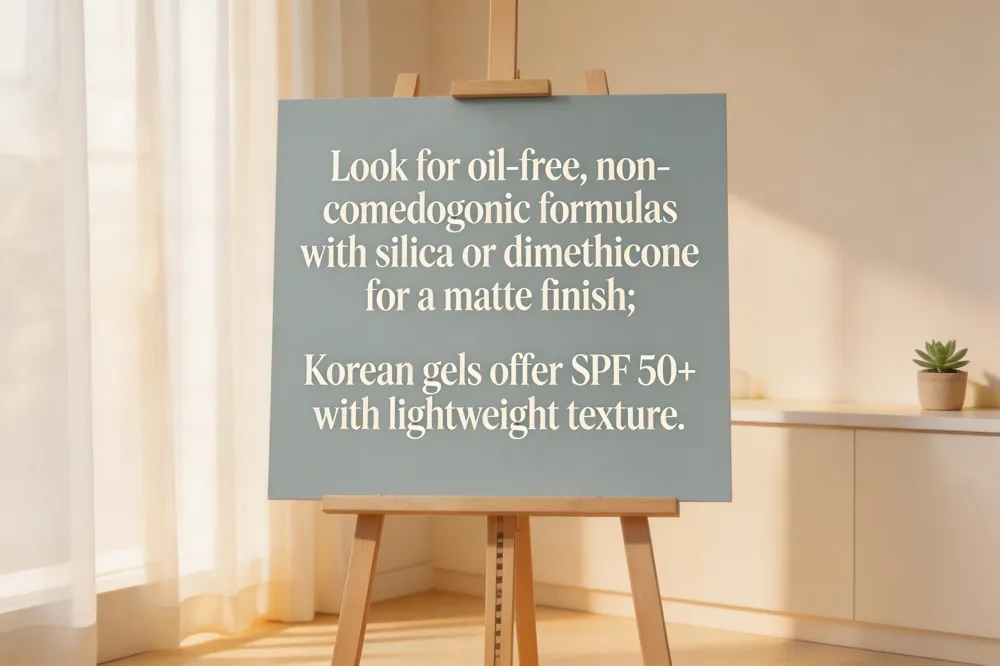 Choosing a sunscreen for oily or acne‑prone skin requires a formula that delivers high‑SPF protection without adding shine or clogging pores. Dermatologists agree that a broad‑spectrum SPF 30‑50+ product, oil‑free, non‑comedogenic, and formulated with mattifying agents such as silica, dimethicone, or zinc oxide is ideal.
Sunscreen for oily skin SPF 50 – Opt for a lightweight, water‑resistant gel or fluid that contains zinc oxide or titanium dioxide and a matte‑finish polymer. EltaMD Clear SPF 46 (zinc oxide + niacinamide) and SkinCeuticals Clear Daily Soothing UV Defense SPF 50 are fragrance‑free, non‑comedogenic choices that absorb excess sebum while providing UVA/UVB protection.
For men with oily skin – Look for oil‑free, matte‑finishing formulas that feel invisible under facial hair. Shiseido Urban Environment Oil‑Free Mineral SPF 42 and Supergoop! Unseen SPF 40 are popular because they leave no greasy residue and stay in place during sweat.
Acne‑prone skin – Include soothing ingredients like niacinamide or green‑tea extract. EltaMD UV Clear SPF 46 and Supergoop! Mineral Mattescreen SPF 40 meet these criteria and help reduce post‑sun exposure inflammation.
Korean innovations – Korean sunscreens often combine high SPF (50 + PA++++) with ultra‑light textures. Isntree Hyaluronic Acid Watery Sun Gel SPF 50+ and Beauty of Joseon Relief Sun Aqua‑Fresh SPF 50+ offer a sheer, matte finish that prevents white cast while controlling oil.
Matte‑finish requirement – Silica, dimethicone, and zinc oxide are key to a non‑shiny appearance. La Roche‑Posay Anthelios Clear Skin Dry Touch SPF 60 and Cetaphil DermaControl Oil‑Absorbing SPF 30 are drugstore‑friendly options that keep skin matte and protected.
Dermatologist‑recommended – The consensus points to EltaMD UV Clear SPF 46, Shiseido Urban Environment Oil‑Free Mineral SPF 42, and La Roche‑Posay Anthelios Ultra Light Fluid SPF 60 as top picks. Apply a nickel‑sized amount to the face and a shot‑glass full to the body 15 minutes before exposure, and reapply every two hours—or after swimming or sweating—to maintain optimal protection without excess shine.
Special Cases: Skin Conditions, Environmental Impact, and Practical Tips
 Skin cancer prevention
Broad‑spectrum sunscreens with SPF 30 or higher are essential for daily protection against UVA‑induced aging and UVB‑induced DNA damage that can lead to skin cancer. Apply at least one ounce (shot‑glass amount) to the entire body 15 minutes before exposure and reapply every two hours, or immediately after swimming, sweating, or towel‑drying.
Skin cancer prevention
Broad‑spectrum sunscreens with SPF 30 or higher are essential for daily protection against UVA‑induced aging and UVB‑induced DNA damage that can lead to skin cancer. Apply at least one ounce (shot‑glass amount) to the entire body 15 minutes before exposure and reapply every two hours, or immediately after swimming, sweating, or towel‑drying.
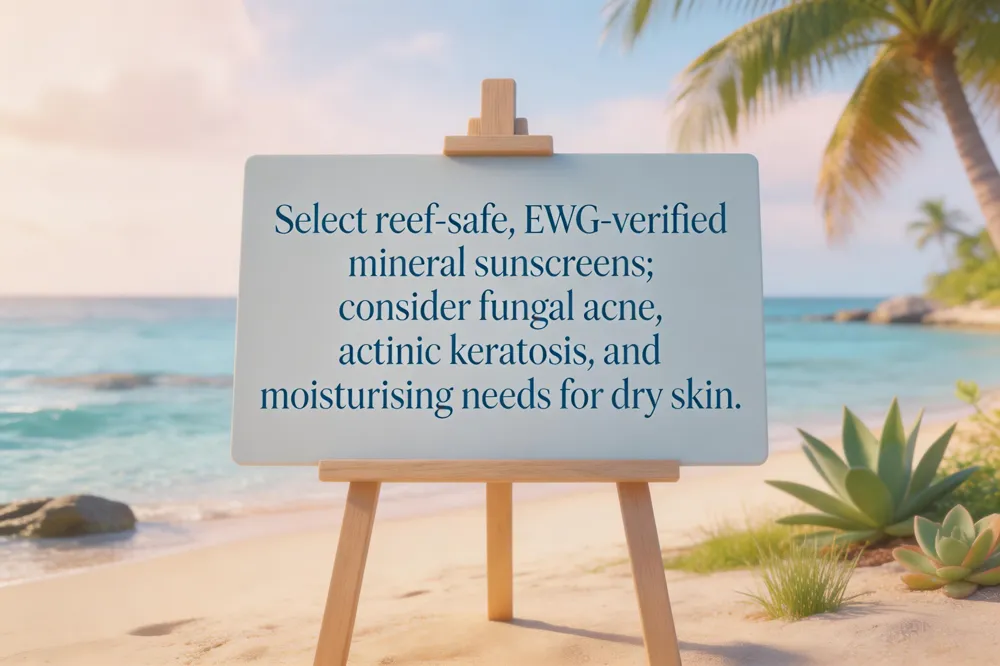
Fungal acne considerations Fungal acne (Malassezia folliculitis) can be aggravated by heavy, oily formulas. Choose a lightweight, non‑comedogenic sunscreen that is fragrance‑free and contains mineral filters (zinc oxide or titanium dioxide). Such products provide UV protection without feeding the fungus.
Reef‑safe and EWG‑verified choices Prefer mineral sunscreens that avoid oxybenzone and octinoxate, both flagged by the Environmental Working Group for hormonal disruption and coral reef damage. Products labeled “EWG Verified®” or “reef‑safe” typically contain zinc oxide or titanium dioxide and meet strict safety criteria.
Application timing and reapplication For optimal efficacy, apply sunscreen 15 minutes before exposure. Reapply every two hours, and after swimming, sweating, or towel‑drying. Consistent use is the most important factor in preventing skin damage.
Best sunscreen for sensitive skin eczema A fragrance‑free, broad‑spectrum mineral sunscreen with SPF 30+ (e.g., EltaMD UV Clear SPF 46, La Roche‑Posay Anthelios Mineral SPF 50, Vanicream Sun Screen SPF 30) protects the barrier without irritation.
Can I put sunscreen on my fungal acne? Yes—use a non‑oily, fragrance‑free mineral sunscreen to avoid exacerbating fungal growth while still shielding skin from UV rays.
What is the best sunscreen for solar keratosis? Eucerin Sun Actinic Control MD SPF 100 offers high‑SPF protection to help prevent actinic keratosis and non‑melanoma skin cancer.
Sunscreen harmful ingredients checker Online checkers flag oxybenzone, octinoxate, avobenzone, homosalate, and PABA (https://www.ewg.org/sunscreen/), guiding you toward safer mineral alternatives.
Safe sunscreen ingredients The FDA classifies only zinc oxide and titanium dioxide as GRASE (https://www.ewg.org/sunscreen/). Choose products with these filters and avoid controversial chemicals.
How to choose sunscreen for dry skin Select a moisturising, broad‑spectrum sunscreen with SPF 30+ that includes hydrating agents like glycerin, hyaluronic acid, or ceramides (https://www.allure.com/gallery/best-sunscreen-for-oily-skin) and opt for a cream or lotion texture.
Practical Sun‑Safety Practices and Lifestyle Integration
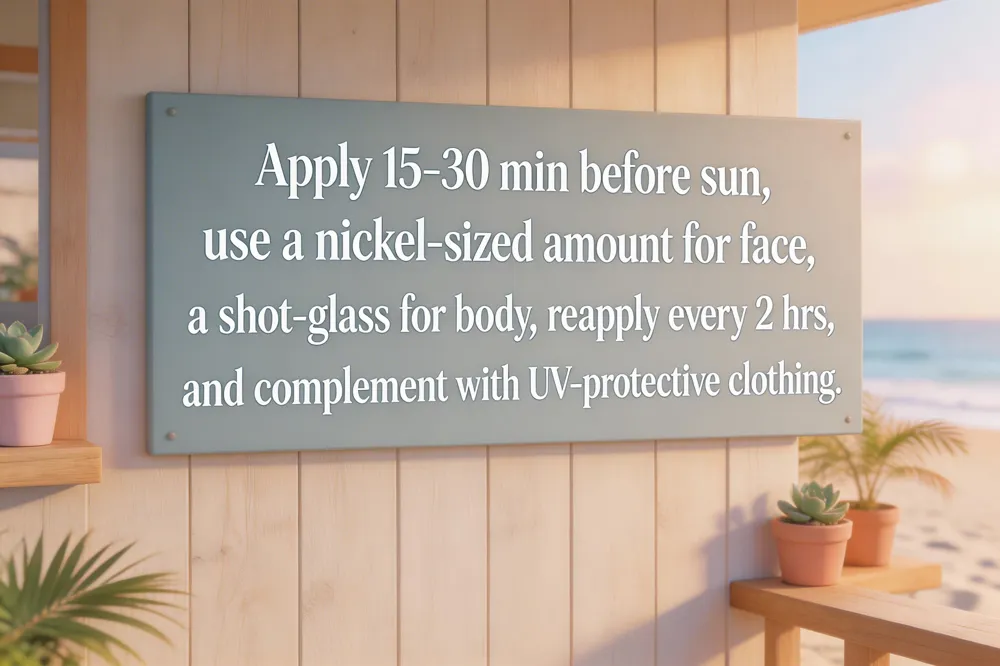 Apply sunscreen 15–30 minutes before stepping outside. Use a nickel‑sized dollop for the face and neck (≈¼ tsp) and a full ounce (shot‑glass) for the entire body, spreading evenly over often‑missed spots such as ears, back of the neck, tops of the feet and scalp. Reapply at least every two hours (https://www.ewg.org/sunscreen/) and immediately after swimming, sweating, towel‑drying, or any rubbing that may remove product. Water‑resistant formulas protect for 40 or 80 minutes, but they are not waterproof; a fresh layer is required after any water exposure. In your morning routine, place sunscreen as the final step after cleanser, serums and moisturizer, before makeup. Apply sunscreen as the final step of a morning routine. Complement sunscreen use with shade, UV‑blocking clothing, wide‑brimmed hats, sunglasses and UPF‑rated garments to minimize cumulative UV exposure throughout daily life, even on cloudy days.
Putting It All Together for Healthy, Protected Skin
Choosing the right sunscreen begins with understanding your skin’s unique needs. Fair skin benefits from SPF 30‑50+ broad‑spectrum formulas, while oily or acne‑prone types thrive on oil‑free, non‑comedogenic textures that contain zinc oxide or titanium dioxide. Sensitive or rosacea‑prone skin should avoid fragrance, alcohol, and harsh preservatives, opting for mineral‑based, hypoallergenic options with calming agents such as niacinamide or bisabolol. Once the perfect product is identified, make sunscreen the final step of your morning routine, applying one‑nickel sized amount to the face and a shot‑glass full for the body at least 15 minutes before sun exposure. Reapply every two hours, or sooner after swimming, sweating, or towel‑drying, and pair the regimen with shade, UV‑blocking clothing, hats, and sunglasses for comprehensive protection. Consistent use supports the skin’s barrier, reducing inflammation and preventing photo‑aging.