Why a Spring Refresh Matters
Winter’s cold, low‑humidity air and indoor heating strip moisture, weakening the skin’s barrier and increasing transepidermal water loss. This leads to dryness, flakiness, heightened sensitivity, and a dull, congested complexion. In spring, rising humidity and UV exposure revive the barrier but also stimulate oil production, so the routine must balance hydration with lightness. The spring refresh aims to repair the barrier with ceramides, hyaluronic acid, and niacinamide; gently exfoliate winter buildup; introduce antioxidant serums; and lock in protection with broad‑spectrum SPF. Together, these steps restore radiance, prevent breakouts, and prepare skin for seasonal changes throughout the year.
Assessing Winter Damage and Planning the Spring Reset
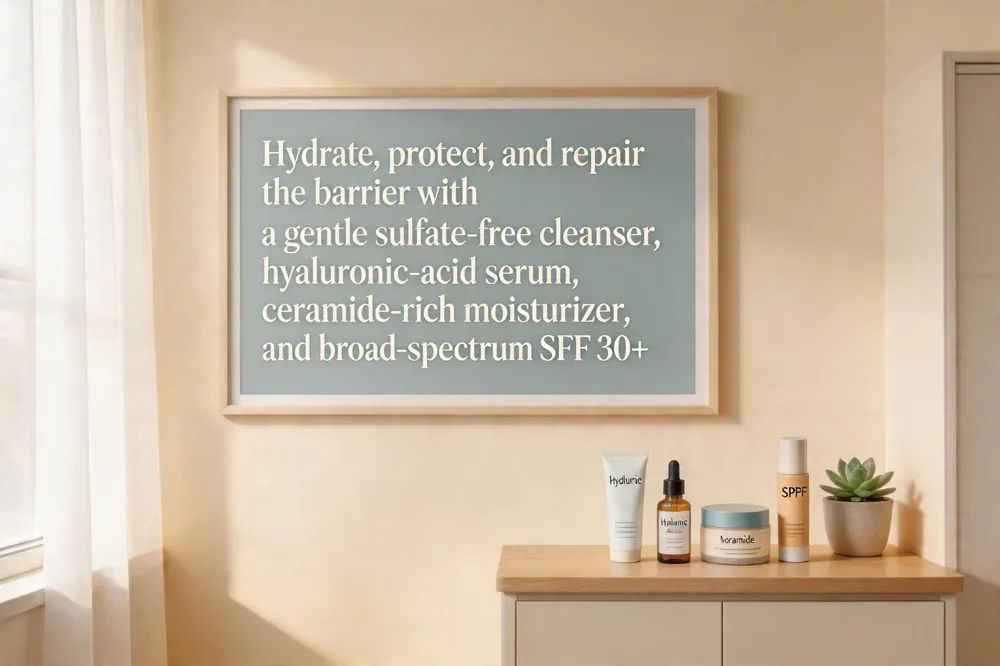 Winter in Glenview, IL brings sub‑20 °F nights, indoor heating, and indoor humidity often below 30 %, which strips the lipid barrier and triggers transepidermal water loss. The result is the classic “winter uglies”—dry, flaky patches, dull tone, and irritated eyes. To prevent these issues, start with a gentle, sulfate‑free cleanser that respects the acid mantle, then layer a hydrating serum (hyaluronic acid or glycerin) to attract water. Seal the moisture with a richer, cream‑based moisturizer that contains ceramides, niacinamide, and fatty acids, applying while the skin is still damp. Finish every morning with a broad‑spectrum SPF 30+ sunscreen—even on cloudy days—because UVA penetrates clouds and can accelerate photo‑aging.
Winter beauty tips reinforce barrier repair: use a humidifier to raise indoor humidity, keep showers short and lukewarm, and avoid harsh scrubs. A nightly barrier‑repair protocol—ceramide‑rich night cream plus a soothing oat or oat‑based mask—helps calm sensitive skin that may become tight, itchy, or red. For those with heightened sensitivity, fragrance‑free, alcohol‑free cleansers and a lip balm with SPF are essential.
Addressing the “winter uglies” means consistent hydration, antioxidant protection (vitamin C serums), and gentle exfoliation 1‑2 times weekly to remove dead cells without compromising the barrier. Personalized care from On The Spot Dermatology in Glenview can fine‑tune product choices based on your skin type, local climate, and any underlying conditions such as eczema or rosacea, ensuring a smooth transition into a radiant spring complexion.
Gentle Cleansing and Exfoliation for a Fresh Start
 Transitioning from winter’s heavy, occlusive products to a spring‑ready regimen begins with a lighter cleanser. Replace thick cream or milk cleansers with a gentle foaming or gel formula that contains soothing actives such as salicylic acid, niacinamide, or panthenol. These ingredients dissolve excess oil and sweat while preserving the skin’s natural barrier, making them ideal for both acne‑prone and dry‑skin types.
Mild chemical exfoliation should be re‑introduced gradually—1 to 2 times per week for dry skin and up to 3 times for oily or acne‑prone skin. Low‑strength AHAs (lactic or mandelic acid) or BHAs (salicylic acid) dissolve winter‑accumulated dead‑cell debris without the harshness of physical scrubs. This gentle turnover brightens the complexion and prepares the barrier for subsequent hydration.
Acne‑prone skin benefits from a lightweight, oil‑free gel moisturizer enriched with hyaluronic acid and niacinamide. The gel texture supplies moisture without clogging pores, while niacinamide calms inflammation and regulates sebum production. Finish each morning with a non‑comedogenic, broad‑spectrum SPF 30+ sunscreen—ideally a tinted or mineral formula that offers UVA protection on cloudy days.
Dry skin requires a slightly richer, yet still breathable, moisturizer that pairs humectants (glycerin, hyaluronic acid) with barrier‑repair agents (ceramides, panthenol). A soothing serum of vitamin C or niacinamide adds antioxidant protection and reduces lingering irritation. Daily SPF remains essential to shield the newly revealed skin from UV‑induced dehydration.
Top post‑winter products include: a gentle hydrating cleanser (e.g., La Roche‑Posay Toleriane), a hyaluronic‑acid serum (such as The Ordinary Hyaluronic Acid 2% + B5), a gel‑cream moisturizer with niacinamide (Neutrogena Hydro Boost Water Gel), and a lightweight sunscreen with SPF 30‑50 (EltaMD UV Clear). Internal hydration, a diet rich in antioxidants, and a seasonal skin‑check with a board‑certified dermatologist round out a comprehensive spring refresh.
Targeted Treatments: Anti‑Aging, Sun Protection, and Skin‑Type Specifics
 Spring is the perfect time to shift from the heavy, occlusive products of winter to a regimen that supports renewal while protecting the skin from the season’s higher UV load.
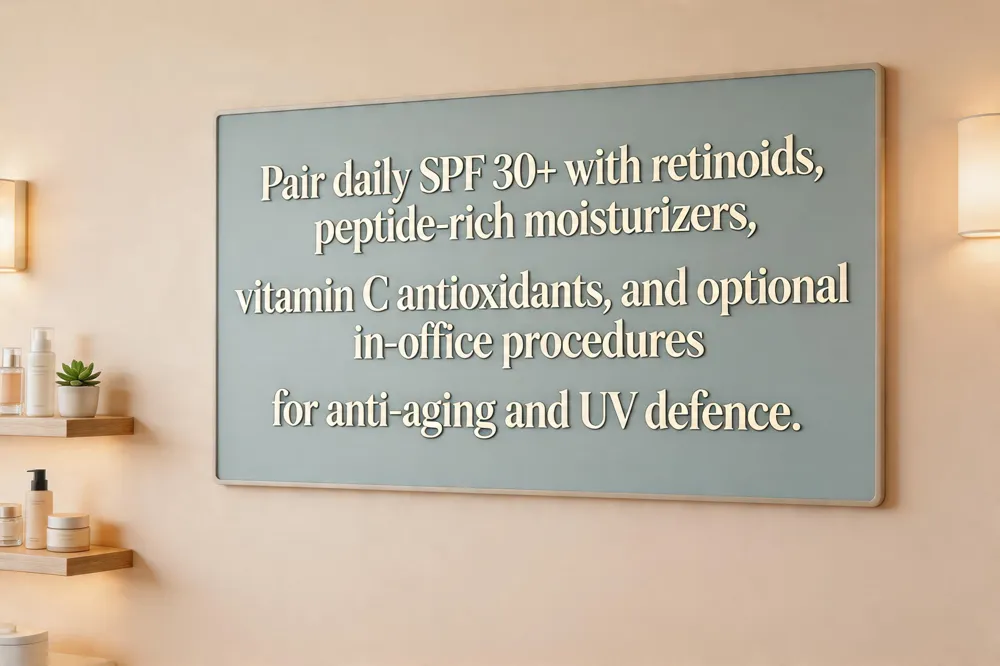
Anti‑aging skin treatment – The most effective anti‑aging strategy blends daily broad‑spectrum sunscreen with at least SPF 30 and scientifically formulated topicals and, when appropriate, in‑office procedures. Retinoids stimulate collagen turnover; peptide‑rich moisturizers reinforce the barrier; antioxidants such as vitamin C neutralize free radicals. Professional options—chemical peels, laser or IPL resurfacing, microneedling, and neuromodulator injections—address fine lines, loss of elasticity, and deeper volume deficits.
SPF importance for all skin types – UVA rays penetrate clouds and windows, making broad‑spectrum sunscreen with at least SPF 30 a non‑negotiable morning step for every skin type. Lighter, non‑comedogenic formulas (gel‑creams, mineral‑based sticks) sit comfortably under makeup and prevent the congestion that heavy winter creams can cause in the more humid spring air.
Women’s specific concerns – Hormonal fluctuations, pregnancy‑related hyperpigmentation, and age‑related texture changes often require a tailored approach. A gentle cleanser followed by a serum containing niacinamide, hyaluronic acid, or vitamin C addresses uneven tone and fine lines, while a lightweight gel‑cream moisturizer maintains hydration without clogging pores. Regular dermatology visits allow for personalized adjustments, including prescription‑strength retinoids or targeted laser therapy for stubborn spots.
Professional dermatologist guidance – A board‑certified dermatologist can evaluate how local climate (e.g., Glenview’s rising humidity) and individual skin type interact, then recommend a customized mix of at‑home products and in‑office treatments. Options such as hydration‑focused facials, barrier‑repair protocols or gentle chemical peels can accelerate the spring reset, ensuring the skin stays supple, protected, and radiant throughout the season.
Barrier Support, Hydration, and Lifestyle Practices
 Timing of moisturizer application – Apply a moisturizer while the skin is still damp after cleansing. The classic "3‑minute moisturizer rule" advises you to seal in moisture within three minutes of stepping out of the shower, when the stratum corneum is most receptive. Although recent studies show modest differences with delayed use, the rule remains a handy cue for optimal barrier repair.
3‑minute vs 3‑second rule – The "3‑second rule" pushes the next step (serum, gel, or moisturizer) onto the skin within seconds of cleansing. This rapid sealing prevents rapid transepidermal water loss and enhances the penetration of hyaluronic‑acid serums and lightweight gels. Both rules aim to lock in hydration before the skin dries.
Preventative skincare habits – A gentle, fragrance‑free cleanser followed by a lightweight, barrier‑supportive moisturizer (ceramides, squalane, niacinamide) creates a resilient base. Antioxidant serums (vitamin C, ferulic acid) neutralize UV‑induced free radicals, while daily broad‑spectrum SPF 30+ protects against photoaging. Regular hydration, balanced nutrition, and stress management further reinforce skin health.
Transitioning from winter to spring – Swap heavy occlusive creams for water‑based moisturizers with hyaluronic acid or glycerin. Incorporate gentle chemical exfoliation (AHA/BHA 1‑2 times/week) to clear winter buildup, and consider professional facials or light peels for deeper renewal. Personalized guidance from a board‑certified dermatologist ensures the regimen matches your skin type, lifestyle, and local climate.
Personalized Care, Professional Options, and Regional Expertise
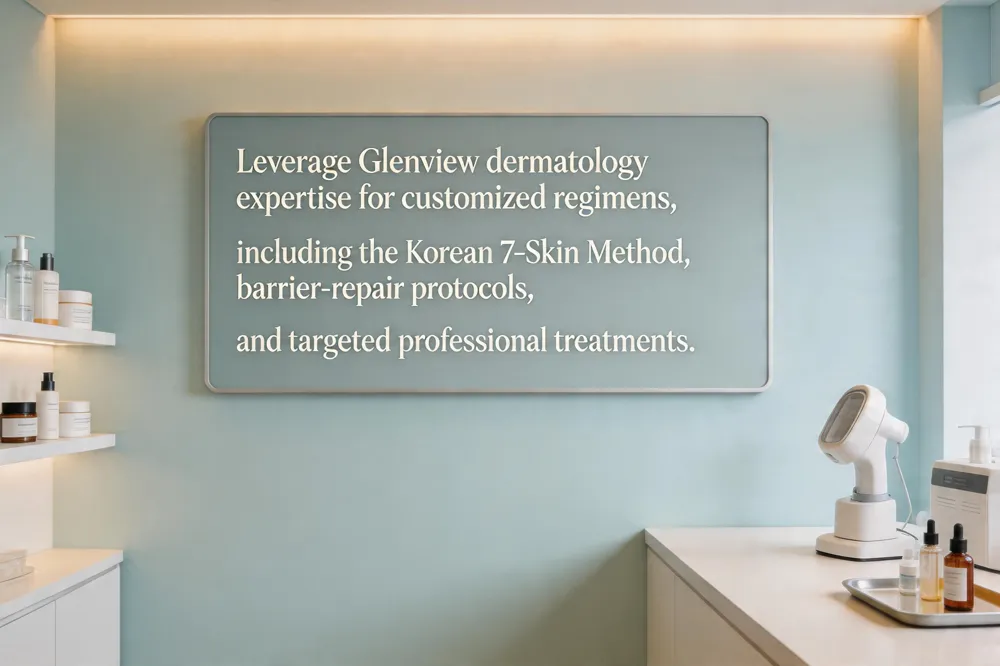 Transitioning from winter to spring in Glenview requires a tailored approach that blends professional expertise with proven home techniques. At On The Spot Dermatology, board‑certified dermatologists offer customized facial treatments, barrier‑repair protocols, and personalized product selections that address the local climate’s low‑humidity winter residue and the upcoming rise in UV exposure. One at‑to‑home method gaining popularity is the Korean 7‑Skin Method: a sequence of up to seven thin toner applications, each patted in until fully absorbed, which reinforces the skin barrier and maximizes hydration before serums and moisturizers are layered. Choosing effective skin‑care products hinges on ingredients such as hyaluronic acid, ceramides, niacinamide, and vitamin C, paired with non‑comedogenic, fragrance‑free formulas suited to your skin type. Our specialists can evaluate your concerns, recommend the right actives, and integrate the 7‑Skin Method into a spring routine that delivers a radiant, protected complexion throughout the season and beyond for lasting results today.
Your Spring Skin Journey Starts Now
Spring brings higher humidity, more sun and renewed oil production, so it’s time to swap heavy winter creams for lightweight, humectant‑rich moisturizers, switch to gentle foaming or gel cleansers, and re‑introduce mild chemical exfoliation 1–2 times weekly. Daily broad‑spectrum SPF 30+ remains non‑negotiable, while antioxidant serums protect against UV‑induced free radicals. Because individual skin type, climate and lifestyle vary, a personalized assessment can pinpoint the right barrier‑repair ingredients, retinoid schedule and targeted treatments such as hydration‑focused facials or laser resurfacing. Embrace a long‑term mindset: consistent care, seasonal tweaks, and regular dermatologist visits keep your skin resilient and radiant year after year.