A Noninvasive Option for Thinning Hair
Gradual hair thinning can have several causes, and the right response depends on identifying what is happening. Low-level light therapy (LLLT), also called photobiomodulation, is a noninvasive option studied mainly for androgenetic alopecia, or pattern hair loss. It uses low-intensity light directed at the scalp, but it is not a guaranteed solution or a substitute for a dermatology assessment. A review of research describes promising findings while noting that devices and study results vary (review of LLLT for androgenetic alopecia).
At On The Spot Dermatology, care is personalized by skilled healthcare providers, an important starting point when thinning may reflect different underlying conditions. This article looks at how LLLT is thought to work and what research can and cannot establish, including who might consider it and how to assess a device. It also covers treatment schedules, possible side effects, and costs, so readers can weigh the time and expense against realistic expectations.
What Low-Level Light Therapy Is
Low-level laser therapy (LLLT), also called low-level light therapy or photobiomodulation, is a noninvasive approach that directs low-intensity red or near-infrared light at the scalp. The terms are often used interchangeably, though the name alone does not identify a device’s light source, design, or treatment schedule. For an overview of this approach, see low-level light therapy for androgenetic alopecia.
Home-use systems include combs, caps, helmets, and other devices designed to place light over the scalp. They can differ in wavelength, light delivery, scalp coverage, and recommended use. As a result, evidence about one device or protocol does not automatically apply to every product marketed as LLLT. A dermatologist can help assess device claims in the context of a patient’s diagnosis and treatment options, including the guidance in choosing a hair restoration treatment.
Research has focused mainly on androgenetic alopecia, commonly called pattern hair loss. LLLT is not an established treatment for every cause of thinning, so identifying what is driving hair loss matters before choosing a device. At otsdermatology.com, care is provided by dermatology professionals who can help patients consider treatment options in light of their skin and hair health.
How might the light affect hair growth? Researchers propose that follicle cells absorb the light, which may influence cellular energy processes and the hair-growth cycle. The precise mechanism in human scalp follicles is not fully established, so this explanation should be understood as a proposed biological effect, not a guaranteed result. Clinical evidence and response can vary by device and person.
What Research Shows About Results
 Does low-level laser therapy help treat hair loss? Research suggests it may help some people with pattern hair loss, also called androgenetic alopecia, but it is not a guaranteed regrowth treatment. A systematic review and meta-analysis of seven randomized, sham-controlled trials found increased measured hair density with the home-use devices studied.
That finding does not mean every user will see a clear cosmetic difference. A change in hair counts or density may be too subtle to notice, and trial results do not establish that LLLT can restore substantial density in every person. The research review of LLLT for androgenetic alopecia notes that some studies found measured changes without a prominent difference in overall appearance.
A separate 2025 review also reported improved hair density for androgenetic alopecia, but found substantial variation among studies. Devices, light delivery, treatment schedules, participant groups, and methods differ, so results from one product cannot be assumed to apply to all light-based devices. FDA clearance is specific to a device and intended use, not a promise of visible regrowth.
The evidence is encouraging, but follow-up in many studies has been limited, leaving long-term effectiveness and how long any benefit lasts after treatment stops uncertain. A dermatologist at On The Spot Dermatology can assess the cause and pattern of hair loss, then discuss whether LLLT fits an individualized plan, including how it might relate to established options such as minoxidil.
Who May Consider LLLT
Adults with androgenetic alopecia, also called pattern hair loss, are the group most studied for low-level light therapy (LLLT). Clinical research has included both men and women, but findings from particular devices do not guarantee that another device, or an individual patient, will respond in the same way. A review of LLLT for androgenetic alopecia describes the evidence in this population and notes limits in the available research.
Some people may consider LLLT if they prefer a noninvasive option, cannot tolerate standard treatments, or have not had enough benefit from them. It may be discussed on its own or alongside treatments such as topical minoxidil, depending on the person’s health history and care plan. It should not be presented as a guaranteed substitute for established treatment or as a promise of regrowth.
The treatment is intended to affect follicles that are still present. It should not be expected to restore hair where follicles are absent or extensively miniaturized. Hair loss can also result from inflammatory or scarring conditions, which have different causes and are not interchangeable with pattern hair loss. A dermatologist’s assessment before buying a laser cap can help identify the cause and whether a light device is a reasonable option.
At otsdermatology.com, personalized care is part of the practice’s approach; choosing a hair-restoration option likewise calls for an assessment of diagnosis, pattern and severity, medical history, and goals. The practice’s overview of hair restoration treatment options provides related context. Suitability also depends on the specific device and its evidence, so discuss realistic expectations and alternatives with a dermatology provider.
Choosing a Device Carefully
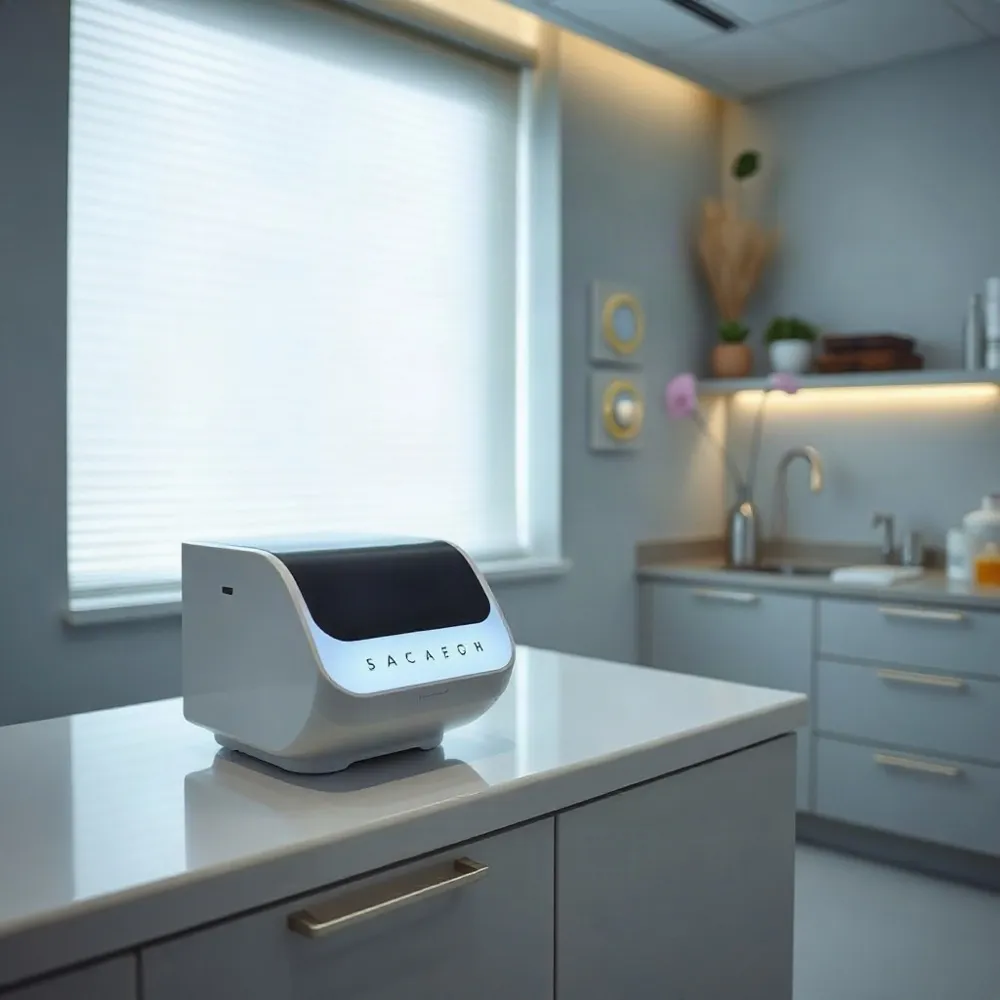 At-home low-level light therapy devices include laser combs, caps, and helmets. Some may modestly improve hair density in people with pattern hair loss, but results from one device do not establish that other products will work as well. A dermatologist at otsdermatology.com can assess the cause and extent of thinning before you invest in a device.
Several factors may affect how much light reaches the scalp, including wavelength, delivered energy, session length and frequency, distance from the scalp, scalp coverage, and device design. Hair density and pigmentation may also influence delivery. Device studies and protocols vary, so research on low-level light therapy does not support assuming that every product produces the same result.
More diodes, brighter-looking light, a higher price, or a label such as “laser” or “LED” does not independently prove better performance. Direct comparisons between devices remain limited. Treat testimonials and before-and-after images as marketing, not as substitutes for controlled human research.
Some hair-growth devices use the FDA 510(k) premarket notification pathway. FDA clearance is not the same as approval of a treatment as a cure, and it does not guarantee noticeable regrowth. Clearance applies to a specific device and intended use, so check that the product’s cleared indication matches your situation. The FDA’s device classification information can help explain how device regulation works.
Before buying, look for controlled studies of the specific device and consider whether the participants had a hair-loss type and severity similar to yours. Weigh the evidence against both the purchase price and the time required for repeated sessions. Benefits may depend on consistent use, and ongoing treatment may be needed to maintain them.
Follow the manufacturer’s instructions, including any eye-safety warnings, and do not look directly into the light. Ask a dermatologist before use if you have a scalp lesion, a relevant medical condition, or concerns about photosensitivity or medications. At otsdermatology.com, personalized dermatology care can help patients discuss whether light therapy fits their diagnosis and treatment goals.
Treatment Schedules and Expected Timing
 How often must low-level laser therapy be used, and how long might it take to see results? The answer depends on the device and the treatment plan. Research protocols have often used sessions several times a week, but schedules and session lengths differ across products and studies. Follow the instructions for your specific device and your dermatologist’s guidance rather than borrowing a routine used with another product. The clinical review of low-level light therapy describes this variation and notes that treatment schedules should reflect the device studied.
Hair changes are gradual, and early differences may be subtle or difficult to separate from normal day-to-day variation. Consistent use for several months may be needed before hair-density changes can be assessed, and some people may not respond. At On The Spot Dermatology, personalized care from healthcare providers can help place LLLT within a plan suited to the person’s hair-loss pattern and goals, rather than treating a device schedule as a one-size-fits-all prescription.
Repeated use may be needed to maintain any benefit. However, evidence about how long improvements last after treatment stops remains limited, so long-term expectations are uncertain. Discuss the ongoing time commitment, follow-up, and other treatment options with a dermatologist. On The Spot Dermatology’s focus on personalized skin health and aesthetic care supports reviewing progress and adjusting a plan as an individual’s needs become clearer.
Safety and Possible Side Effects
What side effects or risks are associated with low-level laser therapy for hair loss? Available studies generally report favorable short-term tolerability, with few significant treatment-related problems. That does not establish that every device is safe for every person or under every condition.
Some users may experience temporary scalp discomfort, irritation, dryness, or headache. These effects have been reported, but their likelihood and duration are not well established. Follow the device’s instructions, and ask a dermatologist about symptoms that persist or worsen. A review of low-level light therapy also notes that evidence about long-term safety remains limited.
Read the manufacturer’s safety directions before starting treatment, including any instructions about eye protection. Check warnings related to photosensitivity, medications, or medical conditions, and discuss questions with a clinician rather than assuming that a home-use device is suitable.
A separate precaution concerns suspicious lesions on the scalp. Because light therapy may affect cell activity, reviews advise clinical assessment of dysplastic or potentially malignant lesions before use. This is a reason to seek an evaluation, not evidence that LLLT causes cancer. If you have a history of skin cancer on your scalp, head, or neck, consult your dermatologist before using a device.
At On The Spot Dermatology, a clinician can assess hair loss and review relevant scalp or health concerns before treatment is considered. An individualized discussion can help determine whether LLLT is appropriate and how to use it with the precautions that apply to you.
Cost and Treatment Planning
How much does low-level laser therapy for hair loss typically cost? Home-use devices generally range from about $200 to $3,000, though prices vary by device type and features and can change. Options include combs, brushes, headbands, caps, and helmets. A higher price or larger device does not, on its own, show that it will work better.
In-office treatment costs vary by provider, treatment plan, and number of sessions, so there is no single standard price. Ask for a personalized estimate before starting. A dermatology evaluation can also help determine whether the device’s evidence applies to your hair-loss type and whether light therapy fits your goals. On The Spot Dermatology offers personalized care, so a treatment discussion can take your individual skin and health needs into account.
Budget for more than the purchase price. Home devices require repeated sessions, and continued use may be needed to maintain any benefit. Consider whether the schedule is realistic for you, as well as the ongoing time and cost. Device designs and protocols vary, so compare the evidence for the specific product rather than relying on marketing claims or price alone. The home-use device review describes differences in formats, treatment schedules, and costs across products.
For an overview of hair-restoration choices and planning, see Choosing the Best Hair Restoration Treatment for You.
LLLT Alongside Established Treatments
Low-level light therapy (LLLT) may be considered alongside other options for pattern hair loss, but it should not replace appropriate medical care. Topical minoxidil and finasteride have more extensive clinical histories and established roles in androgenetic alopecia. A dermatologist can assess the cause of thinning and discuss which treatments fit a patient’s health, preferences, and goals. Established hair-loss treatments remain part of that conversation.
Evidence on adding LLLT to minoxidil is mixed. Recent meta-analyses reached different conclusions about whether the combination improves measured hair density or thickness compared with minoxidil alone. Even when a study finds a measurable change, the extra visible benefit for an individual cannot be predicted reliably. Differences in devices, treatment schedules, and study methods make direct comparisons difficult.
Evidence for combining LLLT with finasteride is less established. Hair transplantation may also be an option for selected patients, but LLLT should not be presented as equivalent to surgery or as a guarantee of better surgical results. At On The Spot Dermatology, personalized care from healthcare providers provides a setting to discuss treatment choices in light of diagnosis, suitability, cost, and expectations.
A light-based device should not delay evaluation, especially when the cause of hair loss is uncertain or thinning is progressing. A clinician can help determine whether LLLT has a reasonable role as an adjunct or whether another treatment plan is more appropriate.
Make an Informed, Personalized Choice
Low-level light therapy may modestly improve hair density for some people with pattern hair loss, but results vary. A measured change does not always create a noticeable cosmetic difference, and how long any benefit lasts after treatment stops remains uncertain. Research supports considering LLLT as one option, not a guaranteed route to regrowth.
A dermatology assessment can help identify the cause of thinning and guide a plan that may include established treatments or LLLT as an adjunct. At On The Spot Dermatology, care is personalized by skilled healthcare providers in Glenview, Illinois. Before starting a device, review evidence for that product, its instructions, ongoing time and cost, and whether its intended use fits your diagnosis with a clinician.
The clinical review of LLLT for pattern hair loss describes potential benefits alongside limits in the evidence, including uncertain long-term outcomes.