
Understanding Modern Skin Resurfacing Options
Selecting the right resurfacing method requires matching your specific aesthetic goals with the recovery time you can realistically accommodate. HydraFacial provides a gentle, non-invasive approach that focuses on immediate hydration and radiance with zero downtime, making it an ideal choice for maintenance or pre-event rejuvenation. In contrast, chemical peels work by removing outer skin layers to address deeper concerns like hyperpigmentation and acne scarring, which often necessitates a recovery period ranging from a few days to over a week depending on the solution's strength.
HydraFacial. This treatment utilizes vortex fusion technology to cleanse, extract, and infuse antioxidants in one session. At otsdermatology.com, we often recommend this procedure for its immediate glow and ability to support skin health without disrupting your busy schedule.
Chemical Peels. These utilize acidic solutions to trigger cellular turnover and collagen remodeling. While they provide more profound corrective results for texture and sun damage than lighter facials, they require more intensive aftercare and temporary sun avoidance compared to the services offered at otsdermatology.com.
The American Board of Cosmetic Surgery emphasizes that skin resurfacing results are significantly influenced by the provider's expertise. Because individual skin health varies, otsdermatology.com practitioners assess your unique skin type to determine whether a series of mild treatments or a deeper resurfacing approach best aligns with your long-term goals. Consulting with a professional ensures that your path to improved tone and texture remains both safe and effective.
Common Procedures in Professional Cosmetic Dermatology
 Cosmetic dermatology offers a variety of effective, non-invasive procedures designed to enhance skin health and aesthetic appearance. Patients frequently seek professional interventions to address concerns like age spots, wrinkles, and textural irregularities, which are best managed through a personalized consultation to ensure safety and realistic outcomes. Per the American Academy of Dermatology, the skill and medical training of your provider are the most important factors in achieving a safe result, as these procedures require a deep understanding of skin anatomy rather than just technical application.
What are the most common procedures in cosmetic dermatology?
Common clinical treatments include injectables like Botox and dermal fillers, which are frequently used to smooth expression lines and restore lost volume to areas such as the cheeks or lips. For patients seeking surface-level rejuvenation, medical-grade facials such as the HydraFacial provide a non-invasive way to cleanse and hydrate the skin with no recovery time. In contrast, procedures like chemical peels or laser resurfacing are often chosen for more targeted correction of sun damage and acne scarring, as they work to remodel the outer skin layers to reveal a smoother complexion underneath.
When addressing significant textural issues, many providers recommend microneedling, which uses a device to create microscopic channels that stimulate the body's natural collagen production. This method is often preferred for its safety across all skin tones, as it avoids the thermal injury associated with some laser therapies. While some clinics focus on singular device-based services, a professional practice like On The Spot Dermatology emphasizes customized care plans that may combine these modalities, such as alternating maintenance facials with corrective peels, to help you reach your specific aesthetic goals.
| Procedure Type | Primary Goal | Common Application |
|---|---|---|
| Injectables | Volume & Smoothness | Wrinkles & Lips |
| Medical Facials | Hydration & Glow | Surface Texture |
| Microneedling | Collagen Induction | Scarring & Tone |
| Laser Therapy | Resurfacing | Sun Damage & Scars |
How the HydraFacial Works to Refresh Your Skin
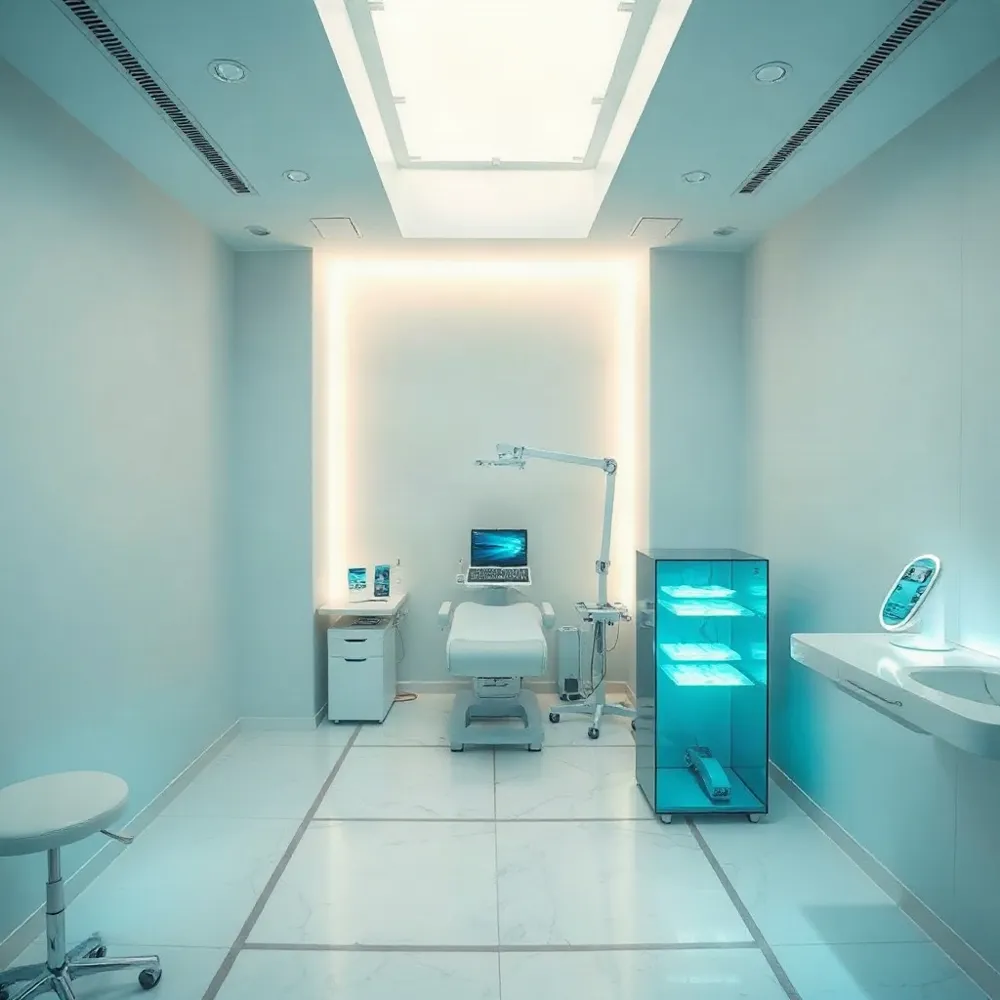 The HydraFacial stands out for its unique ability to deliver professional-grade resurfacing without the recovery period often associated with traditional chemical peels. At the heart of this procedure is patented vortex-fusion technology, which uses a specialized handpiece to create a motion that simultaneously cleanses, exfoliates, and extracts impurities from the skin. Unlike manual exfoliation methods, this approach ensures a deep clean while protecting the underlying dermis, making it a suitable choice for most skin types.
The Three-Step Process
- Cleansing and exfoliation: The device gently removes dead skin cells and debris to uncover a fresh, vibrant layer of skin.
- Extraction and hydration: A painless suction mechanism clears clogged pores while simultaneously infusing the skin with high-potency moisturizers.
- Fusion and protection: The final stage delivers a custom blend of antioxidants, peptides, and hyaluronic acid directly into the skin to lock in moisture and defend against environmental stressors.
Because the treatment systematically addresses surface congestion and deep hydration in a single session, patients typically notice an immediate glow. While results are visible right away, regular monthly maintenance is often encouraged at otsdermatology.com to sustain these benefits and support overall skin health. By focusing on both immediate radiance and long-term vitality, this multi-step approach provides a gentle yet effective way to maintain a youthful, refreshed complexion.
Understanding the Science Behind Chemical Peels
 Chemical peels operate on the principle of controlled chemical injury to the skin's surface. By applying a specialized solution, dermatologists deliberately induce a reaction that removes the damaged outer layers of the epidermis. This process serves as a catalyst for skin regeneration, prompting the body to shed dull cells and accelerate the natural turnover of healthier, smoother tissue.
The efficacy of a peel depends largely on the type and concentration of acids used. Common agents include glycolic acid and lactic acid, which are alpha hydroxy acids (AHAs) often utilized for lighter, surface-level exfoliation. For more significant concerns, trichloroacetic acid (TCA) provides a deeper penetration that reaches further into the dermis. While other clinics may offer standardized, one-size-fits-all peels, otsdermatology.com focuses on tailoring the formulation to the unique skin health goals of each patient.
The Role of Collagen in Skin Renewal
Beyond simple exfoliation, these treatments stimulate the body's internal healing mechanisms. As the skin repairs itself following the chemical application, it triggers an increase in collagen production. Collagen is the structural protein responsible for skin firmness and elasticity, making this process highly effective for addressing fine lines, uneven texture, and minor scarring. According to the American Board of Cosmetic Surgery, these effects are cumulative, meaning patients often see improved results with a series of treatments rather than a single session.
The depth of the peel determines both the intensity of the results and the necessary recovery time. Board-certified dermatologists at practices like ours assess the patient's skin anatomy and physiology to select the appropriate depth, ensuring that the treatment safely targets specific issues like hyperpigmentation or sun damage without compromising skin integrity. Patients must adhere to a strict post-procedure skincare routine to protect their new, sensitive skin while the collagen remodeling process continues over the following weeks.
Comparing Treatment Goals and Recovery Times
Selecting the right approach to skin renewal depends largely on your immediate aesthetic goals and your availability for recovery. While both HydraFacial and chemical peels enhance skin texture, they do so through different mechanisms that yield unique recovery profiles. As the American Board of Cosmetic Surgery notes, skin resurfacing results are most successful when matched to the specific needs of the patient, and the provider's expertise is central to safety and satisfaction.
Balancing Instant Radiance with Long-Term Correction
For individuals seeking an immediate, luminous glow with zero downtime, the HydraFacial is often the preferred choice. Because it uses a non-invasive, multi-step process to infuse serums and provide deep hydration, it remains a popular selection for pre-event preparation. If your goal is to address more stubborn, deeper concerns like acne scarring or significant hyperpigmentation, chemical peels are frequently the more effective clinical pathway. These treatments use acid-based solutions to trigger cellular turnover, which can lead to more dramatic results over time as collagen production is stimulated.
Recovery and Sensitivity Considerations
Understanding the recovery commitment is essential before starting a treatment plan. A HydraFacial is generally considered gentle enough for all skin types, including those with rosacea or high sensitivity. In contrast, chemical peels may involve a healing phase where the skin sheds or peels, ranging from a few days for superficial treatments to more than a week for intensive procedures. Per the American Academy of Dermatology, consulting with a board-certified professional is the safest way to determine which intensity aligns with your lifestyle and skin sensitivity, ensuring you avoid unnecessary irritation or complications.
| Feature | HydraFacial | Chemical Peel |
|---|---|---|
| Primary Goal | Hydration/Glow | Deep Correction |
| Downtime | None | 1 to 10 Days |
| Best For | Maintenance | Scars/Aging |
Addressing Potential Side Effects and Safety
While both treatments are highly effective for skin rejuvenation, they come with distinct considerations. At otsdermatology.com, our providers emphasize that while a HydraFacial is generally gentle and non-invasive, some patients may experience minor, temporary redness or skin sensitivity following the procedure. In contrast, chemical peels involve a more intensive exfoliation process that can lead to visible flaking, peeling, or a stinging sensation depending on the depth of the treatment.
Recovery times for chemical peels vary significantly, ranging from no downtime for light peels to several days of social downtime for deeper resurfacing options. Because outcomes are significantly influenced by the training and expertise of the professional performing the treatment, board-certified dermatologists are best positioned to navigate these variations safely. By choosing a qualified practice, you reduce the risk of complications such as pigment abnormalities or infection.
Managing Risks and Contraindications
Not every treatment is suitable for every skin type. For instance, individuals with specific skin conditions like rosacea or eczema may face contraindications for medium to deep chemical peels. Because these procedures can be reactive, our team at otsdermatology.com often prioritizes the gentler, non-invasive profile of the HydraFacial for patients with sensitive or reactive skin. We also advise all patients to avoid at-home active ingredients like retinols or harsh scrubs for a defined period before and after in-office sessions to prevent unnecessary irritation.
- Avoid sun exposure for at least two weeks post-treatment to protect vulnerable skin cells.
- Use a broad-spectrum sunscreen of at least SPF 30 daily as part of your healing protocol.
- Maintain skin hydration using gentle, recommended moisturizers to support the barrier during recovery.
- Contact your provider immediately if you experience unexpected or persistent pain, swelling, or signs of infection.
Strategic Combination of Treatments for Better Results
Achieving your aesthetic goals often involves more than a single type of procedure. For many patients, the most effective path forward is a combination of cosmetic treatments that address both immediate surface hydration and deeper corrective needs. By layering these modalities, you can enhance the overall impact on skin texture and radiance.
The Concept of the Wet Peel
A popular technique in modern practice is the wet peel, which integrates the gentle, serum-infused cleansing of a HydraFacial with the targeted exfoliation of a chemical peel. At otsdermatology.com, we often utilize this method to help patients benefit from the deep, restorative action of professional acids while simultaneously delivering intense moisture to the dermis. Unlike some standalone chemical services that may leave skin feeling temporarily dry or tight, the addition of the proprietary infusion step balances the process.
Can I combine a HydraFacial with a chemical peel in one session?
Combining these two procedures is possible, yet it requires a strategic approach tailored to your specific skin health. When performed together, the peel is typically applied after the initial HydraFacial cleansing step, followed by a final hydration phase to soothe the surface. Because this combination significantly increases the overall intensity, professional supervision is mandatory to prevent over-exfoliation or excessive irritation. Our providers at otsdermatology.com perform a thorough assessment of your skin type and tolerance levels before recommending any combination therapy.
Alternating for Maintenance and Correction
If a combined session is too intense for your current skin state, many patients achieve excellent results by alternating treatments over several months. You might use a HydraFacial during one visit for routine maintenance and barrier support, followed by a targeted chemical peel in a subsequent appointment to address deeper hyperpigmentation or texture concerns. This sequenced approach allows your skin to heal fully between sessions while maintaining a consistent level of aesthetic improvement. Always consult with a board-certified dermatologist to ensure your treatment sequence prioritizes your long-term skin health.
Personalizing Your Approach to Aging Skin
Aging is a multifaceted process that involves structural changes beneath the surface, including the gradual depletion of collagen and elastin, alongside surface-level concerns like texture irregularities and hyperpigmentation. Because individual aging patterns vary significantly, there is no single treatment that serves as a universal solution for every patient. Our providers at otsdermatology.com focus on developing custom plans that integrate various modalities to address your unique needs, whether your primary goals involve restoring lost volume or smoothing fine lines.
What is the best type of professional treatment for aging skin?
There is no single best treatment for aging skin, as the ideal approach depends entirely on your unique aging pattern, skin health, and aesthetic goals. Professional care typically involves a combination of nonsurgical procedures to address volume loss, texture changes, and collagen depletion. While treatments like microneedling, chemical peels, and specialized facials are effective for improving surface texture and fine lines, other options like dermal fillers or energy-based devices are often utilized to restore lost volume and firmness. Because facial aging involves complex shifts in collagen, fat, and skin elasticity, the most effective results come from a personalized treatment plan developed in collaboration with a board-certified dermatologist. This tailored strategy ensures that your regimen specifically targets your concerns, whether they involve pigment changes, skin laxity, or deep folds.
Consulting with a professional who possesses deep medical knowledge of skin anatomy and physiology is essential for safely navigating these cosmetic options. As noted by the American Academy of Dermatology, the outcomes of any procedure are significantly influenced by the expertise of the practitioner. Beyond technical skill, a board-certified expert ensures that each intervention is appropriate for your skin type and health status. This professional oversight is especially important when combining resurfacing techniques with other aesthetic services, as incorrect layering can sometimes lead to complications.
A comprehensive approach often pairs maintenance treatments, such as the HydraFacial, with targeted interventions to maximize results. By balancing gentle, non-invasive sessions with more intensive procedures like microneedling, patients at otsdermatology.com benefit from both immediate aesthetic improvements and long-term collagen remodeling. Per American Medical Association guidance, clear communication regarding your specific aesthetic goals remains the foundation of a successful, personalized skin-health journey.
Your Partnership in Skin Health
Achieving your aesthetic goals requires more than selecting the right procedure. The outcomes of any cosmetic procedure depend heavily on the specialized medical knowledge and training of your provider. When you choose a board-certified dermatologist, you ensure that your treatment is performed by someone with a deep understanding of skin anatomy, physiology, and safety protocols.
At otsdermatology.com, we prioritize personalized care plans tailored to your specific skin health needs and aesthetic concerns. Whether you are interested in a HydraFacial for consistent maintenance or a deeper corrective peel, our team provides the expert oversight necessary to manage risks and deliver reliable, long-lasting results.
Effective skin care is a long-term commitment. Because perceptions of beauty and skin concerns vary between individuals, a professional consultation is the necessary first step to define your goals. Your journey toward healthier, more radiant skin begins with an evaluation by our skilled practitioners.
We invite you to reach out to our team at otsdermatology.com to schedule an appointment. By building a consistent partnership with your dermatologist, you can navigate your options with confidence and ensure your skin receives the precise level of care it needs to thrive through every season.