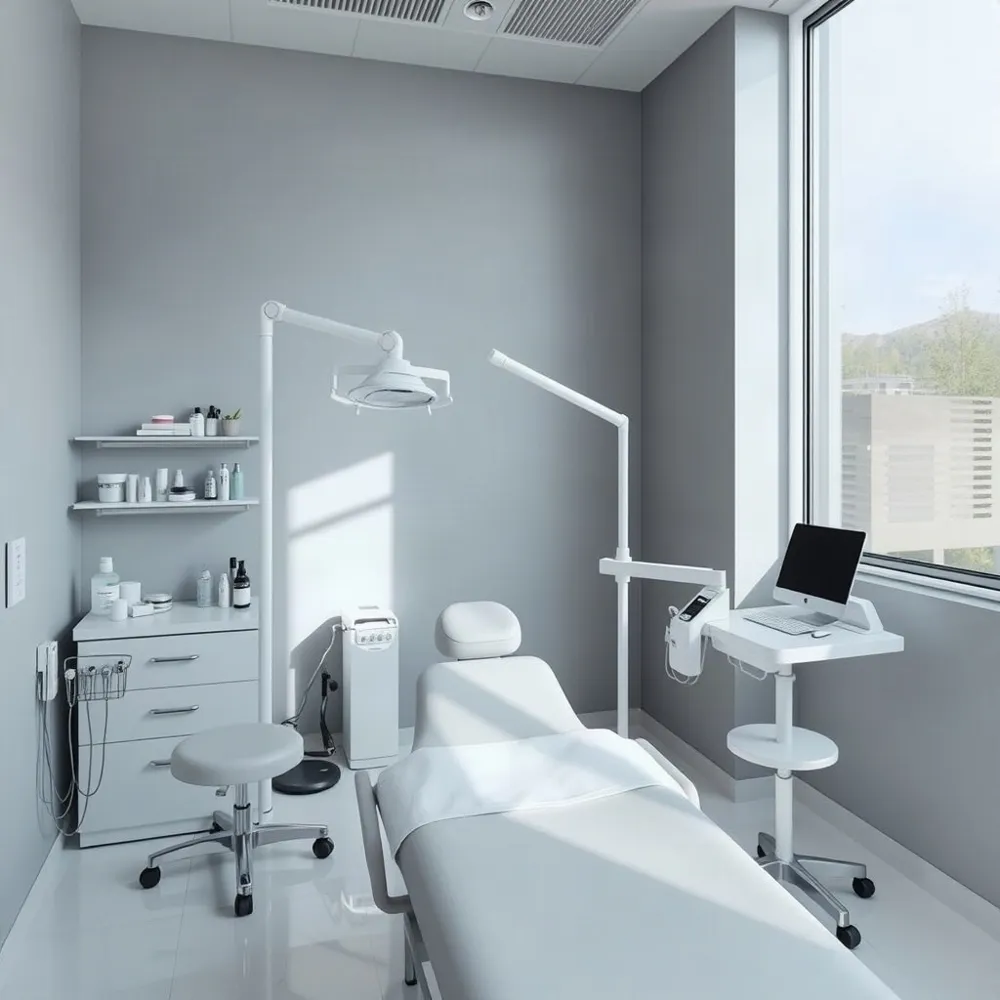
Two Treatments With Different Approaches
A HydraFacial and a chemical peel both exfoliate the skin, but they take different approaches. A HydraFacial combines cleansing and gentle exfoliation with pore extraction and moisturizing serums, while a peel uses a chemical solution to remove skin layers and support renewal. HydraFacial treatment steps and chemical peel depth and effects vary by treatment.
The choice depends on your skin concerns, the depth of treatment being considered, and how much recovery time fits your schedule. A clinician at On The Spot Dermatology can assess your skin and medical history before discussing suitable options.
Neither treatment is universally better. A HydraFacial may suit someone seeking a gentle, hydrating refresh, while a peel may be considered for concerns that call for more targeted resurfacing. Results and recovery differ by individual and treatment, so professional guidance helps set realistic expectations.
How Each Treatment Works
 A HydraFacial combines several steps in one session: cleansing, gentle exfoliation, suction-based removal of pore debris, and infusion of moisturizing serums. Skin may look refreshed soon after treatment, and normal activities can usually resume without visible downtime, according to Healthline’s overview of the procedure.
A chemical peel applies an acid solution to remove outer skin layers and encourage new skin to grow. Light peels work near the surface, medium peels reach further, and deep peels penetrate more substantially. The appropriate formulation and depth depend on skin characteristics and treatment goals, and deeper peels generally involve more healing time, as Mayo Clinic explains.
The treatments have different general aims. HydraFacial may suit dryness, dullness, and clogged pores, while a peel may be considered for uneven tone, acne-related marks, fine lines, or sun damage. These are possible treatment goals, not guaranteed outcomes. Deeper acne scars or significant sun damage may call for other approaches.
At otsdermatology.com, care is personalized by skilled healthcare providers, who can assess skin health and aesthetic goals before discussing options. That assessment matters because skin type, concern severity, and treatment response all affect whether a HydraFacial or a particular peel is appropriate.
For more detail on the treatment steps, see this overview of how a HydraFacial works.
Benefits and Possible Risks
A HydraFacial combines cleansing, gentle exfoliation, pore extraction, and moisturizing serums. It may temporarily leave skin smoother and more refreshed, with less visible congestion, dryness, uneven tone, or fine lines. The treatment process is described by Healthline’s HydraFacial overview, but results vary and it should not be treated as a substitute for medical care for acne or pigmentation.
Even a gentle treatment may cause short-term redness, tightness, irritation, or sensitivity, especially when skin is reactive or a product ingredient does not suit you. Before treatment, tell your provider about skin conditions, allergies, medications, and skincare products you use. At On The Spot Dermatology, care is personalized by skilled healthcare providers, who can consider those factors when assessing whether a cosmetic treatment is appropriate.
Chemical peels remove outer skin layers to address concerns such as fine lines, some acne and mild scarring, uneven tone, sun spots, and rough texture. The possible benefits and recovery depend on peel depth. Temporary redness, dryness, stinging or burning, peeling, and increased sun sensitivity can occur; Mayo Clinic’s chemical peel guidance also describes swelling and possible pigment changes.
Less common but more serious peel risks include infection, scarring, persistent changes in skin color, and cold-sore flare-ups. Pigment changes deserve particular care for people with darker skin tones, as some may develop lasting light or dark areas. A clinician should assess skin characteristics, medical history, and treatment goals before choosing a peel, then explain aftercare, including sun protection. On The Spot Dermatology’s focus on personalized medical and cosmetic skin care supports discussing individual risks and care needs before proceeding.
Choosing According to Skin Goals
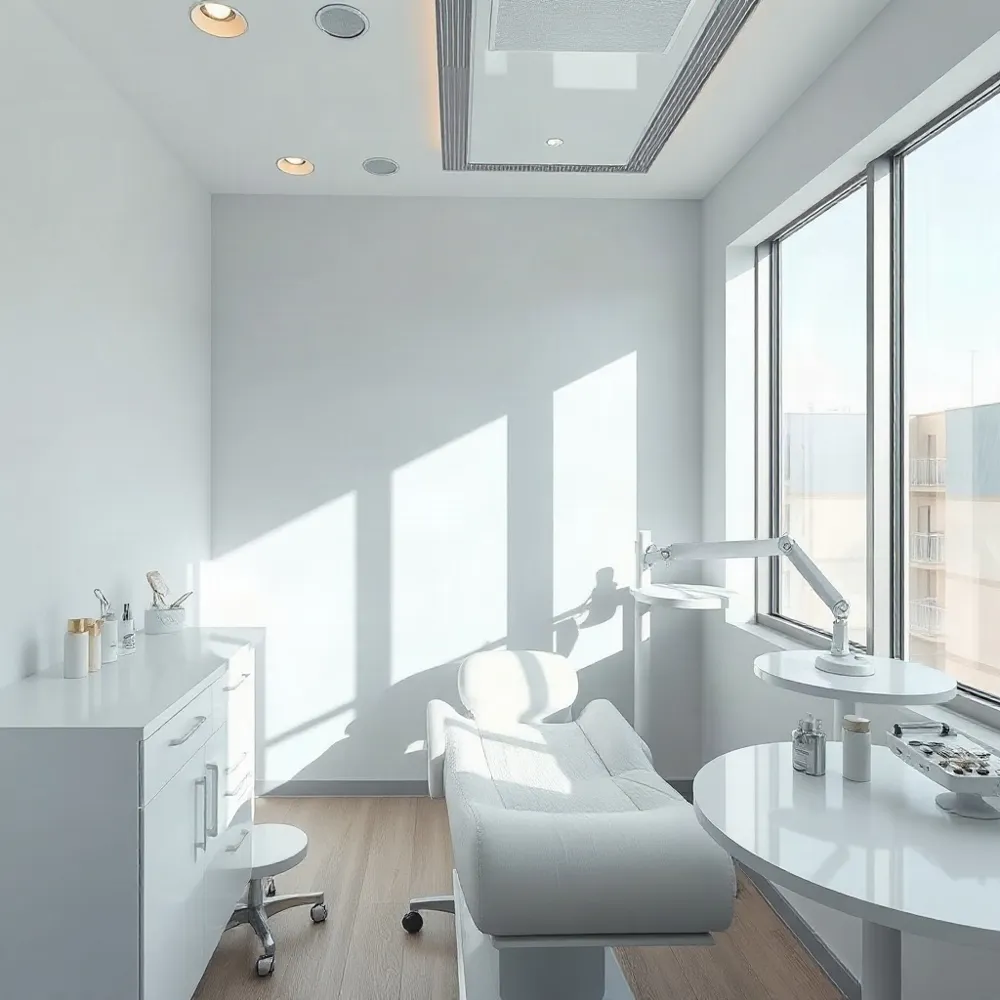 For a gentle refresh, a HydraFacial may suit concerns such as dullness, dehydration, or clogged pores, especially when little downtime is preferred. Its cleansing and suction steps can help clear blackheads by drawing oil and debris from pores. Results vary and may not last, so persistent blackheads or acne are worth discussing with a dermatologist. Learn more about HydraFacial treatment.
A chemical peel may be considered for selected concerns such as uneven tone, sun damage, acne-related discoloration, or rough texture. Its depth affects both the skin concerns it can address and the recovery involved, so a clinician should assess whether a peel is appropriate.
Sensitivity, medical history, and a tendency to develop dark marks after irritation can influence treatment choice. On The Spot Dermatology offers personalized medical and cosmetic skin care in Glenview, where providers can assess skin health, goals, and treatment risks before recommending an approach.
Either option may fit into a broader skin-care plan, but treatments should not be combined or scheduled together without professional guidance. An individualized assessment can help determine which option, if either, fits your skin and recovery preferences. See our comparison of popular skin treatments for more on matching treatments to skin goals.
Preparation Recovery and Aftercare
 What should I expect before and after a HydraFacial or chemical peel? Before either treatment, your provider should review your skin concerns, sensitivities, medications, current products, and recent procedures. At On The Spot Dermatology, personalized care from healthcare providers supports choosing an approach that fits your skin and goals. A HydraFacial involves cleansing, exfoliation, suction-based pore cleansing, and serum infusion; HydraFacial treatment steps are generally followed by little or no downtime, though temporary redness may occur.
For a chemical peel, follow your clinician’s instructions about active skincare products and sun exposure before treatment. Warmth or tingling may occur during application. Afterward, redness, tightness, dryness, flaking, swelling, crusting, or temporary pigment changes are possible. Follow the care plan for the specific peel, since depth affects both healing and potential risks.
How long does chemical-peel recovery take?
Recovery varies: a light peel may heal in about one to seven days, a medium peel in about seven to fourteen days, and a deep peel can require several weeks. These are approximate ranges, and redness or pigment changes may last longer. Mayo Clinic’s chemical-peel guidance explains that healing and risks depend on peel depth. On The Spot Dermatology providers can discuss an individualized timeline based on the selected treatment and your skin.
What should I avoid, and when can treatments be combined?
Use gentle cleansing and moisturizing, and apply broad-spectrum sun protection as directed. Do not pick, rub, or scrub healing skin. Pause retinoids, exfoliants, strong acids, heat exposure, or other activities only as your provider advises, and resume them when your skin is ready. Contact your provider about severe pain, worsening swelling, blistering, or other unexpected symptoms.
There is no universal interval for scheduling a HydraFacial after a peel. Timing depends on peel depth and complete healing, including resolution of peeling, redness, sensitivity, and irritation. Ask your dermatology provider to confirm your skin is ready before combining or alternating treatments; avoid assuming they should be performed back-to-back.
How They Compare With Other Treatments
HydraFacials focus on cleansing, gentle exfoliation, pore extraction, and hydration, while chemical peels use acids to resurface skin. A HydraFacial is often considered when dullness, dehydration, or clogged pores are the main concerns and little downtime is preferred. Peel recovery depends on its depth and may range from a few days to longer healing; chemical peels can address concerns such as uneven tone and sun damage.
Microneedling creates controlled microchannels to stimulate collagen and is often chosen for acne scars, fine lines, and persistent texture concerns. Results develop gradually, commonly over a series of treatments, and temporary redness may follow. Compared with microneedling, a HydraFacial generally involves less recovery, while peels can cause anything from mild flaking to more noticeable peeling.
Carbon peels pair carbon lotion with laser treatment to target oiliness, clogged pores, and surface texture. The method and expected results depend on the device and treatment plan, so this approach is not interchangeable with a HydraFacial or acid peel.
No single treatment suits everyone. Providers at On The Spot Dermatology offer personalized care, assessing skin concerns and treatment goals when discussing options. A dermatology provider can also weigh skin type, pigment history, and downtime tolerance before recommending an individual treatment or considering a combination.
Costs and Personalized Guidance
In the U.S., a HydraFacial may cost about $150–$300 per session. Light chemical peels are often roughly $100–$400, while medium or deep peels can range from several hundred to several thousand dollars. These are broad estimates, not guaranteed prices; actual fees depend on the provider and treatment plan. For more on how treatment expenses may compare, see this skin-treatment cost guide.
Location, provider qualifications, treatment area, peel depth, and optional HydraFacial boosters or serums can affect the quoted price. Consultation, aftercare products, follow-up visits, and a series of treatments may add to the total. Ask what the estimate includes and whether any additional visits or products are expected. At On The Spot Dermatology, personalized care from healthcare providers can help connect the treatment plan with your skin concerns and goals.
A dermatologist can assess skin type and sensitivity, current concerns, medical history, and desired results before recommending a treatment. A HydraFacial may be considered for a gentler, customizable approach, while a chemical peel uses controlled exfoliation and is selected according to its strength and depth. The Mayo Clinic’s chemical peel guidance explains why peel choice requires assessment of treatment goals and potential risks.
During a consultation, discuss preparation, downtime, aftercare, sun protection, and any reason to postpone treatment. A dermatologist can also explain realistic expectations and potential risks, including irritation or pigment changes. The right choice is the one that fits your skin needs, schedule, and comfort with recovery, not simply the treatment with the lowest starting price.
Let Skin Goals Guide the Decision
A HydraFacial focuses on gentle cleansing, exfoliation, and hydration, while a chemical peel removes skin layers to a depth chosen for the treatment goal. Recovery and potential risks vary with peel strength, so a dermatology assessment matters.
At On The Spot Dermatology, skilled providers offer personalized medical and cosmetic skin care. Discuss your skin, health history, goals, and tolerance for recovery with a qualified dermatology provider to choose a safe plan, rather than relying on trends or headlines.