A Lunchtime Facial That Delivers Results
The HydraFacial has become a sought-after treatment for its ability to combine deep cleansing, exfoliation, extraction, and intense hydration into a single, efficient session. This non-invasive procedure uses a patented Vortex-Fusion delivery system to perform three essential steps: it gently exfoliates the skin, painlessly extracts impurities from pores, and saturates the complexion with nourishing serums. The entire process is designed to be relaxing and effective, making it a popular choice for patients who want advanced skincare without the commitment of more intensive procedures.
Immediate Results Without Downtime
A defining feature of the HydraFacial is its ability to deliver immediate, visible results with absolutely no downtime. Often called a "lunchtime facial," a typical session lasts between 30 and 60 minutes. After treatment, the skin appears radiantly clean, refined, and deeply hydrated. Because the procedure is non-invasive, patients can resume their daily activities, apply makeup, and return to work right away. Any minor redness that may occur typically fades within a few hours, making the HydraFacial an ideal option for those with busy schedules who want a quick, impactful refresh.
The Importance of a Regular Schedule
While a single HydraFacial provides an instant boost in hydration and clarity, achieving and maintaining long-term skin health requires a consistent treatment schedule. The most common recommendation, supported by dermatologists, is to schedule a session once every four weeks. This timeline aligns with the skin’s natural 28-day cell turnover cycle, allowing the treatment to effectively remove accumulated dead skin cells and support new cell growth. This rhythm helps keep pores clear and the skin consistently hydrated, leading to more stable and noticeable improvements over time.
Frequency Based on Skin Concerns
The ideal frequency of HydraFacial treatments can be adjusted based on specific skin concerns. For those with acne-prone or congested skin, a monthly session is essential for keeping pores clear. In cases of active congestion, a provider may recommend an initial series of treatments spaced two to three weeks apart to help control breakouts and bring the skin to a healthier baseline. For patients focused on anti-aging and pigmentation issues, a strict four-week schedule helps stimulate collagen production, smooth texture, and brighten dark spots more effectively than sporadic visits. For general radiance maintenance, scheduling a HydraFacial every four to six weeks is sufficient to preserve a glowing complexion without over-treating the skin.
It is important not to schedule appointments more frequently than every two weeks. Deep exfoliation performed too often can disrupt the skin barrier, leading to irritation, redness, and sensitivity. The skin needs adequate time to complete its renewal cycle between sessions to avoid these issues.
A Personalized Path to Healthier Skin
Every HydraFacial is highly customizable. During your visit, a qualified provider will assess your skin and select specialized booster serums to target specific needs, such as fine lines, dullness, redness, or dehydration. This personalized approach ensures that each treatment is tailored to your skin’s current condition, maximizing effectiveness. Because the treatment adapts well to all skin types, including sensitive, oily, and dry skin, almost everyone can benefit from this advanced facial.
Consistency for Lasting Benefits
Committing to a regular HydraFacial schedule is the cornerstone of seeing long-term results. While a single session can provide a quick glow, ongoing treatments lead to steady improvements in skin tone, texture, and clarity. Over a series of sessions, patients often notice a visible reduction in fine lines, hyperpigmentation, and enlarged pores. The combination of deep exfoliation and potent serum infusion works cumulatively, making consistent appointments a powerful tool for maintaining a clear, vibrant, and youthful complexion.
Table: HydraFacial Treatment Frequency Guide
| Skin Concern | Initial Schedule | Maintenance Schedule | Primary Goal |
|---|---|---|---|
| Acne / Congested | Every 2–3 weeks | Monthly | Control breakouts, clear pores |
| Anti-Aging / Pigmentation | Monthly | Strictly every 4 weeks | Stimulate collagen, brighten spots |
| General Radiance | Every 4–6 weeks | Every 4–6 weeks | Maintain healthy glow |
| First-Time User | Every 2–4 weeks | Every 4–6 weeks | Establish a healthy baseline |
What Exactly Is a HydraFacial—and How Does It Work?
What is a HydraFacial? and what are the steps involved in the treatment?
A HydraFacial is a non-invasive, medical-grade facial treatment that uses patented Vortex-Fusion technology to deliver deep cleansing, exfoliation, extraction, hydration, and antioxidant protection in a single, relaxing session. Unlike traditional facials that rely on manual manipulation, the HydraFacial employs a specialized, vacuum-powered handpiece that simultaneously exfoliates, suctions away impurities, and infuses the skin with potent serums. This multi-tasking approach provides consistent, visible results with no downtime, making it a popular choice for busy individuals seeking a quick skin refresh.
The treatment typically follows three distinct steps:
Step 1: Cleanse + Peel
The first step is a gentle vortex exfoliation combined with a mild acid peel, usually containing glycolic and salicylic acids. This process painlessly removes dead skin cells and surface debris while loosening the buildup inside pores. The exfoliation preps the skin for the next steps, allowing the serums to penetrate more deeply. This step helps to resurface the skin, improving texture and tone.
Step 2: Extract + Hydrate
Using a specialized vacuum-assisted tip, the device painlessly extracts blackheads, whiteheads, oil, and debris from pores. This extraction is often described as a gentle suctioning sensation. Simultaneously, the device delivers intense moisturizers, such as hyaluronic acid, to replenish the skin’s moisture barrier. This dual action leaves pores visibly cleaner and skin feeling hydrated and plump.
Step 3: Fuse + Protect
In the final step, a customized serum blend is infused into the skin. This formula typically contains antioxidants and peptides that target specific concerns like fine lines, wrinkles, hyperpigmentation, or loss of firmness. The infusion locks in hydration and actively works to improve the skin’s overall health and appearance. The session concludes with a protective layer that leaves skin with an immediate, luminous glow.
How long does a session take, and is it comfortable?
A typical HydraFacial session takes between 30 and 60 minutes, depending on the specific treatment plan and any add-ons you choose. The procedure is designed to be relaxing and is often called a “lunchtime treatment” because you can return to your daily activities immediately after. There is no discomfort or downtime, and many patients find the gentle suctioning sensation calming.
Who can benefit from a HydraFacial, and how can it be customized?
A major advantage of the HydraFacial is its suitability for virtually all skin types and tones. It is effective for addressing a wide range of concerns, from dry, dehydrated skin to oily, acne-prone complexions. The treatment can be personalized by choosing from a variety of specialized booster serums that are infused during the final step. Common booster options include:
| Booster Type | Primary Benefit | Perfect For |
|---|---|---|
| Brighten | Reduces dark spots and uneven tone | Hyperpigmentation, sun damage |
| Clarify | Cleans pores and controls oil | Acne-prone, congested skin |
| Calm | Soothes redness and irritation | Sensitive or reactive skin |
| Firm | Supports elasticity and structure | Fine lines, loss of firmness |
| Hydrate | Boosts moisture and plumps skin | Dehydrated, dry skin |
| Smooth | Refines texture and minimizes pores | Rough or uneven skin surface |
This customization ensures that each treatment is tailored to your unique skin needs, making the HydraFacial a versatile and effective tool for maintaining a healthy, radiant complexion. Whether you are looking to address adult acne, start an anti-aging regimen, or simply maintain an even, glowing complexion, the HydraFacial can be adapted to suit your goals. Because it is a medical-grade treatment, it is best performed by a trained professional who can assess your skin and recommend the most effective approach.
Why Dermatologists Recommend Regular HydraFacials
Do Dermatologists Recommend HydraFacial Treatments?
Board-certified dermatologists widely endorse HydraFacial treatments for their safety, efficacy, and versatility. The treatment is suitable for all skin types, including sensitive skin, and delivers immediate, visible results with no downtime. The patented Vortex‑Fusion technology deeply cleanses, exfoliates, and hydrates the skin in a single, gentle session, targeting common concerns such as fine lines, hyperpigmentation, acne, and dullness.
Dermatologists appreciate the high degree of customization the HydraFacial offers. Providers can tailor the strength of serums and incorporate specialized boosters—such as those for brightening, calming, or firming—to address each patient's unique skin needs. The treatment can also be enhanced with add-ons like LED light therapy or lymphatic drainage, allowing for a truly personalized experience.
Beyond standalone use, the HydraFacial serves as a gentle baseline maintenance treatment in dermatology practices. It is also an excellent preparatory step for more intensive procedures, such as laser treatments or chemical peels, as it deeply hydrates and clears pores to improve the penetration of active ingredients.
What Are the Benefits of Receiving a HydraFacial?
The clinical Benefits of regular HydraFacials are well-established. Patients can expect improved skin texture and tone, reduced fine lines and wrinkles, decreased pore size, increased hydration, and fewer breakouts. The treatment effectively addresses acne, hyperpigmentation, and signs of aging, making it a powerful tool for achieving and maintaining healthy skin.
Immediate results are a hallmark of the HydraFacial. After a single session, the skin looks brighter, smoother, and more radiant. These improvements often last for five to seven days, and with regular treatments, they become more pronounced and long-lasting. The procedure is non-invasive and relaxing, appealing to a wide range of patients—from teenagers managing acne to older adults seeking anti-aging benefits.
Regular HydraFacials also offer a cost-effective approach to skincare. By maintaining skin health with consistent sessions, many patients find they can reduce their reliance on multiple skincare products or other, more expensive treatments. Furthermore, the HydraFacial enhances the penetration of skincare products, maximizing their effectiveness.
A Versatile and Patient-Focused Treatment
The HydraFacial's appeal lies in its ability to meet diverse patient needs. For active acne, an initial series of treatments every two to three weeks can help control breakouts before transitioning to monthly maintenance. For anti-aging or pigmentation concerns, a strict monthly schedule supports collagen production and gradual improvement in skin smoothness and brightness.
The treatment is also celebrated for its lack of downtime. Patients can return to their normal activities immediately, making it a popular "lunchtime" treatment for busy professionals. This convenience, combined with its proven results, makes the HydraFacial a cornerstone of many dermatology practices.
| Benefit | Description | Clinical Outcome |
|---|---|---|
| Customization | Serums and boosters tailored to individual skin type and concerns (e.g., acne, aging, hyperpigmentation). | Addresses specific patient goals effectively. |
| Immediate Results | Brighter, smoother, more hydrated skin right after the session. | High patient satisfaction and instant gratification. |
| No Downtime | No redness, peeling, or recovery time; patients resume activities immediately. | Convenient for daily schedules; suits all lifestyles. |
| Versatility | Effective for all skin types and conditions, from teen acne to mature skin. | Appeals to a broad patient demographic. |
| Clinical Benefits | Reduces fine lines, improves texture, shrinks pores, hydrates, and clears breakouts. | Supports long-term skin health and radiance. |
Building Your Ideal Treatment Schedule for Acne, Aging, or General Glow
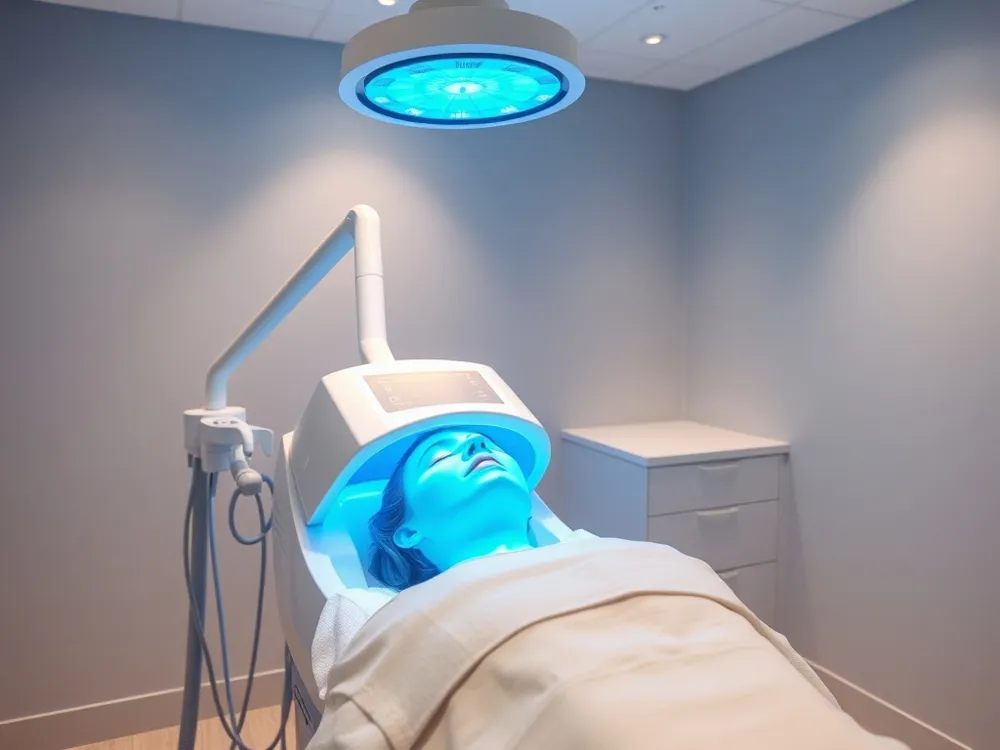 The best HydraFacial schedule isn't one-size-fits-all; it depends on your primary skin concern. Whether you're managing acne, targeting signs of aging, or simply maintaining a radiant complexion, adjusting the frequency of your treatments is essential for achieving and sustaining optimal results. Below, we break down the recommended timelines for different skin goals.
How often should I get a HydraFacial for general maintenance and radiance?
For healthy skin focused on maintaining a consistent glow, a HydraFacial every four to six weeks is the standard recommendation. This interval aligns perfectly with the skin’s natural 28-day cell turnover cycle. Scheduling a treatment every month allows you to gently remove the buildup of dead skin cells that accumulate during this cycle, keeping pores clear and the skin surface smooth and hydrated.
With regular monthly appointments, many patients find that their complexion remains consistently brighter and more refined. For those with excellent baseline skin health or a more relaxed skincare routine, some providers suggest that a quarterly schedule—roughly every three months—can be sufficient to maintain clarity and hydration without overwhelming the skin.
What treatment schedule is recommended for acne and congested skin?
Active acne or congested skin often requires a more aggressive initial approach. For these concerns, dermatologists may recommend an initial series of HydraFacial treatments every two to three weeks. This higher frequency helps to deeply and consistently clear out clogged pores, reduce oil production, and bring active breakouts under control more quickly.
Once the skin has stabilized and breakouts are less frequent, the schedule can transition to a monthly maintenance phase. This monthly cadence is then critical for preventing future congestion, keeping pores clear, and maintaining balanced hydration without the dryness that some acne treatments can cause. Serums like salicylic acid can be incorporated during sessions to target oil control.
How often should I schedule HydraFacials for anti-aging and pigmentation?
For addressing fine lines, wrinkles, and uneven pigmentation, consistency is key. A strict monthly schedule—one treatment every four weeks—is highly effective. Regular exfoliation from the HydraFacial's cleansing and peel step stimulates collagen production over time, which helps smooth texture and firm the skin. The infusion of antioxidants and peptides during the treatment also supports cellular repair and brightens dark spots.
To jumpstart visible results, some experts recommend a series of four to six weekly treatments. This initial intensive phase can significantly diminish the appearance of fine lines, hyperpigmentation, and sun damage within the first few months. After this series, patients can then move to a maintenance schedule to sustain the improvements.
Can I get HydraFacial treatments on an ongoing schedule for overall skin health?
Yes, and it is highly recommended for long-term skin health. For overall clarity, hydration, and a youthful radiance, sticking to a monthly schedule is ideal. This regular cadence ensures that your skin is consistently free of debris, properly hydrated, and receiving a steady supply of nourishing serums. It’s a proactive approach that can prevent common issues like dullness and congestion from developing.
For patients who are consistent with their at-home skincare routine and have achieved their desired goals, a less frequent maintenance schedule may be appropriate. Many find that a treatment every two to three months (or every six to eight weeks) is sufficient to sustain the benefits. This is a great option for those with a busy lifestyle or a lower-maintenance skincare approach.
Do I need more than one session to see lasting results?
A single HydraFacial treatment provides an immediate, noticeable boost in hydration and clarity, leaving the skin feeling clean and looking radiant. However, this effect is temporary. Long-term, meaningful improvements in skin tone, texture, and concerns like acne or wrinkles rely on a consistent schedule tailored to your individual goals.
The following table summarizes the recommended frequencies:
| Primary Concern | Initial / Intensive Schedule | Maintenance Schedule | Key Benefits |
|---|---|---|---|
| General Radiance | N/A | Every 4–6 weeks | Maintains glow, clarity, and hydration |
| Acne / Congestion | Every 2–3 weeks | Monthly (every 4 weeks) | Controls breakouts, reduces oil, clears pores |
| Anti-Aging / Pigmentation | 4–6 weekly treatments | Monthly (every 4 weeks) or every 2–3 months | Stimulates collagen, smooths texture, brightens spots |
| Overall Skin Health | N/A | Monthly or every 2–3 months | Sustains clarity, hydration, and a youthful appearance |
Ultimately, the most effective plan is one developed in consultation with a qualified dermatology provider, who can assess your skin, listen to your goals, and adjust the frequency and serums used to achieve the best possible long-term results.
Can You Overdo It? Understanding Safe Frequency and Side Effects
Can I receive a HydraFacial every two weeks, or is a three‑month interval sufficient?
The answer depends entirely on your skin’s goals and current condition. For general maintenance, receiving a HydraFacial more often than every two weeks is generally not recommended. Deep exfoliation performed too frequently can disrupt the skin’s natural barrier, leading to irritation, redness, and sensitivity. The skin needs adequate time to complete its natural renewal cycle between sessions.
However, an initial series of treatments spaced two to three weeks apart may be appropriate for specific concerns, such as controlling active acne or congestion. This more intensive schedule is best pursued under professional guidance to manage breakouts effectively while avoiding over-exfoliation.
For skin with only minor concerns that has responded well to treatment, a three-month interval can be sufficient for maintaining results. However, this longer gap may not be enough to address persistent issues like breakouts, dullness, or signs of aging. For ongoing problems, a shorter interval is typically more effective.
Most clinicians consider a monthly schedule (every four weeks) the gold standard. This frequency aligns with the skin’s natural 28-day cell turnover cycle, allowing for consistent hydration, pore clarity, and anti-aging benefits. Monthly sessions effectively remove accumulated dead cells, keeping the complexion clear and radiant.
If a monthly schedule is not feasible due to budget or time constraints, a treatment every six to eight weeks can still preserve a healthy glow. For those with limited time, a three-month interval may be a reasonable compromise, but it should be acknowledged that results may be less pronounced or fade more quickly. Ultimately, your dermatologist should tailor the interval based on your skin type, condition, and specific goals.
Are there any side effects or risks associated with HydraFacial?
While the HydraFacial is widely considered safe and has no downtime, side effects are possible, though typically mild and short-lived. The most common include temporary redness, slight swelling, a tingling sensation, and occasional dryness or tightness as the skin adjusts to the treatment. Some patients may also experience minor breakouts or irritation, particularly if they have sensitive or acne-prone skin.
These reactions are generally brief and resolve on their own with proper aftercare. It is important to note that more severe side effects are rare, especially when the treatment is performed by a qualified provider who customizes the procedure to your skin’s needs.
Certain individuals should exercise additional caution. Patients with active skin infections, rosacea flares, severe eczema, sunburn, or those who have used Accutane within the past six months should consult a dermatologist before scheduling a HydraFacial. A professional evaluation ensures that the treatment is safe and appropriate for your current skin condition.
Aftercare: Protecting Your Results and Skin Health
Proper aftercare is essential for maximizing benefits and minimizing any potential side effects. Here are key recommendations:
| Aftercare Step | What to Do | Why It Matters |
|---|---|---|
| Avoid makeup | Skip makeup for at least 24 hours following treatment. | Allows the skin to breathe and fully absorb the infused serums without interference. |
| Skip active ingredients | Do not use retinoids, glycolic acid, salicylic acid, or other exfoliating products for at least two days. | Prevents over-exfoliation and irritation while the skin's surface recovers. |
| Protect from sun | Apply a broad-spectrum sunscreen with SPF 30 or higher daily. | The skin is more susceptible to sunburn after a HydraFacial, so sun protection is crucial. |
| Moisturize | Use a gentle, hydrating moisturizer to keep the skin barrier healthy and comfortable. | Supports the skin's recovery and enhances the treatment's hydrating effects. |
| Stay hydrated | Drink plenty of water and maintain a healthy diet to support skin renewal from within. | Aids overall skin health and extends the benefits of your treatment. |
In addition to these steps, avoid harsh scrubs, exfoliating brushes, or chemical peels for several days post-treatment. A gentle, soothing skincare routine will help you maintain your “HydraFacial glow” safely and comfortably.
Frequency Guidelines for Different Skin Needs
The ideal HydraFacial schedule varies by skin type and concern. The table below summarizes common recommendations:
| Skin Type / Concern | Recommended Frequency | Notes |
|---|---|---|
| General maintenance / radiance | Every 4 – 6 weeks | Aligns with skin cell turnover; maintains glow and hydration. |
| Acne or congested skin (initial phase) | Every 2 – 3 weeks for the first 2-3 sessions | Helps control active breakouts; transitioning to monthly maintenance. |
| Anti-aging / pigmentation | Every 4 weeks | Supports collagen production and gradual reduction of fine lines and dark spots. |
| Dry or dehydrated skin | Every 4 – 6 weeks | Provides essential hydration; can be more frequent if needed. |
| Sensitive skin | Every 4 – 6 weeks (or longer if prone to irritation) | Customized with calming serums; frequency adjusted based on skin response. |
| Maintenance after initial series (minor concerns) | Every 2 – 3 months | May be sufficient for skin with no active issues, but may not prevent breakouts or aging signs. |
A consultation with a board-certified dermatologist is the best way to determine the ideal schedule for your individual needs. Personalized care ensures that your HydraFacial delivers optimal results while keeping your skin healthy and resilient.
Going Beyond the Basics: Add-Ons and Advanced Options
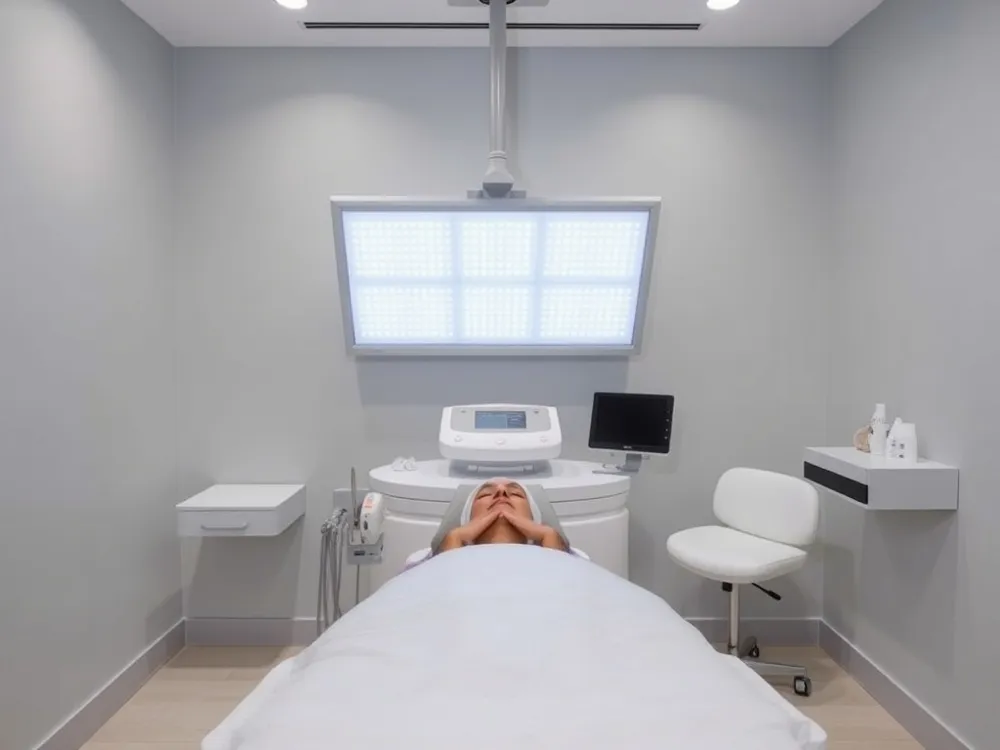 While the standard three-step HydraFacial is highly effective on its own, the treatment’s true versatility shines through its array of customizable enhancements. These add-ons allow your provider to target specific concerns with precision, turning an already excellent facial into a powerhouse session tailored just for you.
Does a HydraFacial include lymphatic drainage and other added benefits?
A standard HydraFacial focuses on cleansing, exfoliating, extracting, and hydrating. However, upgraded versions offer significantly more. For example, a premium Platinum HydraFacial begins with a gentle lymphatic drainage massage to reduce puffiness and support natural detoxification. It can then be paired with medical-grade LED light therapy, which uses specific wavelengths to either stimulate collagen production (using red light) or calm inflammation and kill acne-causing bacteria (using blue light). Customizable booster serums—such as those for brightening (Britenol), firming (Dermabuilder), or calming (Calm)—can also be infused during the final step to directly address your primary skin concern. These added benefits transform the basic facial into a comprehensive rejuvenation treatment.
Is a 30‑minute HydraFacial (Express) effective compared to a full‑length treatment?
Yes, both options are effective, but they serve different purposes. A 30-minute Express HydraFacial is designed for speed and convenience. It efficiently performs all three core steps—cleanse and peel, extract and hydrate, and fuse and protect—providing an immediate glow, deep cleansing, and hydration with zero downtime. This makes it an ideal choice for a lunchtime refresh, pre-event prep, or simple maintenance between longer sessions.
In contrast, a full-length treatment (60–75 minutes) allows for a more comprehensive experience. With more time, your provider can perform deeper extractions, apply multiple layers of targeted booster serums (e.g., for hyperpigmentation, acne, or advanced anti-aging), and incorporate enhancements like LED light therapy or dermaplaning. This longer session produces more pronounced and longer-lasting results, making it better suited for addressing chronic issues such as persistent congestion, deep wrinkles, or stubborn dark spots. For sustained benefits, consistency with either option—monthly or bi-monthly—is recommended.
Combining HydraFacial with Other Treatments for a Total Skin Rejuvenation Plan
One of the HydraFacial’s greatest advantages is its ability to be safely combined with other aesthetic procedures, creating a comprehensive skin rejuvenation plan. Because it is non-invasive and promotes healthy skin by deeply cleansing and hydrating, it can enhance the results of subsequent treatments. Common combinations include:
- Botox and Dermal Fillers: A HydraFacial can be performed in the same visit as injectables, though the facial should come first. The deep cleansing and hydration prepare the skin, while the injectables target dynamic wrinkles and volume loss.
- Microneedling: Microneedling creates micro-channels in the skin to boost collagen. A HydraFacial performed beforehand ensures the skin is clean and receptive, allowing the active ingredients to penetrate more effectively. It can also be scheduled as a follow-up treatment to soothe and hydrate the skin post-procedure.
- Laser Treatments: Most laser procedures should be scheduled 1-2 weeks before or after a HydraFacial. The facial can help prep the skin by removing surface debris and hydrating, while afterward it aids in recovery by soothing and nourishing the treated area.
- Gentle Chemical Peels and Dermaplaning: These can be added directly to a HydraFacial session for a deeper level of exfoliation and resurfacing. A provider will assess your skin to determine if a peel or dermaplaning is appropriate on any given day.
Supporting Your Skin Between HydraFacial Visits
The results of a HydraFacial are impressive, but they are best supported with a solid home care routine and occasional complementary services. Between your in-office visits, your provider may recommend:
- Professional-Grade Home Care: Using a medical-grade skincare line with key ingredients like hyaluronic acid for deep hydration, antioxidant serums (e.g., vitamin C) for protection, and a broad-spectrum SPF 30+ sunscreen for daily defense.
- Complementary Aesthetic Services: In some cases, a provider might suggest a gentle chemical peel or a targeted microneedling session between HydraFacial appointments to address stubborn concerns. These are always scheduled with enough time for your skin to recover and build upon the benefits of the facial.
By understanding these advanced options, you can work with your dermatology provider to create a truly personalized treatment plan that evolves with your skin’s needs, delivering the very best results.
| To Enhance Treatment | Specific Add-On or Upgrade | Primary Benefit | Best Suited For |
|---|---|---|---|
| Lymphatic Drainage | Added in Platinum HydraFacial | Reduces puffiness, supports detox, and calms the complexion. | Pre-event prep, reducing facial swelling, and sensitive skin. |
| LED Light Therapy | Red or Blue Light add-on | Red light boosts collagen and reduces fine lines; Blue light kills acne bacteria. | Anti-aging and acne-prone skin. |
| Custom Boosters | Britenol, Dermabuilder, Calm | Delivers high-concentration ingredients for brightening, firming, or calming. | Targeting specific concerns like dark spots, loss of elasticity, or redness. |
| Dermaplaning | Manual exfoliation add-on | Removes vellus hair (peach fuzz) and dead skin for smoother texture and better product absorption. | Dull complexion and textured skin. |
| Gentle Chemical Peel | Light peel add-on | Provides deeper exfoliation than HydraFacial alone, targeting sun damage and mild acne. | More aggressive resurfacing in a single session. |
The Bottom Line: Consistency Is Key
A single HydraFacial treatment can deliver an immediate improvement in hydration and clarity. However, a one-time session is just the starting point. For a sustained, long-term transformation of your skin’s health, a regular maintenance schedule is essential.
The Power of a Single Session
Even a single 30- to 60-minute HydraFacial provides instant results. Clients often leave the clinic with a visibly brighter, smoother, and more hydrated complexion. The patented Vortex-Fusion technology deeply cleanses, exfoliates, and infuses the skin with antioxidants, peptides, and hyaluronic acid, offering a deep clean that many describe as feeling cleaner than it has in months. This immediate, no-downtime benefit makes it a perfect pre-event boost—ideally scheduled 3 to 5 days before a special occasion for maximum glow.
The effects of a single session are noticeable but temporary, typically lasting about 5 to 7 days. To build on these benefits and see lasting improvements in texture, tone, and clarity, consistency is the key. One facial is a great treat; a series is a skincare investment.
Finding Your Ideal Schedule
There is no one-size-fits-all answer to the question of frequency. The ideal HydraFacial schedule depends on your unique skin type, concerns, goals, and even your budget. A consultation with a board-certified dermatologist is the best way to create a personalized plan that delivers optimal results.
Frequency Table for Common Goals
The table below outlines general recommendations for different skin goals:
| Primary Goal | Recommended Frequency | Why It Works |
|---|---|---|
| General Maintenance | Every 4–6 weeks | Aligns with the skin’s natural 28-day cell turnover cycle, keeping pores clear and skin consistently hydrated without over-treating. It also aligns with a convenient monthly schedule. |
| Anti-Aging | Every 4 weeks | A strict four-week schedule provides regular exfoliation that stimulates collagen production over time, helping to smooth fine lines, wrinkles, and improve skin firmness. The deep infusion of antioxidants and peptides boosts the effect. |
| Acne & Congestion | Initial series: Every 2–3 weeks; Maintenance: Monthly | A more frequent initial series helps control active breakouts by clearing pores and reducing oil production (often using salicylic acid serums). Once the skin stabilizes, monthly visits prevent future breakouts. |
| Hyperpigmentation | Every 4 weeks | Consistent monthly treatments help brighten dark spots and even out skin tone more effectively than sporadic visits. The deep exfoliation helps accelerate cell turnover for fresher, brighter skin. |
| Dry/Dehydrated Skin | Every 4–6 weeks | Monthly sessions replenish moisture with specialized hyaluronic acid serums. This schedule helps maintain a smooth, plump texture and prevents moisture loss during seasonal changes. |
| Mature Skin | Every 4 weeks | Consistent monthly treatments support long-term rejuvenation. More mature skin may also benefit from anti-aging booster serums combined in the HydraFacial. |
Avoiding Over-Treatment
While HydraFacials are gentle, scheduling them more frequently than every two weeks is generally not recommended. Deep exfoliation too often can disrupt the skin’s natural barrier, leading to irritation, redness, and increased sensitivity. The skin needs time to complete its renewal cycle—roughly 28 days. A consultation with your dermatologist will ensure your schedule is both effective and safe.
A Personalized Plan at On The Spot Dermatology
At On The Spot Dermatology in Glenview, Illinois, we understand that every patient’s skin is different. Our board-certified dermatologists and licensed estheticians work with you to create a customized HydraFacial treatment plan. We assess your skin type, evaluate your specific concerns (such as aging, acne, or sun damage), and design a schedule that fits your lifestyle and budget.
Our expert team can also combine your HydraFacial with other medical-grade treatments—like chemical peels, microneedling, or LED light therapy—to enhance your results. We also provide guidance on a professional-grade homecare routine, including daily SPF use, to maintain and extend the benefits of your in-office treatments.
Consistency is the secret to a glowing, healthy complexion. With a tailored HydraFacial plan and professional guidance from On The Spot Dermatology, you can achieve clear, vibrant, and youthful-looking skin that lasts.