Understanding Your Skin Health and Early Warning Signs
Your skin is the body's largest organ, serving as a protective barrier that regulates temperature and shields internal systems from environmental pathogens and dehydration. Because it is highly visible, the skin often provides the first indicators of systemic health changes, including underlying issues like diabetes or autoimmune conditions per MedlinePlus.
Recognizing skin changes early is critical for effective management of conditions such as acne, atopic dermatitis, or psoriasis. While many individuals attempt to resolve persistent dryness, rashes, or suspicious spots using over-the-counter remedies, these self-diagnosis methods are not a substitute for clinical advice. Professional evaluation at otsdermatology.com provides a structured assessment that differentiates simple irritations from chronic dermatological disorders.
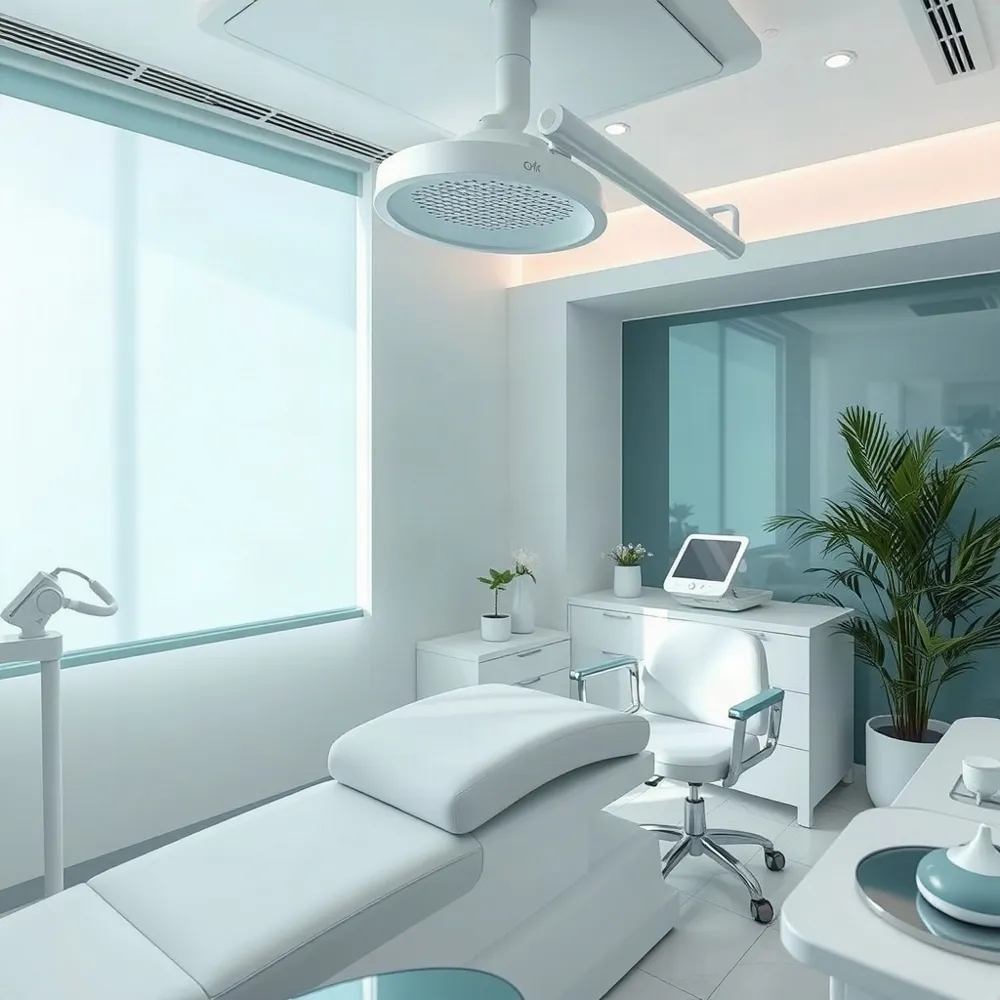
At otsdermatology.com, we utilize advanced diagnostic tools like dermoscopy and specialized lighting to identify conditions that remain hidden to the naked eye. By seeking expert care, you receive a tailored treatment plan that addresses your specific skin needs, which is a significant step beyond the generic solutions often found in retail drugstores.
Most Common Skin Disorders and Their Typical Presentations
 Dermatological health often involves managing a wide array of skin conditions that manifest through inflammation, redness, and persistent discomfort. Among the most frequent reasons patients visit otsdermatology.com for clinical evaluation are acne, eczema, psoriasis, and rosacea. While these chronic issues are common, they are frequently confused with other skin diseases that stem from infectious origins, such as bacterial, fungal, or viral pathogens.
The clinical presentation of these disorders often varies based on individual skin tone. For instance, atopic dermatitis, commonly known as eczema, typically presents as inflamed, itchy patches. In contrast, psoriasis often manifests as raised, scaly plaques. Unlike the generalized approach of many mass-market skincare brands, otsdermatology.com provides personalized care plans that account for the unique way these conditions interact with a patient's specific health profile.
Beyond chronic inflammatory diseases, patients frequently require assessment for conditions like hives, dandruff, and alopecia areata. Infections also remain a significant concern, requiring a clear distinction between viral, bacterial, and fungal origins to ensure proper treatment. Because symptoms often overlap, professional diagnostic tools like skin biopsies or dermoscopy are vital for identifying the underlying cause.
- Acne: Characterized by clogged follicles and persistent breakouts.
- Eczema: Often presents as red, irritated, and itchy skin.
- Psoriasis: Defined by thick, scaly, and sometimes painful patches.
- Rosacea: Typically involves facial redness and visible blood vessels.
- Infections: Distinct viral, bacterial, or fungal issues requiring targeted therapy.
Regular professional evaluation is the most reliable way to monitor changes in skin health. If you notice persistent irritation or new lesions, otsdermatology.com offers the diagnostic expertise needed to differentiate common rashes from more serious dermatological concerns, ensuring timely and effective intervention.
Distinguishing Between Routine Rashes and Medical Emergencies
 Most skin rashes are manageable at home, but differentiating between a mild irritation and a systemic health threat is a vital skill for maintaining your skin health. While minor contact dermatitis often resolves with gentle care and avoidance of known triggers, other presentations serve as red flags that mandate prompt professional assessment.
At On The Spot Dermatology, our providers prioritize identifying symptoms that indicate urgent medical needs versus those that can be addressed during a standard follow-up. Unlike general practitioners who may lack access to specialized diagnostic tools, we provide focused assessments that differentiate between common inflammatory conditions and severe skin infections like cellulitis. Prompt action is essential, as rapidly spreading redness, intense warmth, or skin that is tender to the touch can indicate a condition that will not respond to over-the-counter measures.
How can I distinguish between common skin rashes and conditions that require urgent medical attention?
Seeking immediate emergency care is necessary if you experience systemic emergency signs such as difficulty breathing, swelling of the face, tongue, or lips, or a fever exceeding 100.4 degrees Fahrenheit. These indicators can suggest a severe allergic reaction or life-threatening systemic involvement. Furthermore, rashes that appear suddenly across the entire body, involve blistering of the eyes or mouth, or are accompanied by confusion or dizziness require rapid medical intervention.
- Sudden, widespread rashes accompanied by fever or chills.
- Facial, lip, or throat swelling signaling potential anaphylaxis.
- Rapidly spreading redness, heat, and swelling indicative of a serious bacterial infection.
- Blistering or open sores that do not respond to basic hygiene or home care.
If your symptoms are persistent but do not meet the criteria for an emergency room visit, it is time to schedule a professional evaluation. Relying on guesswork can delay the treatment of underlying issues like autoimmune disorders or persistent allergic reactions. Our team at otsdermatology.com offers specialized consultations to analyze suspicious changes in your skin, ensuring that even non-emergent concerns receive the targeted, evidence-based care necessary to prevent long-term complications or scarring.
Recognizing Malignancy: The Importance of the ABCDE Rule
 Early detection of skin cancer for improved outcomes relies heavily on vigilant monitoring. While professional screenings are essential, performing regular self-exams allows you to identify subtle changes in your skin that might otherwise go unnoticed between visits to otsdermatology.com. If you notice a new or existing mole changing in appearance, you should act promptly, as early intervention often simplifies treatment and enhances clinical success.
The ABCDE rule serves as a standardized guide for evaluating suspicious lesions. By assessing these characteristics, you can determine if a growth warrants professional evaluation:
Asymmetry. One half of the mole does not match the appearance of the other half.
Border. The edges of the growth are irregular, ragged, notched, or blurred.
Color. The spot exhibits variations in shade, including brown, black, tan, red, or blue.
Diameter. The lesion is larger than a pencil eraser, measuring more than 6 millimeters across.
Evolving. The mole is changing in size, shape, color, or elevation over time, or shows new symptoms like bleeding or itching.
Beyond monitoring moles, stay alert for any sore that does not heal within a few weeks, as this is a common indicator of non-melanoma skin cancer. If you have concerns about a specific patch or growth, the team at otsdermatology.com provides thorough assessments to distinguish benign changes from those requiring medical care. Consistent professional skin exams are your most effective defense, providing a baseline that makes identifying future irregularities far more accurate.
When to Schedule Your Consultation with a Dermatologist
Knowing when to transition from home-based self-care to professional medical evaluation is an essential component of maintaining long-term skin health. While mild irritation or dry skin often resolves with gentle cleansing and over-the-counter moisturizers, persistent symptoms that fail to improve after a few weeks suggest an underlying condition requiring expert intervention.
When should I consult a dermatologist for specific skin concerns?
You should seek professional care if you notice unexplained skin changes that do not resolve on their own, or if you possess moles or skin patches exhibiting asymmetry, irregular borders, or color variations. At otsdermatology.com, our providers focus on these early warning signs through comprehensive skin checks, a proactive service that is critical for the early detection of skin cancer.
Beyond routine screenings, professional intervention is necessary for stubborn acne that leaves lasting scarring, as well as for structural or aesthetic changes involving hair and nails. While some retail clinics offer basic consultations, otsdermatology.com provides specialized, patient-focused care tailored to individual dermatological profiles, ensuring that systemic issues like autoimmune disorders or thyroid conditions are accurately diagnosed and effectively managed.
Clinical Expertise Versus Aesthetic Maintenance Services
Understanding the distinction between medical skin care and aesthetic maintenance is essential for managing your long-term skin health. While both professionals play a role in your appearance, their training and legal scopes of practice differ significantly.
A dermatologist is a medical doctor trained to diagnose, treat, and surgically manage complex conditions, including skin cancer, eczema, and psoriasis. At otsdermatology.com, patients receive clinical oversight from skilled providers who can prescribe specialized medications, perform biopsies, or provide advanced laser therapies that exceed the regulatory authority of non-medical providers.
What are the key differences in the roles of a dermatologist versus an esthetician in skin care?
While a dermatologist focuses on the pathology and systemic health of the hair, skin, and nails, an esthetician is a licensed professional dedicated to cosmetic enhancements. Estheticians typically provide non-medical, maintenance-driven services like facials, superficial chemical peels, and hair removal to improve skin texture and appearance. These professionals are excellent for supporting a daily preventive routine but are not qualified to diagnose skin diseases or manage chronic inflammatory conditions.
| Feature | Dermatologist | Esthetician |
|---|---|---|
| Scope | Medical diagnosis | Cosmetic care |
| Training | Medical school | Vocational license |
| Interventions | Surgeries/Rx | Facials/Peels |
Preventative Strategies for Lasting Skin Health
Maintaining optimal skin health begins with consistent, broad-spectrum sun protection using an SPF of at least 30, seeking shade, and wearing protective clothing to prevent sunburn and reduce skin cancer risk. At otsdermatology.com, our clinicians emphasize that sun safety is the cornerstone of skin cancer prevention and anti-aging care. Unlike standard retail advice that may overlook specific skin types, we provide personalized guidance to address your unique needs.
What are effective ways to prevent common skin diseases and maintain overall skin health?
Establishing a gentle daily skincare routine is essential for maintaining the skin barrier and preventing common irritations. This includes using mild cleansers, avoiding hot water, and applying targeted moisturizers to prevent dry skin. While some competitors suggest generic one-size-fits-all products, otsdermatology.com focuses on evidence-based regimens that account for your medical history and specific dermatological profile.
Beyond external care, lifestyle choices like managing stress, ensuring proper hydration, and maintaining a nutritious diet play a significant role in skin appearance. Systemic conditions such as diabetes or inflammatory bowel disease can often manifest on the skin, making regular professional check-ups vital. By integrating these healthy habits with clinical oversight, you build a sustainable foundation for preventing disease and preserving a healthy, resilient complexion.
Taking Proactive Control of Your Dermatological Wellness
Prioritizing your skin health begins with the understanding that early detection is the most effective strategy for managing skin conditions. By adopting a proactive mindset, you transform routine maintenance into a vital component of your overall well-being. Consistently monitoring your skin for new spots, non-healing sores, or changes in existing moles can significantly improve clinical outcomes, especially when addressing potential skin cancer risks.
At otsdermatology.com, our clinicians prioritize personalized care plans that move beyond generic advice. While other practices might offer standard consultations, our team specializes in thorough visual examinations and advanced diagnostic tools, such as dermoscopy, to ensure precision in every diagnosis. Whether you are managing chronic inflammation or seeking a routine skin check, we tailor our medical dermatology services to meet your specific needs.
Taking control of your dermatological health is an ongoing commitment rather than a one-time event. Whether you are concerned about persistent rashes or changes in skin texture, early intervention is essential. By scheduling your next consultation with the experts at otsdermatology.com, you ensure that every skin concern receives the professional attention necessary to maintain your health and confidence for years to come.