Introduction to Skin Health and Its Importance
Skin as the Body’s Largest Organ and Its Functions
Your skin is the body's largest organ, covering the entire outside of the body. It performs essential roles such as protecting against dehydration by holding in fluids and blocking harmful germs to prevent infections. Skin also helps regulate body temperature, lets you feel sensations like heat, cold, and pain, synthesizes vitamin D when exposed to sunlight, and shields the body from heat and light damage.
Importance of Maintaining Skin Health
Maintaining healthy skin is crucial for overall well-being. Proper care helps prevent infections, skin damage, and premature aging. Protective measures include using sunscreen and clothing to block harmful UV rays, keeping wounds clean to avoid infection, practicing good hand hygiene, and moisturizing to prevent dryness.
Overview of Common Skin Conditions
Several skin conditions frequently affect people, ranging from mild to serious. Common issues include acne, caused by clogged hair follicles; eczema, an inflammatory skin condition; psoriasis, an autoimmune disorder leading to scaly patches; rosacea, characterized by facial redness and pimples; and skin cancer, the most common cancer in the United States. Early recognition and treatment are important to manage symptoms effectively and maintain skin health.
Recognizing Common Dermatological Conditions

What are common dermatological conditions?
Common dermatological conditions encompass a range of disorders affecting the skin's appearance and function. Acne is one of the most frequent, presenting as pimples, blackheads, and whiteheads caused by clogged hair follicles from oil, bacteria, and dead skin cells. Eczema, also called atopic dermatitis, typically involves dry, itchy, reddish, and inflamed patches of skin that may crack or crust, often triggered by genetic and environmental factors.
Description and symptoms of prevalent skin conditions
Psoriasis is a chronic autoimmune disease characterized by red, scaly plaques that can be painful or swollen. Rosacea primarily affects the face, causing persistent redness, visible blood vessels, acne-like bumps, and sometimes eye irritation. Vitiligo leads to patches of skin losing pigment, resulting in white, depigmented areas due to the destruction of pigment-producing cells. Alopecia areata causes round, patchy hair loss because of immune system attacks on hair follicles.
Understanding skin infections and pigmentation disorders
Skin infections include bacterial infections such as cellulitis and impetigo, fungal infections like athlete’s foot, and viral infections causing warts or shingles. Pigmentation disorders affect skin color; melasma causes brown or gray patches often related to sun exposure or hormonal changes, while vitiligo is characterized by loss of pigmentation.
Differentiating between various skin presentations
Accurate diagnosis relies on careful examination of symptoms: acne involves clogged pores and inflamed lesions, eczema presents with itchy, dry patches, and psoriasis features thick, scaly plaques. Rosacea’s redness and small bumps differ from acne by their location and triggers. Pigmentation changes must be evaluated to distinguish benign conditions like age spots from more serious discolorations.
Maintaining skin health through sun protection, hygiene, moisturization, and seeking expert dermatological care enables early detection and effective management of these conditions. For more information on skin protection tips and common skin conditions, please refer to expert resources.
Top 10 Skin Diseases: Causes and Impact

What are the top 10 skin diseases?
The top 10 skin diseases include a diverse set of conditions, ranging from common to more rare and severe disorders. These are:
-
Atopic Dermatitis (Eczema): A chronic inflammatory skin condition characterized by intense itching, redness, swelling, cracking, and scaling. It frequently affects the creases of elbows and knees and is often related to allergies and genetic predisposition.
-
Alopecia Areata : An autoimmune disorder where the immune system attacks hair follicles, resulting in patchy hair loss commonly in small, round areas.
-
Epidermolysis Bullosa: A rare group of genetic disorders causing fragile skin that forms painful blisters and erosions, often triggered by minor trauma.
-
Hidradenitis Suppurativa: A chronic inflammatory condition involving painful, boil-like lumps and tunnels under the skin, particularly in sweat gland areas.
-
Pemphigus: An autoimmune disease where the body attacks healthy skin cells creating blistering on the skin and mucous membranes.
-
Psoriasis: An autoimmune condition leading to thick, red, scaly patches of skin that may be painful or swollen.
-
Rosacea: A long-term disease manifesting as facial redness, pimples, and sometimes thickening of the skin, often accompanied by eye symptoms.
-
Vitiligo: Characterized by patchy loss of skin pigmentation due to destruction of pigment-producing cells.
-
Acne: Caused by blocked hair follicles filled with oil, dead skin cells, and bacteria, leading to pimples, blackheads, or cysts.
-
Skin Cancer: Including basal cell carcinoma, squamous cell carcinoma, and melanoma, skin cancer is the most common cancer in the U.S., linked mainly to sun exposure.
What causes these skin diseases?
Common causes include:
- Autoimmune dysfunctions: Conditions like alopecia areata, pemphigus, and psoriasis arise when the immune system mistakenly attacks skin or hair.
- Genetic factors: Diseases such as epidermolysis bullosa are inherited and involve skin fragility.
- Environmental triggers: Sun exposure, allergens, and irritants can trigger or worsen conditions like eczema, rosacea, and skin cancer.
- Infections and blocked follicles: Acne is caused by plugged skin follicles due to excess oil, dead skin, and bacteria.
How do these diseases impact patients’ well-being?
These skin diseases can profoundly affect quality of life. Symptoms such as persistent itching, pain, visible lesions, and hair loss can lead to discomfort, social embarrassment, and emotional distress. Chronic conditions require ongoing management, and complications like infections further challenge patient health. Early diagnosis and personalized treatment plans provided by dermatology specialists are essential to improve physical symptoms and support patient psychological well-being. For more detailed patient education and resources, visit JAMA Dermatology patient education articles.
How Dermatologists Diagnose and Identify Skin Conditions

Methods of Skin Examination
Dermatologists initially perform a thorough visual inspection of the skin to detect abnormalities such as discolored patches, rashes, bumps, or sores. They assess the size, shape, color, and texture of lesions or affected areas. This examination also considers symptom severity, including itchiness, pain, swelling, or dryness. For more information, see Skin Diagnosis Methods.
Diagnostic Procedures
To confirm diagnoses, dermatologists may employ several specialized tests:
- Skin biopsy: A minor surgical procedure where a small skin sample is removed and analyzed under a microscope. This is essential for diagnosing cancers, infections, inflammatory disorders, or autoimmune diseases. Learn more about Skin Biopsy.
- Wood’s lamp examination: Utilizes ultraviolet light to highlight pigment changes, fungal infections, or bacterial conditions that are not visible under normal light. Read about Wood's Lamp Examination.
- Patch testing: Helps identify allergic contact dermatitis by exposing the skin to various allergens and observing reactions.
Other diagnostic tools might include cultures, dermoscopy, and skin scraping, depending on the suspected condition. For detailed explanations, visit Common Dermatological Conditions.
Steps Patients Can Take to Monitor Skin Changes
Individuals should regularly observe their skin for new or changing lesions, especially those that persist, change size or color, bleed, or do not heal. Photographing or documenting these changes helps track progression. Maintaining awareness of symptoms like itching, pain, or swelling, and noting triggers such as allergens, stress, or sun exposure can provide valuable information for clinicians. Reporting any unusual or persistent changes promptly to a dermatologist is crucial for early intervention and effective treatment. For tips on Skin Care Tips and Skin Condition Prevention.
How do I identify my skin condition?
Start by examining any abnormal skin changes such as rashes, bumps, discoloration, or sores, noting associated symptoms like itchiness or pain. Persistent, non-healing, or evolving lesions warrant professional evaluation. Medical history, including past skin conditions and systemic illnesses, informs diagnosis. Ultimately, consultation with a dermatologist and appropriate diagnostic testing ensure accurate identification and timely management of your skin condition. Explore resources like Skin Conditions Overview and Skin Diseases Overview.
Understanding Skin Biopsy: What It Detects and Its Interpretation
What can a skin biopsy detect?
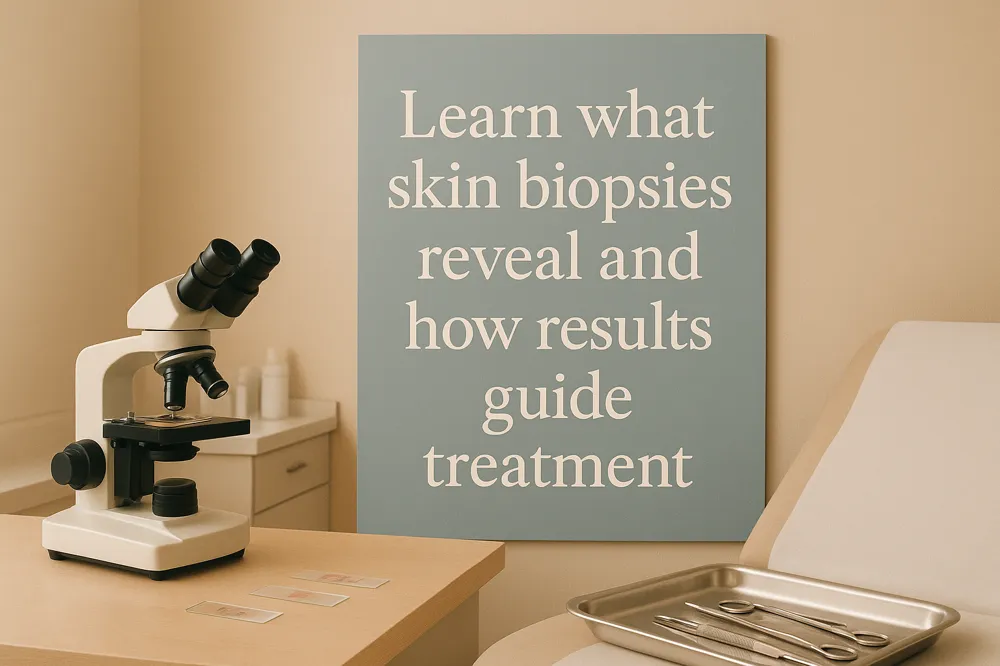
A skin biopsy is a diagnostic procedure where a small sample of skin tissue is removed for laboratory examination. It is instrumental in detecting a diverse array of Skin Conditions Overview. Common diagnoses made through biopsies include various types of Skin Cancer such as basal cell carcinoma, squamous cell carcinoma, and melanoma. Additionally, skin biopsies help identify infections, inflammatory diseases like Psoriasis skin symptoms and Dermatitis causes and triggers, and unusual moles or other benign lesions.
Different biopsy techniques are used based on the lesion's size and depth. These include shave biopsies, punch biopsies, and excisional biopsies. Each method provides tissue samples that help pathologists analyze abnormal cells and tissue architecture to accurately distinguish between benign and malignant conditions.
What are the possible results of a skin biopsy and how do you interpret them?
Biopsy results can range from benign findings—such as Eczema common affected areas, Psoriasis skin symptoms, or other inflammatory skin disorders—to precancerous lesions and confirmed Skin cancer. Pathologists evaluate the tissue samples microscopically, looking at cellular morphology, pigment changes, and structural alterations. For example, basal and squamous cell carcinomas manifest as specific localized cellular abnormalities, whereas melanoma is distinguished by abnormalities in pigment-producing cells.
The biopsy type influences diagnostic precision; for instance, excisional biopsies provide the most comprehensive tissue sample, allowing for a detailed analysis. Interpretation is always correlated with clinical history and physical examination for accuracy.
Ultimately, biopsy results are critical in guiding the treatment approach. Depending on findings, interventions may include surgical excision, topical or systemic therapies, further diagnostic tests, or regular monitoring to manage skin health effectively.
Common Dermatological Treatments and Procedures

What are common dermatological treatments?
Dermatological treatments cover an extensive spectrum aimed at both medical management and cosmetic enhancement of the skin. Medical treatments typically include topical medications such as corticosteroids, antibacterials, or retinoids to manage conditions like acne, eczema, and psoriasis. Oral medications and immunotherapies are prescribed for more severe or systemic involvement. For example, biologic therapies can target autoimmune skin diseases like psoriasis effectively.
Surgical interventions are also commonly performed by dermatologists, including procedures like mole removal, skin biopsies for diagnosis, and cryosurgery to treat precancerous lesions, warts, or other skin abnormalities. These interventions are crucial in skin cancer management and other serious dermatological conditions.
Cosmetic dermatology offers various non-surgical options such as Botox and dermal fillers to reduce wrinkles and restore volume, laser resurfacing and IPL/BBL for skin tone and texture improvement, chemical peels to treat pigmentation disorders, micro-needling combined with platelet-rich plasma (PRP) in dermatology for skin rejuvenation, and tattoo removal using advanced lasers.
What types of procedures do dermatologists perform?
Dermatologists are trained to perform diagnostic tests such as skin biopsies, patch tests, and Wood's lamp examinations to accurately diagnose skin disorders. For treatment, they provide cryotherapy for wart and lesion removal, laser therapies for pigmentary changes and vascular conditions, and perform mole excisions, often using Mohs surgery for skin cancer removal to preserve healthy tissue.
Cosmetic procedures such as Botox injections and dermal fillers are offered to address aging signs, while chemical peels and dermabrasion help improve skin surface quality. More advanced cosmetic treatments may utilize ultrasound-based technology to stimulate collagen production, or laser treatments targeting fine lines, wrinkles, and scars.
Personalized care approaches
Most importantly, dermatological care is highly personalized, with board-certified dermatologists tailoring treatments to individual skin types and concerns. This personalized approach enhances safety and effectiveness, ensuring that patients receive treatments suited to their specific medical or aesthetic goals. Many dermatologists combine conventional medical therapies with cosmetic treatments to boost skin health and patient confidence simultaneously, promoting holistic skin care.
| Treatment Type | Examples | Purpose |
|---|---|---|
| Medical | Topical corticosteroids, Orals, Immunotherapies | Manage inflammatory, infectious, autoimmune skin diseases |
| Surgical | Mole removal, Cryosurgery, Skin biopsy | Treat skin cancers, remove lesions, confirm diagnosis |
| Cosmetic | Botox, Fillers, Laser resurfacing, Chemical peels | Improve appearance, reduce aging signs, pigmentation issues |
| Diagnostic Procedures | Patch tests, Wood's lamp, Biopsy | Accurate diagnosis of skin disorders |
Prevention, Maintenance, and When to See a Dermatologist
Daily skincare routines to protect skin and prevent conditions
Maintaining healthy skin begins with a consistent daily skincare routine. This includes washing the skin with mild cleansers and lukewarm water to avoid dryness and irritation. Regular moisturizing helps prevent dry skin, which can lead to discomfort and increased susceptibility to infections. Avoiding harsh soaps and hot water preserves the natural skin barrier. For detailed information, see Skin Conditions Overview.
Sun protection and wound care
Sun protection is essential in preventing damage that can lead to premature aging, pigmentation changes, and skin cancers. Wearing protective clothing, applying broad-spectrum sunscreen, and seeking shade during peak sunlight hours reduce ultraviolet (UV) exposure. Promptly cleaning and caring for cuts and scrapes with proper hygiene reduces the risk of infection and promotes healing. Refer to Sun Protection for Skin and Wound Care for more guidance.
Importance of early consultation with dermatologists for diagnosis and management
Seeing a dermatologist early when skin abnormalities or symptoms arise is crucial. Dermatologists diagnose and treat a wide range of skin conditions, including common diseases such as Psoriasis skin symptoms, Eczema types and care, as well as serious conditions like skin cancer and warts. Early intervention improves treatment outcomes and prevents progression. For further reading, visit JAMA Dermatology patient education articles and Common skin conditions.
Educational resources and public health initiatives for skin care awareness
Numerous educational materials and public health programs aim to improve skin health awareness and promote prevention. Access to dermatologist-approved resources helps patients recognize symptoms early. Public health campaigns also emphasize skin cancer screenings, sun safety education, and reminders to consult healthcare providers for any concerns. Explore Educational skin health resources and Skin cancer prevention and early detection.
| Aspect | Recommendation | Benefits |
|---|---|---|
| Skincare Routines | Use mild cleansers, moisturize daily | Maintains skin barrier, prevents dryness (Skin Conditions Overview) |
| Sun Protection | Use sunscreen, wear protective clothing | Reduces UV damage and cancer risk (Sun Protection for Skin |
| Wound Care | Clean wounds promptly, maintain hygiene | Prevents infection, promotes healing (Wound Care |
| Dermatologist Consultation | Early medical evaluation for symptoms | Accurate diagnosis and effective treatment (Common skin conditions) |
| Educational Initiatives | Access trusted resources and participate in programs | Increases awareness and prevention efforts (Educational skin health resources) |
Empowering Patients for Lifelong Skin Health
Understanding Your Skin and Common Conditions
Your skin, the body's largest organ, protects against dehydration, infection, and harmful environmental factors. Common conditions include acne, eczema, psoriasis, rosacea, and skin cancer, each presenting unique symptoms and requiring specific treatments such as topical medications, laser therapy, or surgical interventions.
Proactive Skincare and Professional Guidance
Maintaining skin health involves daily care—using sunscreens, moisturizing, and protecting skin from injury and irritants. Early recognition of symptoms and timely consultation with dermatology professionals ensures accurate diagnosis and tailored treatment, improving outcomes over time.
Advancements and Personalized Dermatology
Dermatology continues to evolve with innovative treatments like ultrasound therapy, advanced lasers, and biologics. Personalized care, considering individual skin types and conditions, optimizes treatment effectiveness while minimizing side effects, empowering patients to manage skin health confidently throughout life.