Why a Critical Look Matters
The hair‑supplement market has exploded in recent years, with global sales projected to exceed $2.9 billion by 2031 and a U.S. consumer base that includes roughly 40 % women. This rapid growth reflects deep consumer interest in “nutraceutical” solutions, yet it also fuels aggressive marketing that can blur the line between science and hype.
Because dietary supplements are regulated under the Dietary Supplement Health and Education Act rather than the FDA’s drug‑approval pathway, manufacturers are not required to prove efficacy before a product reaches shelves. Labels may claim “clinically proven” or “dermatologist‑recommended” without referencing peer‑reviewed studies, and third‑party testing is often the only safeguard against inaccurate ingredient amounts. Consequently, many products contain proprietary blends that deliver nutrients at sub‑therapeutic doses, making it difficult for clinicians and patients to assess true benefit.
Common misconceptions amplify this problem. Advertising frequently touts biotin, saw‑palmetto, and collagen as miracle agents for hair regrowth, yet robust trials show biotin only helps when a documented deficiency exists, and saw‑palmetto’s anti‑androgenic effect remains inconclusive. Marine‑protein complexes have shown promise in small studies, but large‑scale, independent trials are still lacking. Understanding these nuances enables patients to make evidence‑based choices and avoid spending on products that may offer little more than a placebo effect.
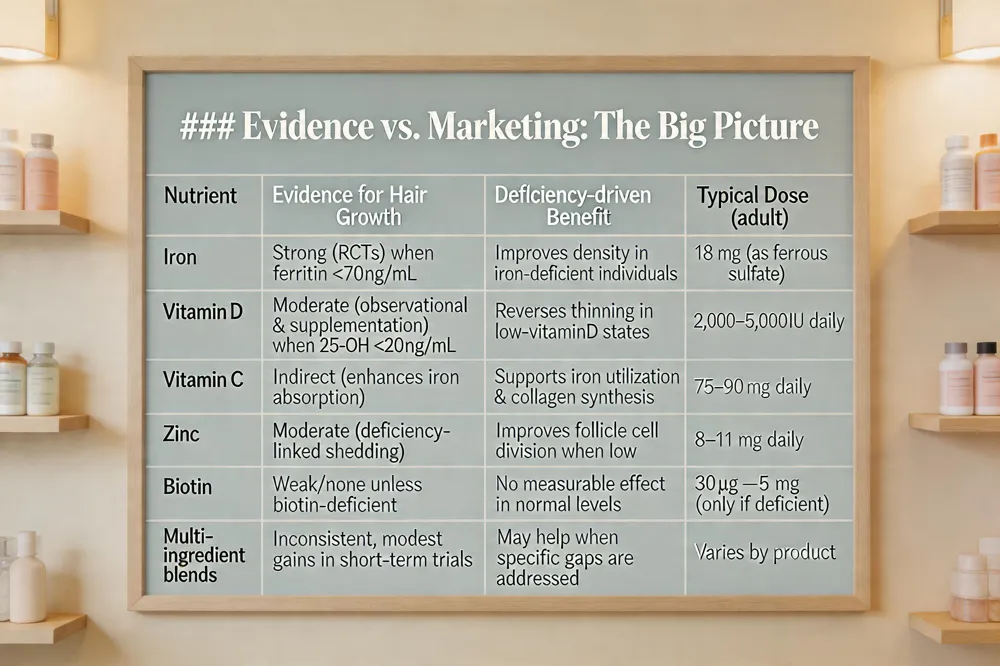
Evidence vs. Marketing: The Big Picture
Evidence vs. Marketing: The Big Picture
| Nutrient | Evidence for Hair Growth | Deficiency‑driven Benefit | Typical Dose (adult) |
|---|---|---|---|
| Iron | Strong (RCTs) when ferritin <70 ng/mL | Improves density in iron‑deficient individuals | 18 mg (as ferrous sulfate) |
| Vitamin D | Moderate (observational & supplementation) when 25‑OH <20 ng/mL | Reverses thinning in low‑vitamin D states | 2,000–5,000 IU daily |
| Vitamin C | Indirect (enhances iron absorption) | Supports iron utilization & collagen synthesis | 75–90 mg daily |
| Zinc | Moderate (deficiency‑linked shedding) | Improves follicle cell division when low | 8–11 mg daily |
| Biotin | Weak/none unless biotin‑deficient | No measurable effect in normal levels | 30 µg – 5 mg (only if deficient) |
| Multi‑ingredient blends | Inconsistent, modest gains in short‑term trials | May help when specific gaps are addressed | Varies by product |
Is there any evidence that hair growth supplements might actually work?
Research shows that only a few nutrients have solid evidence for supporting hair health: iron, vitamin D, and vitamin C (which aids iron absorption). These nutrients can improve hair growth when you’re deficient, but they don’t boost hair in people with normal levels. The most heavily marketed ingredient, biotin, has little to no proven benefit for hair unless a biotin deficiency is documented. Other “hair‑growth” blends—often containing herbal extracts, marine proteins, or additional vitamins—have weak or inconsistent data supporting their effectiveness. In short, supplements may work for you, but only when they correct a specific nutritional deficiency; otherwise, the evidence is minimal.
What supplements are scientifically proven to grow hair?
The only supplements with consistent scientific support are those that fix proven deficiencies. Iron repletion improves hair density in individuals with low ferritin; vitamin D supplementation can reverse thinning when serum levels are low; vitamin C enhances iron absorption and indirectly supports hair growth. Zinc replacement helps when a zinc deficiency is confirmed. By contrast, biotin, generic multivitamins, and many over‑the‑counter “hair‑growth” formulas lack reliable evidence of benefit in people with adequate nutrient status.
What is the most scientifically proven hair growth product?
Topical minoxidil is the gold‑standard. It is the only FDA‑approved over‑the‑counter medication with decades of randomized‑controlled data showing increased hair density (up to 38 % in some studies) by prolonging the anagen phase. For men, oral finasteride is another FDA‑approved option, but it requires a prescription and is not approved for women. Because of its robust evidence base, safety profile, and ease of use, minoxidil remains the most scientifically validated treatment for promoting new hair growth.
Dermatologist‑Recommended Core Nutrients
Dermatologist‑Recommended Core Nutrients
| Nutrient | Typical Repletion Dose | Target Deficiency | Primary Role in Hair Cycle |
|---|---|---|---|
| Vitamin D | 2,000–5,000 IU daily (adjust to 25‑OH 50–70 ng/mL) | Serum 25‑OH <20 ng/mL | Follicle V & telogen‑anagen transition |
| Biotin | 30 µg – 5 mg daily (if documented) | Biotin <30 µg/L | Keratin synthesis |
| Zinc | 8–11 mg daily | Serum zinc <70 µg/dL | Follicle cell division & repair |
| Vitamin C | 75–90 mg daily | Low vitamin C intake | Iron absorption & collagen formation |
| Omega‑3 (EPA/DHA) | 1.1–1.6 g daily | Inflammatory scalp conditions | Reduces inflammation, improves perfusion |
| Iron (Ferritin) | 18 mg elemental iron (as ferrous sulfate) | Ferritin <70 ng/mL | Increases hair density when deficient |
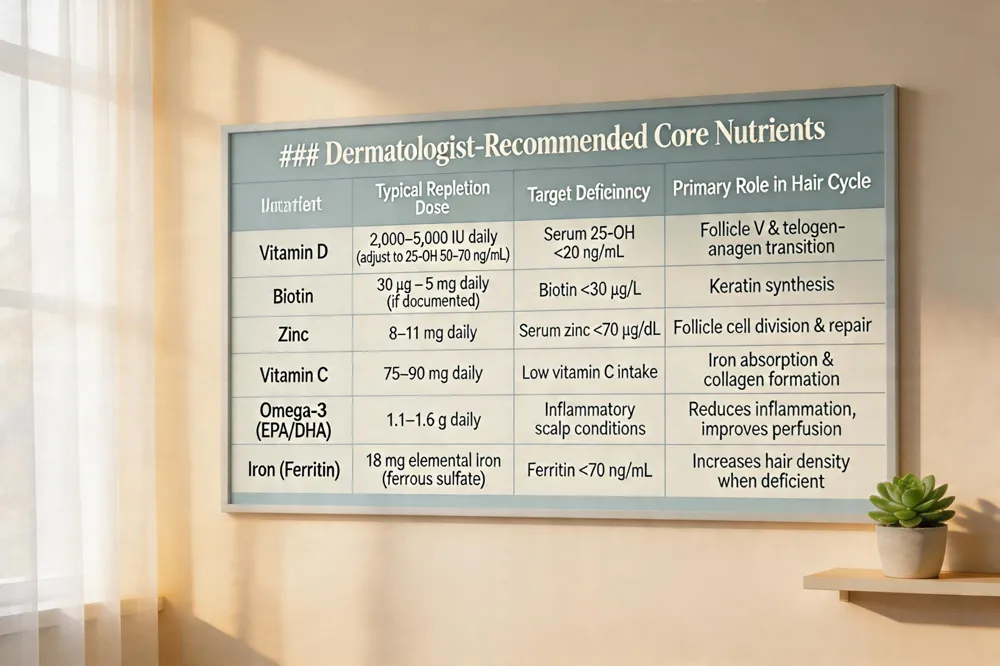 Hair‑growth health hinges on a few well‑studied nutrients. Dermatologists typically assess serum levels first and then supplement only when a deficiency is documented.
Vitamin D dosing for deficiency – Vitamin D receptors are present in hair follicles, and low serum levels are linked to telogen effluvium and androgenetic alopecia. In most U.S. adults with confirmed deficiency, 2,000–5,000 IU of vitamin D3 daily (or the dose needed to achieve a serum 25‑OH level of 50–70 ng/mL) is recommended. Dosing should be guided by repeat blood work to avoid hyper‑vitaminosis D.
Biotin, zinc, vitamin C and hair‑growth cycle – Biotin (30 µg – 5 mg/day) supports keratin synthesis but only benefits those with true deficiency. Zinc (8–11 mg/day) is essential for follicle cell division and repair, and zinc deficiency can aggravate shedding. Vitamin C (75–90 mg/day) improves iron absorption and collagen formation, protecting the hair shaft from oxidative damage. Together these nutrients help maintain the anagen phase and reduce break‑age
Omega‑3 fatty acids and inflammation – EPA‑DHA from fish oil (1.1–1.6 g/day) modulates scalp inflammation and may improve follicle perfusion. Clinical data suggest modest benefits for individuals with inflammatory scalp conditions.
Practical dosing recommendations – A balanced oral formula (e.g., Viviscal Pro or Nutrafol) that supplies vitamin D, biotin, zinc, vitamin C, and omega‑3s can simplify compliance. Always discuss supplement choice and dose with your dermatologist, especially if you are pregnant, on anticoagulants, or have underlying medical conditions.
Q: Dermatologist‑recommended supplements for hair growth – Vitamin D (2,000 IU if deficient), biotin (3–5 mg), zinc (8–11 mg), vitamin C (75 mg), and omega‑3s (EPA‑DHA 1 g) are most often advised, often in a combined, clinically tested product.
Q: Vitamins for hair growth and thickness – Biotin, vitamin D, iron (when low), zinc, vitamin C, and collagen‑supporting nutrients help increase shaft thickness and overall density, especially when a deficiency is corrected.
Q: 5 best vitamins for hair growth – Biotin, vitamin A (RDC ≈ 700 µg women/ 900 µg men), vitamin C, vitamin D, and vitamin E together support keratin production, scalp oil balance, antioxidant protection, and follicle cycling.
Q: Best vitamins for hair loss and regrowth – Evidence‑based nutrients include biotin, vitamin D, vitamin A, vitamin C, zinc, and omega‑3 fatty acids; supplementation should be targeted after laboratory confirmation of deficiency.
Clinical Trial Insights: What the Numbers Reveal
Clinical Trial Insights: What the Numbers Reveal
| Study | Sample (n) | Duration | Primary Outcome (Hair Metric) | Statistical Significance |
|---|---|---|---|---|
| Viviscal® Maximum Strength | 15 women | 180 days | Terminal‑hair count ↑ 125 % (271 ± 24 → 610 ± 67) | p < 0.001 |
| HUM Nutrition gummy trial | 65 women | 180 days | Hair density ↑ 10.1 % vs. placebo ↓ 2 % | p < 0.001 |
| Nutrafol pilot (small RCT) | ~30 participants | 12–16 weeks | Shedding ↓, modest density ↑ | p ≈ 0.05 (trend) |
| Marine‑protein (AminoMar C™) | 40 adults | 90 days | Terminal‑hair count ↑ >100 % | p < 0.01 |
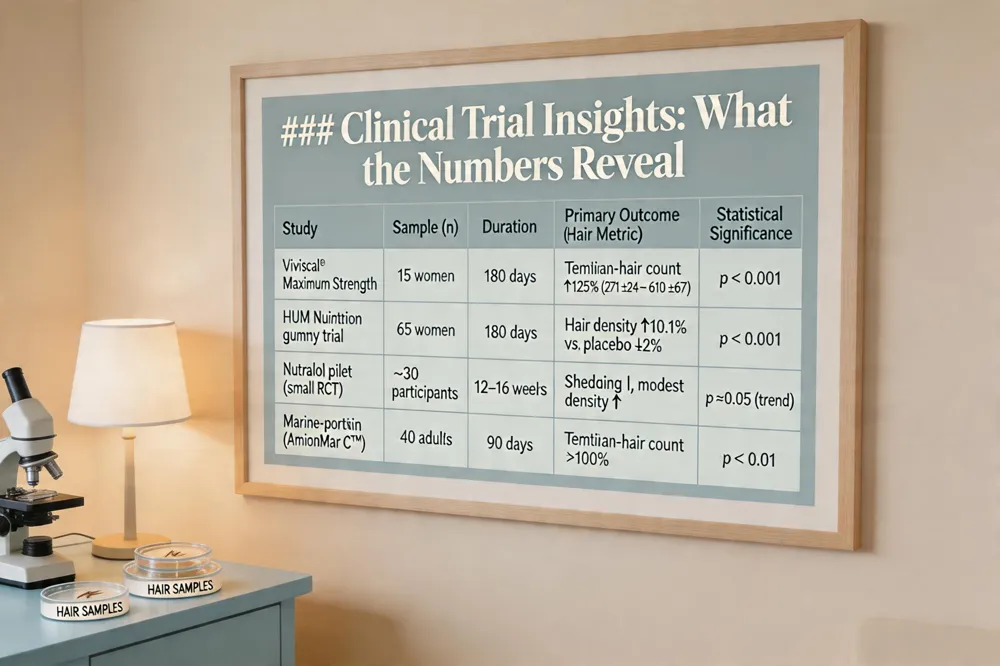 Recent randomized, double‑blind, placebo‑controlled trials provide the strongest evidence for oral hair‑growth supplements. In the Viviscal® Maximum Strength study (n = 15) women taking the marine‑protein complex for 180 days showed a mean terminal‑hair increase from 271 ± 24 to 610 ± 67 hairs (≈125 % rise) (p < 0.001) with no adverse events, whereas placebo subjects remained unchanged. Nutrafol identified in consumer and professional reviews as the best overall supplement, contains biotin, saw‑palmetto, ashwagandha, and marine collagen; although large‑scale RCTs are limited, smaller studies report modest density gains after 3‑6 months. The HUM Nutrition gummy trial (65 women) demonstrated a 10.1 % rise in hair density (p < 0.001) versus a 2 % decline in placebo, alongside improved tensile strength and self‑reported reductions in shedding. Interpreting statistical significance means recognizing that low p‑values suggest a real effect beyond chance, yet modest sample sizes, short follow‑up, and sponsor‑funded designs caution against over‑extrapolation.
Hair growth supplement reviews – Clinical data confirm that multi‑ingredient supplements can lift terminal‑hair counts, with popular products (Nutrafol, Happy Head, Hims & Hers praised for botanicals that target hormonal, nutritional, and stress pathways; benefits are modest and require 3‑6 months of consistent use.
Hair supplement reviews – The same trials highlight safety and measurable density increases, while consumer feedback emphasizes visible improvements in scalp coverage and shine when the formula matches individual deficiency patterns.
Hair growth pills that actually work – Effective pills address documented deficiencies (iron, vitamin D, zinc) and include proven nutrients (biotin 3‑5 mg, vitamin D ≥ 2,000 IU, zinc ≈ 8‑11 mg).
Best hair supplement – Nutrafol Hair Growth Nutraceutical tops rankings due to its evidence‑backed blend of biotin, saw‑palmetto, ashwagandha, marine collagen, and omega‑3s, especially when paired with dietary optimization and dermatologist guidance.
Nutrafol: A Dermatologist‑Trusted Multi‑Target Formula
Nutrafol: A Dermatologist‑Trusted Multi‑Target Formula
| Ingredient | Mechanism | Evidence Snapshot |
|---|---|---|
| Synergen Complex® (marine collagen, saw‑palmetto, ashwagandha, maca) | Hormonal modulation, oxidative stress reduction, micronutrient gap filling | RCTs show ↓ shedding & modest density ↑ after 12‑16 weeks |
| Biotin (10 mg) | Keratin synthesis | Benefit only if deficient; safe dose |
| Vitamin C & Zinc | Antioxidant & follicle cell support | Improves iron absorption & cell repair |
| Omega‑3 (EPA/DHA) | Anti‑inflammatory | Modest scalp inflammation reduction |
| Collagen peptides | Structural support for hair shaft | Improves tensile strength in pilot studies |
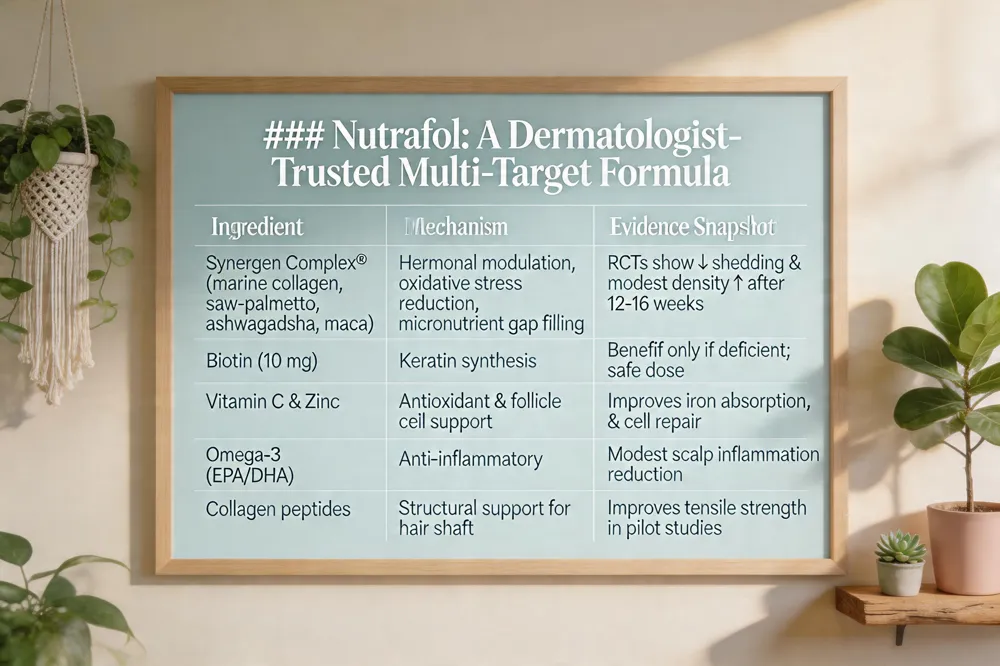 Nutrafol’s line of hair‑health nutraceuticals is built around the patented Synergen Complex®, a blend of botanicals and nutrients such as organic maca, saw‑palmetto, and ashwagandha. These ingredients target hormonal shifts, oxidative stress, and micronutrient gaps that drive thinning, while hydrolyzed collagen and Biotin support keratin synthesis.
Clinical outcomes for women – Randomized, double‑blind, placebo‑controlled trials of Nutrafol’s women‑specific formulas have shown statistically significant reductions in shedding and modest increases in hair density after 12‑16 weeks of daily use. Participants reported thicker, shinier hair and improved scalp coverage, with no serious adverse events reported.
Age‑specific formulations – Nutrafol offers distinct products for different life stages: a women‑over‑45 balance formula that adds phyto‑estrogen support, a prenatal‑friendly version rich in folate and iron, and a younger‑women blend emphasizing antioxidant protection. This tailoring aligns with dermatologists’ recommendation to match supplementation to hormonal status and age‑related changes.
Safety and third‑party testing – All Nutrafol products are manufactured in GMP‑certified facilities and undergo USP/NSF verification for label accuracy and purity. The recommended daily dosages stay within established safe ranges; for example, Biotin is provided at 10 mg—well below levels that interfere with laboratory assays. Users are still advised to obtain baseline labs (iron, ferritin, vitamin D, zinc) and discuss any existing medical conditions with a dermatologist before starting.
Answer to key questions
- Nutrafol hair vitamins: Clinically studied multi‑target blends that improve density and reduce shedding when taken for 3‑6 months.
- Best hair‑growth vitamin for women: Nutrafol Women’s Balance, which combines Biotin, collagen, saw‑palmetto, and zinc, consistently ranks highest for women over 45.
- Best vitamins for faster hair growth: Biotin, vitamin D, iron, zinc, and vitamin C are the most evidence‑backed nutrients.
- Best vitamins for hair loss and regrowth: Biotin, vitamin D, vitamin A, vitamin C, zinc, and omega‑3 fatty acids, used after confirming a deficiency, provide the strongest support for follicle health.
Primal Harvest Hair Growth Complex vs. Nutrafol
Primal Harvest Hair Growth Complex vs. Nutrafol
| Feature | Primal Harvest | Nutrafol |
|---|---|---|
| Core Blend | Biotin, hydrolyzed keratin, collagen peptides, niacin, hyaluronic acid | Marine collagen, Ashwagandha, saw‑palmetto, curcumin, zinc, vitamin C |
| Primary Focus | Building blocks for keratin & scalp hydration | Stress‑hormone modulation, inflammation, micronutrient gaps |
| Onset of Visible Effect | 4‑8 weeks (reduced shedding, thicker strands) | 3‑6 months (density ↑, reduced shedding) |
| Clinical Evidence | Small RCTs show modest terminal‑hair gains | Larger RCTs show ↓ shedding, modest density ↑ |
| Safety Profile | GMP‑certified, gluten‑/soy‑/dairy‑free; no major interactions | GMP‑certified; caution with anticoagulants (saw‑palmetto) |
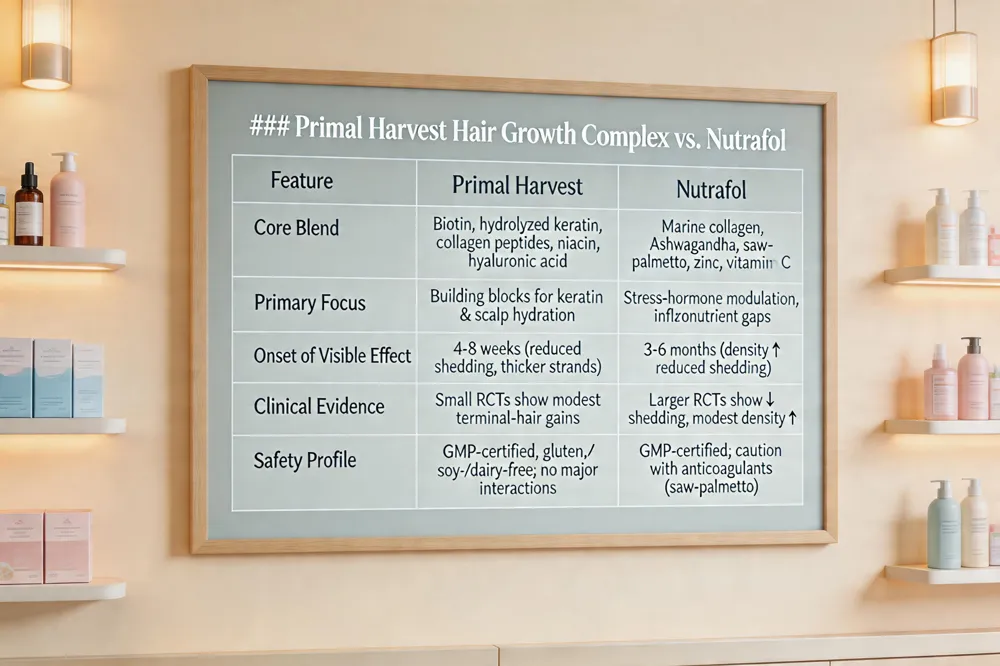 Ingredient profiles and mechanisms Primal Harvest’s capsules combine biotin, hydrolyzed keratin, collagen peptides, niacin, and hyaluronic acid to supply the building blocks for keratin production and improve scalp hydration. Nutrafol, by contrast, uses a broader, stress‑and‑hormone‑focused blend that includes marine collagen, Ashwagandha (Sensoril®), saw‑palmetto, curcumin, zinc, and vitamin C to address hormonal shifts, inflammation, and cortisol‑related shedding while also supporting follicle health.
User‑reported timelines Customers of Primal Harvest often notice reduced shedding and thicker strands within 4‑8 weeks of daily use, with many reporting visible changes by the end of the first month. Nutrafol users typically see improvements after 3‑6 months, reflecting its multi‑pathway approach that targets systemic drivers of thinning.
Clinical evidence comparisons A randomized, double‑blind, placebo-controlled trial of a marine‑protein supplement (AminoMar C™) showed a >100 % increase in terminal hair count after 90 days, supporting the efficacy of marine‑collagen‑based formulas similar to Nutrafol. Smaller studies of biotin‑collagen blends, like the one behind Primal Harvest, have reported statistically significant gains in terminal hair counts compared with placebo, though the magnitude of change is generally lower than that seen with marine‑protein complexes.
Safety and third‑party testing Both products are manufactured in GMP‑certified facilities and undergo third-party verification (e.g., USP, NSF). Primal Harvest is gluten‑, soy‑, dairy‑free and non‑returnable for safety; Nutrafol’s safety profile is favorable at recommended dosages but warrants caution in individuals on anticoagulants due to saw‑palmetto. Neither supplement replaces FDA‑approved treatments such as minoxidil or finasteride, and patients should consult a dermatologist and obtain baseline labs (iron, vitamin D, zinc) before starting any regimen.
Hers Gummies: Prescription‑Strength Minoxidil Meets Convenience
Hers Gummies: Prescription‑Strength Minoxidil Meets Convenience
| Component | Dose per Daily | Primary Action |
|---|---|---|
| Oral Minoxidil | Up to 2.5 mg | Anti‑androgenic, prolongs anagen phase |
| Biotin | 5 mg | Supports keratin synthesis (if deficient) |
| Vitamin B5 (Pantothenic Acid) | 5 mg | Scalp health & moisture |
| Flu‑able format | Convenient daily intake | Improves adherence |
| Dermatology Oversight | Tele‑dermatology questionnaire & prescription | Ensures medical safety |
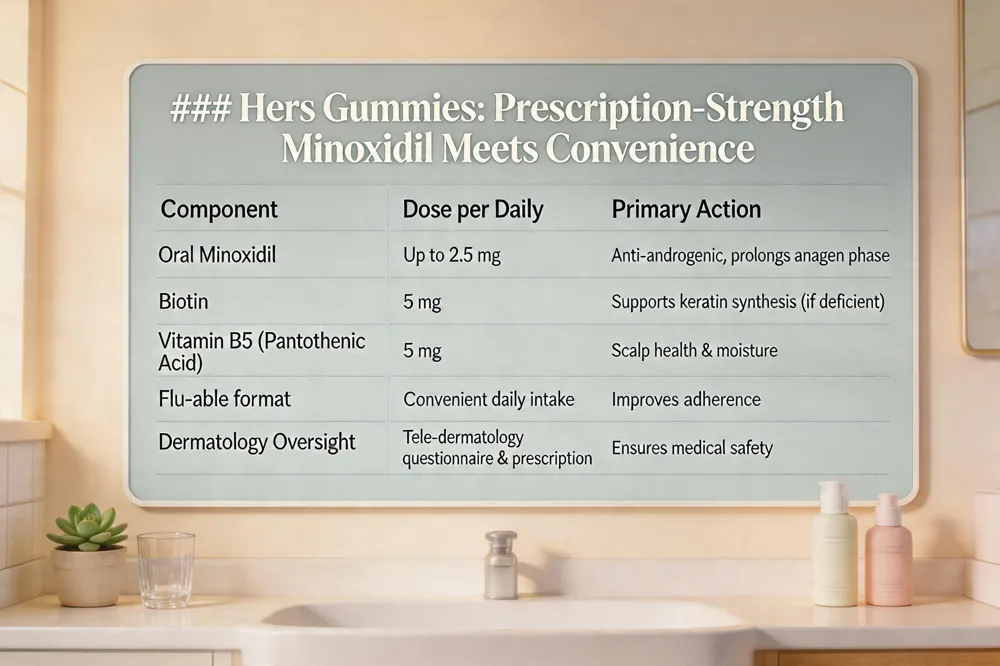 Hers’ hair‑growth gummies combine biotin, vitamin B5, and a low‑dose oral minoxidil (up to 2.5 mg daily) in a flavored chewable format. This multi‑ingredient blend targets keratin production (biotin), supports scalp health (B‑vitamins), and leverages the proven anti‑androgenic effect of minoxidil, which has been shown in clinical studies to reduce shedding and stimulate new growth within three to six months of consistent use.
The program begins with a brief tele‑dermatology questionnaire; a board‑certified dermatologist reviews the responses, confirms eligibility, and issues a prescription that is filled and shipped directly to the patient. This online workflow eliminates the need for an in‑office visit while ensuring medical oversight.
Oral minoxidil, used off‑label at low doses (0.25–5 mg), has a favorable safety profile and is increasingly prescribed for women with early‑stage thinning, complementing the nutritional support provided by biotin and B‑vitamins.
Users report noticeable improvements in hair density and scalp hydration after 3–4 months, especially when the gummies are paired with Hers’ shampoo and scalp‑care line. Pricing starts at roughly $35 per month, making it a relatively affordable, dermatologist‑approved option for women seeking a convenient, evidence‑based hair‑loss regimen.
Women‑Specific Hair Care: Deficiencies, Hormones, and Lifestyle
Women‑Specific Hair Care: Deficiencies, Hormones, and Lifestyle
| Common Deficiency | Lab Threshold | Supplementation Recommendation |
|---|---|---|
| Iron (Ferritin) | < 70 ng/mL | Iron salts 18 mg elemental daily until ferritin >70 ng/mL |
| Vitamin D | 25‑OH < 20 ng/mL | 2,000–5,000 IU vitamin D3 daily, re‑check in 3 months |
| Zinc | Serum Zn < 70 µg/dL | 8–11 mg elemental zinc daily |
| Biotin | Serum biotin < 30 µg/L (rare) | 30 µg – 5 mg daily only if deficient |
| Hormonal (androgen excess) | Clinical assessment | Saw‑palmetto or anti‑androgenic minoxidil (oral) |
| Lifestyle factors | N/A | Stress reduction, balanced diet, omega‑3 intake, gentle hair care |
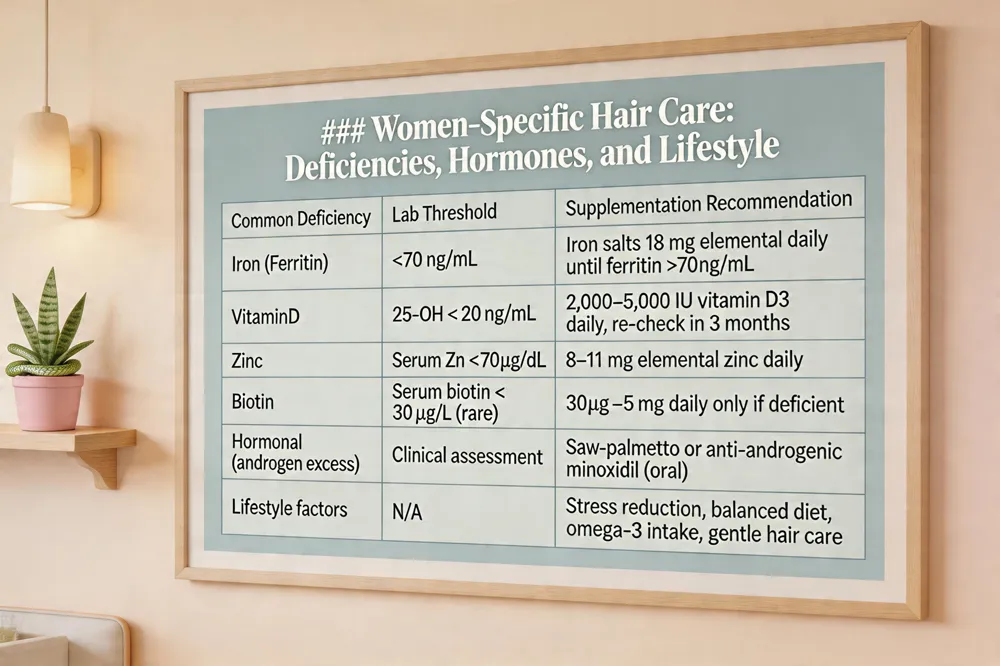 Hair thinning in women is most often linked to correct deficiencies rather than a universal “hair‑growth miracle.” Before adding any supplement, clinicians advise checking serum ferritin and vitamin D levels, because iron‑deficiency anemia and low 25‑OH‑vitamin D are the two nutrients most consistently associated with telogen effluvium and androgenetic alopecia in women. When ferritin is below 70 ng/mL or vitamin D falls under 20 ng/mL, targeted repletion (iron salts and 2 000–5 000 IU vitamin D daily) can reduce shedding and improve follicle health within 3–6 months.
Biotin (vitamin B7) is frequently marketed, but true deficiency is rare in the general population. High‑dose biotin (≥5 mg) offers no proven benefit for hair density and may interfere with thyroid, cardiac‑troponin, and pregnancy assays. Therefore, biotin should be prescribed only after documented deficiency or when a laboratory test confirms low serum levels.
Patients on tirzepatide (Mounjaro) often experience rapid weight loss, which can trigger a stress‑related telogen shift. Routine biotin is not required, but a short‑term, physiologic dose (5 µg‑5 mg) may be considered if labs reveal a deficiency. Monitoring labs and limiting supplementation to documented gaps prevents unnecessary exposure to high‑dose nutrients.
Stress‑reduction ingredients such as ashwagandha, found in several multi‑ingredient hair formulas, have shown modest benefits in lowering cortisol‑driven shedding. Combined with omega‑3 fatty acids for their anti‑inflammatory effects, these botanicals can complement a deficiency‑driven regimen, but they remain adjuncts rather than primary therapy. Ultimately, a personalized plan—based on iron, vitamin D, zinc, and biotin status, together with lifestyle counseling—offers the most evidence‑based pathway to healthier hair for women.
Safety, Side Effects, and When to Seek Professional Care
Safety, Side Effects, and When to Seek Professional Care
| Nutrient/Ingredient | Potential Adverse Effects | Lab Interference / Contraindications |
|---|---|---|
| High‑dose Biotin (≥5 mg) | GI upset, nerve irritation, interferes with thyroid, troponin, pregnancy assays | False‑positive/negative lab results |
| Vitamin A (high) | Hepatotoxicity, hypercalcemia | Contraindicated in pregnancy |
| Zinc (excess) | Nausea, copper deficiency | May affect copper labs |
| Iron (high) | Constipation, abdominal pain | GI irritation |
| Saw‑palmetto / Curcumin | Bleeding risk | Avoid with anticoagulants |
| Marine Collagen / Botanicals | Allergic reactions, hives | Screen for marine/plant allergies |
| When to seek care | No improvement after 3–6 months of adequate supplementation; persistent shedding; lab‑confirmed deficiency | Consider FDA‑approved minoxidil or finasteride |
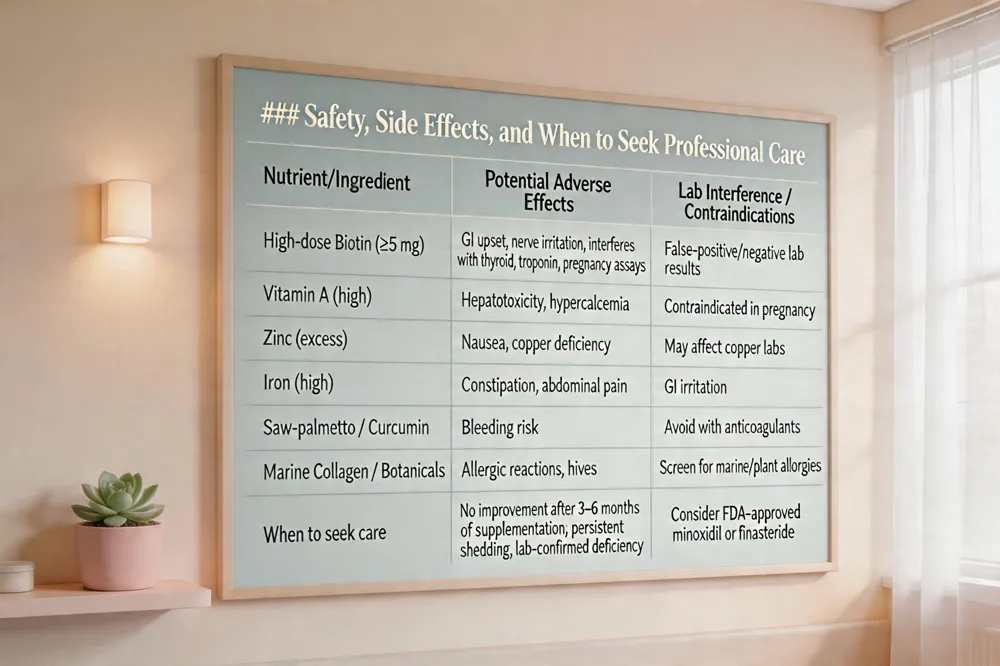 Potential nutrient overdoses are a common safety concern with hair‑growth supplements. High‑dose biotin (≥ 5 mg), vitamin A, zinc and selenium can cause gastrointestinal upset, nerve irritation or, in the case of excess vitamin A, hepatotoxicity and hypercalcemia. Iron‑rich formulas may provoke constipation or abdominal cramping, and large amounts of acidic vitamins can damage the stomach lining.
Lab assay interference is especially notable with biotin: doses above the RDA (30 µg) can produce false‑positive or false‑negative results in thyroid panels, cardiac troponin, and pregnancy tests, potentially leading to misdiagnosis.
Allergic reactions and contraindications arise from marine collagen, dyes, preservatives, or botanicals such as saw palmetto and fo‑ti. Symptoms range from hives and skin inflammation to rare anaphylaxis. Patients on anticoagulants should avoid saw palmetto and curcumin due to increased bleeding risk, and those who are pregnant must avoid high‑dose vitamin A and certain herbal extracts.
When to switch to FDA‑approved therapies: If hair loss persists despite 3–6 months of adequate supplementation, or if laboratory testing reveals a specific deficiency (iron‑ ferritin < 70 ng/mL, vitamin D < 20 ng/mL), clinicians should consider prescription options such as topical minoxidil or oral finasteride, which have robust efficacy data.
Side effects of hair growth supplements – Overdoses of biotin, vitamin A, zinc, and selenium can cause nerve, digestive, or renal issues; iron may cause constipation; biotin interferes with lab assays; allergic reactions to collagen, dyes, or botanicals are possible.
Do any hair growth supplements actually work? – Multi‑ingredient products like Nutrafol and Viviscal have shown modest reductions in shedding and modest increases in terminal‑hair counts in short‑term trials, but evidence is limited and not sufficient to replace FDA‑approved treatments.
Do hair growth supplements work? – A double‑blind, placebo‑controlled study reported a rise in terminal‑hair count from 271 ± 24 to 610 ± 67 after 180 days with no adverse events, indicating some formulations can promote measurable growth. However, results vary, and a dermatologist’s assessment remains essential for personalized therapy.
Putting It All Together: A Practical Roadmap for Glenview Patients
Putting It All Together: A Practical Roadmap for Glenview Patients
| Step | Action |
|---|---|
| 1️⃣ History & Exam | Document family pattern, onset, stress, diet; scalp exam |
| 2️⃣ Targeted Labs | Serum ferritin, 25‑OH vitamin D, zinc, thyroid panel |
| 3️⃣ Deficiency‑Based Supplementation | Iron (if ferritin < 70 ng/mL), vitamin D (if < 20 ng/mL), zinc, biotin (if deficient) |
| 4️⃣ FDA‑Approved Therapy | Topical minoxidil or oral finasteride for androgenetic alopecia (first‑line) |
| 5️⃣ Adjunct Multi‑Ingredient Supplements | Nutrafol, Viviscal, etc., after correcting deficiencies |
| 6️⃣ Monitoring | Re‑check labs & 3 months; photo/trichogram tracking; discontinue ineffective supplements after 6 months |
| 7️⃣ Lifestyle | Nutrient‑dense diet, omega‑3s, stress reduction, adequate sleep, gentle hair care |
 Step‑by‑step assessment protocol
Begin with a thorough history (family pattern, onset, stress, diet) and scalp examination. Order targeted labs—serum ferritin, vitamin D, zinc, and thyroid panel—to identify deficiencies that commonly affect hair (iron, vitamin D, zinc). If labs are normal, consider hormonal or autoimmune causes and refer for dermatologist evaluation.
Step‑by‑step assessment protocol
Begin with a thorough history (family pattern, onset, stress, diet) and scalp examination. Order targeted labs—serum ferritin, vitamin D, zinc, and thyroid panel—to identify deficiencies that commonly affect hair (iron, vitamin D, zinc). If labs are normal, consider hormonal or autoimmune causes and refer for dermatologist evaluation.
When to use supplements vs. prescription meds If a specific deficiency is documented, prescribe the appropriate nutrient (e.g., iron repletion for ferritin < 70 ng/mL, vitamin D ≥ 2,000 IU daily for low serum levels). For androgenetic alopecia, FDA‑approved treatments such as topical minoxidil or oral finasteride remain first‑line; supplements may be added only as adjuncts after correcting deficiencies. Reserve multi‑ingredient hair‑growth supplements (e.g., Viviscal, Nutrafol) for patients with documented thinning but no clear medical indication, emphasizing that measurable results typically require 3–6 months of consistent use.
Monitoring progress and labs Re‑check ferritin, vitamin D, and zinc at 3‑month intervals; track hair density with standardized photos or trichogram counts. Document patient‑reported shedding, thickness, and scalp comfort. Discontinue any supplement that does not show clinical benefit after six months.
Lifestyle and diet recommendations Advise a nutrient‑dense diet rich in lean protein, leafy greens, citrus (vitamin C for iron absorption), oily fish (omega‑3s), and nuts (zinc). Encourage stress‑reduction techniques, adequate sleep (7‑8 h), and gentle hair care (avoid excessive heat, tight hairstyles). Hydration and scalp massage can improve local circulation, supporting follicle health while medical or supplement therapies take effect.
Final Take‑aways for Evidence‑Based Hair Health
Before adding any oral product, have a clinician evaluate your scalp and order targeted labs. Iron (serum ferritin ≥70 ng/mL), vitamin D, and zinc are the three nutrients with the strongest evidence for influencing hair growth when deficient; correcting documented deficiencies often leads to reduced shedding within 3–6 months. If a deficiency is confirmed, choose supplements that have been tested in rigorously designed trials—such as marine‑protein complexes (e.g., AminoMar®) or multi‑ingredient formulas that include the active dose of the deficient nutrient—and use them at the manufacturer‑recommended amount. Supplements should be viewed as adjuncts, not replacements, for FDA‑approved therapies like topical minoxidil or oral finasteride when treating androgenetic alopecia or other significant hair disorders. Finally, prioritize a nutrient‑dense diet rich in lean protein, leafy vegetables, citrus fruit, and fatty‑fish, and adopt scalp‑friendly habits—gentle cleansing, regular massage, and avoidance of excessive heat or harsh chemicals—to support follicle health and maximize the benefit of any targeted supplementation.