Why a Dermatology Exam Matters for Your Skin Health
Your skin is your body's largest organ, and like any other part of your health, it deserves regular attention. A dermatology exam is more than a check for suspicious moles; it's a thorough evaluation that can detect skin cancer early, when it's most treatable, and help you maintain healthy, vibrant skin for years to come.
The Critical Role of Annual Skin Exams
Skin cancer is the most common form of cancer in the United States, yet it is also one of the most preventable and treatable when caught early. An annual full-body skin exam by a board-certified dermatologist is your first line of defense. These screenings are designed to detect not only melanoma, the deadliest form of skin cancer, but also basal cell carcinoma, squamous cell carcinoma, and precancerous lesions.
Regular exams are especially important if you have any of these risk factors:
- A personal or family history of skin cancer
- Fair skin, light eyes, or red or blond hair
- A history of blistering sunburns or extensive sun exposure
- Many moles or atypical (unusual-looking) moles
- A weakened immune system
- Use of tanning beds
Even without these risk factors, sun damage accumulates over time, making annual screenings a wise choice for everyone. Early detection through a routine exam often means simpler, less invasive treatment and a much higher chance of a full recovery.
What to Expect: A Personalized, Thorough Process
At On The Spot Dermatology in Glenview, Illinois, our approach centers on personalized care from skilled providers who focus on both your skin health and aesthetic goals. We understand that a first visit can feel unfamiliar, so here is a clear picture of what happens during a dermatology exam.
Before the exam: You will change into a medical gown for privacy. We recommend arriving with clean, bare skin—free of makeup, nail polish, and heavy lotions—and your hair worn loose so we can examine your scalp. Bring a list of your current medications and any questions you have about your skin.
During the exam: Your dermatologist will begin by reviewing your medical history, discussing any spots you're concerned about, and asking about your sun exposure and family history of skin conditions. The exam itself is a head-to-toe visual inspection, covering your scalp, face, ears, neck, chest, back, arms, hands, legs, feet, and between your toes. We use a dermatoscope—a specialized magnifying tool with a light—to closely examine any moles or spots. The entire exam typically takes 15 to 20 minutes and is painless. If we find a spot that looks suspicious, we may recommend a biopsy, which is a quick, in-office procedure using a local anesthetic to remove a small sample for lab analysis. Results are generally available within 7 to 10 days.
Beyond Cancer Screening: Comprehensive Skin Health
A dermatology exam isn't just about cancer detection. It's also an opportunity to address a wide range of skin concerns that affect your comfort and confidence. Whether you're dealing with persistent acne, eczema, psoriasis, rosacea, or hair loss, your dermatologist can provide a diagnosis and create a tailored treatment plan. For those interested in cosmetic enhancement, we offer consultations for treatments like Botox, dermal fillers, chemical peels, laser therapy, and microneedling to address fine lines, uneven pigmentation, and volume loss.
Empowering You Through Education
We believe an informed patient is an empowered one. During your visit, we take time to answer your questions, explain any findings, and provide guidance on sun protection, self-exams, and skincare routines. You'll leave with a clear understanding of your skin health, any recommended next steps, and a personalized schedule for future exams.
Your first dermatology visit sets the foundation for a lifetime of healthy skin. By making that appointment, you're taking a proactive step toward early detection, effective treatment, and the confidence that comes with knowing you're caring for your skin the right way. At On The Spot Dermatology, we're here to support you every step of the way.Heading: Why a Dermatology Exam Matters for Your Skin Health
Content: Your skin is your body’s largest organ, and like any other part of your health, it deserves regular, professional attention. A dermatology exam is far more than a quick look at your moles—it is a comprehensive, personalized evaluation that can detect skin cancer early, when it is most treatable, and help you maintain healthy, vibrant skin for years to come.
The Critical Role of Annual Skin Exams
Skin cancer is the most common form of cancer in the United States, yet it is also one of the most preventable and treatable when caught early. An annual full-body skin exam by a board-certified dermatologist is your first and best line of defense. These screenings are designed to detect not only melanoma, the deadliest form of skin cancer, but also basal cell carcinoma, squamous cell carcinoma, and precancerous lesions like actinic keratosis.
Regular exams are especially important if you have any of these risk factors:
- A personal or family history of skin cancer
- Fair skin, light eyes, or red or blond hair
- A history of blistering sunburns or extensive sun exposure
- Many moles or atypical (unusual-looking) moles
- A weakened immune system
- Use of tanning beds
Even without these risk factors, sun damage accumulates over time, making annual screenings a smart choice for everyone. Early detection through a routine exam often means simpler, less invasive treatment and a much higher chance of a full recovery.
What to Expect: A Personalized, Thorough Process
At On The Spot Dermatology in Glenview, Illinois, our approach centers on personalized care from skilled providers who focus on both your skin health and aesthetic goals. We understand that a first visit can feel unfamiliar, so here is a clear picture of what happens during a dermatology exam.
Before the exam: You will change into a medical gown for privacy. We recommend arriving with clean, bare skin—free of makeup, nail polish, and heavy lotions—and your hair worn loose so we can examine your scalp. Bring a list of your current medications and any questions you have about your skin.
During the exam: Your dermatologist will begin by reviewing your medical history, discussing any spots you’re concerned about, and asking about your sun exposure and family history of skin conditions. The exam itself is a head-to-toe visual inspection, covering your scalp, face, ears, neck, chest, back, arms, hands, legs, feet, and between your toes. We use a dermatoscope—a specialized magnifying tool with a light—to closely examine any moles or spots. The entire exam is painless and typically takes 15 to 20 minutes. If we find a spot that looks suspicious, we may recommend a biopsy, which is a quick, in-office procedure using a local anesthetic to remove a small sample for lab analysis. Results are generally available within 7 to 10 days.
Beyond Cancer Screening: Comprehensive Skin Health
A dermatology exam isn’t just about cancer detection. It’s also an opportunity to address a wide range of medical and cosmetic skin concerns that affect your comfort and confidence. Whether you are dealing with persistent acne, eczema, psoriasis, rosacea, hair loss, or signs of aging, your dermatologist can provide an accurate diagnosis and create a tailored treatment plan. For those interested in cosmetic enhancement, we offer consultations for treatments like Botox, dermal fillers, chemical peels, laser therapy, and microneedling to address fine lines, uneven pigmentation, volume loss, and skin texture.
Empowering You Through Education and Partnership
We believe that an informed patient is an empowered one. During your visit, we take time to answer your questions, explain any findings, and provide practical guidance on sun protection, self-exams, and an effective skincare routine. You will leave with a clear understanding of your skin health, any recommended next steps, and a personalized schedule for future exams.
Your first dermatology visit sets the foundation for a lifetime of healthy skin. By making that appointment, you are taking a proactive step toward early detection, effective treatment, and the confidence that comes with knowing you are caring for your skin the right way. At On The Spot Dermatology, we are here to support you every step of the way. | Aspect | What You Need to Know | |--------|-----------------------| | Purpose of exam | Early detection of skin cancer and other skin conditions; personalized skin health assessment | | Key risk factors | Family history, fair skin, many moles, sunburns, tanning bed use, weakened immune system | | Exam duration | Typically 15 to 20 minutes; first visits may take longer | | Preparation tips | No makeup or nail polish; wear hair loose; bring medication list and questions | | Tools used | Dermatoscope for magnified, lighted inspection of moles and spots | | Next steps if needed | Biopsy (in-office, local anesthetic), photography for monitoring, or treatment plan | | Our focus | Personalized, thorough care for both medical and cosmetic skin needs | | Follow-up schedule | Annual exam for most patients; more frequent for higher-risk individuals|
What to Expect During a Full-Body Skin Exam: From Check-In to Check-Out
What to expect at a first dermatologist appointment for acne?
Your first visit starts with a focused discussion about your acne history, including when breakouts began, what you have tried, and potential triggers like stress or diet. You will be asked to arrive with clean, bare skin to allow for a clear visual assessment. Based on the type and severity of your acne, the dermatologist will create a personalized treatment plan that may include prescription topicals, oral medications, or in-office procedures such as chemical peels. They will also review your current products and any past treatments, helping to pinpoint what works best for your skin type. Bring photos of past flare-ups to give the doctor a more complete picture of your condition.
What happens during a dermatology consultation?
A consultation begins with a comprehensive review of your medical history, including family skin conditions, sun exposure, and your specific concerns. You will then be asked to undress in private and put on a medical gown. The dermatologist inspects your skin from head to toe, covering areas like the scalp, face, ears, hands, feet, back, and between toes. A dermatoscope is used to get a magnified look at any unusual moles or spots. If a suspicious lesion is found, a biopsy may be performed after numbing the area with a local anesthetic. After the exam, findings and treatment options are discussed. To prepare, avoid makeup, nail polish, and lotions, and keep long hair loose.
What do dermatologists do during a skin check?
During a skin check, you change into a gown, and the dermatologist asks about any spots that have changed or are concerning. They perform a thorough head-to-toe inspection of your skin, including your scalp, mouth, nails, and the soles of your feet. High-risk areas like the back and between toes receive extra attention. The doctor uses a dermatoscope to closely examine any suspicious spots. If needed, a biopsy may be performed that same day after numbing the area. Alternatively, spots that don't yet need removal may be photographed for future comparison. The entire process usually takes about 20 minutes for a first visit, which also includes a discussion of your medical history and risk factors.
| Preparation Step | Purpose | Example Action |
|---|---|---|
| Clean, bare skin | Allows unobstructed visual inspection | Skip makeup, lotions, and nail polish |
| Loose, comfortable clothing | Makes changing into a gown easy | Wear a button-down shirt and slip-on shoes |
| Medical history list | Provides context for risk assessment | Bring a list of medications and past skin conditions |
| Questions and concerns | Ensures all issues are addressed | Note any spots that have changed, itched, or bled |
After the exam, the doctor will review findings, offer personalized treatment recommendations, and advise on how often you should return—usually once a year for average-risk patients. You will leave with a clear understanding of your skin health and any necessary next steps.
Red Flags and Warning Signs: The ABCDEs of Skin Cancer and Other Concerns
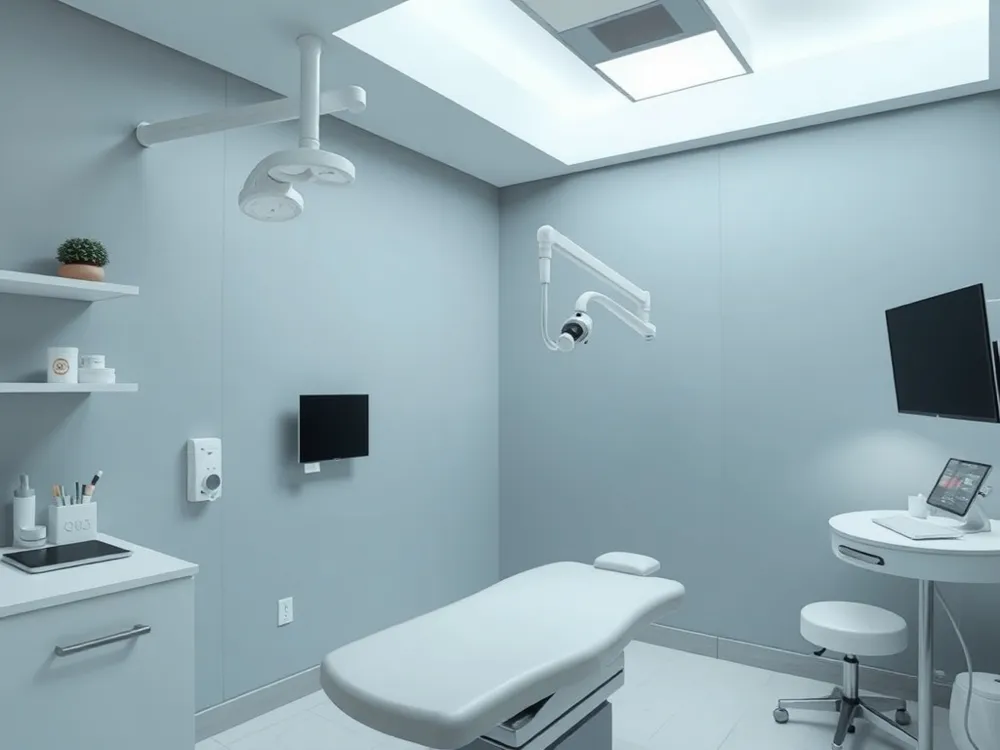
Recognizing Red Flags in Your Skin
A red flag in dermatology is any visible change that warrants a professional evaluation. This includes a new or changing mole, freckle, or spot, as well as a sore that fails to heal or repeatedly scabs over. Other warning signs are persistent redness, itching, or irritation, sudden acne in adulthood, dry or cracked skin that doesn't improve with over-the-counter products, or any unexplained change in pigmentation. Identifying these signs is the first step toward early detection and effective treatment.
What Are the ABCDEs of Skin Cancer?
The ABCDE rule is a simple guide to help detect melanoma, the most serious form of skin cancer. A stands for Asymmetry—one half of the mole does not match the other. B is for irregular Border—edges that are blurred, ragged, or notched. C is for Color—multiple shades of brown, tan, black, or even red, white, or blue. D is for Diameter—a mole larger than 6mm (about the size of a pencil eraser), though any changing dark spot is cause for concern. E stands for Evolving—any change in size, shape, color, or the development of new symptoms like itching or bleeding. Regular self-exams using this rule can help you spot suspicious moles early.
Understanding the 2-Week Rule for Skin Cancer
The 2-week rule is an urgent referral guideline ensuring that a patient with a suspicious skin lesion sees a specialist within 14 days. For malignant melanoma, a referral is warranted if a pigmented lesion scores 3 or more on a 7-point weighted checklist or if dermoscopy suggests malignancy. For squamous cell carcinoma, an urgent referral is considered for any suspicious, raised, ulcerated, or crusting lesion, particularly in immunocompromised patients. For basal cell carcinoma, the 2-week rule applies only if a delay could have an unfavorable impact due to the lesion's location or size. This rule helps prioritize the most concerning skin cancers, ensuring timely diagnosis.
| Warning Sign | Description | Action Needed |
|---|---|---|
| New or Changing Spot | A mole, freckle, or spot that appears new or changes in size, shape, or color. | Schedule a full skin exam with a dermatologist. |
| Non-Healing Sore | A spot that bleeds, scabs, or fails to heal within 2 weeks. | Same-day or urgent dermatology appointment recommended. |
| ABCDE Criteria | Moles with asymmetry, irregular border, multiple colors, diameter >6mm, or evolving characteristics. | Immediate evaluation; likely requires a biopsy. |
| Persistent Irritation | Ongoing redness, itching, pain, or tenderness in a specific area of skin. | Professional evaluation for potential cancerous or inflammatory conditions. |
| Urgent Signs (2-Week Rule) | Suspicious pigmented lesion scoring ≥3 on a 7-point checklist, or dermoscopy suggesting malignancy. | Urgent referral to ensure a specialist is seen within 14 days. |
Essential Questions to Ask Your Dermatologist at Your First Visit
Your first visit to a dermatologist is an opportunity to take charge of your skin health. Asking the right questions ensures you get the most out of your appointment and helps your provider create a truly personalized care plan.
What is causing my skin, hair, or nail concern?
Begin by asking your dermatologist about the likely cause of your specific issue. Understanding whether a condition is genetic, hormonal, or linked to lifestyle factors like diet or stress can guide your treatment. For acne or hair loss, inquire about potential triggers, the risk of scarring, and whether prescription treatments or blood tests are necessary to get to the root of the problem.
What treatment options are available for me?
Ask about both in-office procedures and at-home routines that can address your goals. In-office treatments like chemical peels, microneedling, platelet-rich plasma (PRP) therapy, or lasers can offer powerful results. Your dermatologist can also recommend medical-grade skincare products tailored to your skin type and condition, creating a comprehensive plan that combines professional and home care.
What prevention strategies should I follow?
Prevention is a key part of any dermatology visit. Discuss how to avoid future flare-ups of conditions like acne, eczema, or psoriasis. During a skin cancer screening, ask direct questions: Are any spots suspicious? What are my personal risk factors based on my sun exposure, skin type, and family history? What findings are seen through the dermatoscope? This information helps you understand your skin's baseline and what to watch for.
How often should I return for follow-up visits?
Clarifying your follow-up schedule is essential for ongoing care. Ask how often you should come in for routine skin exams—most people need an annual check, but those with a history of skin cancer or atypical moles may require more frequent visits. Also, ask what signs should prompt an earlier appointment, such as changes in a mole's size, shape, or color, or any new, bleeding, or non-healing spots.
To make the most of your visit, come prepared with a list of your questions and any photos of past flare-ups or skin changes. This level of preparation helps you leave the appointment feeling informed, empowered, and confident in your personalized skin health plan.
Acne and Other Common Skin Conditions: Diagnosis and Treatment Options

What is the most common diagnosis in dermatology?
Acne is the most common skin condition in the United States, affecting people of all ages. It develops when pores become clogged with excess oil, dead skin cells, and bacteria, leading to blackheads, whiteheads, papules, pustules, and sometimes deeper, painful cysts. While acne is prevalent, other frequent diagnoses include eczema, psoriasis, rosacea, seborrheic dermatitis, melasma, and skin cancer. Age spots and other forms of sun damage are also very common.
What should I expect during a first appointment for a skin condition?
A proper diagnosis is the foundation of an effective treatment plan. During a first appointment for a condition like acne, your dermatologist will take a detailed history and perform a close visual exam. To allow for the most accurate assessment, you should come without makeup and bring a list of the skincare products you currently use. Photos of past flare-ups can also be very helpful.
For general dermatology concerns, the provider uses standardized terminology—such as macule, papule, plaque, and pustule—to accurately describe any skin lesions. A tool called a dermatoscope may be used for a magnified, detailed view. This thorough evaluation ensures a personalized treatment approach.
What treatment options are available?
Depending on your specific diagnosis, your personalized plan may include prescription topical medications, oral medications, or in-office procedures like chemical peels. Lifestyle adjustments are also an important part of managing many skin conditions. Options at our practice include topical and injectable medications, advanced serums and ointments, light therapy, laser treatments, and dermatologic surgery such as mole removal. Our goal is to provide effective care that supports both your skin health and your aesthetic goals.
| Condition | Typical Features | Common Treatment Options |
|---|---|---|
| Acne | Blackheads, whiteheads, papules, pustules, cysts | Topical retinoids, benzoyl peroxide, oral antibiotics, chemical peels |
| Eczema | Dry, itchy, inflamed patches | Moisturizers, topical corticosteroids, prescription creams |
| Psoriasis | Thick, scaly, red plaques | Topical treatments, light therapy, systemic medications |
| Rosacea | Facial redness, visible blood vessels, bumps | Topical metronidazole, oral antibiotics, laser therapy |
| Skin Cancer | Changing moles, new growths, non-healing sores | Surgical removal (excision, Mohs), biopsy, topical treatments |
Practical Tips: Appointment Length, Preparation, and Access Without Insurance

How long does a first dermatologist appointment take?
A first dermatologist appointment typically lasts between 15 and 45 minutes. A simple concern, like a rash or mole check, may only take 10 to 20 minutes, while a full-body skin cancer screening can take up to an hour. Plan for 30 to 60 minutes to include paperwork.
How can I see a dermatologist without insurance?
Without insurance, telemedicine services like Teladoc offer a virtual consult with a board-certified dermatologist for about $95. In-person initial consults are often around $150. Many practices offer payment plans or sliding-scale fees. Check with community health centers and always ask about self-pay discounts.
What are the 5 basics of skin care?
For healthy skin, focus on these five essentials:
- Cleanse daily to remove dirt and oil.
- Moisturize daily to maintain hydration.
- Wear sunscreen every day for UV protection.
- Use a retinol or retinoid to boost collagen and cell turnover.
- Get a yearly skin exam for early detection.
How do I prepare for my appointment?
For the best exam, arrive with clean, bare skin. Remove all jewelry, makeup, and nail polish. Wear loose, comfortable clothing and keep your hair loose. Avoid lotions, perfumes, and fresh tan or sunburn, as these can hinder accuracy. Bring a list of medications, past skin conditions, and any photos of flare-ups. You should leave the appointment feeling better-informed and empowered.
Preparation checklist at a glance
| Do | Don't |
|---|---|
| Remove makeup and nail polish | Apply lotions, oils, or perfumes |
| Wear loose, comfortable clothing | Wear tight or hard-to-remove clothes |
| Keep hair loose for scalp access | Wear hair in a tight bun or updo |
| Bring medication list and health history | Come with a fresh tan or sunburn |
| Bring photos of past flare-ups | Forget to note current skin concerns |
| Ask about self-pay discounts or payment plans | Assume insurance is required for care |
| Service | Typical Cost Without Insurance | Key Details |
|---|---|---|
| Telemedicine consult (e.g., Teladoc) | ~$95 | Virtual visit with board-certified dermatologist |
| In-person initial consultation | ~$150 | Price varies by location and practice |
| Payment plans / sliding-scale fees | Varies | Offered by many private practices |
| Community health centers | Reduced cost | May offer dermatology services on a sliding scale |
| Self-pay discounts | Varies | Always ask when booking the appointment |
| Skincare Essential | Purpose | Example Product Type |
|---|---|---|
| Daily cleanser | Removes dirt, oil, and impurities | Gentle foaming or cream cleanser |
| Daily moisturizer | Hydrates and supports skin barrier | Fragrance-free moisturizer |
| Daily sunscreen | Protects against UV damage and skin cancer | SPF 30+ broad-spectrum sunscreen |
| Retinol or retinoid | Boosts collagen, speeds cell renewal | Over-the-counter retinol or prescription retinoid |
| Yearly skin exam | Early detection of skin cancer and conditions | Full-body exam by a board-certified dermatologist |