Introduction
Microneedling, also called collagen‑induction therapy, creates thousands of tiny micro‑injuries that trigger a controlled wound‑healing cascade. The resulting inflammation recruits fibroblasts, which synthesize new collagen and elastin, leading to smoother texture, firmer tone, and reduced fine lines. Vitamin C is a potent antioxidant that supports this process: it stabilises collagen‑building enzymes, brightens hyperpigmentation, and neutralises free radicals generated by the procedure. Because microneedling temporarily opens micro‑channels, the skin becomes far more permeable, making the timing of post‑procedure actives crucial. Applying an acidic vitamin C serum too soon can cause stinging, redness, and delayed healing, while waiting for the barrier to reseal allows the antioxidant to be absorbed safely and effectively. This article first explains the three healing phases after microneedling, then outlines when and how to re‑introduce vitamin C, recommends the most skin‑friendly derivatives, and finishes with practical after‑care tips—including hydration, sunscreen, and patch‑testing—to optimise results for every patient.
Understanding Healing Phases and the Benefits of Vitamin C
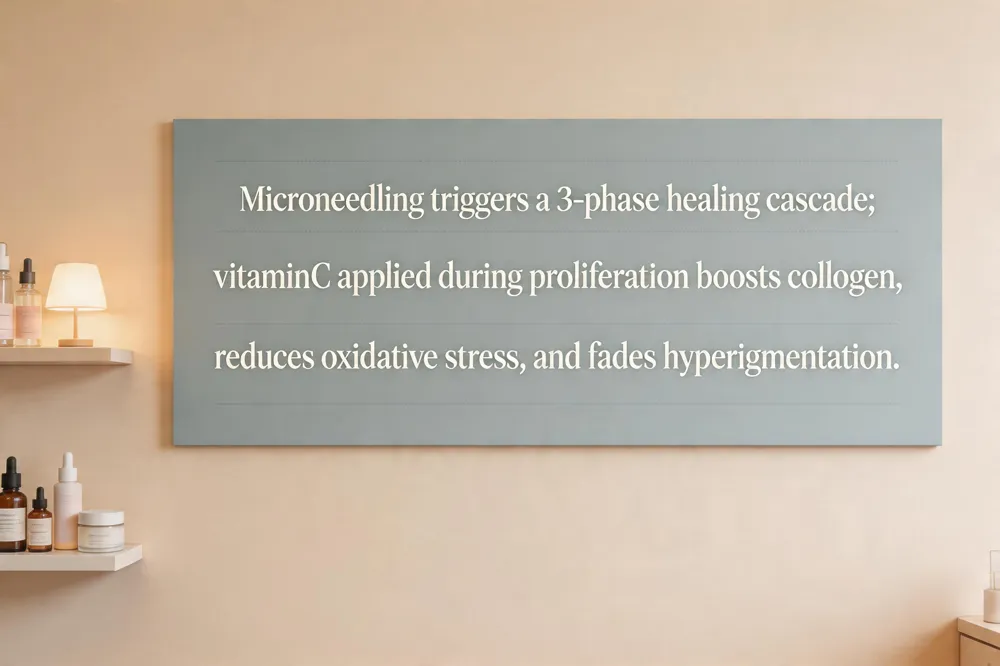 Microneedling initiates a three‑phase wound‑healing cascade. The inflammatory phase (days 1‑4) brings redness and tenderness as the skin’s immune response clears debris and releases growth factors. During the proliferation phase (days 4‑14) fibroblasts lay down new collagen and elastin, while micro‑channels begin to close. The maturation phase (week 2 +) sees remodeling of the extracellular matrix and strengthening of the skin’s barrier.
These micro‑channels dramatically increase transepidermal delivery of topical agents—up to 40 % more penetration—so anything applied after the skin has resealed can reach deeper layers. Vitamin C, a potent antioxidant, capitalizes on this window. When introduced during the proliferation phase, it neutralizes free radicals generated by the micro‑injuries, protects fibroblasts, and further stimulates collagen and elastin synthesis. The combined effect amplifies the tightening and texture‑improving benefits of microneedling.
Vitamin C also inhibits tyrosinase, reducing melanin formation and helping fade post‑inflammatory hyperpigmentation that often follows microneedling. The brightening action enhances overall radiance, giving the rejuvenated skin a smoother, more uniform complexion.
What are the benefits of combining microneedling with vitamin C? When vitamin C is applied after the microneedling healing window, its powerful antioxidant properties neutralize free radicals generated by the micro‑injuries, protecting skin cells from oxidative stress. The vitamin also stimulates fibroblasts, boosting collagen and elastin production to amplify the tightening and texture‑improving effects of microneedling. By inhibiting melanin formation, vitamin C helps fade post‑inflammatory hyperpigmentation and evens skin tone for a more uniform complexion. Its brightening action enhances overall radiance, making the rejuvenated skin look fresher and more luminous. Together, the two treatments accelerate recovery, reduce redness, and deliver longer‑lasting, smoother, and healthier‑looking skin.
Can you microneedle if you have lupus? Microneedling is generally not recommended for patients with active lupus or other autoimmune skin conditions because it can trigger the Koebner phenomenon (new lesions at trauma sites). A dermatologist should evaluate each case individually.
Immediate Post‑Treatment Care: Hydration and Soothing
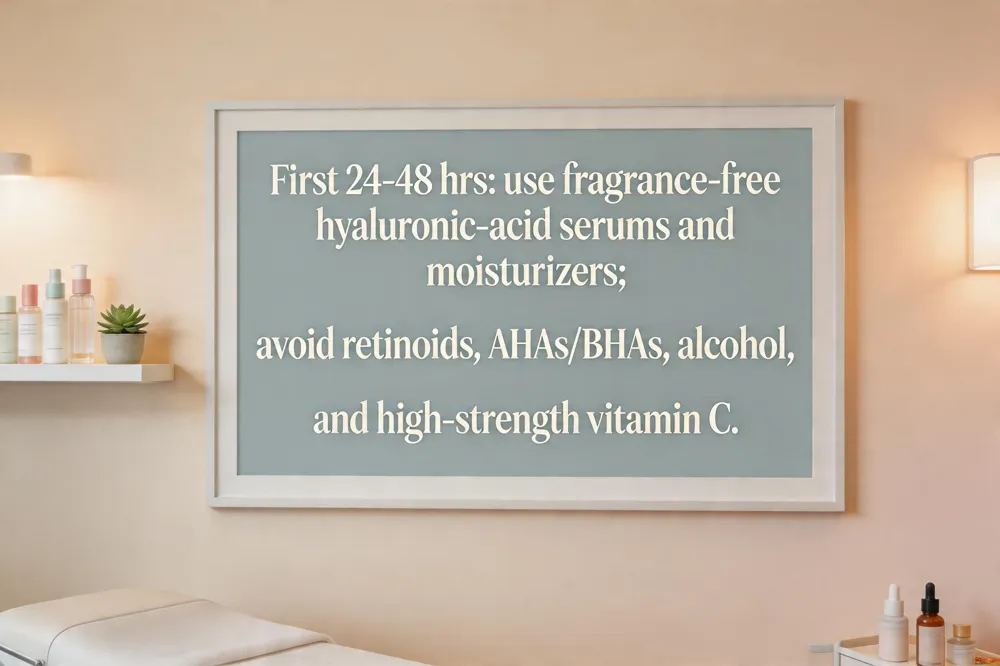 The first 24‑48 hours after microneedling are a critical “recovery window.” The skin’s barrier is compromised, so aggressive actives can provoke stinging, redness, or delayed collagen remodeling. Pure hyaluronic acid is the ideal first‑line serum because it is a humectant that draws water into the epidermis without irritating the fresh micro‑injuries, helping to plump the skin and reduce tightness. Choose fragrance‑free, non‑comedogenic moisturizers that contain hyaluronic acid, glycerin, or soothing peptides; avoid retinoids, AHAs/BHAs, alcohol, fragrance, and high‑strength vitamin C during this period.
What serum should I use after microneedling?
After microneedling, opt for a gentle, barrier‑supporting serum such as a pure hyaluronic‑acid formula or a peptide‑rich serum. These hydrate and calm the skin while avoiding actives like retinoids, strong vitamin C, glycolic or salicylic acid. Follow with SPF 30+ after the first 24 hours.
What happens if I use vitamin C serum after microneedling?
Applying vitamin C immediately can cause irritation, redness, and slower healing because the skin is still permeable and inflamed. A 48‑72‑hour wait allows the barrier to reseal; then a low‑concentration, fragrance‑free vitamin C can safely boost collagen synthesis. Persistent irritation warrants discontinuation and a dermatologist’s advice.
Re‑Introducing Vitamin C Safely
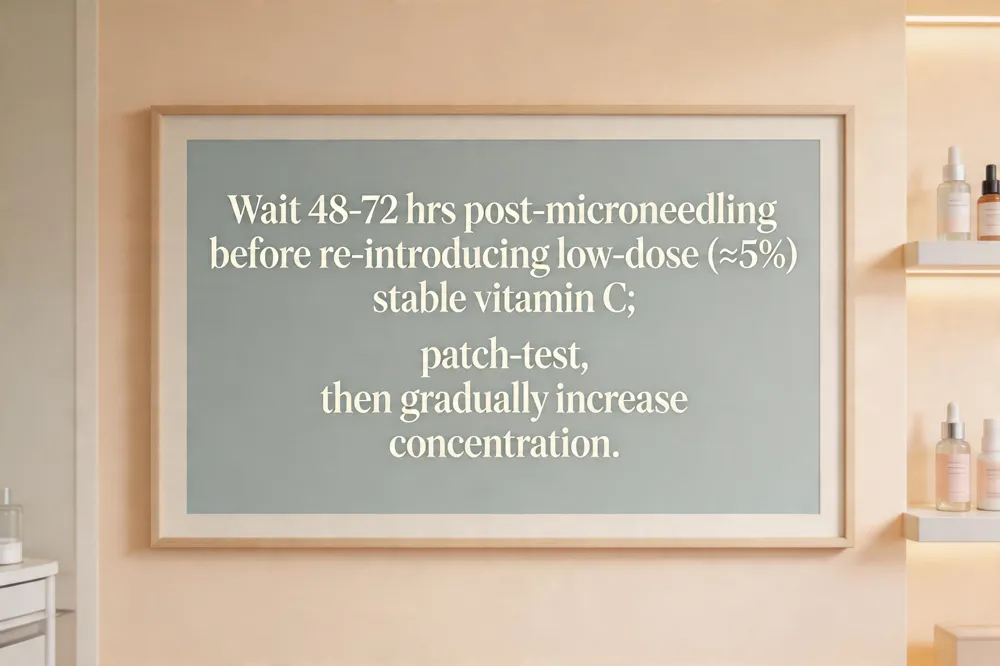 After microneedling the skin’s micro‑channels are open for roughly 48‑72 hours, during which the barrier is still healing and highly sensitive. For this initial phase the focus should be on soothing hydration—pure hyaluronic acid serums and a gentle, fragrance‑free moisturizer are ideal. Do not apply any vitamin‑C product until the redness and tenderness have subsided, typically around day 3‑5.
Recommended waiting period – Minimum 48 hours for most skin types; extend to 72 hours (or up to a week for very sensitive skin) before re‑introducing vitamin C.
Low‑concentration, stable derivatives – Start with a serum containing 5 % L‑ascorbic acid or a gentler form such as sodium ascorbyl phosphate or magnesium ascorbyl phosphate. Formulas that also include vitamin E and ferulic acid improve stability and reduce irritation.
Patch‑testing protocol – Apply a small amount of the chosen serum behind the ear or on the inner wrist and leave it for 24 hours. If no stinging, redness, or burning occurs, the product is likely safe for full‑face use.
Gradual increase – Begin with once‑daily application of the low‑dose serum. If tolerated, slowly raise the concentration (up to 10‑15 %) or frequency over the next week, always monitoring for any sign of discomfort.
Day‑by‑day schedule –
- Days 0‑2: gentle cleanser + hyaluronic‑acid serum + moisturizer; no actives.
- Days 3‑5: introduce low‑strength vitamin‑C serum (≈5 %) once daily; continue hydration.
- Day 6 onward: resume regular routine, increasing vitamin‑C strength as tolerated.
Finally, finish every morning with a broad‑spectrum SPF 30+ sunscreen, as the renewed skin is especially photosensitive.
When can I use vitamin C after microneedling? Hold off for at least 48‑72 hours, then start with a low‑concentration, stable serum after patch‑testing, and increase gradually while maintaining hydration and sunscreen.
Microneedling vitamin C timing – day by day schedule Days 0‑2 = soothing hyaluronic acid; Days 3‑5 = gentle 5 % vitamin‑C + stabilizers; Day 6 + = regular routine with progressive concentration increase, always protected by SPF.
Choosing the Optimal Vitamin C Serum
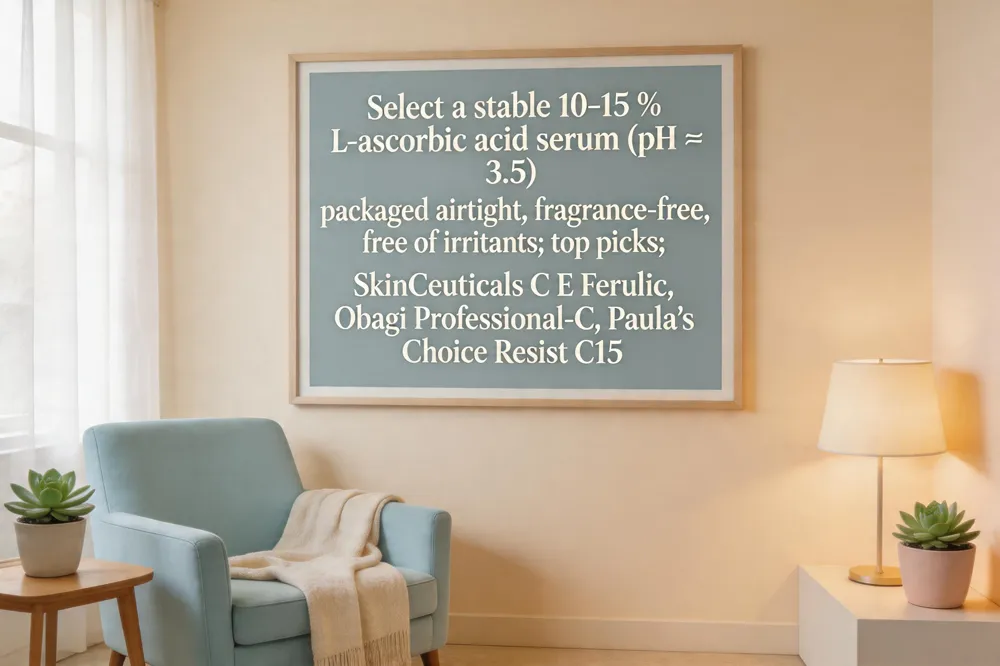 When re‑introducing vitamin C after microneedling, the serum should be a stable L‑ascorbic acid formulation (10‑15 % concentration) with a pH around 3.5. This concentration provides enough potency to boost collagen and elastic‑fiber synthesis while keeping the irritation risk low enough for skin that has just closed its micro‑channels. The product must be packaged in an opaque, air‑tight bottle to protect the antioxidant from light and oxygen, which cause rapid oxidation and loss of efficacy. Fragrance‑free, alcohol‑free, and free of other known irritants (e.g., essential‑oil blends, harsh preservatives) are essential to avoid stinging or burning on the freshly treated face.
Which vitamin C serum is best after microneedling? The most widely‑recommended options that meet these criteria are SkinCeuticals C E Ferulic, Obagi Professional‑C Serum, and Paula’s Choice Resist C15 Super Antioxidant Concentrate. Each contains a stable 10‑15 % L‑ascorbic acid, is buffered to the appropriate pH, and is sealed in an opaque pump or tube. Apply the serum after the initial 24‑48 hour soothing period, once redness has faded and the skin feels plump, to maximize antioxidant protection and collagen stimulation without causing excess irritation.
What benefits does vitamin C serum provide after microneedling for skin and acne? The micro‑channels created by microneedling increase transdermal delivery, allowing vitamin C to penetrate deeper and more efficiently. This boosts fibroblast activity, accelerating collagen and elastin production for faster firmness and texture improvement. Its powerful antioxidant action neutralizes free radicals generated by the procedure, reducing inflammation and post‑treatment redness. Vitamin C also brightens the complexion, fades post‑inflammatory hyper‑pigmentation, and ex mild anti‑bacterial properties that calm active acne lesions while supporting the healing of existing blemishes. Overall, a well‑chosen vitamin C serum enhances recovery, minimizes scarring, and amplifies the cosmetic results of microneedling for both overall skin health and acne management.
Pre‑Treatment Vitamin C and Other Actives
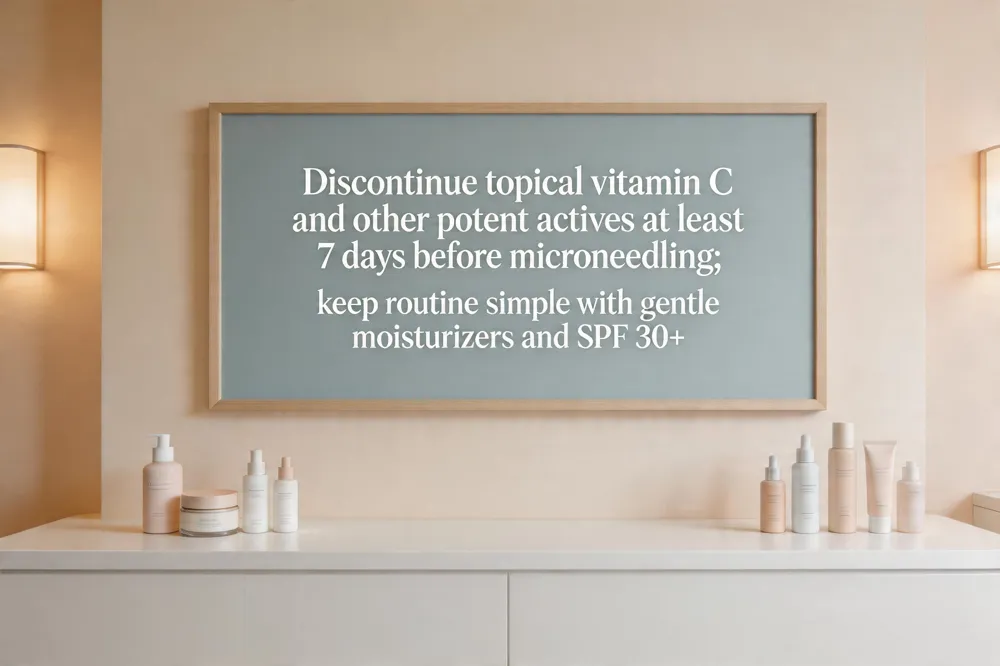 Why vitamin C should be stopped before microneedling – The skin’s barrier is compromised during treatment, and active antioxidants like vitamin C can cause excess irritation when the micro‑channels are fresh. Recommended 7‑day wash‑out period – Discontinue topical vitamin C (and other potent actives) at least seven days prior to your appointment to allow the skin to settle and reduce sensitization. Continuing gentle moisturizers and SPF before treatment – Use a fragrance‑free, hydrating moisturizer and a broad‑spectrum SPF 30+ sunscreen daily to protect and soothe the skin while you pause actives. Avoiding retinoids, AHAs/BHAs, and other irritants – Keep the pre‑procedure routine simple; avoid retinoids, glycolic or salicylic acids, benzoyl peroxide, and strong exfoliants during the wash‑out week.
How long before microneedling should I stop using vitamin C? You should discontinue topical vitamin C (along with other active acids) at least one week—7 days—before your microneedling appointment. This gives the skin time to settle and reduces the risk of excessive irritation or sensitization when the micro‑channels are created. Keep your routine simple during that period, using gentle moisturizers and a broad‑spectrum SPF 30+ sunscreen. After the treatment, wait until the skin has fully recovered (usually 3‑5 days) before re‑introducing vitamin C, starting with a lower concentration. If you have any concerns, consult your provider for a personalized timeline.
Special Populations: Sensitive Skin & Autoimmune Considerations
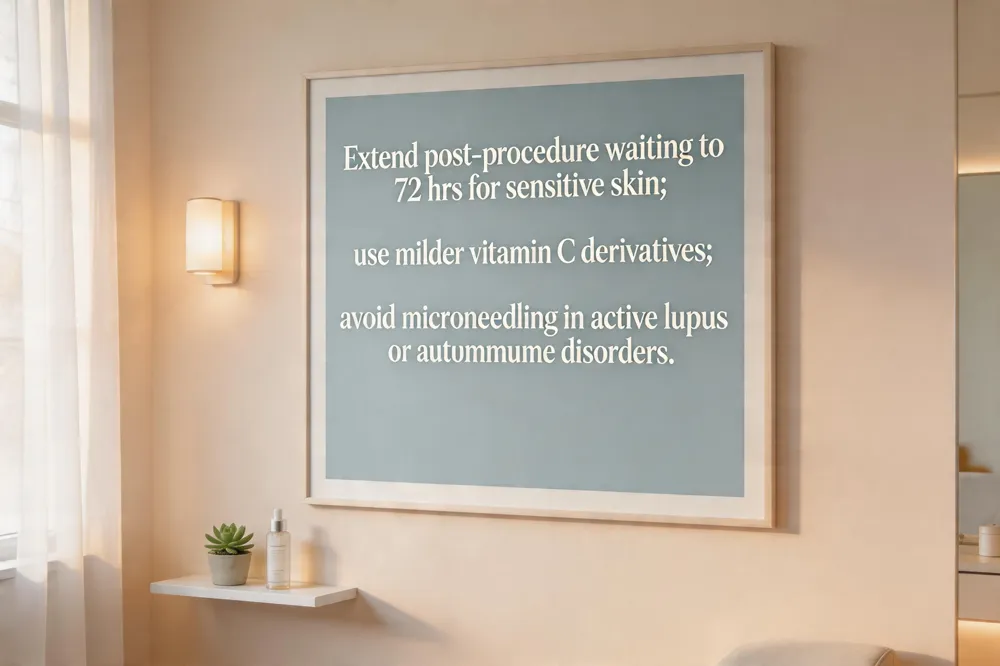 For patients with very sensitive skin, extend the post‑microneedling waiting period to 72 hours before reintroducing any active serum. Opt for gentler vitamin C derivatives such as sodium ascorbyl phosphate or magnesium ascorbyl phosphate, which have higher pH and cause less stinging than L‑ascorbic acid. Individuals with lupus or other autoimmune skin disorders should avoid microneedling altogether because the trauma can provoke the Koebner phenomenon and exacerbate disease activity; a dermatologist must evaluate the risks. Seek professional guidance if you experience persistent redness, pain, new lesions, or any unexpected reaction after treatment.
Q: Can you microneedle if you have lupus? A: Microneedling is generally not recommended for patients with active lupus or other autoimmune skin conditions because it can trigger the Koebner phenomenon (new lesions at trauma sites). A dermatologist should evaluate each case individually.
Day‑by‑Day Aftercare Schedule
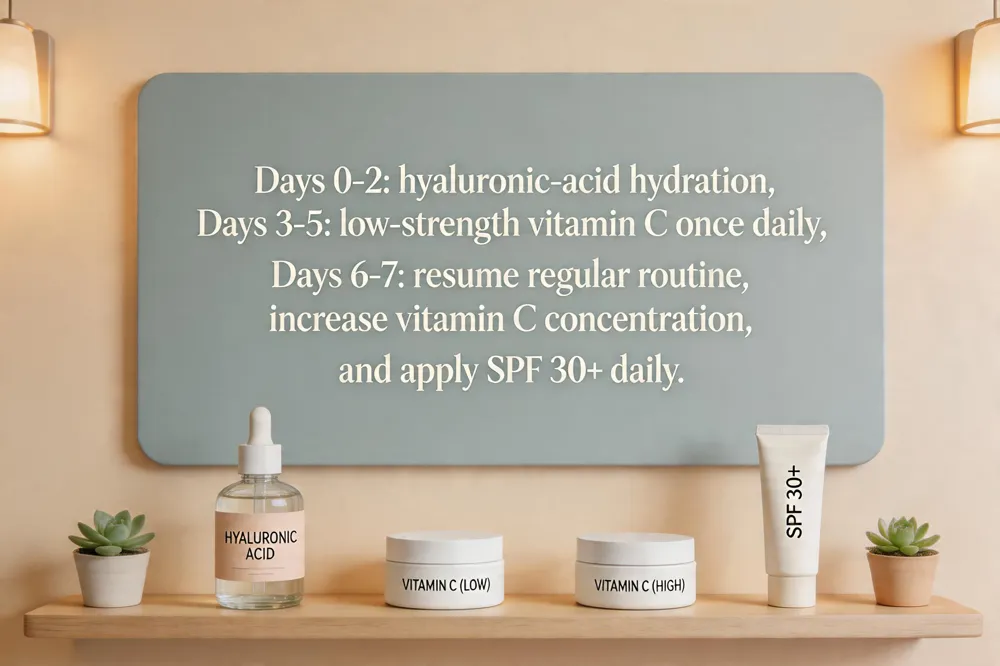 Microneedling vitamin C timing – day by day schedule
After microneedling, give the skin at least 48 hours to heal. Days 0‑2: use a gentle cleanser, pure hyaluronic acid serum, and a fragrance‑free moisturizer to soothe and hydrate. Days 3‑5: introduce a low‑strength vitamin C serum (≈5 % L‑ascorbic acid) stabilized with vitamin E or ferulic acid; monitor for redness, stinging, or irritation. Days 6‑7: if tolerated, transition to your regular routine and gradually increase the vitamin C concentration to your usual level (10‑15 %). Broad‑spectrum SPF 30+ should be applied after 24 hours and used daily. Avoid makeup, intense heat, and harsh actives (retinoids, AHAs/BHAs) during the first week.
Conclusion
After microneedling, give the skin 48‑72 hours to calm the inflammation and close the micro‑channels before re‑introducing any active serum. Start with a gentle, hyaluronic‑acid‑based moisturizer or serum to restore hydration and support barrier repair. When the redness fades and the skin feels plump, switch to a stable, low‑pH vitamin C derivative (e.g., sodium ascorbyl phosphate or calcium ascorbate) that includes antioxidant partners such as vitamin E and ferulic acid. Continue using a broad‑spectrum SPF 30+ sunscreen daily, and watch for signs of irritation (persistent redness, stinging, or bumps) that may require a dermatologist’s assessment. For a personalized post‑procedure plan that matches your skin type and treatment goals, schedule a consultation with On The Spot Dermatology.