Why a Structured Travel Skincare Checklist Matters
The Hidden Toll of Travel on Your Skin
A single flight exposes your skin to a cascade of stressors that can undo weeks of careful maintenance. The cabin air on most commercial aircraft hovers at a mere 10–20% relative humidity—far below the 40–70% your skin needs to stay hydrated. This low-moisture environment rapidly accelerates transepidermal water loss (TEWL), leaving skin feeling tight, flaky, and irritated before you even land.
At cruising altitude, you are also closer to the sun, and standard airplane windows block only a fraction of UVA rays. This means your skin can receive more photo-aging radiation during one flight than during a comparable time on the ground. When you add the stress of moving between different climates—from a cold airport to a humid destination—your skin must constantly adapt, often struggling to maintain its natural pH balance and protective barrier.
Your Skin's Internal Clock in Flux
Crossing multiple time zones doesn't just disrupt your sleep; it throws your skin's circadian rhythm out of sync. The skin’s repair processes are tied to your body’s internal clock, and abrupt shifts can compromise barrier function and increase inflammation. This disruption, combined with travel-related stress and dietary changes, often leads to breakouts, increased sensitivity, or unexpected dryness or oiliness.
The Power of a Step-by-Step Routine
Dermatologists emphasize that a structured, step-by-step routine is the most effective defense against these travel-induced skin challenges. Rather than reacting to problems after they arise, a checklist helps you proactively maintain your skin’s health from departure to arrival. By following a consistent, timed sequence—from pre-flight preparation to a post-landing reset—you signal your skin to stay balanced, even as your environment changes around you.
Key Benefits of a Structured Approach
| Benefit | What It Addresses | Practical Strategy |
|---|---|---|
| Barrier protection | Prevents TEWL from dry cabin air | Apply a layered hydration sequence (humectant → occlusive) before boarding |
| UV defense | Shields skin from intensified altitude radiation | Pack and reapply broad-spectrum SPF 30+ during the flight |
| Circadian support | Minimizes barrier weakness from jet lag | Maintain a simplified AM/PM routine at local destination times |
| Consistency | Avoids reactive treatment of flare-ups | Stick with tried-and-true products; avoid new actives during travel |
| Efficiency | Saves packing space and reduces stress | Use travel-size, multi-functional products (e.g., tinted moisturizer with SPF) |
Embracing a structured travel skincare checklist is a simple yet powerful way to ensure your skin remains resilient, hydrated, and healthy, no matter how many time zones you cross.
Core Routine Essentials for Time‑Zone Travel
Begin hydrating days before departure
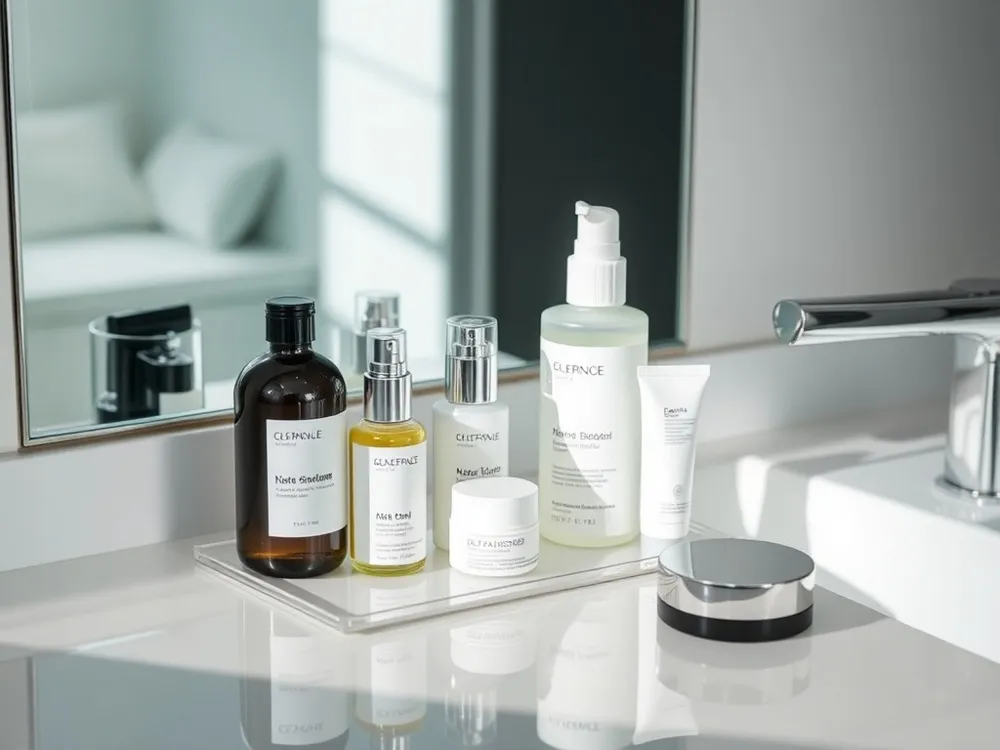
Begin hydrating a few days before your trip. Increase your water intake and use a moisturizer with humectants like hyaluronic acid or glycerin to build up your skin's moisture reserves. This pre‑hydration strategy helps counteract the rapid transepidermal water loss (TEWL) that occurs in a low‑humidity airplane cabin.
What are the essential skincare tips for maintaining a routine while traveling across time zones?
Pack TSA‑compliant travel‑sized essentials: a gentle water‑soluble cleanser (e.g., gel or oil cleanser), a lightweight, barrier‑supporting moisturizer, and a broad‑spectrum sunscreen with SPF 30+.
Choose a lightweight moisturizer containing ingredients like niacinamide, ceramides, or squalane—they reinforce the skin barrier without feeling heavy in variable climates. Combat jet‑lag‑related dark circles and puffiness with an eye cream formulated with caffeine or peptides. Prioritize broad‑spectrum SPF even on cloudy flights, as UV exposure increases at altitude.
As you cross time zones, gradually shift your morning and evening application times by one to two hours each day to align with your destination’s schedule. This supports your skin’s circadian rhythm and reduces the risk of flare‑ups. Use a hydrating face mist with glycerin or hyaluronic acid during the flight to quickly refresh and rehydrate your skin without disturbing your sunscreen layer.
In‑Flight Skincare Arsenal for Long Haul Flights
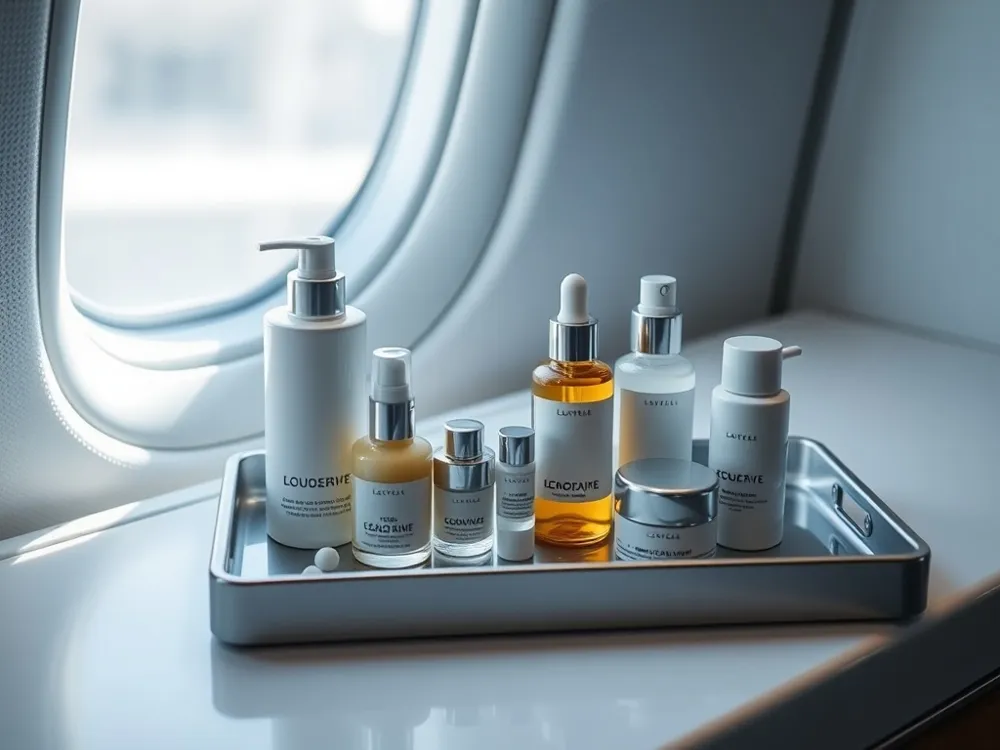
What skincare products are best to bring on a plane for long flights?<br>Essential Protect + Hydrate + Refreshing Layer<br>Long flights feature extremely dry cabin air (10–20% humidity) and higher UV exposure at altitude; your in‑flight kit must combat both. <br>SPF First: A mineral‑based (zinc oxide/titanium dioxide) sunscreen with SPF 30+ should be your base layer. Altitude increases UV penetration through windows, so a broad‑spectrum SPF is non‑negotiable. <br>Barrier‑Rich Cream: Follow with a thick, occlusive moisturizer containing squalane, ceramides, or shea butter. At less than 100 ml, it packs easily and seals hydration across the long journey. <br>Refresh Without a Sink: A travel‑size micellar water (standard 100 ml) or a thermal‑spring‑water mist (also ≤ 100 ml) lets you clean and refresh your face without airline bathroom water. Lightly spritz every 2–3 hours for immediate comfort. <br>Deep Hydration Boost: A single sheet mask or hydrogel mask (hyaluronic acid, glycerin) delivers a concentrated moisture surge—ideal for the middle of a long‑haul flight. <br>Eye Care: Under‑eye patches with cooling gel or depuffing ingredients like caffeine reduce puffiness caused by cabin pressure changes. <br>Lip & Hand Care: Apply a petroleum‑ or silicone‑based lip balm (beeswax, ceramides) regularly to stop chapping. A travel‑size hand cream and a multi‑purpose face mist complete the kit—keeping products under 100 ml and inside one clear TSA bag ensures security compliance.
Travel‑Size Essentials: What to Pack
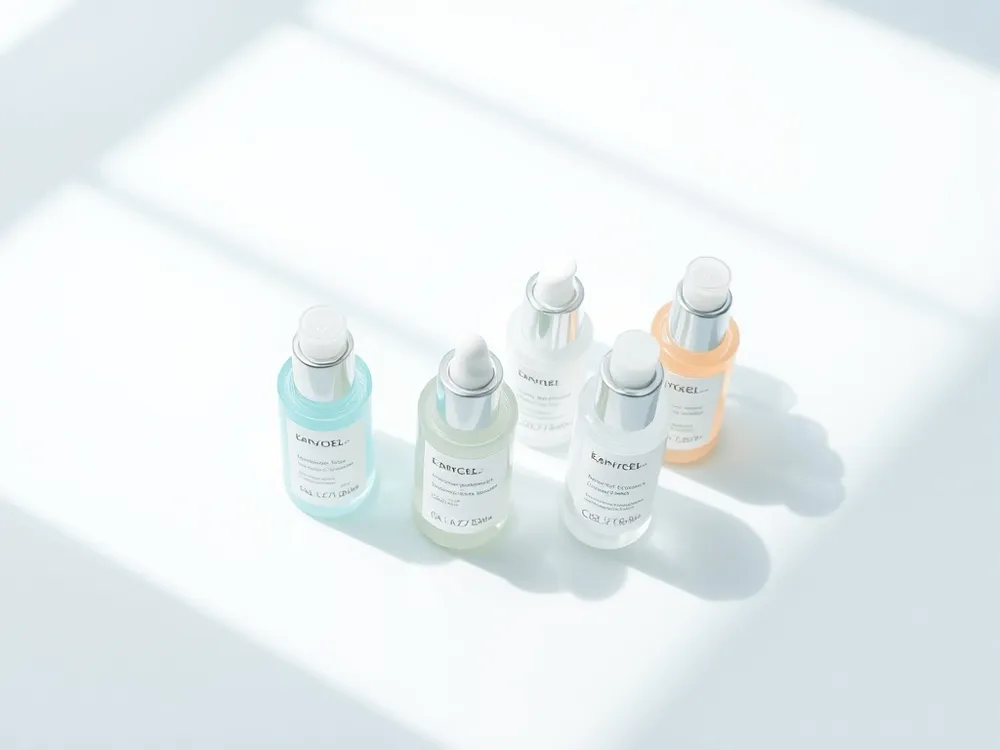
What travel-sized skincare essentials should I pack for a trip?
Packing smart starts with the right travel sizes. A gentle cleanser, such as a cream, oil, or B5-gel formula, is your first step to remove sweat, sunscreen, and pollutants that accumulate during travel. Follow with a lightweight moisturizer containing hyaluronic acid or ceramides to lock in hydration without feeling heavy.
A broad-spectrum sunscreen with at least SPF 30 is non-negotiable, even on cloudy days or during flights. A hydrating serum, like one with niacinamide for calming or vitamin C for antioxidant protection, helps maintain your skin barrier. An eye cream designed for puffiness and dark circles is useful for long flights and time-zone changes, while a lip balm with SPF or ceramides prevents chapping.
Multi-use products save space—look for 2-in-1 cleanser-toners or serum-moisturizer combos. Sample-size kits from trusted dermatology brands like CeraVe, La Roche-Posay, or IMAGE Skincare offer a coordinated routine that meets TSA size limits (3.4 oz or 100 ml per container). A hydrating face mist can refresh skin during layovers or dry cabin air.
| Essential | Purpose | Travel Tip |
|---|---|---|
| Gentle cleanser | Removes sweat, sunscreen, pollutants | Cream, oil, or B5-gel formulas |
| Moisturizer with HA/ceramides | Locks in hydration | Lightweight, non-greasy formula |
| SPF 30+ sunscreen | Protects from UV rays | Broad-spectrum is a must |
| Hydrating serum (niacinamide, vitamin C) | Calms skin, provides antioxidant protection | Choose based on skin concern |
| Eye cream | Reduces puffiness and dark circles | Use after flights or before events |
| Lip balm with SPF or ceramides | Prevents chapping | Reapply frequently during travel |
| Multi-use product (2-in-1 cleanser, serum-moisturizer) | Saves space | Look for coordinated sample kits |
| Face mist | Refreshes on-the-go | Use during layovers or dry cabin air |
Combating Dehydration and UV Exposure at 30,000 Feet
How can I protect my skin from dehydration and UV damage during air travel?
Protecting your skin at 30,000 feet requires a two-pronged approach: fighting dehydration and blocking UV rays. The low humidity in airplane cabins rapidly accelerates moisture loss, while the thinner atmosphere lets more UVA radiation through windows, increasing your exposure even on cloudy days.
Your in-flight defense starts before you board. Apply a broad-spectrum sunscreen with at least SPF 30 to all exposed skin, including your face, neck, and hands. This protects against the heightened UVA penetration that occurs at cruising altitude. Choose a non-greasy, lightweight formula that won't feel heavy during the flight.
For ongoing hydration, use a barrier‑repairing moisturizer with occlusive agents like dimethicone or shea butter as your base. This locks in moisture and prevents transepidermal water loss (TEWL). Consider bringing a hydrating sheet or gel mask to use mid-flight for an intensive moisture boost. Look for masks containing hyaluronic acid, glycerin, and squalane, which draw water into the skin and help it retain that moisture.
After landing, soothe your skin with calming ingredients like aloe vera or chamomile to counteract the environmental stress of the trip. Finish with a rich moisturizer or an overnight mask to help your skin barrier fully recover and restore a healthy, radiant glow.
| Phase | Action | Key Ingredients/Product Type | Purpose |
|---|---|---|---|
| Pre-flight & In-flight | Apply broad-spectrum SPF 30+ sunscreen. | Zinc oxide, titanium dioxide | Protect against UVA radiation through aircraft windows. |
| In-flight | Apply a barrier‑repairing moisturizer. | Dimethicone, shea butter, ceramides | Lock in moisture and prevent TEWL. |
| In-flight | Use a hydrating sheet or gel mask. | Hyaluronic acid, glycerin, squalane | Deliver an intensive moisture boost to combat dry cabin air. |
| Post-flight | Apply a soothing, calming product. | Aloe vera, chamomile | Calm and reduce irritation from environmental stress. |
| Post-flight | Use a rich moisturizer or overnight mask. | Ceramides, squalane, peptides | Restore the skin barrier and replenish lost moisture. |
Navigating TSA Regulations for Skincare
Can I bring skincare products on a plane, and what are the TSA rules?
The Transportation Security Administration (TSA) 3-1-1 rule governs how you pack your skincare in carry-on luggage. Each liquid, gel, or aerosol must be in a container of 3.4 ounces (100 milliliters) or less. All these containers must fit comfortably inside a single, quart-sized, clear zip-top bag. This bag is your travel wardrobe for liquids, so choose travel sizes wisely.
Solid forms of skincare offer a workaround for the 3-1-1 rule. Makeup wipes, powder cosmetics, solid body wash bars, and balm sticks (like lip balm or a solid moisturizer stick) are not subject to the liquid limit. You can pack them in larger sizes, though a separate bin for X-ray screening may be requested for powders over 12 ounces.
Checked baggage allows for larger liquid containers, but they are not unlimited. The Federal Aviation Administration (FAA) restricts total liquids per person to 2 kg (2 L), with no container exceeding 0.5 kg (500 ml).
Medically necessary liquids, such as breast milk, baby formula, and insulin, are exempt from the 3-1-1 rule. You must declare these items to a TSA officer at the security checkpoint for inspection. For the most current and specific information, always consult the official TSA "What Can I Bring?" page or contact AskTSA before traveling. Proper planning ensures your skincare arrives as intended, ready for your destination.
Minimalist Makeup Kit for Jet‑Setters
What is the best travel makeup kit for minimalist packing?
The best travel makeup kit for minimalist packing focuses on space-saving, multi-use products. Opt for stackable options like Subtl Beauty's Staks, which combine TSA-friendly cream formulas for eyes, lips, and cheeks in one compact container.
A cream blush that doubles as a lip tint (such as ILIA Multi-Stick) can replace several single-purpose items. Similarly, a tinted moisturizer with SPF serves as both foundation and sun protection, reducing the number of bottles you carry.
Include a small mascara, a versatile cream eyeshadow stick (like NARS Total Seduction), and a refillable compact foundation or concealer stick for quick touch-ups. Stick to formulas you can apply with your fingertips or a single travel-size brush to cut down on tools.
This approach keeps your kit lightweight and compliant with carry-on limits, covering all essentials for a polished, natural look without the bulk.
The Science Behind the 3‑Second Skincare Rule
Clarifying the ‘3‑Second Rule’ for Travelers: Why Timing Matters After Cleansing
The “3‑second rule” in skincare is distinct from the travel “3‑3‑3 rule” for planning. It originates from Korean beauty science, focusing on transepidermal water loss (TEWL). Immediately after cleansing, water on the skin’s surface begins to evaporate. This evaporation pulls moisture from deeper skin layers, leading to dehydration and a weakened barrier.
Damp skin is also more permeable, creating a window for active ingredients like hyaluronic acid and glycerin to penetrate more effectively. Applying a serum or moisturizer within seconds—or, more practically, within one minute—locks in surface water and maximizes absorption. This quick action supports the skin barrier, reducing the appearance of fine lines and maintaining hydration during travel.
Practical Recommendation
| Concern | Action for Travelers | Why It Works |
|---|---|---|
| Moisture loss | Apply serum/moisturizer to damp skin within 1 minute after cleansing | Traps water on the skin, preventing TEWL |
| Ingredient absorption | Use products with hyaluronic acid or glycerin on slightly damp skin | Improves permeability for deeper hydration |
| Barrier protection | Follow serum with an occlusive moisturizer or balm | Seals in water and active ingredients |
| Tip | Action | Benefit |
|---|---|---|
| Damp skin application | Spritz face with a hydrating mist before applying serum | Boosts absorption and locks in moisture |
| Barrier support | Finish with a ceramide-rich cream to reinforce the skin barrier | Protects against dry cabin air and climate changes |
For travelers, this timing is especially critical. After a long flight, cleansing in a hotel bathroom, or moving between dry and humid climates, applying hydrating products quickly helps prevent the moisture loss that triggers oiliness, irritation, and fine lines. The rule is simple: cleanse, then hydrate immediately.
Putting It All Together: Your Personalized Travel Skincare Blueprint
Consistency is the cornerstone of any successful travel routine. Keeping the same morning and evening schedule—cleanse, treat, moisturize, protect—helps your skin’s circadian rhythm stay aligned, even when crossing multiple time zones. Sticking with your trusted products is vital, as introducing new ones when skin is already stressed can lead to irritation.
Adapt Your Textures to the Climate
Your destination’s environment dictates your product choices. For dry, cold, or windy climates, reach for rich, occlusive creams containing ceramides or squalane to reinforce the skin barrier. In hot, humid destinations, switch to lightweight, non-comedogenic gels or water-based moisturizers that hydrate without clogging pores. A barrier-supporting ingredient like niacinamide works well in any climate.
The Core Pillars Across All Zones
No matter where you travel, three pillars remain non-negotiable: hydration, UV protection, and sleep. Maintain internal hydration by drinking plenty of water and using electrolyte mixes. Always apply a broad-spectrum SPF 30+ sunscreen daily, even on flights, as UV rays are more intense at altitude. Finally, prioritizing at least seven to eight hours of quality sleep allows your skin to repair and regenerate, providing a foundation for a healthy glow.
For a fully tailored plan that considers your unique skin type and concerns, consulting the board-certified dermatologists at On The Spot Dermatology in Glenview is the next step. They can craft a personalized regimen to keep your skin resilient, balanced, and radiant on every journey.
| Travel Stage | Core Action | Key Product/Ingredient |
|---|---|---|
| Pre-Flight & Onboard | Gentle cleanse & layered hydration | Micellar water, hyaluronic acid serum, barrier cream |
| In-Flight (every 2-3 hrs) | Reapply moisture & SPF | Hydrating mist, occlusive balm, sunscreen stick |
| Post-Flight & At Destination | Reset & protect | Nourishing moisturizer, broad-spectrum SPF 30+ |