Introduction
Cosmetic dermatology today is dominated by minimally invasive, quick‑recovery treatments such as neuromodulators (Botox), hyaluronic‑acid fillers, and platelet‑rich plasma (PRP). In 2024 the U.S. market for these procedures exceeded $59 billion and is projected to surpass $81 billion by 2032, reflecting a sustained patient preference for low‑downtime options that improve skin texture, volume, and overall health. Innovation is driven by several forces: advances in artificial‑intelligence‑based skin analysis that personalize treatment plans; regenerative approaches like PRP, stem‑cell‑derived exosomes, and collagen‑stimulating fillers that target skin biology rather than merely adding volume; and next‑generation injectables offering longer duration and deeper hydration. Together, these trends empower clinicians to deliver safer, more effective, and highly customized rejuvenation strategies for a diverse patient population.
Non‑Surgical Facelift: Techniques and Results
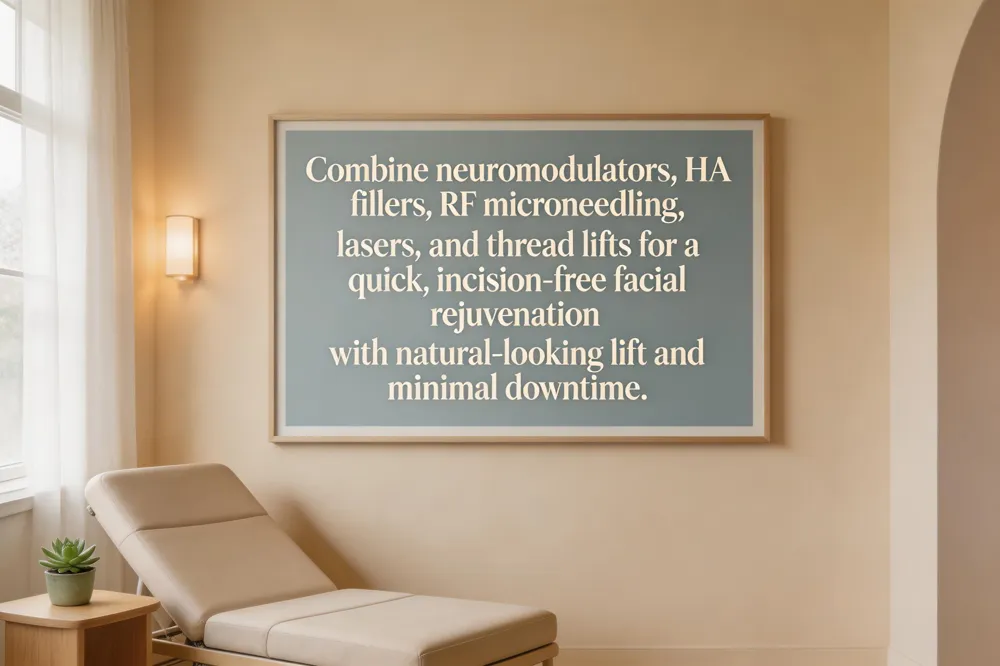 A non‑surgical facelift blends advanced injectables, energy‑based devices, and minimally invasive lift methods to tighten skin and restore youthful contours without incisions. Neuromodulators such as Botox® (botulinum toxin type A) relax dynamic wrinkles, while hyaluronic‑acid fillers add lost volume in the cheeks, lips, and nasolabial folds. Radio‑frequency microneedling, fractional lasers, and ultrasound‑guided skin‑tightening (e.g., EMface or EXION) stimulate collagen remodeling for firmer, smoother skin. Some practices also offer dissolving thread‑lifting procedures that provide subtle lift with virtually no downtime.
Before‑and‑after photos typically show smoother forehead lines, lifted cheekbones, and a more defined jawline within a few weeks, with results that look natural rather than overtly “done.” Because the treatments are minimally invasive, patients usually resume daily activities immediately and experience only mild redness, swelling, or bruising that resolves within a day or two.
If you are searching for a non‑surgical facelift near you, clinics such as On The Spot Dermatology in Glenview, Illinois deliver personalized, board‑certified care that combines these modalities into a single, quick appointment—often under an hour. Whether you are a first‑time patient or seeking a refresh after prior work, a customized plan can address fine lines, sagging jowls, and volume loss while keeping recovery simple and costs predictable. Contact the practice today to schedule a complimentary consultation and view real patient transformations.
Liquid Facelift: What to Expect and Cost
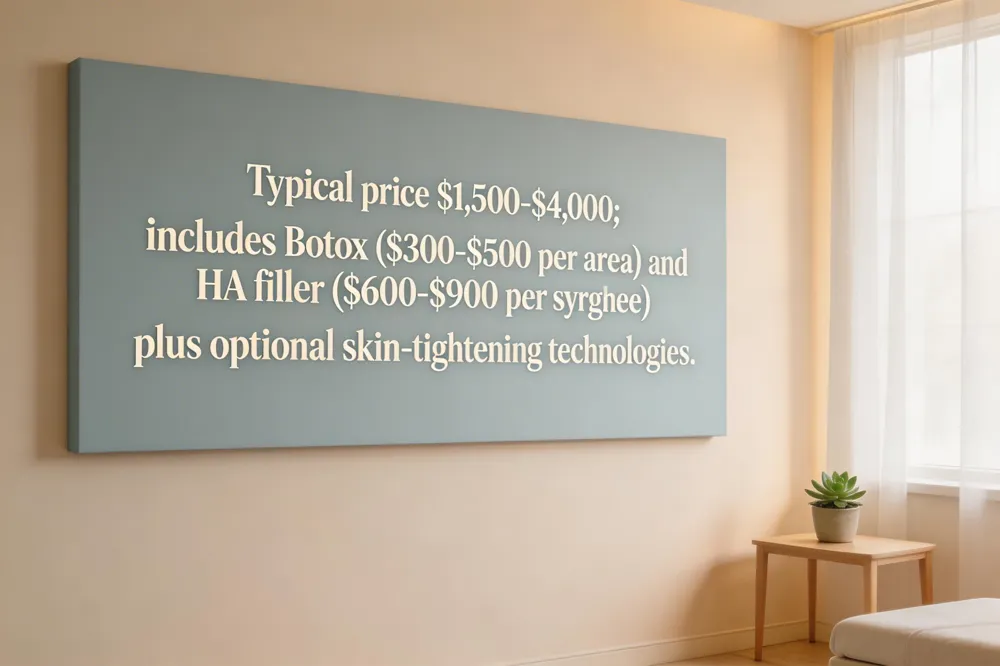 How much does a liquid facelift cost? Prices typically range from $1,500 to $4,000. A Botox session is $300‑$500 per treatment area, while each filler syringe runs $600‑$900. More extensive volume restoration or multiple zones push the cost toward the higher end, and many practices, including On The Spot Dermatology, provide itemized estimates and financing options.
Non‑surgical facelift cost near me In most U.S. markets the total falls between $1,500 and $4,000, reflecting the combined price of neuromodulators, fillers, and any adjunctive skin‑tightening technologies (laser, RF microneedling). Your exact quote will be generated after a personalized assessment.
Best Non‑surgical facelift for jowls The most effective approach pairs targeted energy‑based tightening (RF microneedling like Morpheus8 or HIFU/Ultherapy) with strategic hyaluronic‑acid filler placement along the jawline. This combination stimulates deep collagen remodeling, restores lost volume, and provides a noticeable lift without incisions. For some patients, a PDO thread lift may be added to enhance mechanical support. A customized plan that starts with skin‑tightening and adds fillers as needed delivers the best results for jowl rejuvenation.
Botox: Advances, Applications, and Safety
 The latest in cosmetic dermatology: Botox, PRP, and beyond 2022
Since 2022, Botox has expanded from simple wrinkle‑reduction to targeted uses such as gummy‑smile correction, jawline slimming, and neck rejuvenation. AI‑driven skin analysis now personalizes dosage and placement, while platelet‑rich plasma (PRP) serves as a regenerative skin booster that delivers growth factors to stimulate collagen and improve texture. Combined protocols—Botox to relax overactive muscles and PRP to restore skin biology—offer natural‑looking, longer‑lasting results. Emerging bioactive peptides, exosome‑based therapies, and collagen‑stimulating fillers work synergistically with injectables to promote true tissue regeneration rather than mere volume replacement.
The latest in cosmetic dermatology: Botox, PRP, and beyond 2022
Since 2022, Botox has expanded from simple wrinkle‑reduction to targeted uses such as gummy‑smile correction, jawline slimming, and neck rejuvenation. AI‑driven skin analysis now personalizes dosage and placement, while platelet‑rich plasma (PRP) serves as a regenerative skin booster that delivers growth factors to stimulate collagen and improve texture. Combined protocols—Botox to relax overactive muscles and PRP to restore skin biology—offer natural‑looking, longer‑lasting results. Emerging bioactive peptides, exosome‑based therapies, and collagen‑stimulating fillers work synergistically with injectables to promote true tissue regeneration rather than mere volume replacement.
Botox treatment side effects Typical side effects are mild and temporary: pain, swelling, bruising, or headache at the injection site. Less common reactions include drooping eyelids, crooked eyebrows, dry or watery eyes, and brief muscle weakness. Rarely, toxin spread can cause blurred vision, difficulty speaking or swallowing, or breathing problems, requiring immediate medical attention. Systemic botulism‑like symptoms are extremely uncommon when performed by a qualified professional.
Is Botox dangerous? When administered by a licensed, board‑certified provider using FDA‑approved product, Botox is generally safe. Common adverse events are mild; serious complications are rare and often linked to counterfeit products or inappropriate patient selection (e.g., pregnancy, neuromuscular disorders). Choosing an experienced clinician and authentic product minimizes risk.
Botox treatment cost Pricing is unit‑based, typically $10‑$15 per unit. Most facial protocols require 20‑40 units, resulting in a cost of $200‑$600 per session. Prices vary by provider credentials, geographic location, and any promotional offers. Cosmetic Botox is not insurance‑covered, though therapeutic indications (migraine, hyperhidrosis) may receive partial reimbursement. At On The Spot Dermatology (Glenview, IL), a personalized evaluation determines the exact unit count and provides a clear, itemized quote.
Platelet‑Rich Plasma (PRP): Regeneration and Results
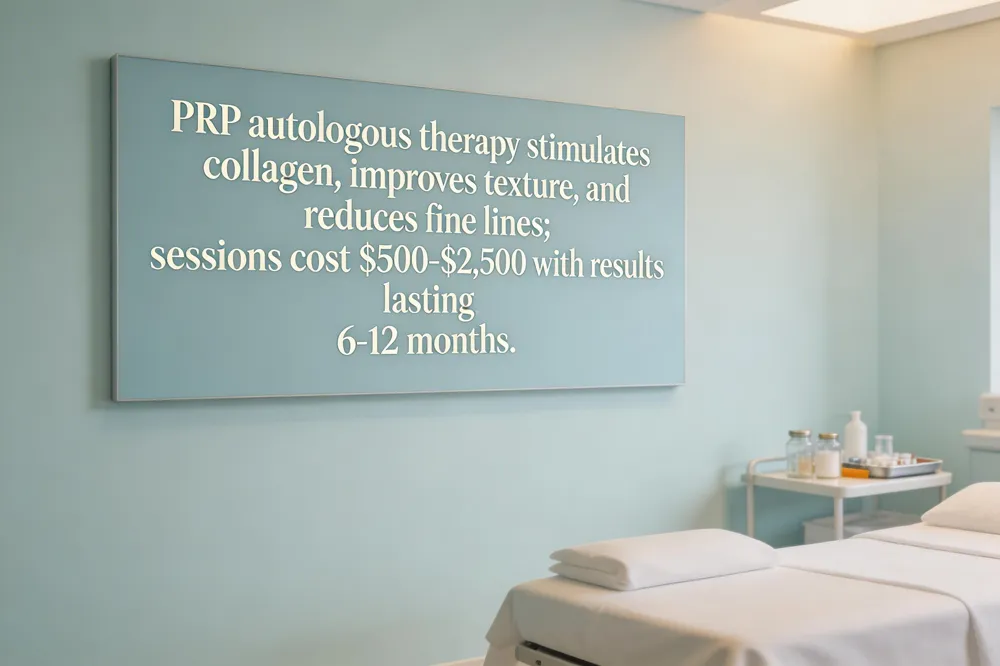 Platelet‑Rich Plasma (PRP) PRP therapy uses a small sample of your own blood that is spun in a centrifuge to concentrate platelets and growth factors. When re‑injected into the facial dermis, these factors stimulate fibroblasts, promote new collagen and elastin, and improve blood flow, resulting in firmer, smoother skin and a modest reduction of fine lines and acne‑scar depth.
Safety and side effects
- PRP treatment for face side effects: Temporary swelling, redness, and mild bruising are most common, peaking within 48 hours and fading in a few days. Rarely, infection or nodule formation can occur; any worsening pain or persistent swelling warrants prompt medical attention.
- PRP skin therapy side effects: Mild tenderness, swelling, and occasional bruising are normal. Because the product is autologous, allergic reactions are rare, but strict aseptic technique is essential to prevent infection.
Cost and treatment protocols
- PRP treatment for face cost: Typically $500–$1,500 per session; many clinics offer package discounts for a series of 3–4 treatments spaced 4–6 weeks apart.
- PRP treatment for skin cost: Ranges from $500–$2,500 per session, with average facial treatments around $1,000. Multiple sessions (2–4) are often needed, bringing total out‑of‑pocket expense to $1,500–$5,000.
- How much does PRP cost on average?: $500–$2,500 per session, depending on area, concentration method, and provider expertise.
What to expect Before the procedure you’ll stay hydrated, avoid blood‑thinners, and arrive with a clean, makeup‑free face. After injections the skin may look slightly red and tight, resembling a mild sunburn, but these effects subside within days. Over the next 2–4 weeks, patients notice smoother texture, brighter tone, and improved firmness, with results lasting 6–12 months and maintenance every 6–12 months.
Effectiveness Clinical studies show modest improvements in skin texture and collagen density, especially when PRP is combined with microneedling or laser resurfacing. While not FDA‑approved for cosmetic skin use, PRP offers a natural, low‑downtime option for many seeking gradual rejuvenation.
Emerging Technologies and Market Outlook
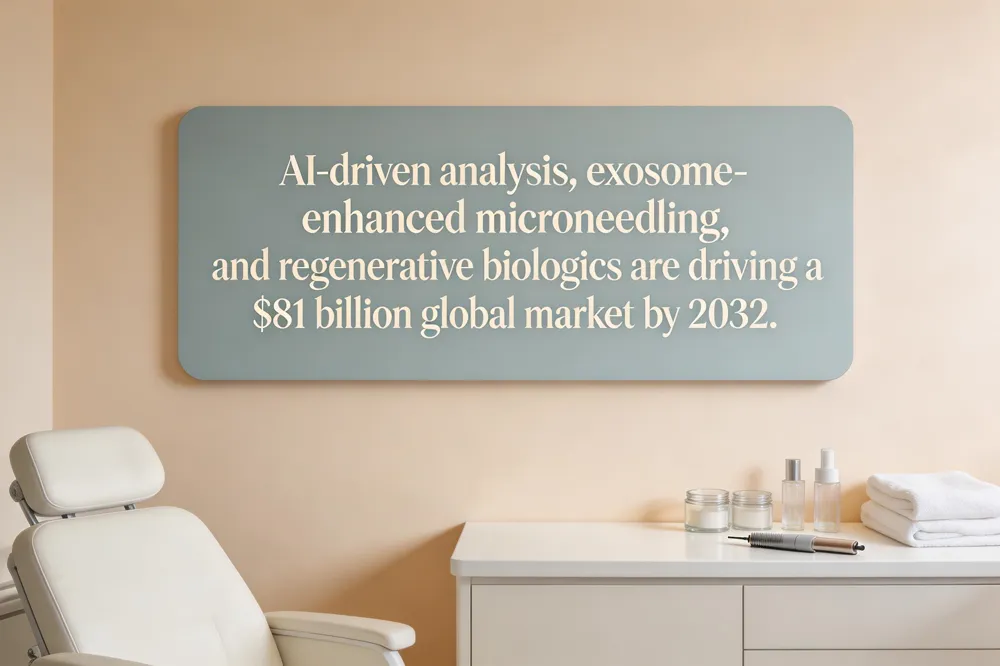 Artificial‑intelligence (AI) skin‑analysis tools now assess texture, pigmentation, elasticity and predict treatment outcomes, allowing clinicians to create hyper‑personalized rejuvenation plans. Regenerative innovations such as platelet‑rich plasma (PRP), exosome‑enhanced microneedling, and collagen‑stimulating hyaluronic‑acid fillers are shifting focus from volume‑only to true skin‑biology improvement. The global aesthetic‑medicine market, valued at $59 billion in 2024, is projected to reach $81 billion by 2032, driven by the rise of minimally invasive procedures and a 3% annual growth in neuromodulator injections. Gen Z patients are favoring prevention—baby Botox and medical‑grade facials—over corrective treatments, seeking natural results and longevity. In 2024, the most popular skin procedures were microneedling, chemical peels, IPL, HydraFacial®, and RF‑based lifts, all offering quick, visible improvements with minimal downtime. Looking ahead, cosmetic dermatology will blend AI‑driven diagnostics, regenerative biologics, and non‑invasive energy devices to deliver tailored, evidence‑based outcomes that support long‑term skin health and subtle, lasting aesthetic enhancement.
Comprehensive Non‑Surgical Rejuvenation Plans
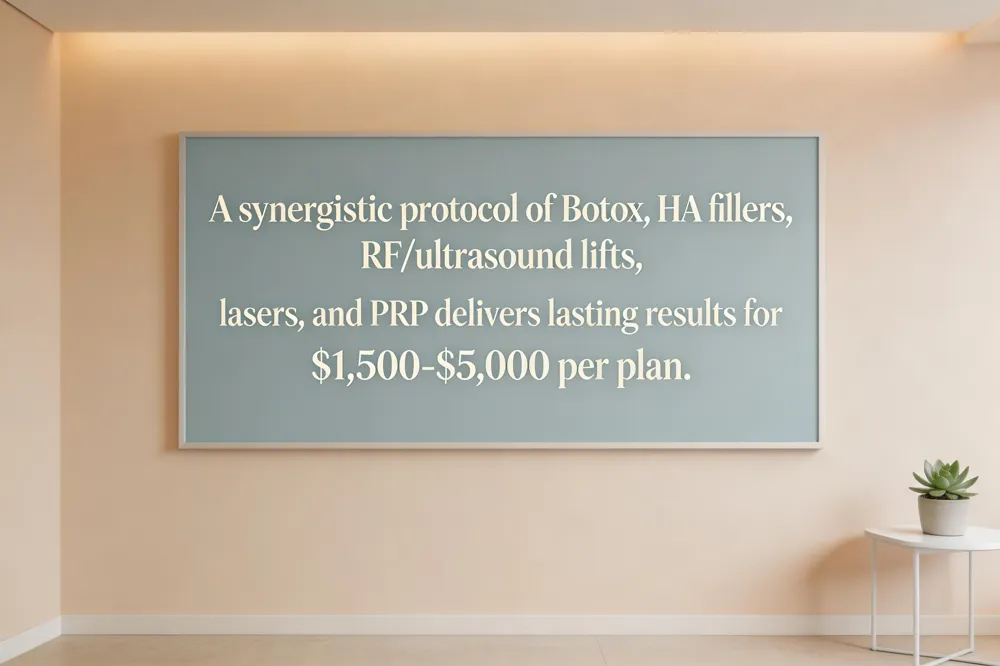 Best non surgical facial rejuvenation: A synergistic protocol that blends neuromodulators (Botox®), hyaluronic‑acid fillers (JUVÉDERM®, Restylane), and energy‑based devices (RF, ultrasound, fractional laser) delivers natural, lasting results while preserving downtime.
What are the best non‑surgical facial treatments? Botox®/Dysport to dynamic wrinkles, HA fillers restore volume, Halo® laser or Fraxel CO₂ resurfaces texture, LaseMD Light improves tone, and medical‑grade skincare sustains health.
Non surgical facial rejuvenation near me: On The Spot Dermatology in Glenview, IL offers all of the above—Botox, fillers, PRP, microneedling, laser/IPL, Ultherapy—performed by board‑certified dermatologists. Call (847) 555‑1234 for a complimentary consult.
Non surgical facial rejuvenation cost: Typical ranges are $1,500‑$5,000 per comprehensive plan; fillers $600‑$1,200 per syringe, RF‑microneedling $1,500‑$3,500, ultrasound lifts $2,000‑$4,500.
How can I rejuvenate my face without surgery? Combine Botox for muscle relaxation, HA fillers for volume, RF/ultrasound lifts for tightening, laser or microneedling with PRP for texture, and personalized chemical peels for brightness—creating a “liquid facelift” that restores youthful skin with minimal recovery.
Conclusion
The aesthetic landscape in 2025 is defined by a surge in minimally invasive, regenerative therapies—Botox and other neuromodulators for dynamic wrinkles, hyaluronic‑acid fillers for volume, and autologous PRP to stimulate collagen and improve texture. AI‑driven skin analysis and personalized treatment plans are becoming standard, while combination protocols (Botox + PRP, fillers + laser) deliver synergistic, natural‑looking results. With the global market projected to reach $81 billion by 2032, patient demand for safe, customized, low‑downtime rejuvenation will continue to rise. Schedule a consultation at On The Spot Dermatology to discuss how these cutting‑edge options can be tailored to your skin health and aesthetic goals.