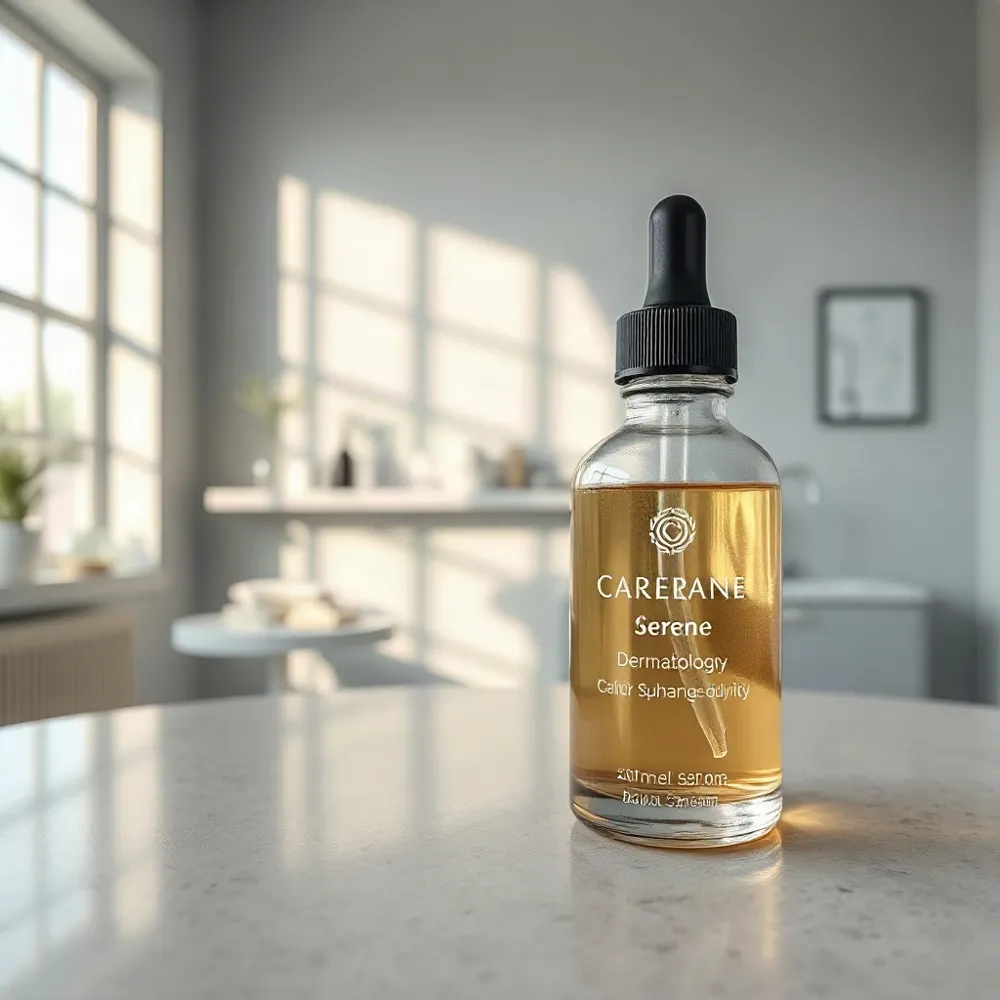
Introduction: The Psychological and Social Impact of Healthy Skin
How Healthy Skin Boosts Self-Esteem and Confidence
Healthy skin is more than an indicator of physical wellness; it plays a critical role in enhancing self-esteem and personal confidence. Conditions such as acne, scars, and pigmentation can cause anxiety and self-consciousness. Achieving healthier skin can significantly reduce these worries, allowing individuals to feel better about their appearance and engage more confidently in social interactions.
The Link Between Skin Health and Mental Well-Being
The skin is intricately connected to the brain through various nerve endings and immune cells, creating a direct feedback loop between skin health and mental wellness. Stress and psychological distress can exacerbate skin problems like acne and eczema, while improved skin health can lower stress levels and foster a more positive mood. Skincare routines themselves, especially when combined with ingredients that reduce inflammation and promote relaxation, serve as effective self-care practices that support emotional well-being.
Societal Influence on Self-Image Related to Skin Appearance
Societal beauty standards and social media further amplify the importance of skin appearance in shaping self-image. Research shows that individuals with low self-esteem are more inclined to seek cosmetic dermatology procedures to improve visible skin areas, especially the face and neck. This highlights the powerful role that skin health plays in personal identity and social acceptance, emphasizing the need for holistic approaches that consider both psychological and medical care in dermatology.
Medical and Cosmetic Treatments That Enhance Skin Health and Appearance
What are the most common medical and cosmetic skin treatments offered by professional dermatology practices?
Professional dermatology practices provide a broad spectrum of medical and cosmetic treatments to address both skin health and aesthetic concerns. On the medical side, common treatments focus on conditions such as acne, eczema, psoriasis, and other chronic dermatological disorders. These services include customized therapeutic regimens that help manage inflammation, reduce symptoms, and improve skin barrier function.
Cosmetically, dermatologists offer procedures aimed at skin rejuvenation and aesthetic enhancement. Chemical peels and microdermabrasion help in exfoliating the skin, reducing pigmentation, and promoting collagen production for a refreshed complexion. Laser therapies are versatile treatments used to improve skin texture, reduce acne scars, and address hyperpigmentation or vascular lesions.
Injectables such as Botox® and dermal fillers are widely used for wrinkle reduction and restoring facial volume, creating natural-looking, youthful results. These treatments help soften fine lines while maintaining expressive features. Additionally, advanced technologies like laser resurfacing and Platelet-Rich Plasma (PRP) therapy support skin regeneration and repair, offering improved skin clarity and elasticity.
Many dermatological clinics combine medical and cosmetic approaches in personalized plans to optimize overall skin health and appearance. Emphasizing both functional skin care and aesthetic goals ensures comprehensive care that enhances patient confidence and well-being. For more on Cosmetic dermatology and self-esteem.
The Role of Personalized Dermatological Care in Building Confidence
How does personalized care from skilled healthcare providers benefit patients in dermatology?
Personalized dermatological care brings significant advantages by customizing treatment plans to each individual's unique skin type, condition, and lifestyle factors. Skilled healthcare providers conduct thorough assessments that guide scientifically informed product choices and skincare routines tailored specifically for the patient's needs.
This targeted approach helps to avoid common errors such as using inappropriate products or overly aggressive treatments, which can worsen skin issues or cause unnecessary expense. Instead, patients receive recommendations aimed at addressing their specific concerns—whether it be acne, hyperpigmentation, or signs of aging—with protocols proven to improve skin health.
Expert guidance also allows for ongoing monitoring and adjustments during follow-ups, ensuring treatments remain effective and adapt to changes in skin condition or external factors.
Through personalized care, patients experience faster, more noticeable improvements, leading to enhanced satisfaction and greater confidence in their appearance. Ultimately, this individualized management promotes healthier, radiant skin, significantly contributing to positive self-esteem and well-being.
Addressing a Wide Range of Skin Health and Aesthetic Concerns
What skin health and aesthetic concerns can dermatologists address?
Dermatologists manage a wide range of skin-related issues affecting people of all ages. Common conditions include acne, eczema, psoriasis, rosacea, hair loss, and nail disorders. They are also crucial in the early detection and treatment of skin cancers like melanoma, improving patient outcomes through timely care.
How do skin disorders affect self-esteem and quality of life?
Skin disorders often impact self-esteem significantly, causing anxiety, social withdrawal, and body image concerns. Conditions like acne and psoriasis can lead to emotional distress and lowered confidence, which dermatology treatments aim to alleviate alongside physical symptoms. For more on the Psychological Impact of Skin Disorders and their effect on Skin Disorders and Self-Esteem, see resources exploring emotional effects and social stigma in dermatology.
What preventive measures help maintain healthy skin and prevent disease?
Preventive care is central to dermatology. Regular sun protection, including daily use of broad-spectrum SPF 30 or higher, is vital to avoid UV damage and premature aging. Early detection of suspicious moles or lesions helps prevent progression to skin cancer. The importance of a Simple skin care routine including Importance of SPF 30+ sunscreen and Zinc and titanium dioxide in sunscreens is also essential.
How do dermatologists use advanced treatments to improve skin health and appearance?
Treatment options include chemical peels, laser therapy, microdermabrasion, and biologic medications that target inflammation. Customized plans combine these therapies with professional guidance on skincare routines, dietary habits, and lifestyle adjustments, supporting overall skin wellness and aesthetic goals. Explore how Cosmetic dermatology can help in treating acne, boosting confidence through skin treatment, and using options like Botox and dermal fillers for wrinkle reduction. For more, see insights on Skin Care Routine Benefits, including facials and chemical peels enhancing skin glow and preventing damage.
The Psychological Connection Between Skin Health and Well-being
How Skin Conditions Affect Self-Esteem and Social Interactions
Skin conditions such as acne, psoriasis, eczema, and visible scars profoundly impact an individual's self-esteem. Affected individuals often experience anxiety and self-consciousness, which can detract from their confidence. This lowered self-esteem can reduce social interactions and lead to feelings of social isolation. Studies show that people with pronounced facial skin disorders tend to perceive less social support and may struggle with body image issues. Early onset skin conditions also influence adolescents’ confidence, shaping their long-term social experiences and mental well-being (Psychological Impact of Skin Disorders, Body Image and Self-Esteem in Teens).
The Emerging Field of Psychodermatology and Its Approach
Psychodermatology is a specialized discipline that explores the complex interactions between skin conditions and psychological health. Widely recognized in Europe and growing in the U.S., this field integrates dermatology and psychological care to better address the emotional burden associated with chronic skin issues. Treatments include cognitive-behavioral therapy, support groups, hypnosis, and mindfulness techniques. By targeting psychological stressors that exacerbate skin disorders, psychodermatology offers a comprehensive approach that improves both emotional well-being and skin health (link between skin and psychology, Psychodermatology and mental health connections).
Role of Stress and Mental Health in Worsening or Improving Skin Conditions
Stress and poor mental health can trigger or aggravate skin problems by increasing inflammation and disrupting the skin barrier. Cortisol released during stress stimulates oil production and inflammatory responses, causing flare-ups. Conversely, effective stress management—through relaxation techniques, adequate sleep, and nutrition—can reduce symptoms and improve skin texture. Skincare ingredients like niacinamide and botanical extracts further aid in lowering systemic stress and inflammation, demonstrating the bidirectional relationship between mental health and skin condition (Stress and skin health, Skin-brain interaction).
Benefits of Skincare as a Form of Self-Care and Stress Management
Engaging in consistent skincare routines offers more than physical benefits; it serves as a therapeutic act promoting mindfulness, relaxation, and self-worth. The tactile stimulation involved in skincare encourages the release of mood-enhancing hormones such as oxytocin and endorphins. Using calming ingredients like lavender or chamomile can alleviate cortisol levels, improving mood and emotional regulation. Individuals who prioritize skincare often report enhanced self-esteem, a positive body image, and greater resilience against mental health challenges. Thus, skincare becomes a practical, accessible strategy for stress reduction and holistic well-being (skin care is self care, Benefits of skin care routines on mental health, Psychological benefits of healthy skin, Skin-brain interaction.
Skincare Routines and Lifestyle Choices: Foundations for Confidence

How consistent skincare routines contribute to healthy skin and youthful appearance
Maintaining a consistent skincare routine is essential for preserving healthy skin and slowing visible signs of aging. Regular cleansing removes dirt, dead cells, and toxins, protecting the skin's largest organ and promoting renewal. The use of targeted products such as moisturizers, retinoids, and acne treatments enhances skin texture and elasticity. Over time, this adherence helps mitigate wrinkles and maintains a youthful, radiant complexion. For more details, see Skin Care Routine Benefits.
The influence of ingredients and UV protection on skin and mood
Effective skincare ingredients play a crucial role in both skin health and mood regulation. Ingredients like niacinamide support the skin barrier and mental health and reduce systemic stress. Botanical extracts such as lavender and chamomile calm inflammation and lower cortisol levels, mitigating stress-related skin issues. Daily application of broad-spectrum sunscreen with at least SPF 30—including mineral sunscreens containing zinc or titanium dioxide—protects against UV, visible, and blue light damage year-round, preventing premature aging and enhancing skin resilience. Learn more about Skin-brain interaction and Simple skin care routine benefits.
Lifestyle factors such as diet, exercise, sleep supporting skin health
Beyond topical care, lifestyle choices significantly impact skin quality. Balanced nutrition rich in antioxidants supports skin cell protection, while regular exercise promotes circulation, aiding skin vitality. Adequate sleep allows for cellular repair and regeneration crucial for skin renewal. Together, these habits foster a healthy, glowing complexion and bolster the skin's ability to withstand environmental stressors. More on Lifestyle factors supporting skin health and Stress and skin health.
The holistic benefits of treating skin care as an act of self-love and confidence building
Viewing skincare as a self-care ritual cultivates emotional and psychological well-being. The tactile stimulation from daily routines releases hormones like oxytocin and endorphins, promoting relaxation and pleasure. Committing to skincare reinforces self-love and self-worth, which can boost self-esteem and improve social confidence. In climates with challenging conditions, such as Winnipeg's dry, cold winters, tailored hydration and sun protection further enhance this nurturing practice. Ultimately, investing in skin health serves as a foundation for both physical radiance and mental resilience. See skin care is self care and Psychological benefits of healthy skin.