Why Sunscreen is Essential for Every Skin Type
Universal Need for Sunscreen
Sunscreen is essential for everyone, regardless of age, skin tone, or skin type. Ultraviolet (UV) rays from the sun can cause skin damage and increase the risk of skin cancer in all individuals.
Skin Cancer Risk
Skin cancer is the most common cancer in the United States, with about one in five Americans expected to develop it in their lifetime. Sunscreen acts as a critical barrier protecting the skin from harmful UV rays that are a major, preventable risk factor for skin cancer.
UVA and UVB Protection
Broad-spectrum sunscreens protect against both UVA and UVB rays. UVA rays contribute to premature skin aging and can penetrate through clouds and glass, while UVB rays are primarily responsible for sunburn and increasing skin cancer risk. Using sunscreen with broad-spectrum protection ensures comprehensive defense.
Importance of Daily Use
UV rays can reach the skin even on cloudy days, making daily sunscreen application vital. Applying sunscreen every day, not just during outdoor activities, helps reduce cumulative skin damage associated with UV exposure.
Sunscreen and Premature Aging
Besides cancer prevention, sunscreens also help delay premature skin aging caused by UVA rays. Regular use minimizes wrinkles, fine lines, and discoloration, promoting healthier, younger-looking skin over time.
Consistent application of a broad-spectrum sunscreen with SPF 30 or higher, combined with other sun protection measures, is vital for long-term skin health across all skin types.
Understanding Broad-Spectrum Protection and SPF Ratings

What is Broad-Spectrum Sunscreen?
Broad-spectrum sunscreen is formulated to protect the skin from both UVA and UVB rays. These two types of ultraviolet radiation contribute differently to skin damage—UVB rays mostly cause sunburn, while UVA rays penetrate deeper, causing premature skin aging and potentially leading to skin cancers.
Differences Between UVA and UVB Rays
UVA rays make up the majority of UV radiation reaching the earth's surface and can penetrate windows and clouds, contributing to long-term skin damage and increasing cancer risk. UVB rays are responsible for sunburn and play a significant role in the development of skin cancers.
Why Use SPF 30 or Higher?
Health experts, including the American Academy of Dermatology sunscreen advice, recommend using sunscreens with an SPF 30 or higher recommendation. SPF 30 sunscreen blocks approximately 97% of UVB rays, offering effective protection against sunburn and associated skin damage.
SPF Protection Percentages and Limitations
While SPF 50 can block about 98% of UVB rays, the increase in protection beyond SPF 30 is marginal. Very high SPF numbers (e.g., SPF 100) offer minimal additional defense and may provide a false sense of security, which could lead to less frequent reapplication and more extended sun exposure.
Role of Healthcare Providers in Skin Health
Healthcare providers play a pivotal role in diagnosing and treating skin conditions. They also stress the importance of prevention by encouraging the consistent use of broad-spectrum sunscreen with SPF 30 or higher. This guidance supports both skin health and aesthetic maintenance, reducing the risk of skin cancer and premature aging.
Choosing Between Mineral and Chemical Sunscreens

What are mineral sunscreens and how do they protect the skin?
Mineral sunscreens contain active ingredients like zinc oxide and titanium dioxide. These work by reflecting and scattering UVA and UVB rays, providing a physical barrier on the skin's surface. They are recognized by the FDA regulation of sunscreens and are particularly suitable for sensitive or allergy-prone skin. Mineral sunscreens are less likely to cause irritation and work immediately upon application.
How do chemical sunscreens work?
Chemical sunscreens absorb UV rays through active ingredients such as avobenzone, octinoxate, and homosalate. After absorption, these rays are converted into heat and released from the skin. These products generally offer good water resistance and are easier to apply due to their lightweight formulations (water-resistant sunscreen benefits).
Which sunscreen type is best for sensitive or acne-prone skin?
For sensitive or acne-prone skin, mineral sunscreens are often recommended because of their gentle, non-irritating components. Chemical sunscreens can be suitable but should be selected carefully to avoid ingredients that may trigger allergies or acne (choosing sunscreen for your skin type).
What environmental and health considerations exist?
Certain chemical sunscreen ingredients like oxybenzone and octinoxate have raised concerns due to potential hormone disruption and harm to coral reefs. The FDA continues to study these aspects. Mineral sunscreens are considered more environmentally friendly and have fewer health concerns (environmental impact of sunscreens).
How does FDA regulate sunscreen safety?
Sunscreens in the United States are regulated as over-the-counter drugs by the FDA. The agency rigorously evaluates their safety and effectiveness (FDA regulation of sunscreens in the US. Both mineral and chemical sunscreens currently approved are considered safe for general use, but ongoing research continues to assess ingredient impacts.
Patient guidance for choosing sunscreens
Patients should seek dermatology practices that provide expert advice on how to select a sunscreen based on skin sensitivity, lifestyle, and FDA guidelines. Personalized recommendations help ensure optimal protection and skin health.
| Aspect | Mineral Sunscreens | Chemical Sunscreens |
|---|---|---|
| Active Ingredients | Zinc oxide, Titanium dioxide | Avobenzone, Octinoxate, Others |
| Mechanism of Action | Reflect and scatter UV rays (physical sun protection methods) | Absorb and convert UV rays to heat |
| Suitability | Sensitive and acne-prone skin (physical sunscreens for sensitive skin | General use, may irritate sensitive skin |
| Environmental Impact | Generally eco-friendly | Potential coral reef hazards (chemical sunscreen concerns) |
| FDA Safety Evaluation | Approved, considered safe (FDA regulation of sunscreens | Approved, ongoing studies (FDA sunscreen evaluation) |
Water Resistance, Application, and Reapplication Guidelines
Why Are Water-Resistant Sunscreens Important?
Water-resistant sunscreen benefits maintain their protective effect during activities that involve exposure to water or sweating. This quality is crucial for outdoor activities, ensuring continued defense against UV rays and skin cancer prevention even when the skin is wet.
How Long Does Water Resistance Last?
Water-resistant sunscreen duration are rated to remain effective for either 40 or 80 minutes while swimming or sweating. After this period, reapplication is necessary to restore optimal protection.
How Much Sunscreen Should Be Applied?
The recommended amount is approximately 1 ounce (about a shot glass full) to cover the entire body adequately. Applying enough sunscreen is essential because applying less reduces the effectiveness of the sunscreen significantly.
When Should Sunscreen Be Applied Initially?
Sunscreen application guidelines recommend sunscreen should be applied at least 15 to 30 minutes before sun exposure to allow it to bind properly to the skin and provide effective protection from UV rays.
Why Is Reapplication Essential?
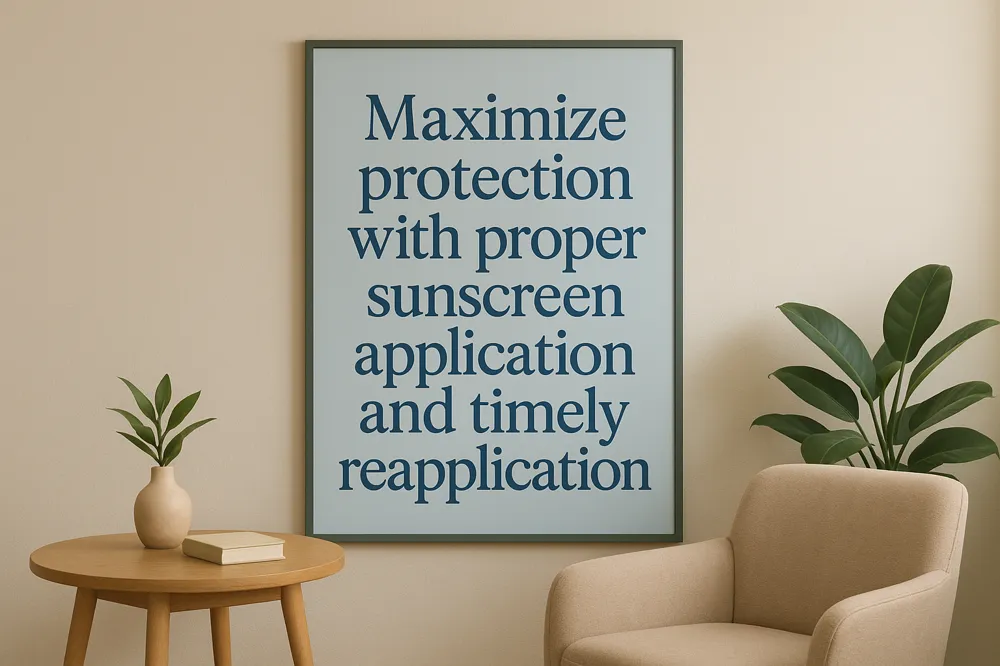
Sunscreen reapplication every two hours is necessary because sunscreen wears off due to sweating, swimming, and natural skin oils. Reapplying every two hours, or immediately after swimming or heavy sweating, is necessary to maintain continuous protection.
Healthcare providers stress proper sunscreen application, adequate quantity, timely initial application, and frequent reapplication to optimize skin protection and reduce the risks of sunburn, premature aging, and skin cancer.
Tailoring Sunscreen Choices to Your Skin Type and Concerns
What sunscreen options are best for different skin types?
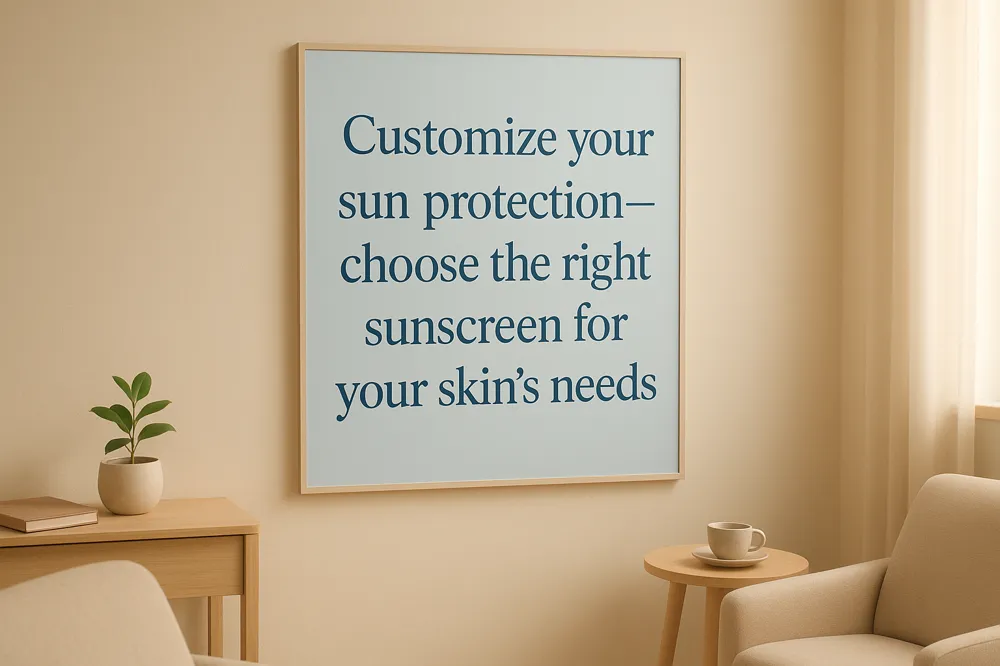
Choosing the right sunscreen depends on your skin type and concerns. For oily or acne-prone skin, oil-free sunscreens or mattifying sunscreens are ideal as they prevent clogged pores and reduce shine. Dry skin benefits from sunscreens enriched with moisturizers such as shea butter, glycerin, or hyaluronic acid to support hydration and restore the skin barrier.
Sensitive skin should favor physical (mineral) sunscreens containing zinc oxide or titanium dioxide, which are gentle and less likely to cause irritation. These mineral formulations often avoid added fragrances, which can be irritants.
How do moisturizing and anti-aging ingredients enhance sunscreen benefits?
Some sunscreens combine sun protection with skin care by including ingredients like niacinamide (vitamin B3), ceramides, and peptides. These components help even skin tone, support barrier function, and fight early signs of aging. Incorporating such formulations allows for dual benefits—shielding skin from harmful UV rays while nourishing and protecting skin health (Sunscreen ingredients benefits).
Why consider tinted sunscreens?
Tinted sunscreens add an extra layer of defense by protecting against visible light, which especially affects darker skin tones by causing pigmentation. These products provide broad-spectrum sunscreen with SPF 30 or higher coverage and help reduce skin darkening and uneven tone caused by visible light exposure.
How does personalized care impact dermatology treatments?
Personalized care enables dermatologists to recommend sunscreens perfectly suited for each individual's skin type and conditions. This tailored approach maximizes protection and comfort by selecting products formulated with ingredients that address specific needs such as extra hydration, sensitivity, or acne, thereby enhancing treatment effectiveness and skin health (Choosing the best sunscreen for your skin type).
Incorporating Sunscreen into a Comprehensive Skin Health Strategy
How should sunscreen be combined with other protective measures?
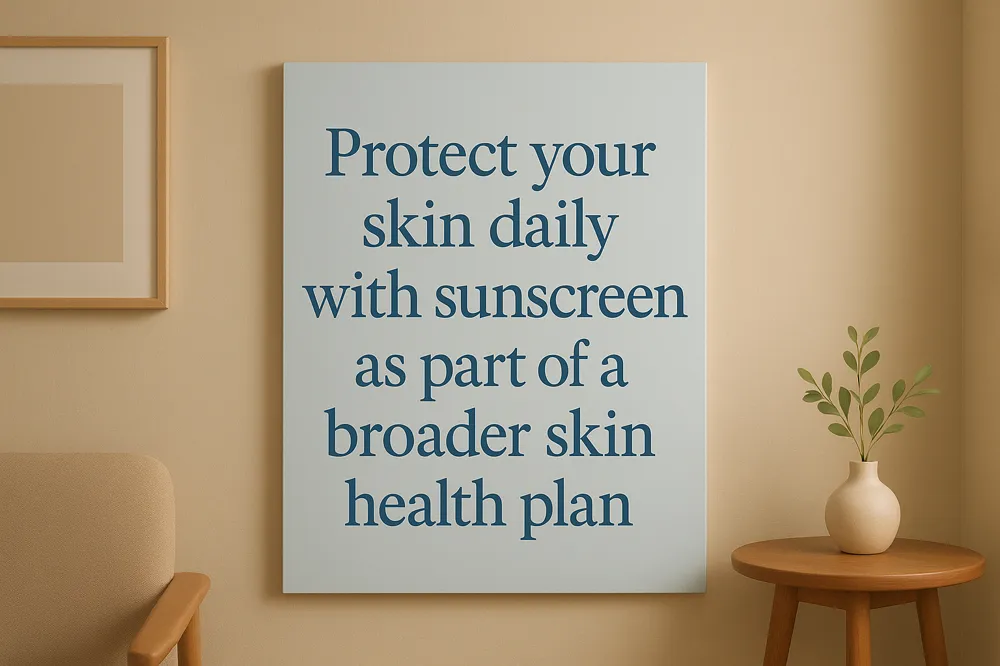
Sunscreen is a vital part of skin protection but works best when combined with other strategies. Wearing sun protection clothing and sunglasses, broad-brimmed hats, and broad-spectrum sunscreen adds layers of defense against harmful UVA and UVB rays. Seeking shade, especially during peak sun hours 10 a.m. to 2 p.m., further reduces UV exposure.
Is daily sunscreen use necessary even on less sunny days and during winter?
Yes. UV rays can penetrate clouds, haze, and even glass, so daily application of broad-spectrum sunscreen with SPF 30 or higher is important year-round, including on cloudy days and in winter. This consistent protection helps delaying skin aging with sunscreen and reduces the risk of skin cancer.
Why should indoor tanning be avoided, and what signs indicate skin damage?
Indoor tanning emits UV radiation similar to the sun and significantly increases the risk of melanoma. No safe way to tan skin, as any tanning reflects damage to skin cells. Signs of skin damage include tanning and delaying skin aging with sunscreen; prevention through sunscreen and sun avoidance is more effective.
How can sunscreen use be balanced with vitamin D needs?
While sunscreen use slightly reduces vitamin D production, a balanced diet can provide sufficient vitamin D. Proper sunscreen application guidelines and nutrition together maintain skin health and overall wellness.
Cosmetic Dermatology Treatments and Sun Protection
Cosmetic dermatology treatments enhance skin appearance and texture but require diligent sun protection to maintain results. Using Daily sunscreen application alongside protective behaviors maximizes treatment benefits and protects against delaying skin aging with sunscreen.
Sunscreen Safety, Regulation, and Environmental Considerations
FDA Oversight and Approval of Sunscreens
In the United States, sunscreens are regulated as over-the-counter drugs by the Food and Drug Administration (FDA). This regulation ensures that all sunscreen products meet rigorous safety, quality, and efficacy standards before being approved for consumer use. The FDA evaluates active ingredients to confirm their safety and ability to protect against both UVA and UVB rays, which cause premature skin aging and increase the risk of skin cancer (FDA regulation of sunscreens, FDA regulation of sunscreen, FDA sunscreen evaluation.
Safety Profile of Active Ingredients
The most common approved active ingredients include zinc oxide and titanium dioxide, both physical mineral filters recognized for their safety and suitability for sensitive skin. These ingredients work by reflecting and scattering ultraviolet rays and do not penetrate into the skin, minimizing irritation risks (physical mineral sunscreens for sensitive skin, safe mineral sunscreen ingredients, mineral sunscreen ingredients). Chemical filters are also FDA approved; however, some specific ingredients, like oxybenzone and certain others, are under ongoing scientific review due to potential health or environmental concerns (chemical sunscreen potential risks, chemical sunscreen concerns.
Ongoing Research on Chemical Filters
The FDA continues to study some chemical sunscreen ingredients to fully understand their long-term safety profiles. Despite this, current data supports their use as generally safe and effective for daily protection (Sunscreen ingredient safety studies, FDA research on sunscreen ingredients. Patients concerned about chemical filters may opt for mineral sunscreens, which provide broad-spectrum protection with minimal risk of skin irritation (best sunscreen for sun safety.
Environmental Impact and Coral Reefs
There is growing awareness about certain chemical sunscreen ingredients contributing to coral reef damage. Ingredients such as oxybenzone and octinoxate have been linked to coral bleaching and are restricted or banned in certain regions (Reef-safe sunscreen ingredients. Many brands now offer reef-safe formulas free of these chemicals, focusing on mineral-based ingredients that are less harmful to aquatic ecosystems (Environmental impact of sunscreens.
Recommendations for Infants Under 6 Months
For infants younger than six months, direct sun exposure should be avoided whenever possible. If sunscreen use is necessary, the American Academy of Dermatology recommends minimal application of physical (mineral) sunscreens containing zinc oxide or titanium dioxide, applied cautiously (Sun protection for infants under 6 months, Sun safety for children under 6 months. Protective clothing and shade remain the primary defenses for this age group (Comprehensive sun protection measures.
Choosing a Dermatology Practice
Patients seeking dermatologic care benefit from selecting practices knowledgeable about current FDA regulations and ingredient safety. This ensures personalized, evidence-based advice on sunscreen selection and sun protection strategies, including consideration of environmental responsibility (importance of sunscreens, choosing broad spectrum sunscreens, American Academy of Dermatology sunscreen advice.
Maximizing Skin Health with the Expertise of Dermatology Professionals
What are the common medical and cosmetic skin treatments offered by dermatology practices?
Dermatology professionals provide a comprehensive range of treatments that support and enhance skin health and appearance. These include medical services like skin cancer screenings, mole and lesion removals, as well as therapies targeting chronic skin conditions such as eczema or psoriasis. Cosmetic treatments often offered include laser therapies, chemical peels, and injectables for wrinkle reduction and skin rejuvenation.
How does personalized care impact dermatology treatments?
Personalized care is fundamental in dermatology; board-certified providers assess each individual's skin type, medical history, and lifestyle factors to recommend the most effective treatments and preventive strategies. Tailored sunscreen guidance helps patients select appropriate broad-spectrum sunscreen with SPF 30 or higher, optimizing protection and complementing other skin care interventions.
Role of healthcare providers in educating patients on sun safety and sunscreen use
Healthcare providers play a crucial role in educating patients about sun safety practices. This education covers the importance of daily sunscreen use for all ages and skin tones regardless of skin tone or weather conditions, proper sunscreen application guidelines, and choosing water-resistant sunscreen benefits and physical (mineral) sunscreens with zinc oxide or titanium dioxide for sensitive skin.
Enhanced patient outcomes through customized skin care
Customized dermatologic care improves patient outcomes by addressing unique skin health needs while incorporating preventative measures like regular daily sunscreen use reduces skin cancer risk. This approach reduces the risks of skin cancer and premature aging while promoting healthier, resilient skin.
Integration of sunscreen use within broader dermatologic care
Sunscreen use is integrated as a vital component of comprehensive sun protection measures. Combined with protective clothing, shade-seeking, and routine medical evaluations, sunscreen supports long-term skin preservation and cancer prevention strategies.
| Topic | Description | Example Product/Practice |
|---|---|---|
| Medical Skin Treatments | Cancer screenings, mole removals, treatment of skin diseases | Skin biopsy, excision procedures |
| Cosmetic Treatments | Anti-aging therapies, laser treatments | Chemical peels, Botox injections |
| Personalized Care | Tailored treatment plans for safety and efficacy | Customized SPF 30 or higher recommendation |
| Patient Education | Guidance on sunscreen use and sun protective behaviors | Counseling on broad-spectrum SPF 30 or higher sunscreens |
| Sunscreen Integration | Used alongside medical treatments to prevent skin damage | Use of mineral sunscreens with zinc oxide or titanium dioxide |
Expert Recommendations for Lifelong Sun Protection
Daily Use of Broad-Spectrum SPF 30+ Sunscreen
Experts recommend applying a broad-spectrum sunscreen with an SPF of 30 or higher every day to protect against both UVA and UVB rays. This protects skin from premature aging and reduces skin cancer risk.
Proper Application and Reapplication
Use approximately one ounce to cover exposed body parts, applying 15–30 minutes before sun exposure. Reapply every two hours, or immediately after swimming or sweating, to maintain protection.
Tailoring Sunscreen Choice
Choose mineral sunscreens with zinc oxide or titanium dioxide if you have sensitive or acne-prone skin. For oily skin, opt for oil-free or mattifying formulas. Water-resistant options are ideal for active lifestyles.
Comprehensive Sun Protection Habits
Incorporate wearing sun-protective clothing, wide-brimmed hats, and UV-blocking sunglasses. Seek shade during peak UV hours, typically 10 a.m. to 2 p.m., to complement sunscreen use.
Consulting Professionals
Consult with dermatologists for personalized advice and recommendations based on your skin type and lifestyle for optimal sun safety.