Introduction to Safe and Effective At-Home Skin Care
Importance of daily skin care routines
A consistent daily skin care routine is essential for maintaining healthy, radiant skin and preventing premature aging. Core practices include cleansing to remove dirt and excess oils, moisturizing to support skin hydration and barrier function, and application of broad-spectrum sunscreen with at least SPF 30 to protect against harmful UV rays.
Role of dermatologists in guiding safe skin care
Dermatologists play a critical role in recommending evidence-based skin care products and routines tailored to individual needs based on skin type, age, and concerns. Consulting a board-certified dermatologist helps ensure safe product choices and addresses any skin abnormalities or conditions early.
Overview of foundational steps for healthy skin
Basic but foundational steps for skin health include gentle cleansing twice daily, moisturization immediately after washing to lock in hydration, and consistent use of sun protection every day—even on cloudy days. Incorporating antioxidants like vitamin C and using products with dermatologist-approved ingredients enhance skin vitality. Avoiding harmful habits like smoking and managing stress also contribute to skin wellness.
Daily Sun Protection: The Cornerstone of Skin Health
Why is broad-spectrum sunscreen with SPF 30 or higher important?
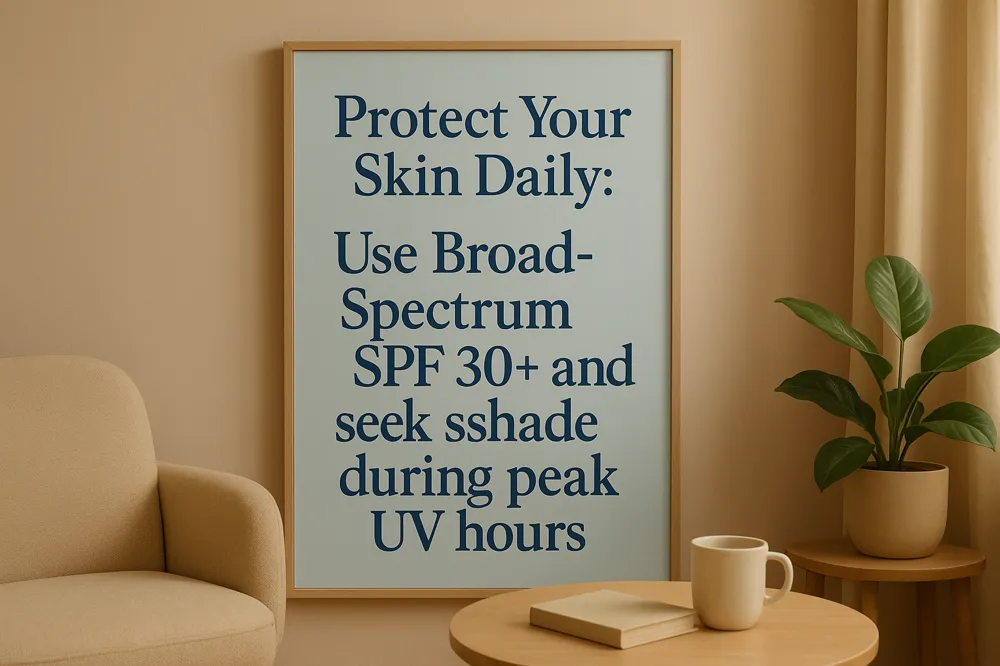
Using a broad-spectrum sunscreen with SPF 30 or higher that protects against both UVA and UVB rays with an SPF of at least 30 is crucial for daily skin health. It helps prevent premature skin aging, such as wrinkles and pigmentation, and significantly reduces the risk of skin cancer.
How should sunscreen be applied and reapplied?
Apply sunscreen every day to all exposed skin areas, including often-missed spots like the face, hands, and neck. For outdoor activities, reapply sunscreen every two hours or more frequently if swimming or sweating. Proper application involves using an adequate amount and allowing it to absorb fully before sun exposure.
What additional protective measures should be taken?
Sunscreen alone is not enough. Supplement protection by wearing sun-protective clothing such as long sleeves, wide-brimmed hats, and UV-protective fabrics. Seeking shade during peak UV hours of 10 a.m. to 4 p.m. further reduces exposure to harmful rays.
Why is daily sun protection vital?
Cumulative UV exposure contributes to skin aging symptoms like fine lines, loss of elasticity, and pigmentation changes. More critically, it increases the risk of skin cancers, including melanoma, which is highly prevalent and dangerous if undetected. Consistent sun protection habits developed from an early age can drastically reduce these risks while promoting healthier skin.
Tailoring Skincare to Your Specific Skin Type

How can you identify your skin type?
Identifying your skin type is the first step in customizing an effective skincare routine. Common categories include oily, dry, sensitive, and combination skin. Oily skin often appears shiny and is prone to acne, dry skin feels tight and may show flaking, sensitive skin is easily irritated and prone to redness, while combination skin shows both oily and dry areas. For more information, see skin type and product choice.
What cleansers and moisturizers are best for each skin type?
- Oily skin: Use non-comedogenic cleansers containing salicylic acid benefits to unclog pores, and lightweight, oil-free moisturizers.
- Dry skin: Select gentle hydrating cleansers with hyaluronic acid benefits and rich moisturizers with ingredients like ceramides or petrolatum for dry skin.
- Sensitive skin: Opt for choosing fragrance-free skincare, mild cleansers, and moisturizers formulated with soothing ingredients to reduce irritation.
- Combination skin: A balanced routine using gentle cleansers and moisturizers suited to both oily and dry areas is recommended.
Why choose dermatologist-recommended products?
Products approved or recommended by dermatologists often contain ingredients with proven efficacy such as retinoids, vitamin C for skin health, hyaluronic acid, and mineral sunscreens (zinc oxide, titanium dioxide). These products are formulated to be safe and effective across skin types and conditions, providing reliable benefits. For more guidance, consult Dermatologist Recommended Cleansers.
How to avoid irritation?
Gentle skin care is vital. Avoid harsh scrubbing, products with added fragrances, and preservatives that can worsen irritation and allergic reactions, especially for sensitive skin. Simplifying the routine and consulting a board-certified dermatologist ensures personalization that protects skin health. Learn more about gentle skin care practices.
By understanding your skin type and incorporating dermatologist-guided choices, your skincare routine will effectively support skin health and appearance.
Consistent and Gentle Cleansing Practices

Twice daily gentle cleansing to remove dirt and pollutants
Maintaining a gentle facial cleansing routine twice daily—morning and night—is essential for removing dirt, excess oils, makeup, and environmental pollutants that accumulate on the skin. This practice supports skin health by preventing clogged pores and breakouts.
Using lukewarm water and mild cleansers
Dermatologists recommend using Using Lukewarm Water for Cleansing rather than hot water to gently open pores, enhancing the effectiveness of cleansing without stripping natural oils. Select using gentle skincare products tailored to your skin type (oily, dry, sensitive) to effectively clean without causing irritation or dryness.
Avoiding harsh scrubbing and over-exfoliation
Avoid vigorous scrubbing or over-exfoliating the skin, as these actions can damage the skin barrier, lead to irritation, and exacerbate skin conditions. Gentle circular motions with fingertips during cleansing are advised to minimize mechanical stress on the skin.
Proper cleansing technique to maximize skin health and product absorption
Apply cleanser to damp skin and massage gently before rinsing thoroughly. Pat the skin dry with a soft towel and immediately follow with moisturizer to lock in hydration. This sequence promotes optimal absorption of skincare products, supporting overall skin barrier function and appearance.
Using Key Active Ingredients for Targeted Skin Concerns

What is the role of retinoids in improving skin texture and reducing aging signs?
Retinoids, derivatives of vitamin A, are highly recommended by dermatologists for their effectiveness in enhancing skin texture and minimizing signs of aging such as fine lines and wrinkles. They accelerate cell turnover, stimulate collagen production, and help unclog pores, leading to smoother, more youthful skin. Retinoids are also beneficial for treating acne and reducing pigmentation.
How do vitamin C and antioxidants benefit the skin?
Vitamin C, a powerful antioxidant, protects the skin from damage caused by free radicals and environmental pollutants. It aids in healing blemishes, reducing dark spots, and brightening the skin tone. Using Broad-spectrum sunscreen SPF 30+, Monthly skin cancer self-examinations, Broad-spectrum topical antioxidants like vitamin C or E daily can prevent oxidative damage, slow skin aging, and enhance overall skin health.
Which ingredients help acne-prone skin?
Salicylic acid and Benzoyl peroxide for acne are commonly used ingredients to manage acne. Salicylic acid exfoliates dead skin cells and unclogs pores, while benzoyl peroxide reduces bacteria and inflammation. These ingredients are effective in controlling breakouts and maintaining clearer skin.
How do hyaluronic acid and ceramides support skin hydration and barrier function?
Hyaluronic acid naturally binds and retains water, providing intense hydration and plumping effects. Ceramides for dry skin help restore the skin's protective barrier by replenishing essential lipids. Together, they maintain moisture, improve skin elasticity, and reduce dryness and irritation.
Why should ingredient overload and layering conflicts be avoided?
Overusing multiple active ingredients can lead to irritation and compromise skin barrier health. Complex routines with many potent ingredients may cause redness, dryness, and sensitivity. Dermatologists advise maintaining a simple skincare routine focusing on cleansing, moisturizing, and sun protection, and introducing active ingredients cautiously and under professional guidance.
Moisturization and Hydration: Maintaining Skin Barrier and Elasticity

Why Moisturize Immediately After Cleansing or Bathing?
Moisturizing within three minutes after cleansing or bathing is essential for trapping water in the skin. This practice helps prevent dryness and maintains skin smoothness, especially as natural oil production decreases with age. Applying moisturizer promptly supports the skin's natural barrier, reducing the risk of irritation and roughness.
Dual Benefits of Moisturizers with SPF
Using moisturizers with SPF products offers the advantage of both hydration and sun protection. These products help maintain skin moisture levels while shielding the skin from harmful UV rays, which cause photoaging and increase skin cancer risk. Incorporating SPF into daily moisturizer routines simplifies skin care and reinforces protection.
Key Hydrating Ingredients to Look For
Ingredients such as glycerin and hyaluronic acid benefits are powerful humectants that attract and retain water in the skin, promoting elasticity and a youthful appearance. Ceramides for dry skin help restore the skin's lipid barrier, preventing moisture loss and strengthening skin resilience. Selecting products that include these components supports healthy hydration and barrier function.
Supporting Skin Health Through Diet and Hydration
A balanced diet for skin health rich in fruits, vegetables, whole grains, and lean proteins provides vital nutrients that nurture skin cells. Adequate water intake, around 2,200 ml daily for women and 3,000 ml for men, contributes to skin elasticity and overall hydration. Coupled with topical care, nutritional support plays a fundamental role in maintaining skin health.
Stress Management and Lifestyle Factors Impacting Skin Health
How does stress influence skin conditions such as acne, eczema, and psoriasis?
Stress elevates cortisol levels, which can lead to increased oil production and weakened skin elasticity. This exacerbates conditions like acne, eczema, and psoriasis by triggering flare-ups and resulting in issues such as inflammation, eye bags, and wrinkles. Managing stress for healthy skin is therefore crucial for maintaining healthy skin and minimizing these skin issues.
Why is good sleep hygiene and stress reduction important for skin health?
Adequate sleep (7-8 hours nightly) promotes collagen production, essential for skin repair and maintaining a youthful, vibrant appearance. Stress reduction techniques through relaxation techniques like meditation, yoga, and physical activity helps reduce skin sensitivity, prevent acne, and supports overall skin restoration during sleep.
How does avoiding smoking improve skin nourishment and slow aging?
Smoking constricts blood vessels, reducing blood flow and depriving skin cells of oxygen and essential nutrients. This leads to accelerated skin aging, increased wrinkle formation, and slower wound healing. Quit smoking for healthier skin can improve skin health by restoring better circulation and promoting skin cell repair.
What role do physical activity and mindful practices play in supporting skin health?
Regular physical activity enhances blood circulation, delivering oxygen and nutrients to the skin, which supports cell regeneration and a healthy glow. Mindful practices such as meditation reduce stress-induced skin flare-ups and improve overall skin appearance by balancing hormonal and inflammatory responses. Physical activity and stress reduction play a key role in this process.
By incorporating healthy lifestyle habits including stress management for skin health, sufficient sleep, quitting smoking, and engaging in physical and mindful activities, individuals can significantly improve their skin health and minimize the impact of skin conditions. Dermatologists emphasize these holistic approaches as essential complements to personalized skin care routines.
Early Detection and Professional Guidance for Optimal Skin Care
Why Perform Monthly Self-Examinations for Skin Cancer?
Regular self-examination for early skin cancer detection are a simple yet critical practice for early skin cancer detection. Dermatologists recommend monthly skin cancer self-examination checks to observe any new or changing spots, especially those that itch, bleed, or have irregular features like asymmetry, uneven borders, or color variations. Early detection significantly enhances treatment success rates, making this routine vital for maintaining skin health.
When to See a Board-Certified Dermatologist
Professional consultation is recommended when you notice abnormal changes in your skin or have concerns about your skin's appearance and health. Consulting a board-certified dermatologist provide expert diagnosis and individualized treatment plans, which are essential for managing various skin conditions and aesthetic concerns. They can also guide you through safe choosing skin care products for your skin type and needs.
Benefits of Advances in Dermatological Treatments
Medical progress has introduced numerous FDA-approved skin treatments, including new options for conditions like Atopic dermatitis treatment breakthroughs and psoriasis. Staying informed and consulting with specialists ensures you benefit from the latest effective treatments, improving outcomes and quality of life.
Choosing Dermatologist-Tested Products
Using Dermatologist Tested Skin Care Products helps ensure safety and effectiveness, especially important for those with sensitive or reactive skin. These products often contain clinically proven ingredients such as hyaluronic acid, retinoids, and antioxidants, which support skin hydration, rejuvenation, and protection against environmental damage.
Maintaining vigilant self-care combined with professional guidance ensures optimal skin health and early intervention for potential issues.
Key Takeaways for Safe, Effective, and Dermatologist-Backed At-Home Skin Care
Foundational Skin Care Principles
Maintain a consistent routine that includes gentle cleansing twice daily, moisturizing promptly after washing, and daily application of broad-spectrum sunscreen with an SPF of 30 or higher. Tailoring this routine to your specific skin type—whether oily, dry, combination, or sensitive—ensures the best outcomes.
Personalized Routine Empowerment
Select dermatologist-recommended products featuring active ingredients like hyaluronic acid for hydration, retinoids for anti-aging, and salicylic acid for acne-prone skin. Use products in the correct sequence to maximize absorption and effectiveness while avoiding harsh scrubbing.
Sun Protection and Stress Management
Protect skin daily by wearing sunscreen, seeking shade during peak UV hours, and donning protective clothing. Manage stress through healthy habits like adequate sleep and physical activity to prevent flare-ups of skin conditions such as acne and eczema.
Professional Guidance Importance
Regular check-ups with a board-certified dermatologist are essential for monitoring skin health, early detection of skin cancer, and receiving personalized treatment advice. Expert care complements at-home routines for maintaining healthy, radiant skin.