Why Look Beyond Traditional Retinol?
Retinol remains a gold‑standard anti‑aging ingredient, but its use is limited by a well‑documented side‑effect profile: photosensitivity, erythema, peeling and dryness, and contraindication in pregnancy or breastfeeding. As consumers increasingly seek high‑performance yet gentle solutions, the U.S. natural and organic beauty market is expanding rapidly, driving demand for plant‑based actives that can mimic retinoid benefits without the irritation. Alternatives such as bakuchiol, rosehip oil, azelaic acid, niacinamide, peptides, and mild AHAs are now widely available. Among them, bakuchiol has the strongest clinical backing: double‑blind studies in the British Journal of Dermatology and other peer‑reviewed trials show comparable reductions in fine lines and hyperpigmentation to 0.5 % retinol, with significantly less redness and peeling. Moreover, bakuchiol is photostable, safe for daytime use, and well‑tolerated by sensitive skin, making it a leading natural retinol substitute. Dermatologists therefore recommend starting with a low‑percentage bakuchiol serum and layering sunscreen to maximize benefits while protecting against UV damage.
Retinol’s Limitations and the Need for Safer Alternatives
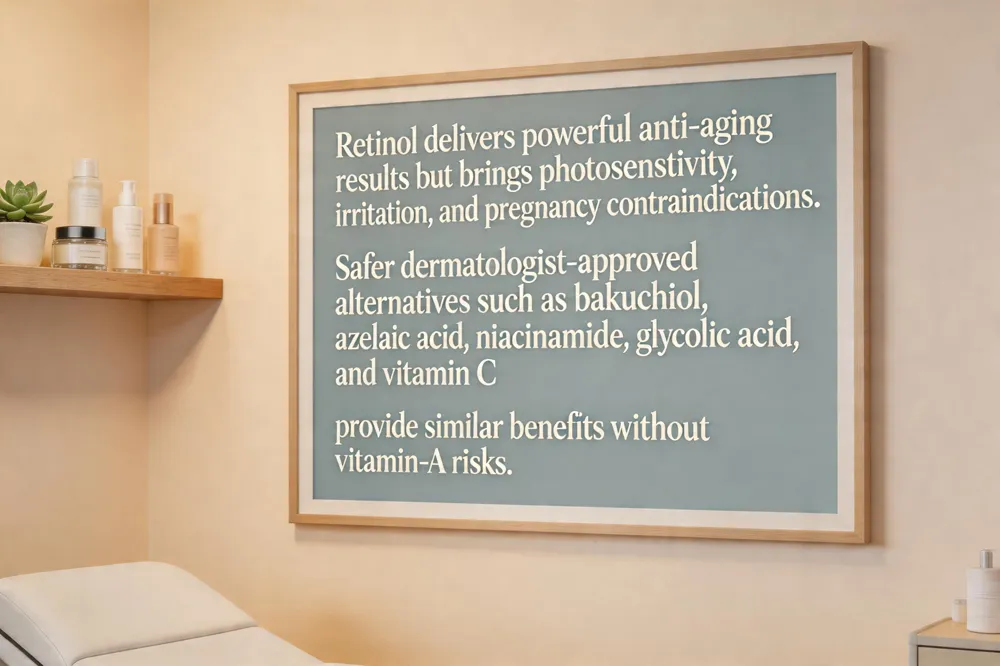 Retinol delivers powerful anti‑aging results, but its use is limited by several safety concerns. First, retinol increases photosensitivity; UV exposure can cause irritation, redness, and long‑term photo‑damage, so patients must apply a broad‑spectrum SPF 30+ sunscreen daily. Second, the ingredient commonly produces irritation, peeling, and dryness, especially when used at higher concentrations or on sensitive skin. Third, retinol and other vitamin‑A‑derived retinoids are contraindicated during pregnancy and breastfeeding because systemic absorption may affect fetal development. Finally, individuals with acne‑prone, eczema‑prone, or otherwise reactive skin often experience flare‑ups when using retinol due to its drying and keratolytic effects.
Retinol alternative for pregnancy
Retinol and other vitamin‑A‑derived retinoids are avoided during pregnancy because systemic absorption can pose fetal risks. Safer, dermatologist‑approved alternatives—glycolic acid (AHA), vitamin C serums, bakuchiol, azelaic acid, and niacinamide—provide anti‑aging and brightening benefits without the vitamin‑A concern. They should be used at recommended concentrations and always paired with daily SPF 30+ sunscreen.
Retinol alternatives for eczema
Eczema‑prone skin needs barrier‑supportive actives. Bakuchiol offers collagen‑boosting benefits without the drying effect of retinol. Niacinamide restores barrier function and reduces inflammation, while panthenol and ceramide‑rich moisturizers replenish moisture. Low‑concentration azelaic acid can promote gentle turnover without irritation. Introduce new products gradually and monitor for flare‑ups, then finish with a fragrance‑free moisturizer and sunscreen.
Retinol alternatives for acne
When retinol irritates, dermatologists recommend azelaic acid for its anti‑inflammatory and keratolytic properties, bakuchiol for gentle cell‑turnover, vitamin C for antioxidant protection, and exfoliating AHAs (glycolic or lactic) to keep pores clear. Niacinamide reduces excess oil and redness. A combined regimen—e.g., a low‑strength azelaic acid serum in the morning and a bakuchiol night serum—delivers acne‑fighting results with far less dryness.
Emerging Plant‑Based Retinol Substitutes
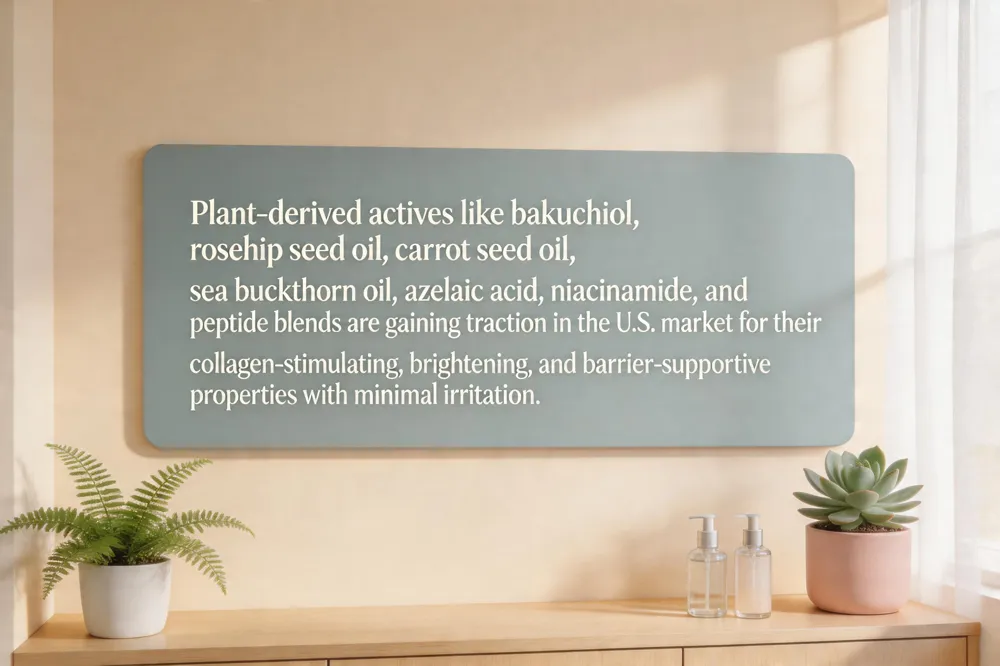 The market for natural, plant‑derived anti‑aging actives is expanding rapidly in the United States, driven by consumer demand for high‑performance alternatives that avoid retinol’s irritation and photosensitivity.
Bakuchiol – extracted from the babchi plant (Psoralea corylifolia) – is the flagship plant‑based retinol substitute. Double‑blind studies in the British Journal of Dermatology (2018) and multiple peer‑reviewed trials (e.g., Chaudhuri et al., 2014) demonstrate that 0.5‑2 % bakuchiol stimulates collagen I/III, reduces fine lines and hyperpigmentation, and does so with significantly less redness, peeling, or sun‑sensitivity than 0.025 % retinol. Its photostability allows morning and night use.
Rosehip seed oil supplies natural trans‑retinoic acid and essential fatty acids, modestly promoting cell renewal and improving texture, especially for mature or dry skin.
Carrot seed oil delivers beta‑carotene, a provitamin A that can be converted to retinaldehyde in the epidermis, offering gentle turnover without the dryness typical of synthetic retinoids.
Sea buckthorn oil is rich in vitamins A, C, E and omega‑7 fatty acids; its antioxidant profile supports collagen synthesis and barrier repair.
Azelaic acid (10 %) provides anti‑inflammatory, antimicrobial, and keratolytic actions that smooth texture and fade hyperpigmentation while remaining non‑photosensitizing.
Niacinamide (vitamin B3) strengthens the skin barrier, evens tone, and synergizes with bakuchiol or peptides to reduce irritation.
Peptide blends (e.g., Matrixyl‑3000, Argireline) act as signaling molecules that boost collagen and elastin production without accelerating cell turnover, delivering a “Botox‑in‑a‑bottle” firmness effect.
Answering common queries: The best natural retinol alternatives include bakuchiol, Rosehip seed oil, Carrot seed oil, Sea buckthorn oil, Azelaic acid (10 %), azelaic acid, niacinamide, and peptide complexes. Bakuchiol stands out as the most clinically validated plant‑based substitute, while vitamin C, azelaic acid, and peptides round out a comprehensive anti‑aging regimen that targets wrinkles, fine lines, and pigmentation with minimal irritation. Together, these ingredients allow patients—especially those with sensitive, acne‑prone, or pregnant skin—to achieve retinol‑like benefits safely and sustainably.
Bakuchiol: Science, Sources, and Safety
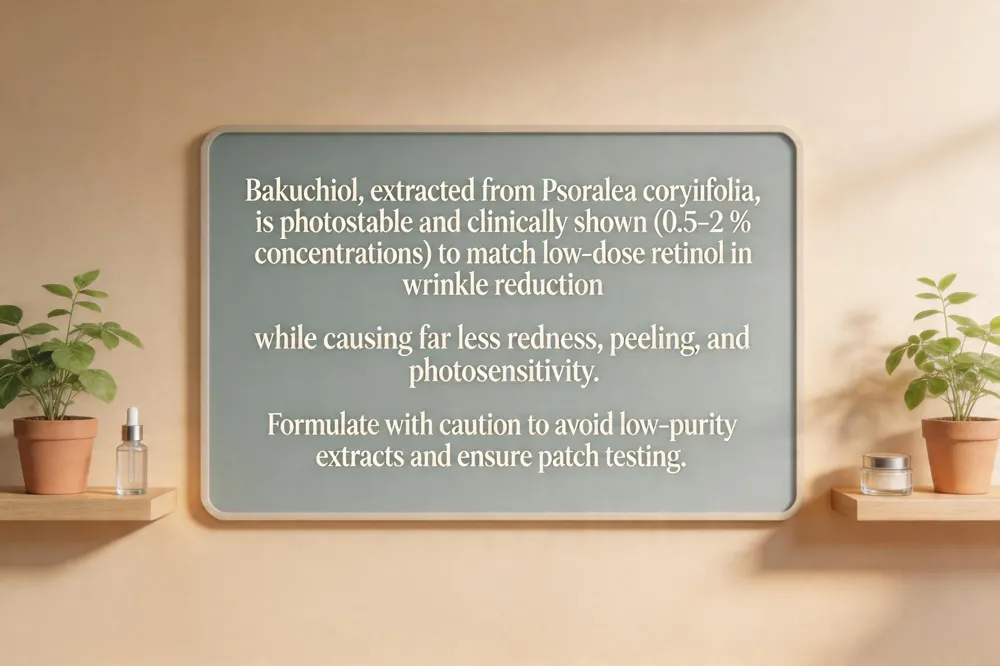 Bakuchiol is primarily extracted from the seeds and leaves of the babchi plant (Psoralea corylifolia), a shrub native to dry tropical regions of India and Sri Lanka. The seed oil contains the highest concentrations of the active meroterpene, which is harvested and purified for cosmetic use.
Clinical studies consistently show that bakuchiol stimulates collagen types I‑IV, improves elasticity, and reduces fine lines and hyperpigmentation. A 12‑week double‑blind trial (British Journal of Dermatology, 2018) reported wrinkle‑depth reduction comparable to 0.5 % retinol but with significantly less redness and peeling. Similar results were observed in a 44‑participant study (2014) and a 60‑woman trial on sensitive skin (2018).
Photostability is a key advantage: bakuchiol does not degrade under sunlight, allowing safe morning and evening application without the photosensitivity typical of retinoids. Its anti‑inflammatory properties stem from NF‑κB inhibition and antioxidant activity, which calm irritation and protect against UV‑induced free radicals.
Potential downsides include low‑purity extracts that may contain sensitizing solvents, sub‑therapeutic concentrations (<0.5 %) that yield minimal benefit, and occasional psoralen contaminants in crude seed oil that could cause phototoxicity. Over‑concentration (>1 %) may lead to mild warmth or dryness, and rare allergic contact dermatitis can occur in individuals with herbal sensitivities, so a patch test is advisable.
Overall, bakuchiol offers a gentler, photostable alternative to retinol, especially suitable for sensitive skin, pregnancy, and daytime regimens, provided it is formulated at 0.5‑2 % concentration and paired with daily broad‑spectrum sunscreen.
Top Bakuchiol Products Reviewed
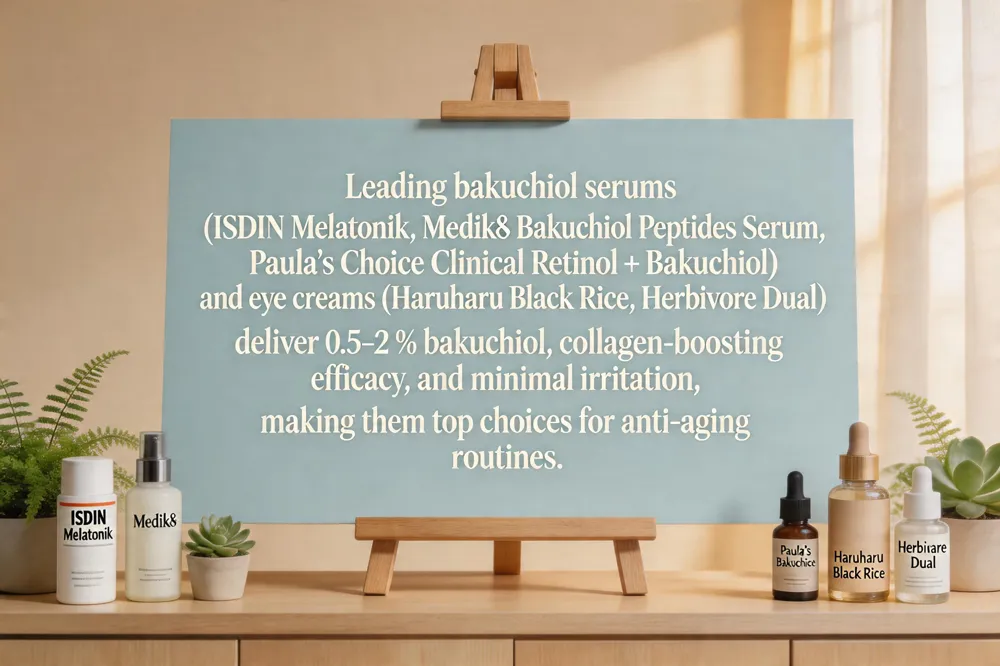 Bakuchiol has become the go‑to botanical retinol alternative for patients who need anti‑aging benefits without the irritation of synthetic retinoids.
Serums – The most clinically supported options are ISDIN Melatonik (nighttime bakuchiol‑melatonin blend), Medik8 Bakuchiol Peptides Serum (sensitive‑skin friendly), and Paula’s Choice Clinical 0.3 % Retinol + 2 % Bakuchiol Treatment. All three contain 0.5–2 % bakuchiol and have demonstrated collagen‑stimulating effects in 12‑week double‑blind studies comparable to low‑dose retinol, but with significantly less redness and peeling.
Eye Creams – Haruharu Wonder Black Rice Bakuchiol Eye Cream and Herbivore Botanicals Dual Retinol Alternative Eye Cream deliver the same photostable, non‑photosensitizing action around the delicate orbital area, improving fine lines and firmness without the tightness typical of retinol.
Brand Comparisons – When comparing efficacy, ISDIN and Medik8 score highest for clinical data, while Herbivore and Typology offer vegan, cruelty‑free formulations at a lower price point. Eye creams differ mainly in texture: oil‑rich (Haruharu) versus light‑gel (Herbivore) for oily skin.
Clinical Efficacy – Peer‑reviewed trials (e.g., British Journal of Dermatology 2018) show bakuchiol reduces wrinkle depth and hyperpigmentation within 8‑12 weeks, with patient‑reported smoother texture as early as 4 weeks.
Frequently Asked Questions
- Best bakuchiol products: ISDIN Melatonik, Medik8 Bakuchiol Peptides Serum, Paula’s Choice Clinical Retinol + Bakuchiol, Haruharu Black Rice Eye Cream, Herbivore Dual Retinol Alternative Serum, Eau Thermale Avène RetrinAL Advanced Correcting Serum, Typology Imperfections 1 % Bakuchiol.
- Bakuchiol before and after: Before‑and‑after images typically reveal more even tone at 4‑6 weeks, reduced fine lines at 8‑12 weeks, and a firmer, hydrated complexion with minimal irritation.
- Best vegan skincare for aging skin: Vegan bakuchiol serums (Herbivore), antioxidant‑rich vitamin C masks, peptide‑infused eye serums, and squalane‑rosehip body butters provide a cruelty‑free, gentle anti‑aging regimen.
- Other plant‑based retinol alternatives: Rosehip seed oil, Centella asiatica, Tremella mushroom, and blue tansy essential‑oil blends complement bakuchiol for a comprehensive, low‑irritation anti‑aging protocol.
Alternative Ingredients Loved on Reddit and in Japan
 Online skin‑care communities such as Reddit have become a valuable source of real‑world feedback on gentler anti‑aging actives. Users frequently cite bakuchiol, peptide‑rich serums, azelaic acid, and polyhydroxy acids (PHAs) as preferred replacements for retinol, praising products like Herbivore’s Bakuchiol Serum and Olehenriksen’s Bakuchiol Eye Gel. The consensus emphasizes a slow, patch‑tested rollout to minimize irritation.
Japanese skincare philosophy, on the other hand, prioritizes barrier‑friendly actives that deliver collagen stimulation without compromising skin tolerance. Peptides, vitamin C‑rich botanicals (green tea, rice bran, seaweed), and niacinamide dominate Japanese formulations, offering brightening, texture refinement, and antioxidant protection while avoiding photosensitivity.
For budget‑conscious vegans, U.S. retailers stock affordable lines such as Pacifica, e.l.f., r.e.m. beauty, and Noughty, all of which provide cruelty‑free, plant‑based ingredients ranging from aloe and niacinamide to vitamin C and peptide complexes. These brands deliver effective solutions for acne, dryness, hyperpigmentation, and early signs of aging without animal‑derived components.
DIY and Natural Sources of Retinoid‑Like Nutrients
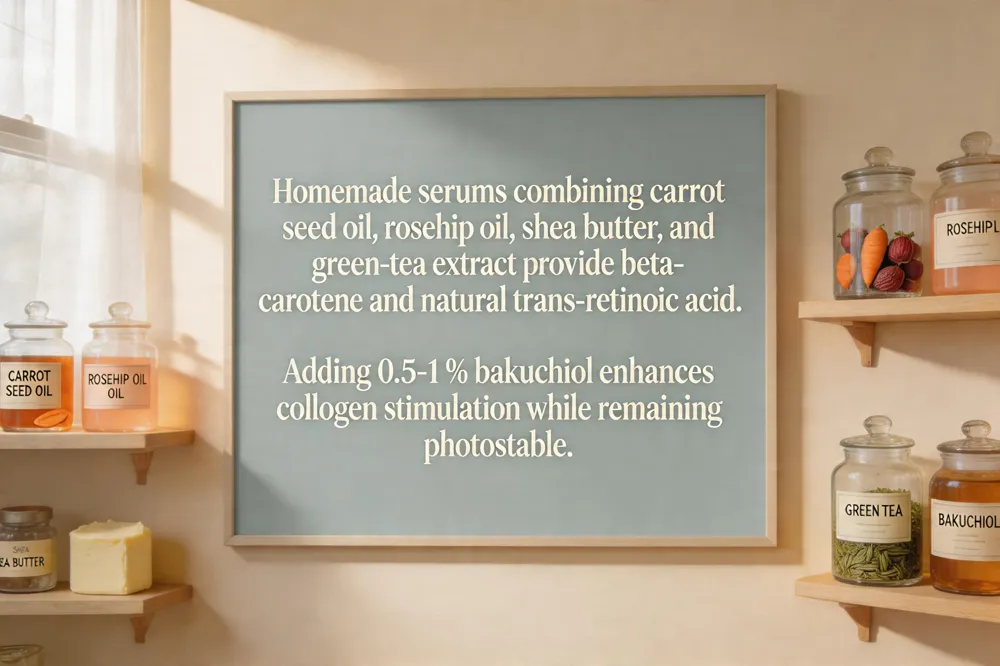 For those who prefer a hands‑on approach, a simple homemade serum can deliver retinol‑like benefits without synthetic irritation. Blend antioxidant‑rich carrier oils—such as carrot seed oil (high in beta‑carotene) and rosehip oil (contains natural trans‑retinoic acid)—with a soothing base like almond or apricot oil. Melt a small amount of shea butter, stir in the oil mixture, and add a few drops of green‑tea extract for polyphenols and a splash of lavender and frankincense essential oils for calming scent. Store the blend in a dark glass bottle; apply a pea‑size amount after cleansing, both morning and night, and finish with broad‑spectrum SPF. For an even gentler option, substitute part of the oil blend with 0.5 %–1 % bakuchiol, which mimics retinol’s collagen‑stimulating activity while remaining photostable.
Natural retinol foods Pre‑formed retinol is abundant in animal products: liver, eggs, dairy, and oily fish such as salmon, sardines, and mackerel.
Natural retinol fruits Fruits rich in provitamin A carotenoids—cantaloupe, mango, apricot, papaya, and pink watermelon—provide beta‑carotene that the body converts to retinol, supporting skin renewal from the inside out.
Incorporating these dietary sources alongside a DIY antioxidant serum offers a holistic, low‑irritation strategy for smoother, firmer skin.
Dermatologist‑Recommended Anti‑Aging Formulations
 Dermatologists prioritize formulations that combine clinically proven actives to tackle multiple signs of aging while minimizing irritation. A typical anti‑aging cream includes a retinoid or its gentler plant‑based counterpart—bakuchiol—which stimulates collagen I, III and IV production and improves elasticity with far less peeling or photosensitivity. Hyaluronic acid adds immediate plumping, ceramides restore barrier function, and antioxidants such as vitamin C (tetrahexyldecyl ascorbate), vitamin E, and green‑tea polyphenols neutralize free‑radical damage. Broad‑spectrum SPF 30+ sunscreen is a non‑negotiable daily base; even photostable bakuchiol can be degraded by UV exposure and UV benefits of retinol‑protected collagen synthesis are lost without sun protection.
Peptide‑vitamin C synergy is another cornerstone: [peptides] signal fibroblasts to produce collagen and elastin, while vitamin C boosts the same pathways and brightens hyperpigmentation. When used together, they deliver a “Botox‑in‑a‑bottle” firming effect without the dryness of retinolids.
What do dermatologists say actually works as anti‑aging cream? They endorse combos of retinol or bakuchiol, hyaluronic acid, ceramides, and antioxidant vitamins, always paired with SPF 30+.
Affordable vegan skincare brands? Pacifica, e.l.f., and r.e.m. beauty offer niacinamide, vitamin C, and peptide‑rich products for under $60.
Vegan skincare products? They rely on plant‑derived actives—aloe, niacinamide, vitamin C, peptides—delivering clean, cruelty‑free solutions for acne, dryness, hyperpigmentation, and aging.
What is plant‑based skincare? It uses botanical sources—herbs, oils, extracts, natural acids—as primary actives, emphasizing antioxidant, anti‑inflammatory, and hydrating properties while aligning with vegan and cruelty‑free standards for gentle yet effective rejuvenation.
Integrating Alternatives into a Balanced Skincare Routine
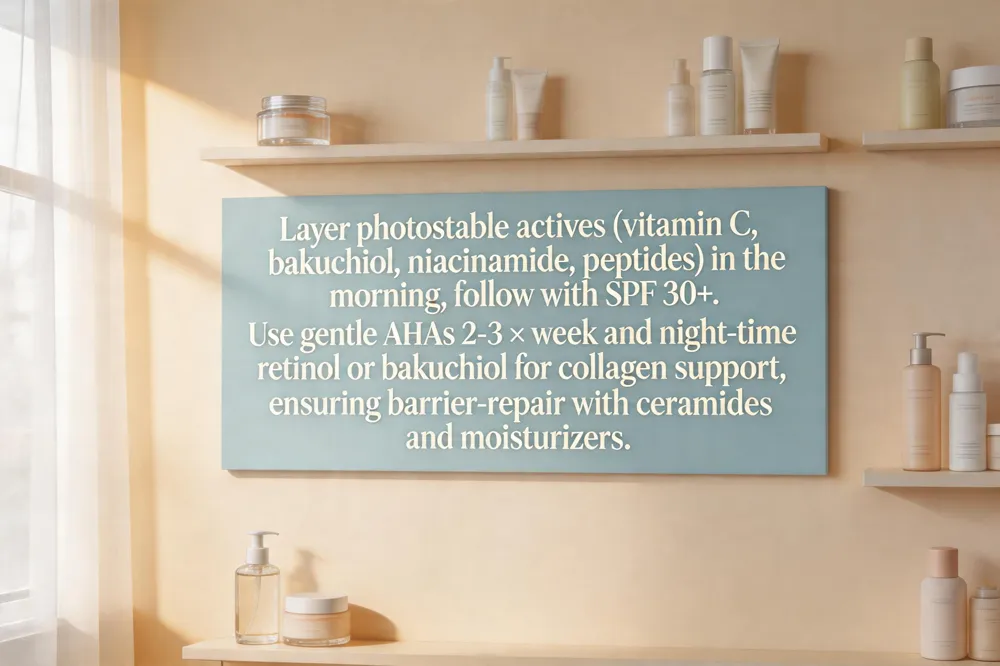 When you replace or supplement retinol with gentler actives, the timing of each step matters.
Morning vs. Night Layering Bakuchiol, azelaic acid, peptides, vitamin C, and niacinamide are all photostable and can be used safely during the day. Apply water‑soluble actives (vitamin C, niacinamide) first, follow with a bakuchiol serum, then lock in moisture with a barrier‑supporting cream. Retinol‑type actives (e.g., retinaldehyde, RetinART) remain best reserved for night use because they may increase photosensitivity.
Combination Strategies A synergistic routine often pairs a collagen‑stimulating bakuchiol serum (0.5‑2 %) with a peptide‑rich moisturizer to boost firmness while keeping irritation low. Adding a gentle AHA (glycolic or lactic acid) 2‑3 times a week accelerates cell turnover without the harsh peeling of retinol. For extra brightening, layer a vitamin C derivative (e.g., tetrahexyldecyl ascorbate) under the bakuchiol at night or combine them in the morning for antioxidant protection.
Sunscreen Synergy Even though bakuchiol does not increase photosensitivity, all anti‑aging actives—including AHAs and vitamin C—can make the skin more reactive to UV. A broad‑spectrum SPF 30+ sunscreen should be the final morning step, protecting the skin from UV‑induced collagen loss and preserving the benefits of the daytime actives.
Retinol + Bakuchiol Benefits Combining retinol with bakuchiol provides a dual approach: retinol drives rapid epidermal turnover, while bakuchiol supports collagen synthesis and soothes irritation. The antioxidant properties of bakuchiol lessen retinol‑induced redness, resulting in smoother fine lines and more even tone than either ingredient alone. Use this combo at night and follow with sunscreen during the day.
Retinol Alternatives for Pregnancy Pregnant patients should avoid vitamin‑A‑derived retinoids. Safe, plant‑based alternatives include bakuchiol, azelaic acid, niacinamide, glycolic acid (AHA), and vitamin C serums. These ingredients offer anti‑aging, brightening, and acne‑control benefits without fetal risk, but daily SPF remains essential.
Plant‑Based Retinol Alternative Bakuchiol is the leading plant‑based retinol alternative, delivering collagen‑stimulating effects with far less irritation. Rosehip oil supplies natural provitamin A and essential fatty acids, while peptide blends add firmness without driving turnover.
Best Retinol Alternatives – Bakuchiol and Other Plant Options A comprehensive regimen might include:
- Morning: vitamin C serum → bakuchiol serum → peptide‑rich moisturizer → SPF 30+.
- Evening: low‑dose retinol or retinaldehyde (if tolerated) → bakuchiol → ceramide‑rich night cream.
- 2‑3 times weekly: gentle AHA exfoliation. This layered approach targets multiple aging pathways—collagen synthesis, cell turnover, antioxidant defense—while staying gentle enough for sensitive skin.
Choosing Ethical, Vegan, and Affordable Options
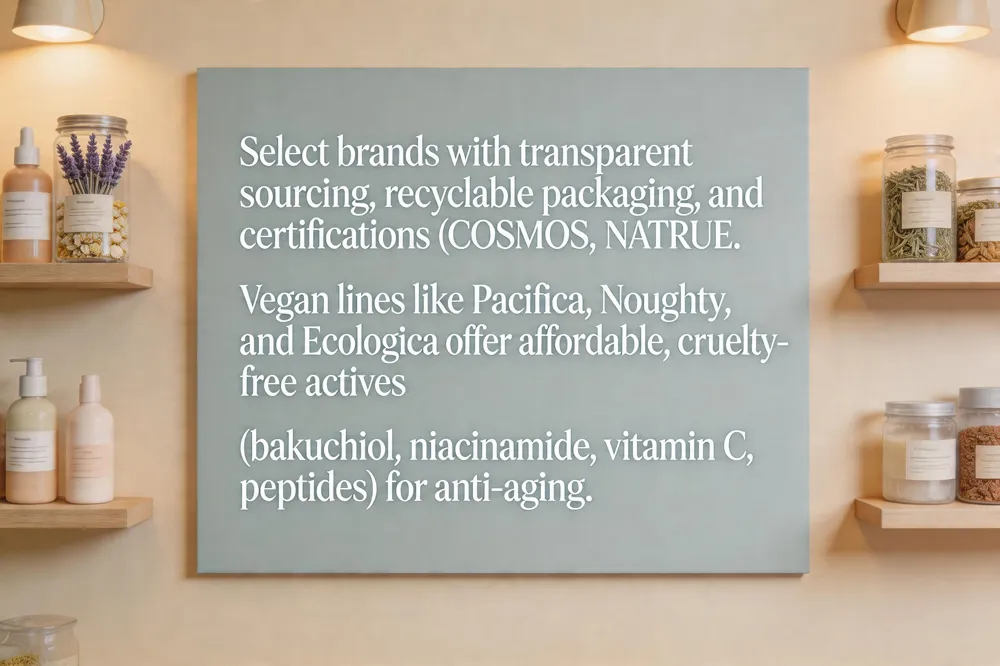 When selecting a skincare line, sustainability, brand transparency, and price are as important as efficacy. Look for companies that disclose ingredient sourcing, use recyclable or biodegradable packaging, and have third‑party certifications (e.g., COSMOS, NATRUE). Such transparency helps consumers verify that products are truly vegan, cruelty‑free, and environmentally responsible while keeping costs low.
Vegan skin care brands Reputable vegan brands include Pacifica, Naturopathica, Plantopia, Noughty, and Ecologica. These manufacturers offer cruelty‑free, plant‑based formulas featuring actives such as niacinamide, vitamin C, peptides, and bakuchiol—ingredients known for anti‑aging benefits without animal‑derived components.
Best vegan skincare for aging skin An effective anti‑aging routine can be built entirely from vegan products: a night serum with bakuchiol (stimulates collagen and improves elasticity), a brightening vitamin C mask (inhibits melanin formation), a peptide‑infused eye serum (supports firmness), and a hydration‑rich body butter (maintains barrier function). All are free of animal ingredients yet rich in botanical actives.
Best plant‑based skincare options Top plant‑centric choices include Veriphy’s Power‑Trip Serum (glycogen complex), Cocokind’s Vitamin C Serum, Ursa Major’s Fantastic Face Wash, True Botanicals Clean‑Skin Moisturizer, and Andalou Naturals SPF 30 CC Cream. These products emphasize clean, botanical formulations and are widely available at affordable price points, making high‑performance vegan skincare accessible to a broad audience.
Key Takeaways for Your Skin Journey
Clinical evidence shows that plant‑based retinol alternatives—especially bakuchiol—stimulate collagen, improve elasticity and reduce fine lines with far less irritation and no photosensitivity compared with synthetic retinol. When building a personalized routine, start with a low‑dose bakuchiol serum (0.5‑1 %) in the evening, layer a moisturizer, and consider adding complementary actives such as vitamin C or niacinamide for daytime brightening. Daily broad‑spectrum SPF 30+ remains non, even though bakuchiol is photostable, because UV exposure can still counteract anti‑aging benefits. Choose ethically certified, COSMOS‑ or NATRUE‑approved products that are cruelty‑free and affordable; many U.S. brands now offer high‑performance botanical actives at accessible price points, allowing you to achieve effective, gentle skin renewal while supporting sustainable sourcing.